
Filter Post Type
NewsVideoProductEventLink
Sort:
Most Recent
1–10 of 69
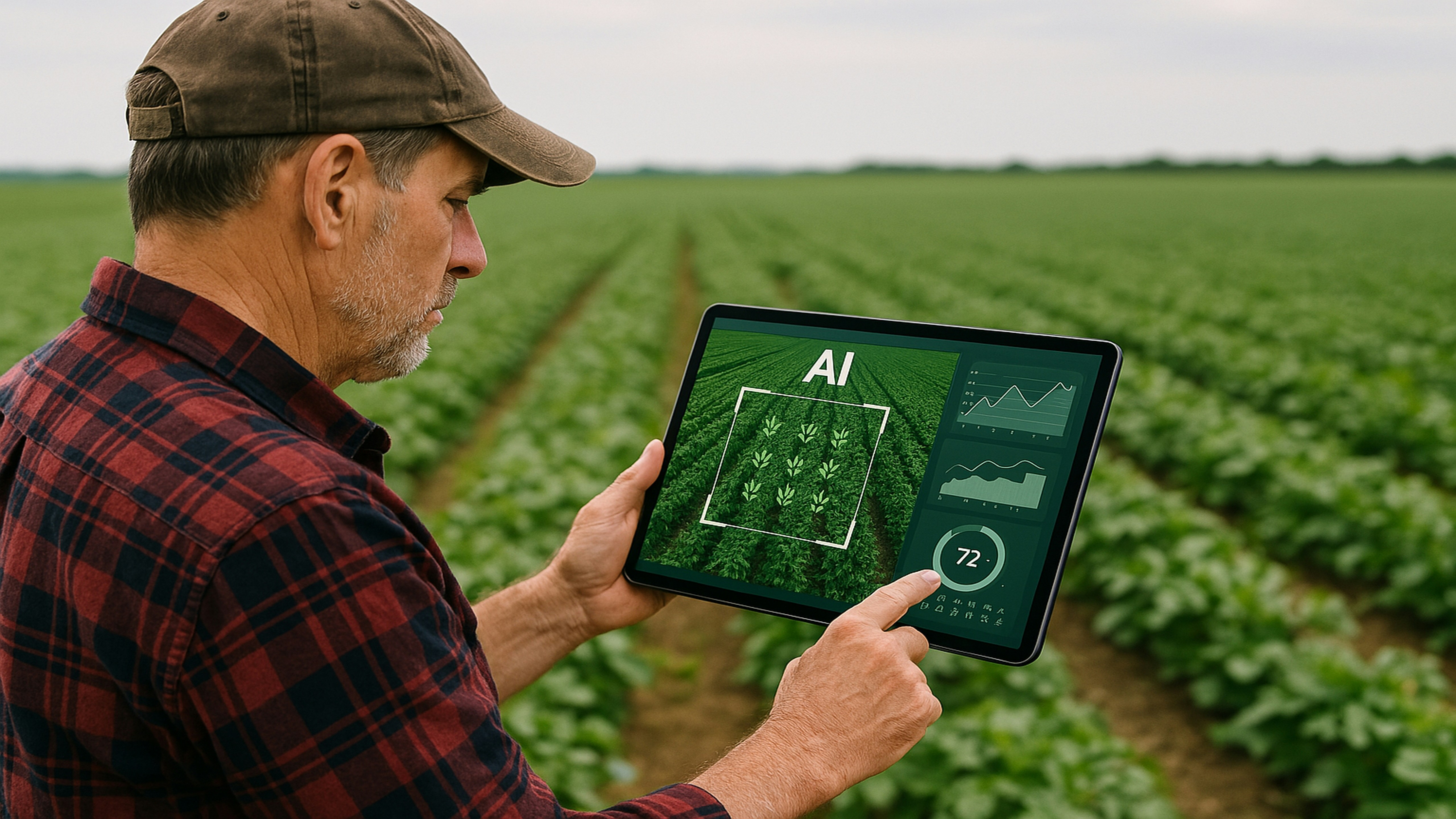
Most conversations about AI in agriculture lead nowhere. There is plenty of speculation, plenty of marketing, and very little shared understanding of how AI is actually being used inside real vineyard operations. There is no manual. No proven tools, and even fewer examples that go beyond theory. That is what makes this story different. Rather than discussing what AI could do someday, this article looks at what happened when a professional vineyard management team, operating at scale and under real economic pressure, put AI to work on the unglamorous parts of their operation: scheduling, coordination, and administrative complexity. The outcome was not what most people would expect. The biggest gains did not come from automation itself, but from what changed once friction was removed from daily work. First, You Have to Start With a Real Problem A vineyard operations leader managing large-scale acreage described a situation many vineyard operators recognize immediately: an operatio
00
It’s not hard to see the promise of AI on a vineyard: process a ton of information and get meaningful answers quickly. The problem is that no one knows how to get started. There are no clear standards, few proven playbooks, and almost no shared examples of AI delivering measurable results inside real vineyard operations. How can you use AI on your vineyard? Keep reading... This article looks at how one vineyard management team approached AI not as a trend to adopt, but as a constraint to manage. They had too much information, too many variables and far too little human capacity to process them all. This is how they did it. The Question You Should Be Asking First A vineyard operations leader managing large-scale acreage described a situation where scale magnifies every inefficiency. Across thousands of acres and dozens of properties, the team was already using sensors, labor tracking systems, equipment data, compliance tools, and agronomic models. The problem was not lack of infor
00
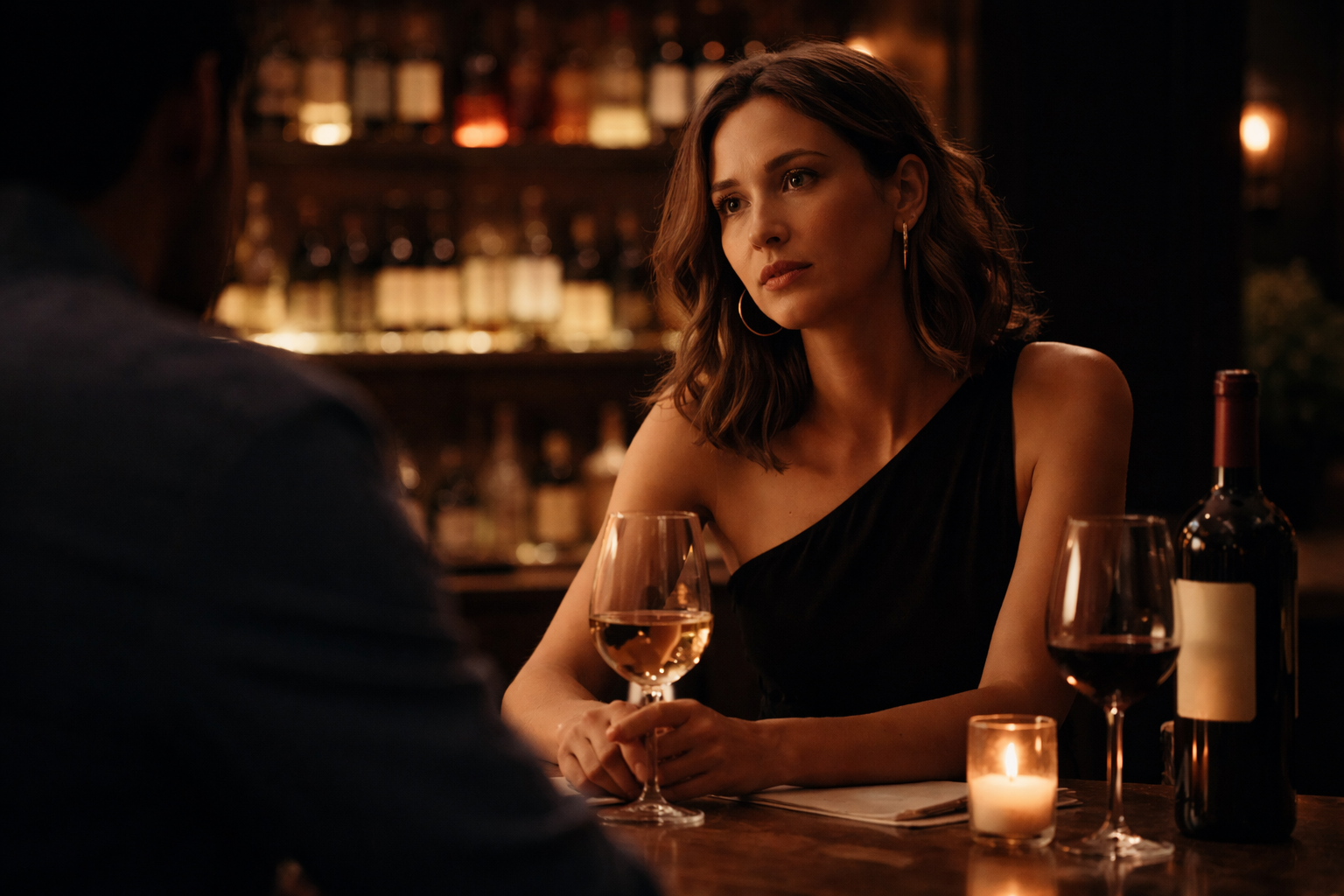
For most wineries, marketing still follows a familiar path: email campaigns, wine clubs, tasting room experiences, and social media. These channels continue to drive direct-to-consumer sales, but they are also becoming increasingly saturated. Reaching new customers often requires more content, more spend, and more competition for the same audience. At the same time, another force is shaping consumer behavior at scale—film and television. A single streaming series can influence travel, dining, fashion, and brand awareness almost overnight. Within those moments, wine is already present. It appears in dinner scenes, celebrations, restaurants, and quiet evenings at home, serving as a natural extension of lifestyle and hospitality. Historically, however, the bottles used on screen have rarely represented real wineries. That is beginning to change. Wine product placement is emerging as a viable and strategic marketing channel for wineries looking to expand beyond traditional touchpoin
00

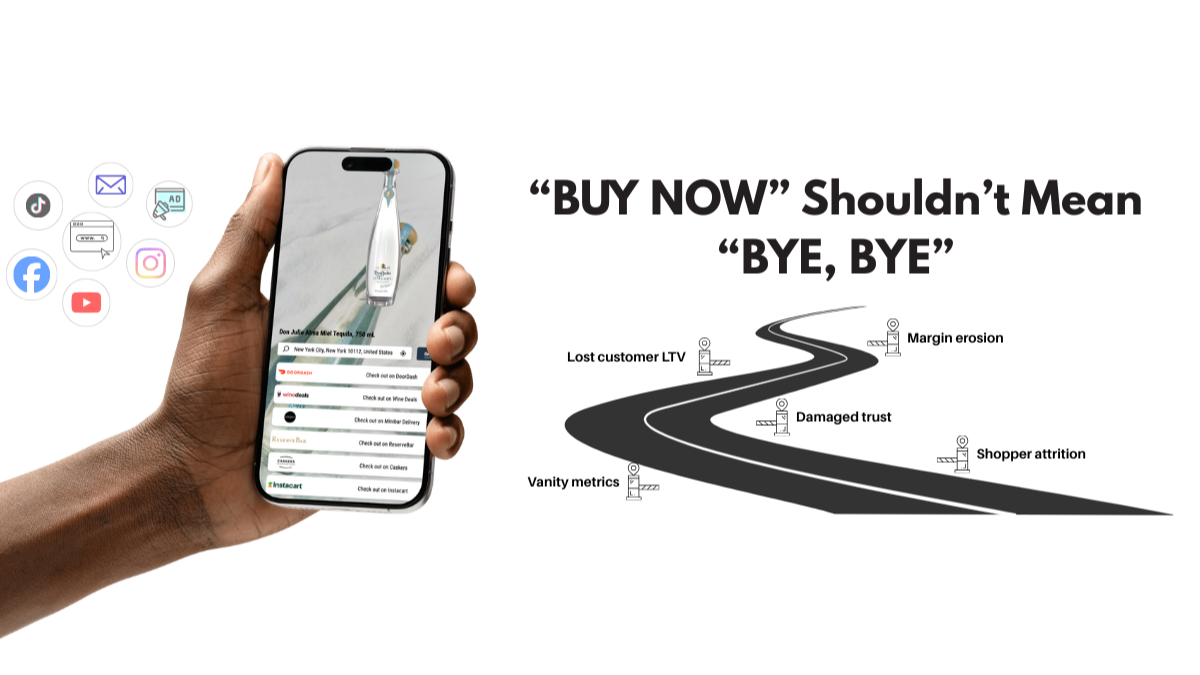
We live in a world where distributed brands have to do real work to help customers find the best and right place to buy, wherever they are. The old answer was the “retailer locator”: a sad cluster of outdated pins on a map, with no genuine path to purchase and a short whitelist of stores that ignore the majority of retailers selling your product. Antiquated Map Solutions Then “carting solutions” showed up. In theory, they were an upgrade of the experience: software that turns brand demand into a buy flow and gives you attribution along the way. In practice, they offer a path to purchase from a painfully limited roster of retailers, mostly big national chains plus marketplaces.Modern Carting Solution But in the U.S., most products don’t have clean, national-chain coverage. And most carting tools don’t have a multitude of smaller chains or independent retailers. So they do the expedient thing: when they can’t find a great retailer match, they
00
Green shoots: Is this a “transitional moment”? With spring getting underway, this month’s California Report assesses vineyard conditions, grape demand, and whether the bulk wine and grape markets are seeing the first tentative green shoots of recovery: Is the industry in a “transitional moment” before growth returns later this year or next? We dive into recent reports that case-good sales declines in the US are slowing, using the latest SipSource US wholesale depletions data to pick out some sales trends. The convergence of pricing toward California-appellation levels on all but a select handful of wines theoretically enables bulk wine buyers to make their decisions based purely on which samples best meet their quality/character specifications. This has opened up product development and scope for wine companies to attack potential retail opportunities. With wine aisles growing shorter, this is a challenging time to “buy the dip” with inn
00
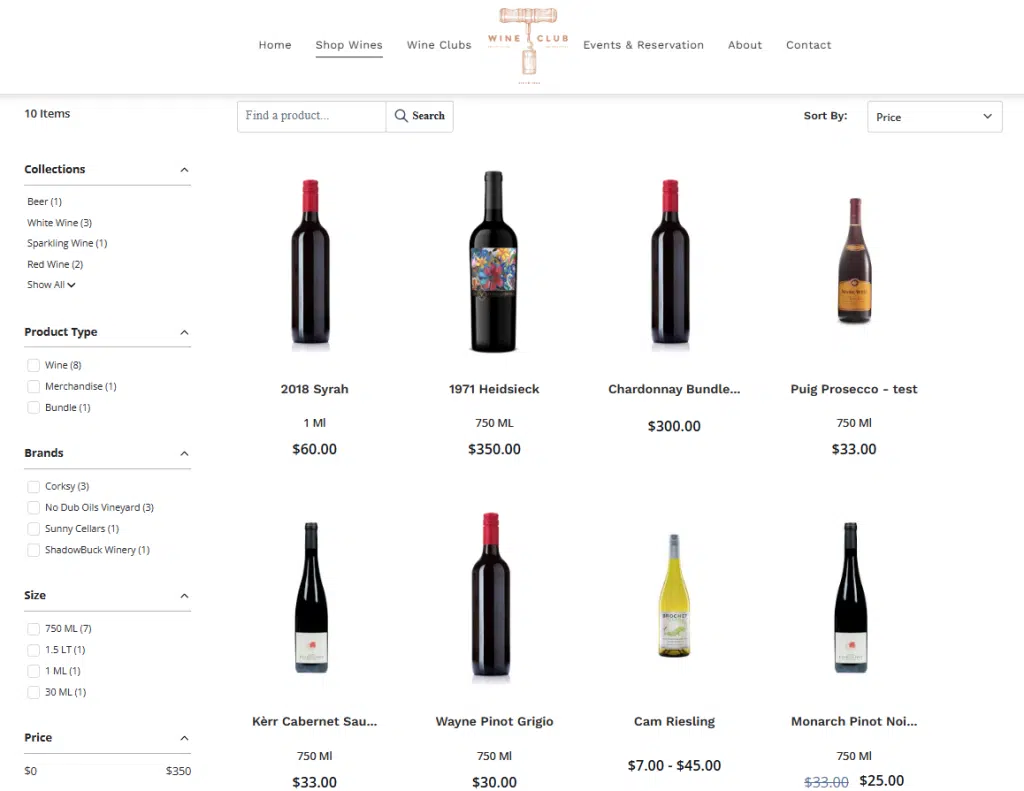
A few years ago at the DTC Wine Symposium, a panelist joked about the modern winery website formula: the guy, the dog, the truck, and the vineyard. Beautiful backdrop, strong lifestyle photography, a thoughtful founder story. Polished, absolutely. Strategically distinct, rarely. The critique wasn’t about branding. It was about structure. Most winery websites aren’t broken, but they aren’t built as decision environments either. Calls to action are unclear, revenue pathways are buried, shipping surprises appear late, and wine club often lives in isolation instead of throughout the buying journey. After auditing winery sites across regions and production sizes, the pattern is consistent: performance is constrained by friction, not effort. Most wineries don’t have a traffic problem. They have a conversion architecture problem. Before increasing ad spend or launching another promotion, run a winery website audit — on your phone. Start at the homepage and move t
00

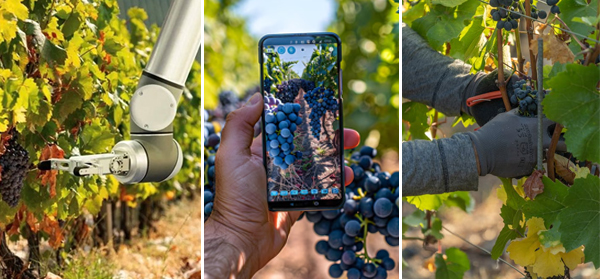
Join us for "Insights on New Growing Techniques from the 2025 Season." When it comes to innovation in the vineyard, theory is easy. Implementation is not. That’s why the first session of the 2026 Growing Forward Virtual Conference brings together four respected vineyard leaders who have already done the work. Join us this Wednesday, where we'll hear from the early adopters who will share their firsthand experiences, including what delivered measurable results, what proved challenging, what caught them by surprise, and what they would do differently next time. Bring your questions. Add your perspective. Join a conversation designed to help growers move forward with confidence. Session Panel: Tony Chapman, Senior Director of Winegrowing / The Donum Estate Ryan Maier, Owner & Operator / Maier Vineyard Management Matt Merrill, General Manager / Mesa Vineyard Management Patrick Riggs, Vice President of Viticulture / Jack Neal and Son Vineyard Management This Wednesd
00
February 26, 2026
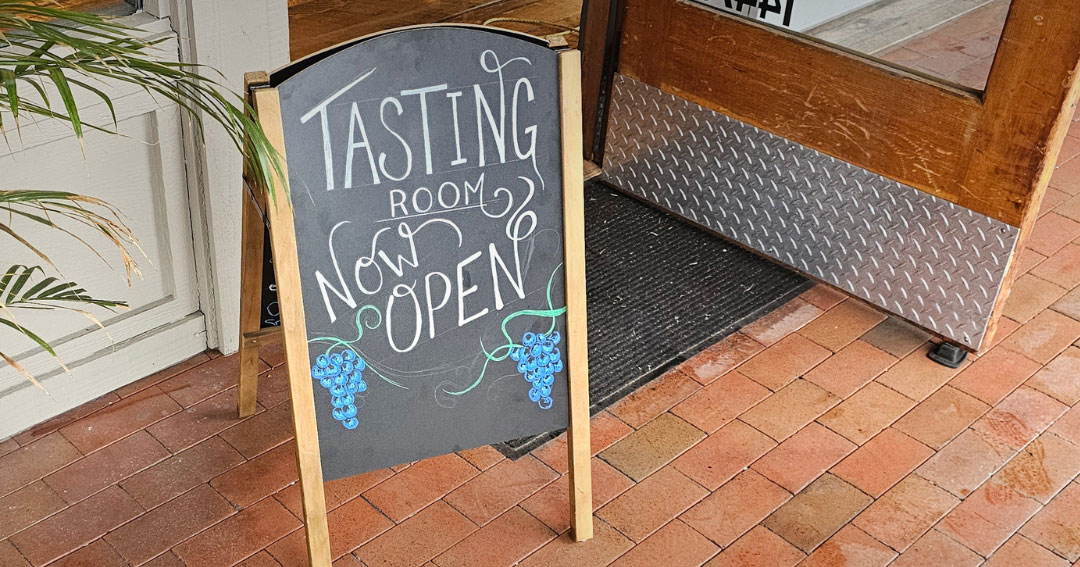
I recently spent a day at Florence Cellars as they opened their tasting room in downtown Woodinville WA. Big congratulations to their team!. There was great energy and a strong turnout. It was a fantastic opening day all around. Opening day is always revealing. It’s not about whether your POS works in theory. It’s about how everything holds up when the room fills and guests are standing in front of you. You start hearing real-world questions: What happens if the terminal drops connection? How do we start a tab? Why isn’t the tip option showing? Can we add a library bottle as a SKU right now? None of it is catastrophic of course, but even small friction feels bigger in a busy tasting room. And honestly, the most important conversations weren’t about the POS at all. They were about hospitality. How do we greet guests when seats are full? Who manages flow? How do we make this feel
00
February 24, 2026

The word “brand” is notoriously difficult to define in marketing. If we were talking about a ranch brand—the kind seared onto livestock to signify ownership—that’s easy to understand. But in marketing, a brand is not a physical thing. It’s a symbolic construct. It’s not the label on the bottle or the winery’s logo or even the product itself. Rather, it’s the entire perception a consumer holds in their mind about your company, your wine, your people, and everything you collectively represent. A brand is a conceptual identity that differentiates you from your competitors. It can be shaped by your name, your origin story, the design of your label, the personalities involved in your winery, your tasting room experience, your packaging, your email tone, your partnerships, or even how you respond to a customer complaint. All these elements come together to form the intangible yet powerful idea of your brand. It is, quite literally, eve
00
February 10, 2026

I spend an embarrassing amount of time every January reading year-end recaps, trend reports, and “culture in review” pieces. It’s part professional habit, part curiosity, part doomscrolling with a notebook. But as I started flipping through 2025 retrospectives, something felt… off. Not alarming. Not exciting. Just oddly muted. Nothing was shouting. Nothing felt particularly sharp. Even the topics that usually come with big opinions seemed softened, neutralized, turned down a few notches. So I pulled the thread. And the more I looked, the more I began noticing the same quiet signals emerging in places that had no connection to each other: design trends, language, social behavior, media content, fashion, and even travel preferences. Different industries. Different audiences. Same emotional temperature. Meh. Which led me to a question I couldn’t shake: Is this increasing indecisiveness a new form of rebellion? A sign of boredom? Or are we just culturall
00