
Filter Post Type
NewsVideoProductEventLink
Sort:
Most Recent
1–10 of 39
For decades, cylindrical tanks have dominated winery cellars. But as producers look for smarter ways to maximize space, control costs, and improve wine quality, alternative tank designs are entering the conversation. Square tanks are emerging as a compelling solution — offering measurable gains in efficiency, sustainability, and production capacity without requiring expansion of existing facilities. Rapid Return on Investment La Garde Inox tanks stand out for their ability to generate a return on investment in record time, often in less than a year and a half. Their optimized design allows for an increase in bottle production of up to 83% compared to round tanks, thus offering an opportunity to maximize the profitability of each liter of wine produced. By reducing operating costs, whether in terms of maintenance, energy management, or human resources, these tanks become an essential financial asset for winemakers seeking to improve their cash flow and maximize their short-term p
00
December 16, 2025
A truly great landscape isn’t just a collection of plants and features—it’s a carefully crafted space where every element works together to create a sense of harmony. At Allen Land Design, we believe landscape design is an art form that blends creativity with function. Achieving balance in a landscape means thoughtfully considering how natural elements and human design interact to form a cohesive, welcoming environment. One of the foundational principles of a harmonious landscape is balance through scale and proportion. Large trees can anchor a space and create strong focal points, while mid-sized shrubs and groundcovers soften transitions and add depth. When elements are sized appropriately and placed with intention, the landscape develops a natural rhythm that guides the eye and allows the space to feel both dynamic and comfortable. Unity is another essential component of balance. This is achieved by creating visual connections throughout the landscape—whethe
00

November 10, 2025
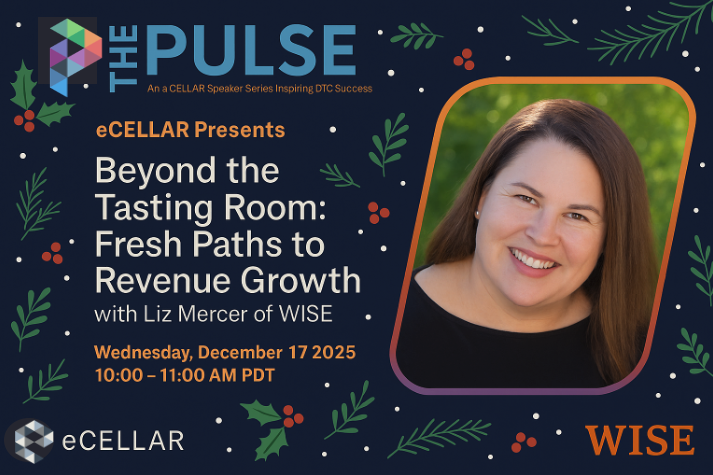
Event Type: Webinar
Location: https://us06web.zoom.us/webinar/register/WN_4DFg_5iKRW6AecGjx52Sig
Date: 12/17/2025
Join Liz Mercer at WISE and Tracy McArdle at eCELLAR for a dynamic 45-minute session and 15-minute Q&A exploring how wineries are driving sales outside their four walls. Learn how to take your brand on the road and other creative outreach strategies that deepen connections, build loyalty, and boost revenue. Discover what’s working for leading wineries, how to identify the right audiences and partners, and how to bring your brand story to life beyond the tasting room. About WISE WISE (Wine Industry Sales Education) has long championed excellence across all Direct-to-Consumer (DTC) channels - tasting rooms, clubs, events, phone and beyond - through practical, hands-on training and data-driven insights. Today, their work extends beyond sales skills to shaping strong leaders and healthy teams. Strong Leaders. Healthy Teams. Successful Wineries. They believe a rising tide lifts all boats and that our industry deserves professionalism at every level. Through experiential learning,
00
September 29, 2025
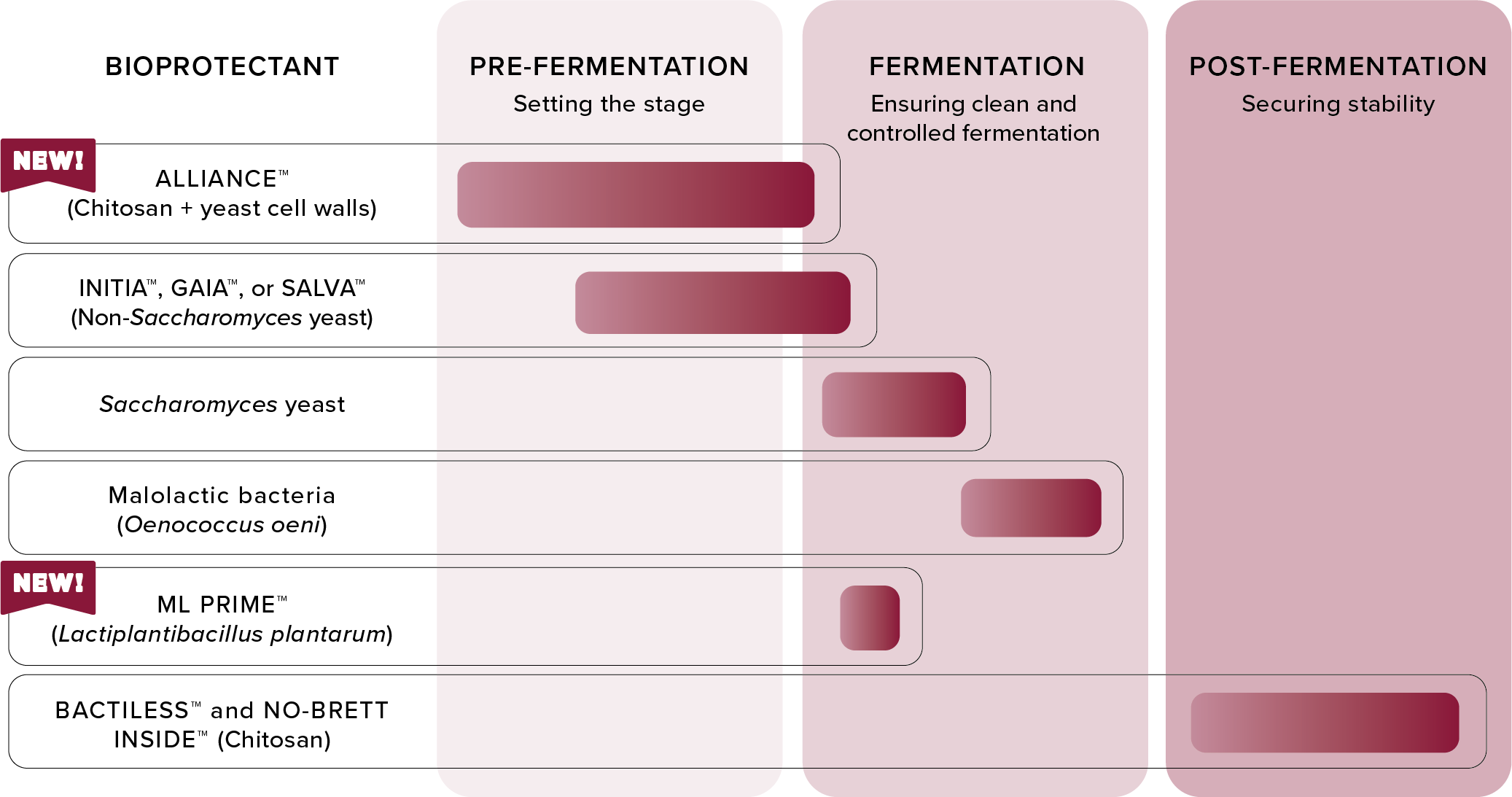
Pre-fermentation bioprotection tools can help control unwanted yeast and bacteria, limiting off-odors and flavors, and setting the stage for a clean fermentation. With so many options available, choosing the right tool for your winemaking style isn't always as straightforward. Basic Protection LEVEL2 INITIA™ (for whites and rosés) and IOC GAIA™ (for reds) are broad-spectrum Non-Saccharomyces yeasts that are ideal for protecting healthy fruit. They help control spoilage microbes and support a clean start to fermentation. Advanced Protection For damaged fruit or higher microbial pressure, stronger tools are needed. LEVEL2 SALVA™ (Suhomyces pyralidae) helps guard against Brettanomyces pre-fermentation. ALLIANCE™ (chitosan + yeast cell wall blend) is ideal when rot is present and spoilage organisms are unknown. Check out our entire portfolio of bioprotection tools and see how they may fit into your winemaking approach. Learn More
00
For years, the direct-to-consumer (DTC) model for wineries was built in clear, separate silos: the Tasting Room team poured and sold wine, the Wine Club team managed membership and retention, and the Marketing team focused on email, text campaigns, and social media engagement. Each department had its own set of responsibilities, tools, and goals. But the wine industry doesn’t look like it did a decade ago. With increased competition, rising costs, shifting consumer behavior, and the pressure of economic uncertainty, wineries can no longer afford to work in fragmented parts. While wineries may have multiple reasons and methods for reaching out, guests experience the brand as a single relationship. The new standard? To build trust and loyalty, outreach needs to feel seamless, coordinated, with a relationship-first approach driven by PCS: Personal Connection Strategies. From Silos to Synergy The PCS model isn’t just a philosophy—it’s a framework for unifying your D
00
July 1, 2025
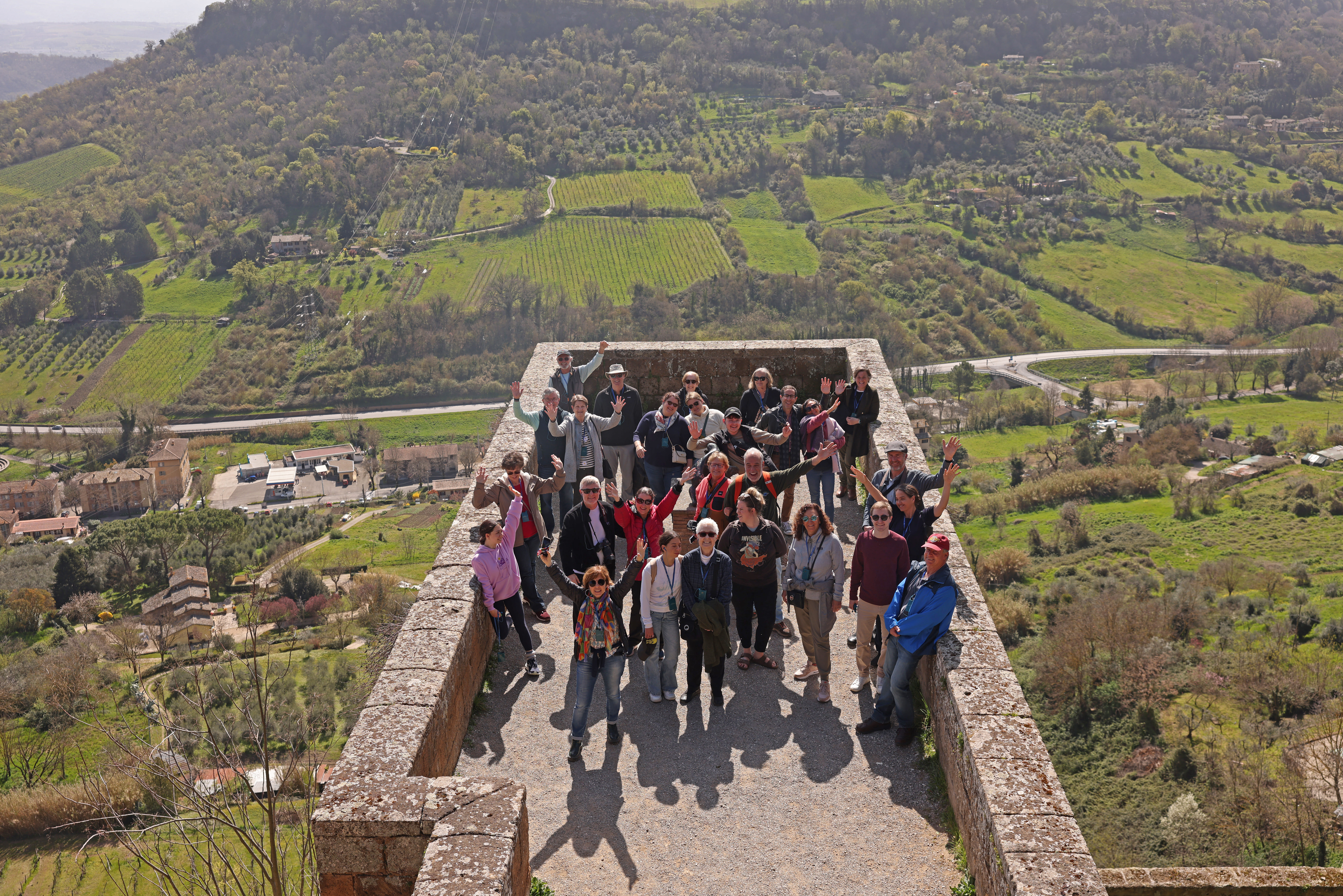
Let’s be honest: There’s a certain magic to pouring wine in your own tasting room—the clink of glasses, the sunlight through the vines, the laughter echoing off the barrel room walls. But what if you could bottle that magic and uncork it anywhere in the world? Today’s top-performing wineries aren’t just waiting for guests to walk through their doors. They’re packing their corkscrews and passports, finding their biggest fans where they live, work, and play—from the next city over to the far side of the globe. Welcome to the golden age of wine roadshows—and, now, globetrotting wine adventures! Why Travel? Because Wine Is About Connection Wine is the ultimate connector. It brings people together and creates memories, whether it’s a backyard BBQ in Austin or a sunset dinner on the Amalfi Coast. Your most devoted club members and best customers crave those connections—and they’re hungry (and thirsty) for experiences that go b
00

From Midnight Mocktails to Croatian Coasts: The Top Travel Trends Stealing Wine Country's Thunder As travelers eagerly plan their next getaways, the tourism landscape is shifting—fast. Driven by changing values, advancing tech, and global events, how we explore the world in 2025 looks very different than it did just a few years ago. From AI-crafted itineraries to wellness retreats designed around your sleep cycle, travel today is more curated, personal, and purpose-driven than ever. But while adventurers chase hot springs in Iceland and food tours in Tokyo, one classic destination is quietly slipping from the spotlight: wine country. Once a top choice for weekend getaways and special occasions, winery visits are on the decline. And for the wine industry, that’s more than just a hospitality hiccup—it’s a missed opportunity to turn curious sippers into lifelong fans. Understanding this season’s top travel trends isn’t just about keeping up. It&rsq
00
New Article: Winemaking Mannoproteins 101 Why Mannoproteins? Traditional lees stirring releases a broad range of mannoproteins from yeast cell walls, many of which can influence wine quality. While their primary function is to support colloidal stability, many winemakers also report additional benefits, such as improved mouthfeel and other enhanced sensory attributes. Selected mannoprotein preparations deliver this effect with greater precision. Selective & Targeted Unlike natural lees aging, purified mannoproteins are isolated for specific colloidal stabilizing benefits. Effective & Practical It can be added at specific stages without the need for extended aging or frequent stirring. Consistent & Controlled Provide reliable results without the variability of prolonged lees contact. READ THE FULL ARTICLE Featured Mannoproteins CLARISTAR® is a specialized mannoprotein for cold stability that prevents tartrate precipitation without refrigeration. FINAL TOUCH P
00
September 9, 2024
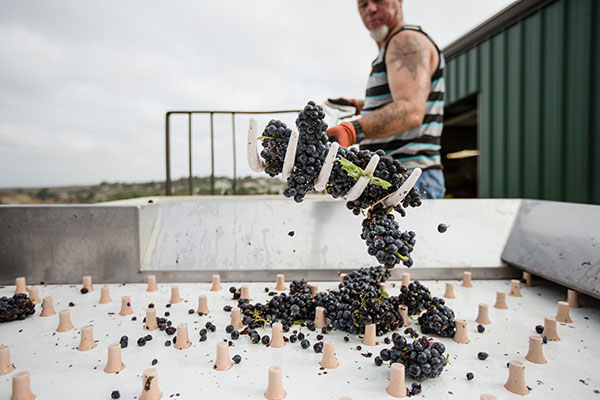
The 2024 wine grape harvest began on time in August, with Napa and Dry Creek Valleys starting in the first week and Livermore's white grape harvest beginning mid-month, two weeks earlier than last year. Other regions have also reported their season starts as the weather shifts from cool to hot, putting vineyard managers in a race against the clock to avoid sunburn damage. “With the California harvest well into picking what seems to be a beautiful harvest year, wineries are deeply into harvest preparation,” notes Eglantine Chauffour, the Director of Enology at Bucher Vaslin North America (B.V.N.A.). “By now, I’ve usually started hearing about specific challenges from our winemaker customers, but there have not been many this year beyond a few cases of sunburn. The harvest looks great, and when the vintage is perfect, as it's looking so far, we recommend a few things to optimize it.” A good time to think about replacing sulfur A successful vintage i
00
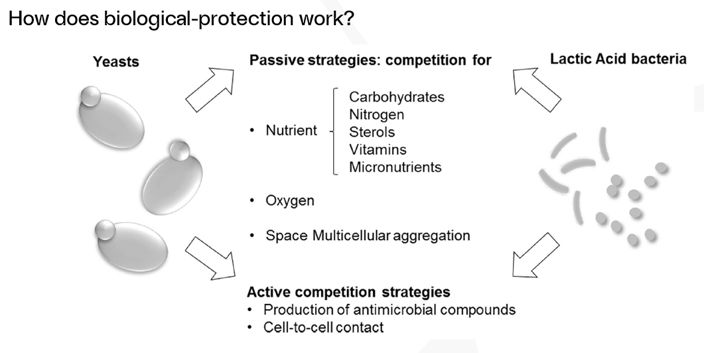
Winemaking is an art that has been perfected over centuries, yet there’s always room for innovation. One of the most exciting advancements in recent years is the use of bioprotection to enhance the quality and safety of wine. But what exactly is bioprotection, and how does it work? Let’s dive in! What is Bioprotection? Bioprotection in winemaking refers to the use of beneficial microorganisms to control the growth of unwanted microbes. This method leverages the natural antagonistic properties of certain bacteria and yeasts to create an environment that is unfavorable for spoilage organisms. How Does It Work? Passive Strategies 1. Competition for Nutrients - Beneficial microbes outcompete harmful ones for essential nutrients, effectively starving the undesirable organisms. 2. Space Occupation - By colonizing available spaces, these helpful microbes prevent spoilage organisms from finding a foothold. 3. pH Modification - Some bioprotective agents can alter the pH
00