
Filter Post Type
NewsVideoProductEventLink
Sort:
Most Recent
1–10 of 60
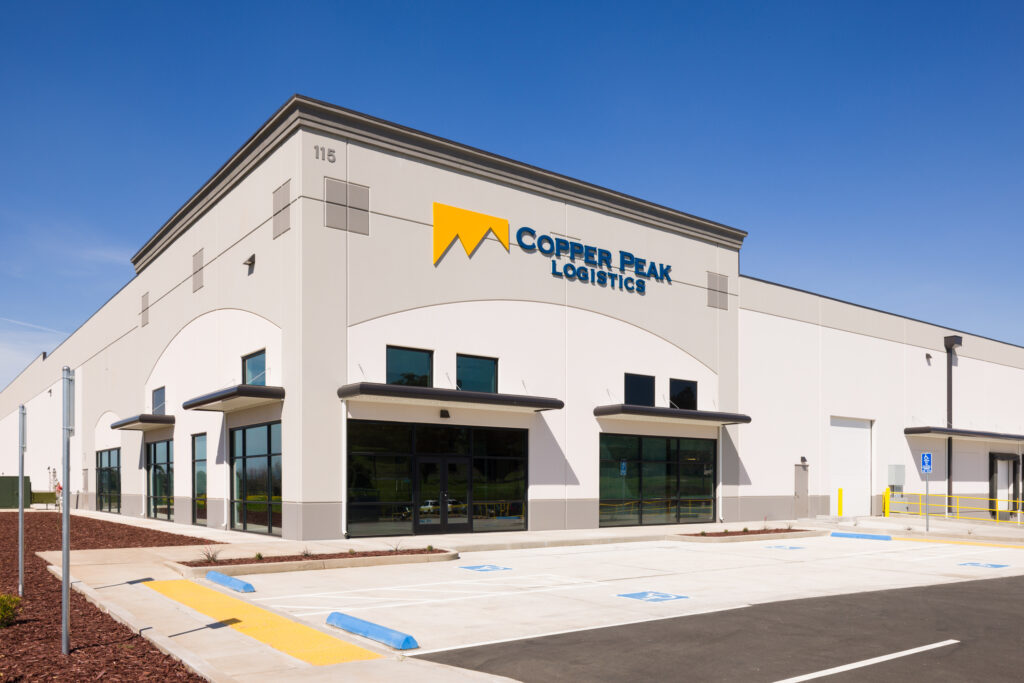
For wineries selling direct-to-consumer (DTC), fulfillment location plays a major role in wine shipping speed, cost, and the overall customer experience.
Copper Peak Logistics operates two strategically located wine fulfillment centers
in
Napa, California
and
St. Louis, Missouri
. Together, these facilities allow wineries to store, pack, and ship wine efficiently across the United States while maintaining the care required for beverage alcohol shipping.
By combining a
wine country fulfillment hub in Napa
with a
central U.S. shipping hub in St. Louis
, Copper Peak Logistics helps wineries reach most U.S. customers within one to two days.
Napa, California: Wine Shipping Fulfillment in the Heart of Wine Country
Copper Peak Logistics’ Napa fulfillment center is located directly in the Napa Valley, and in a very convenient location for Sonoma County wineries. This location allows wineries throughout
N
00

For most wineries, marketing still follows a familiar path: email campaigns, wine clubs, tasting room experiences, and social media. These channels continue to drive direct-to-consumer sales, but they are also becoming increasingly saturated. Reaching new customers often requires more content, more spend, and more competition for the same audience. At the same time, another force is shaping consumer behavior at scale—film and television. A single streaming series can influence travel, dining, fashion, and brand awareness almost overnight. Within those moments, wine is already present. It appears in dinner scenes, celebrations, restaurants, and quiet evenings at home, serving as a natural extension of lifestyle and hospitality. Historically, however, the bottles used on screen have rarely represented real wineries. That is beginning to change. Wine product placement is emerging as a viable and strategic marketing channel for wineries looking to expand beyond traditional touchpoin
00

Five years ago, running a winery on Shopify meant duct-taping a lot of things together. Great for e-commerce. Okay for DTC. Difficult for wine clubs. Not really designed for tasting rooms. That's changed. The combination of Shopify's platform investments and a handful of wine-specific apps has created something genuinely new: a single operational stack that connects your tasting room, your wine club, your online store, and your loyalty program under one customer record. That convergence has real operational consequences — and it's why an increasing number of wineries are consolidating everything onto Shopify. Here's what's actually different. Your Card on File, Finally Done Right One very frustrating limitation of running a winery business on Shopify used to be simple: Shopify didn't let you vault a customer's payment card and charge it later for anything other than a subscription — not from your POS or your back office or sales team for one-tim
00

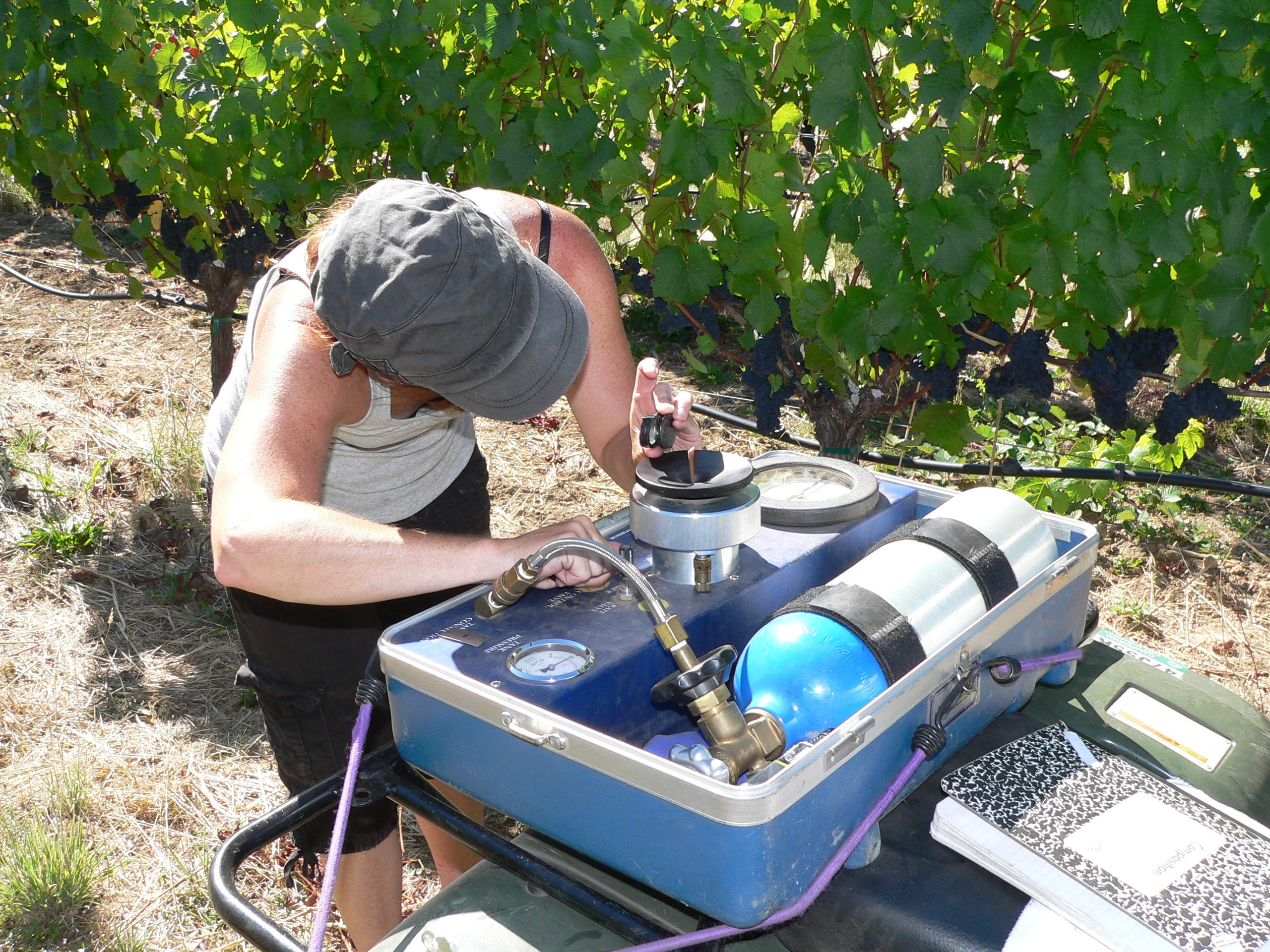
Two years ago, I wrote an article on AI in the vineyard for WBM. Feel free to read that article here…if you want. Otherwise, my basic argument was that although AI will eventually play a role in how we farm grapes, it’s a long way off compared to other industries and even other crops. We who grow grapes are the last ones to see such innovation. And since then, AI has grown exponentially. If two years ago you were playing around with Chat GPT to create bizarrely distorted images and learn about tax loopholes, you can now go onto the likes of Claude and have it just create a website for you from a single prompt. Chatbots like this have essentially eliminated the need for entry-level coders. However Claude is a computer, so it makes sense that it’s gotten very good at writing code for other computers. Similarly Chat GPT has digested the entire internet, and curates any answer for you by plucking it from its vast network of information. Sometimes its correct, and other t
00

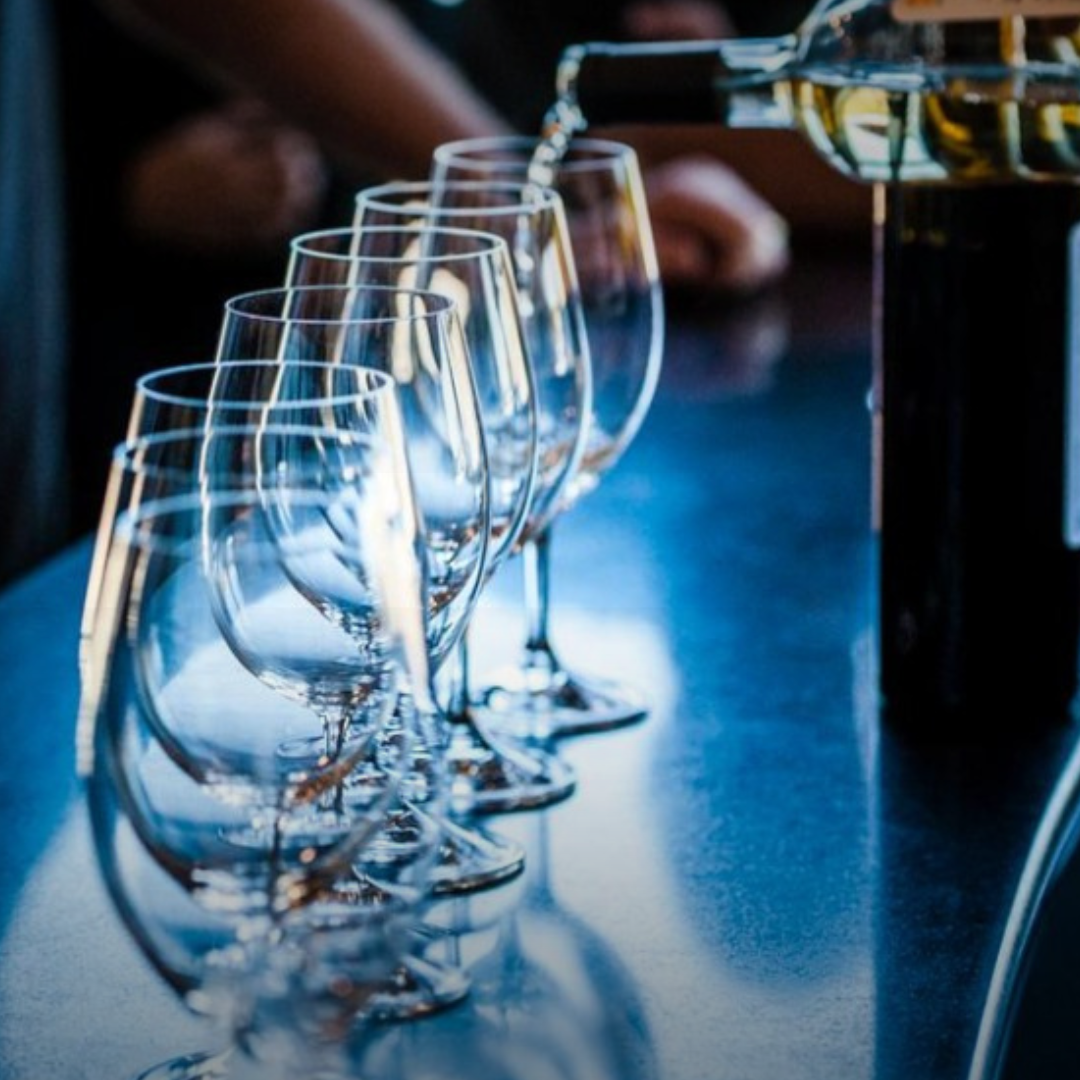
When a Washington winery transitions to Shopify POS, the visible experience in the tasting room doesn’t change dramatically. Guests are still welcomed. Wine is still poured. Bottles are still sold. What changes is operational structure. For many wineries in WA, POS, ecommerce, wine club management, and event sales have evolved independently over time. The result is often fragmented inventory, duplicate reporting, manual discount adjustments, and reconciliation across multiple systems. A unified POS and ecommerce platform shifts that dynamic. Inventory lives in one environment. Online and in-person sales draw from the same pool. Wine club profiles are accessible at checkout. Member discounts apply automatically. Reporting reflects consolidated channel data instead of stitched-together exports. The impact isn’t cosmetic, it’s operational clarity. In practical terms, wineries typically see: Reduced inventory discrepancies&n
00
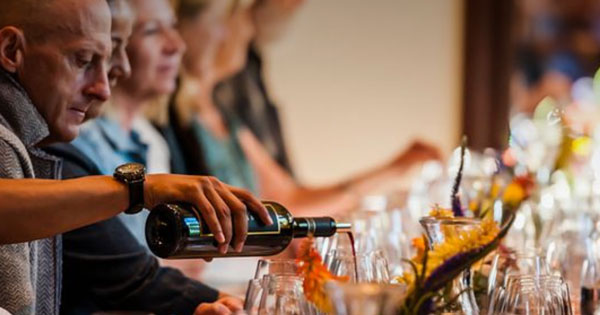
A question I’ve been thinking about lately: Do your tasting room systems actually work together, or do they just coexist? For many small WA wineries, the setup feels fine on the surface. You launch ecommerce. You add a POS. You manage your clubs. You run reports. Sure everything functions. But a few deeper questions tend to reveal where things get… shall we say, murky. Does tasting room purchase history show up cleanly in online customer records? If someone joins your club at the counter, does that status automatically reflect in your segmentation? When inventory changes, does every channel update right away? Can you pull one report that includes tasting room, online, and event sales - and trust it? Or is the answer sometimes… “Well… kind of.” That “kind of” is where small inefficiencies hide - extra exports, reconciliations, double-checking report
00
Tasting rooms and clubs expose the gaps Most platforms handle the basics well. The real differences show up when things get busy — and clubs get big. What wineries often run into: POS built for retail, not hospitality Club workflows that don’t scale cleanly Online orders and in-person activity living in separate worlds Platforms like Commerce7 and OrderPort support many wineries successfully. But as tasting rooms, events, clubs, and online sales grow together, how well systems truly work together starts to matter. Activ8 Commerce was built for this reality. A browser-based POS designed for real tasting rooms, enterprise-ready club tools, and a Shopify integration designed to work seamlessly with clubs, POS, and reporting — not as a disconnected storefront. The result: Faster, better, personalized service Hospitality wher eit matters with table seating, kitchen and bar printing, food modifiers and TOCK reservations. Less staff stress One consistent customer
00
January 16, 2026
The 2026 State of the U.S. Wine Industry Report, published by Silicon Valley Bank and authored by Rob McMillan, provides a comprehensive, data-driven assessment of current conditions in the U.S. wine market. Built on more than 25 years of industry research, the report combines results from SVB’s annual winery survey, its Direct-to-Consumer (DTC) survey, demographic and cohort consumption modeling, and a wide range of third-party wholesale, retail, and population datasets. The conclusion is clear: while the industry continues to face structural headwinds, wineries are not experiencing these conditions equally. A widening performance gap has emerged between those adapting to changing demand and those struggling to do so. 2025 Performance: A Difficult Year for Many By nearly every measure, 2025 was a challenging year for the U.S. wine industry. Roughly half of the surveyed wineries rated the year negatively, citing slowing demand, rising costs, margin pressure, and inventory ch
00
November 24, 2025
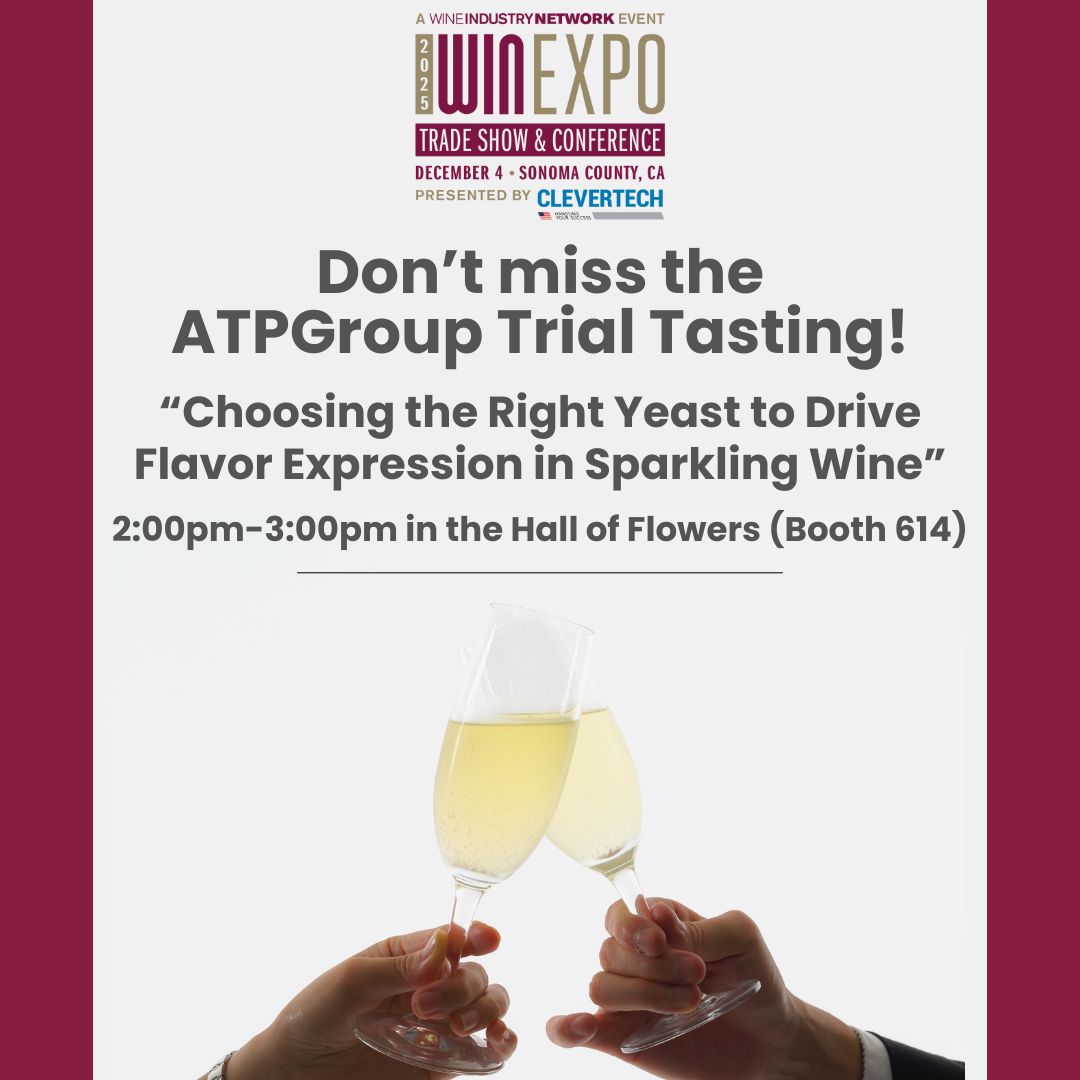
Sparkling wine is one of the most expressive and technically demanding wine styles. Its character begins with the grape variety, the vineyard, and the production method, but the final sensory signature depends heavily on yeast. Yeast acts as the invisible winemaker, shaping aroma, flavor, texture, and bubble structure throughout both primary and secondary fermentations. Different strains of Saccharomyces cerevisiae behave very differently under the challenging conditions of sparkling wine production. Low pH, increasing alcohol, and high pressure create an environment where only the right strains thrive. Equally important, each strain varies in its ability to create and release the flavor compounds that drive complexity and define style. When secondary fermentation takes place in the bottle and is followed by proper riddling, the yeast has an even greater influence on the final profile. To help winemakers better understand the impact of yeast selection, ATPGroup conducted a focused tria
00

Facebook/Meta: Turning Fans into Wine Club Members Expanding on insights from our Wine Club Scorecard, this post explores one of the most underused yet powerful tools for wine club growth: Facebook. While platforms like TikTok and Instagram often grab attention, Facebook remains one of the most effective drivers of wine club engagement and conversion when paired with Meta’s advanced targeting and advertising tools. With 72% of wine consumers aged 35–65 actively using Facebook, this is not just a social network—it’s an opportunity to build real relationships, deepen loyalty, and guide new members into your wine club. Yet most wineries still treat Facebook as a newsfeed instead of a growth engine. Sporadic posts, static bottle shots, and low engagement can’t compete with a thoughtful strategy that uses Facebook the way it was meant to be used: to connect, converse, and convert. Let’s explore how to turn Facebook into a true wine club acquisition chann
Wine Club GrowthWine Club MarketingFacebook for WineriesMeta AdvertisingWine Club AcquisitionSocial Media Strategy for WineriesDigital Marketing for WineriesWine Club RetentionFacebook AdsWinery Community BuildingCustomer EngagementHow to Grow a Wine Club with FacebookBest Facebook Strategies for WineriesWinery Marketing Tips 2025Using Meta Ads to Increase Wine Club MembershipWine Industry Marketing InsightsWine Club ScorecardWIN Series 2025DTC Wine MarketingvinSUITE Insights
00