
Filter Post Type
NewsVideoProductEventLink
Sort:
Most Recent
1–10 of 48
Event Type: Seminar
Location: Condor's Hope Vineyard, 12340 Foothill Rd New Cuyama, California 93254
Date: 4/28/2026
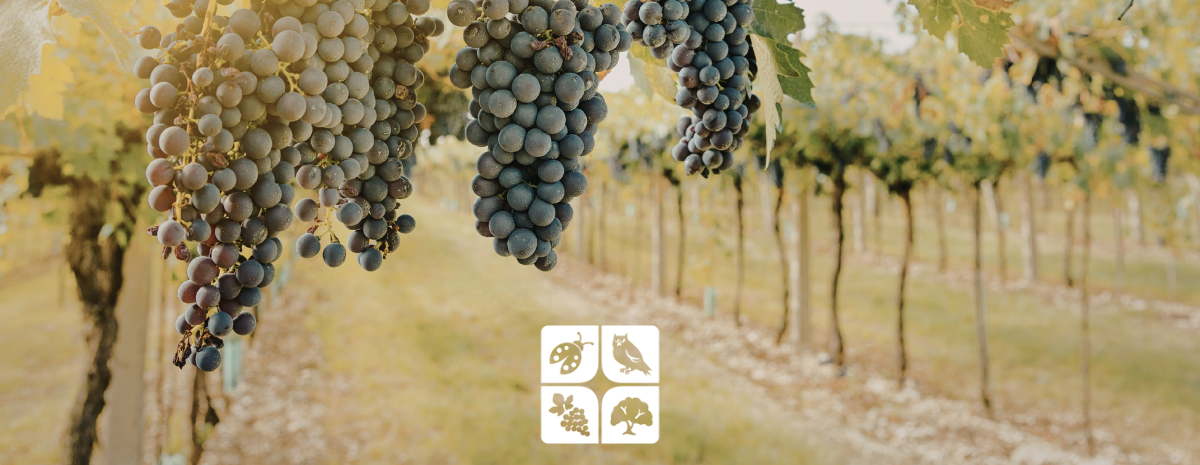
Tour Condor’s Hope Vineyard in the Cuyama Valley and see how a dry-farmed vineyard can succeed in an arid landscape. Steve Gliessman will share insights on vineyard design, rootstock selection, and establishment practices that help set vines up for long-term resilience. Learn how soil cultivation techniques can maximize storage of limited rainfall, along with other farming practices tailored to this unique site. Transportation is provided. Please select the carpool transportation option when registering if you plan to ride with the group. Itinerary: 8:00-9:00 am - Pick up at Santa Maria Speedway 9:00-11:00 am - Tour at Condor's Hope Vineyard 11:00 am-12:00 pm - Drop off at Santa Maria Speedway REGISTER Pick up location for carpool transportation: Santa Maria Speedway, 1900 Hutton Rd, Nipomo, CA 93444 This meeting is funded by the Department of Water Resources and is a collaboration between CSWA and CAFF. &nbs
00

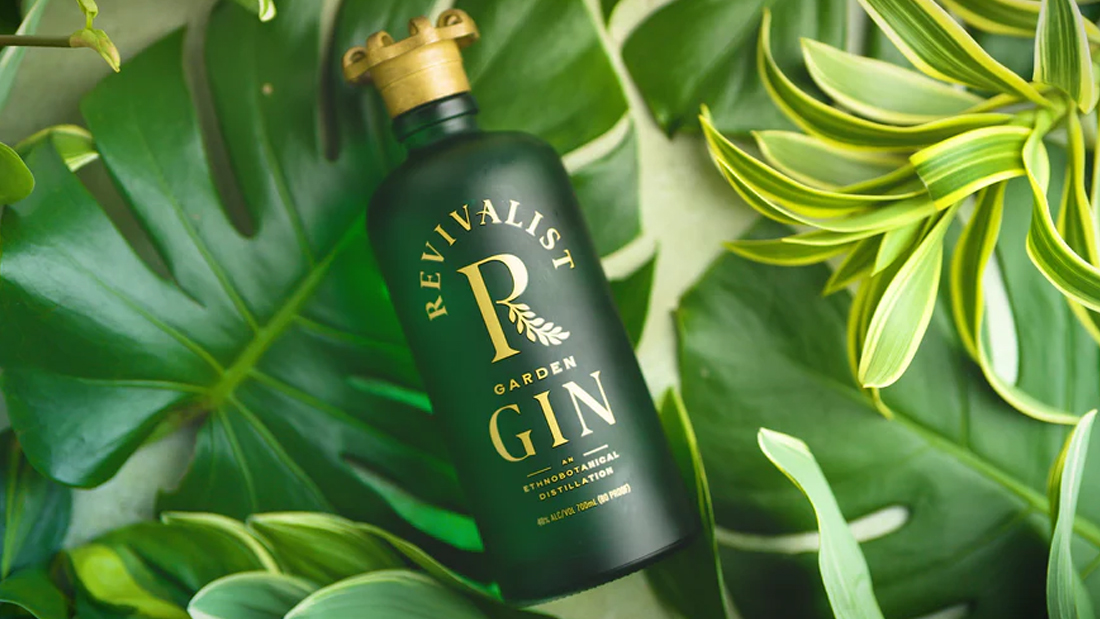
The wine and spirits industry is standing on the precipice of a major design evolution. For years, “premium” was defined by weight, excess, and tradition. For 2026, a new definition of luxury is emerging; one that values intelligence over mass, and tactile storytelling over simple visual appeal. For brand owners and procurement leaders, staying ahead of these glass packaging trends in 2026 is no longer just about aesthetics; it is a matter of strategic survival. From the rise of “quiet luxury” and right-weighted glass to the complex pressures of global supply chains, the packaging decisions made today will define brand resilience tomorrow. In this forecast, we explore how sustainable luxury, ergonomic innovation, and smart supply chain strategies are reshaping the premium landscape, and how Global Package provides the specialized glass solutions needed to help you navigate this future. The State of Glass Packaging for Wine & Spirits At Global Package, we&r
00
January 22, 2026
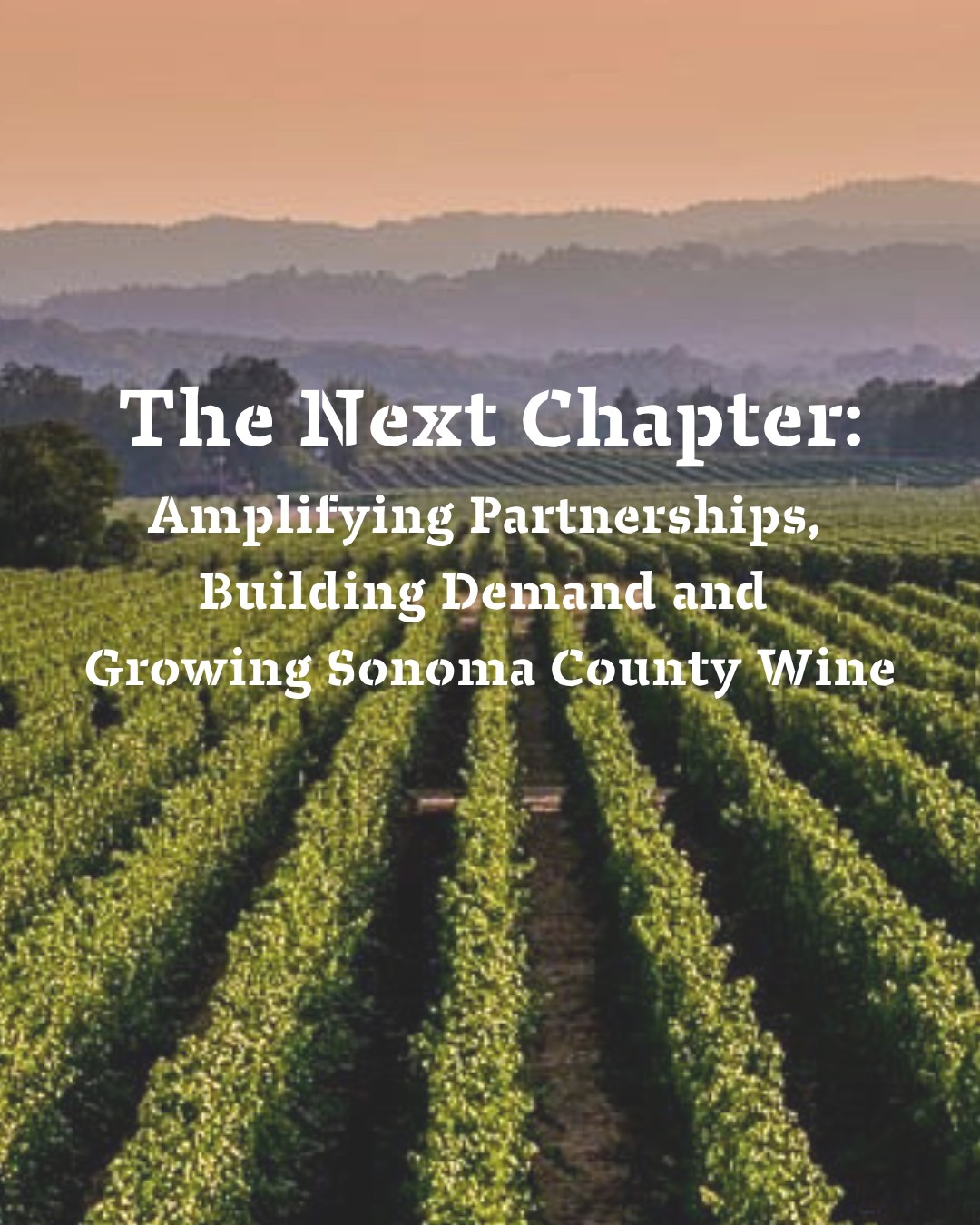
Sonoma County Winegrowers Reorganizes to Scale Proven Collaborations and Unlock National Growth Opportunities At its annual Dollars & $ense meeting today, themed, “The Next Chapter: Elevating What Works and Expanding What’s Possible,” Sonoma County Winegrowers (SCW) announced a strategic reorganization and renewed organizational focus to build demand, expand partnerships, and increase sales of Sonoma County wines to support long-term grower success. The moves reflect a proactive response to an evolving marketplace and are designed to ensure Sonoma County remains competitive, relevant, and well-positioned for future growth. Moving forward, Jennifer Dieckmann, currently Chief Operating Officer of Sonoma County Winegrowers, will assume the role of Executive Director and COO, leading the organization’s day-to-day operations, program execution, and team leadership, while maintaining operational excellence and strengthening grower and stakeholder engagement
00

October 23, 2025
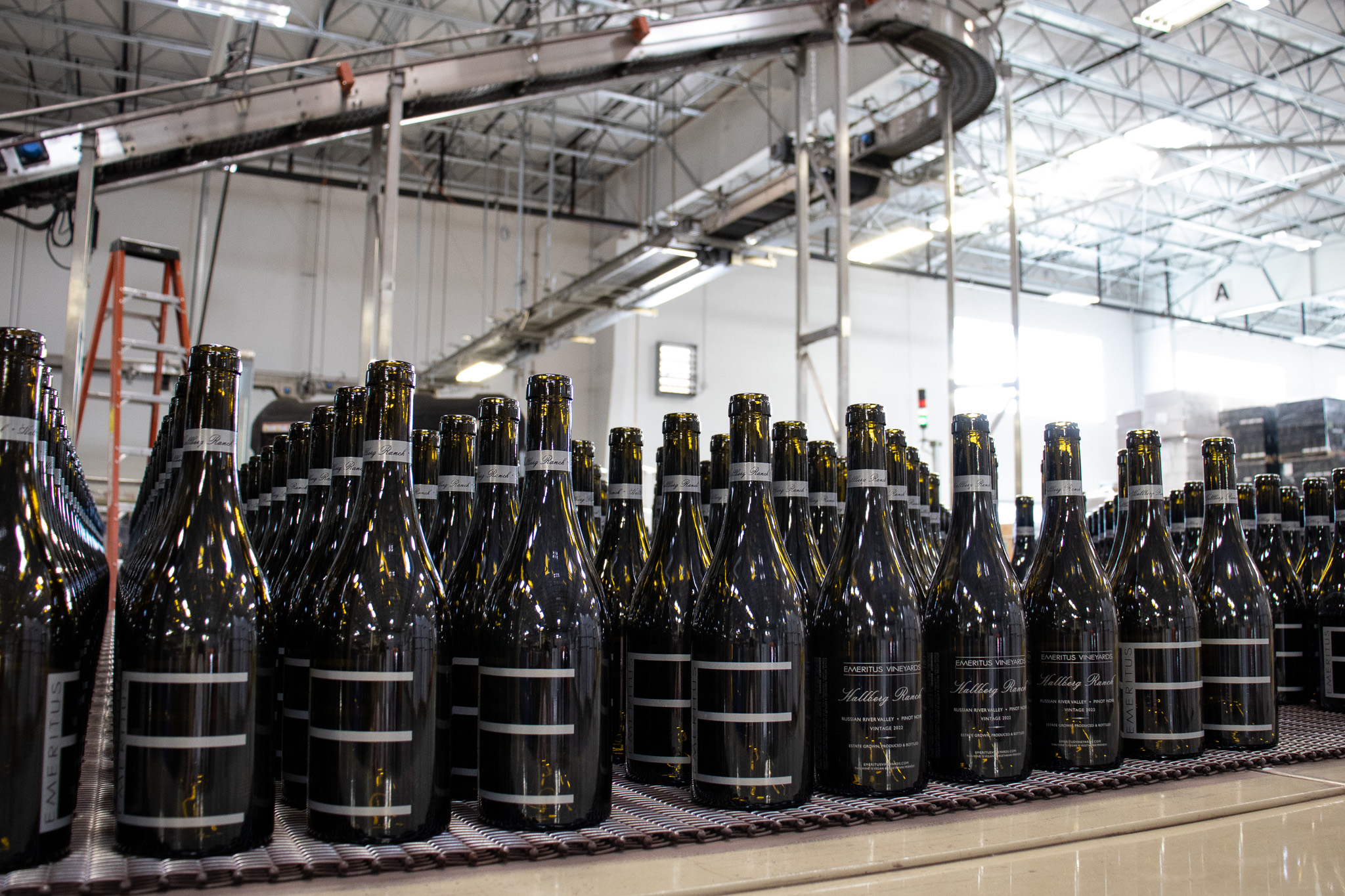
Sustainability isn’t just influencing how wine is made. It’s transforming how it’s packaged, shipped, and shared. From lighter bottles to foil-free designs, eco-conscious packaging has become more than an environmental choice - it’s a smart business strategy. Discover how wineries are transforming their packaging practices to meet new consumer expectations and regulatory realities, and how Bergin is helping them do it. In this article, you’ll learn: What’s driving the shift: Why sustainability has become essential for California wineries and how regulations, supply chain challenges, and consumer values are reshaping the industry. The new wine buyer mindset: How Millennial and Gen Z consumers are influencing packaging trends - and why they’re willing to pay more for eco-friendly bottles. Trends redefining the bottle: From lightweight recycled glass to minimalist label design and foil-free branding, explore innovations that blend sustainabil
00
October 13, 2025
If you’ve been in the wine business long enough, you know the rhythm of harvest tends to repeat itself — until it doesn’t. A Changing Vineyard and Cellar Landscape This year, growers and winemakers across California are still navigating tough choices. With less demand and smaller contracts, some fruit is being left on the vine or sold off early, and many wineries are cutting back crush volumes simply because cellar space and cash flow are tight. Others are consolidating vineyard blocks, farming for vine health instead of yield, or pausing replanting until the market finds its balance. Inside the cellar, the picture isn’t much different. Tanks are full, case sales are slower, and every square foot of storage matters. As a result, more wineries are stretching existing barrel inventory another season, delaying new oak purchases, and relying on recoopered and used barrels to stay flexible without adding unnecessary costs. And the pattern reaches well beyond Californ
00
October 9, 2025
In California, water scarcity is an ever-growing concern, and as droughts become more frequent, it’s vital that our landscapes adapt. At Allen Land Design, we’re passionate about creating outdoor spaces that not only look beautiful but are also resilient and sustainable. When designing landscapes for wine country or any drought-prone region, the goal is to choose plants, materials, and techniques that conserve water while enhancing the beauty and functionality of the space. Xeriscaping—the practice of using drought-tolerant plants and water-efficient design—is the cornerstone of sustainable landscaping. Plants like lavender, succulents, and ornamental grasses are perfect for the dry conditions of Sonoma County, adding texture, color, and movement without relying on excessive water. One of our favorites, the California native sage, is not only stunning with its silvery leaves but is also a magnet for pollinators, helping support local wildlife. Beyond plant
00
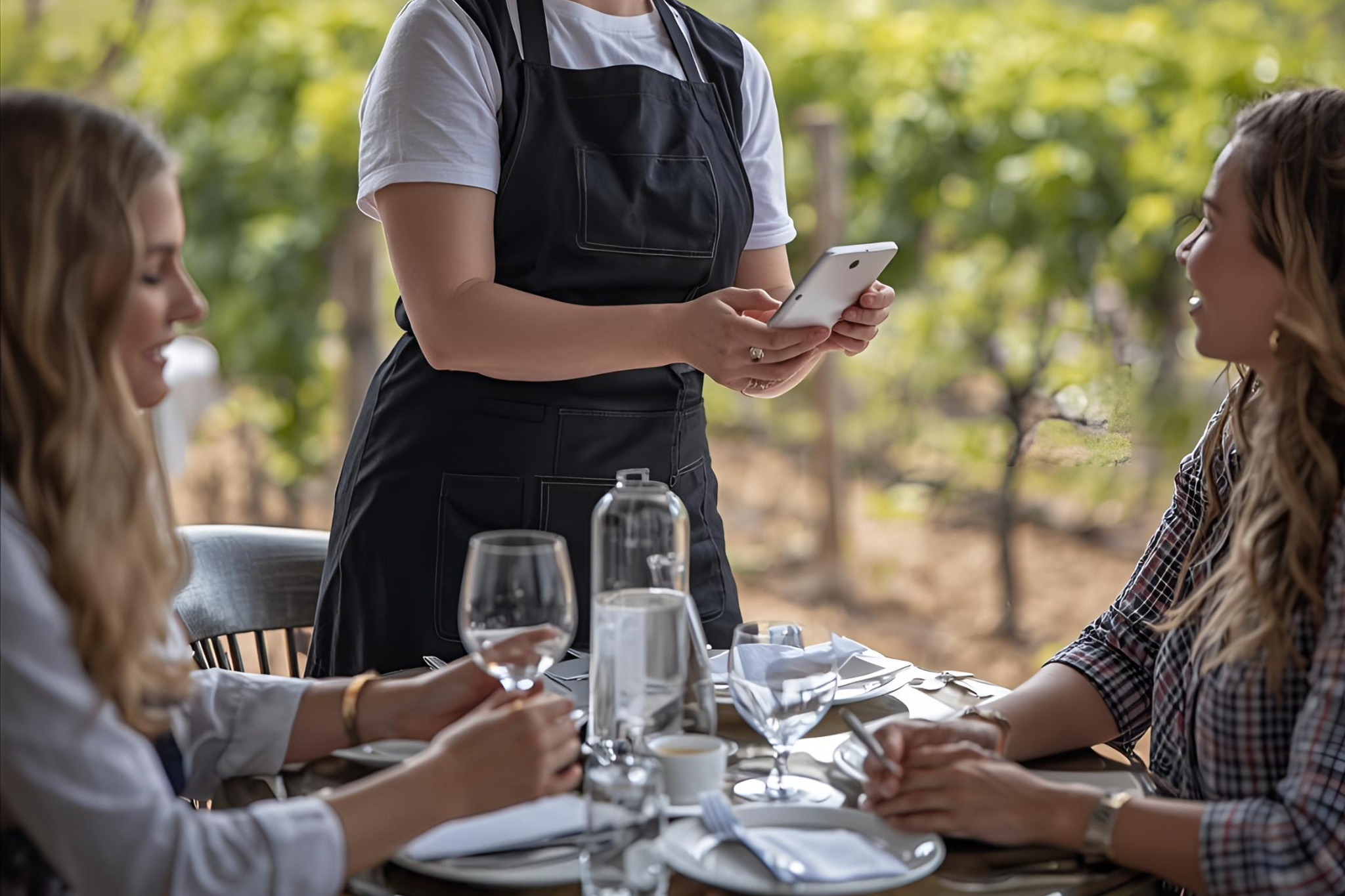
Great wine brings people to your winery. Great service brings them back. And today, nothing elevates service like a Point-of-Sale (POS) that lets you meet guests anywhere, from the vineyard lawn to a bustling festival. In today’s DTC landscape, the tasting room is no longer the only in-person touchpoint that matters. Wineries are hosting vineyard tours, pouring at festivals, working farmers’ markets, and even running golf-cart service to meet guests where they are. But here’s the problem: too many wineries are stuck with outdated point-of-sale systems that can’t keep up. If your team is tethered to a counter or juggling multiple systems, you’re not just slowing down service—you’re losing sales, missing data, and eroding customer trust. The solution? A mobile POS for wineries that makes every interaction seamless, personal, and connected. Why Flexibility Matters in Winery Service Hospitality is the heartbeat of any winery. Guests expect warm, pe
00
June 18, 2025
Most wineries get influencer marketing wrong. They partner with wine influencers, people whose entire brand is sipping wine on camera, swirling glasses, and rattling off tasting notes. The problem? They’re talking to people who already love wine. That’s not where growth happens. The younger generation of drinkers isn’t seeking out wine content. But they are following influencers who shape their choices about food, travel, design, and experiences. The smart wineries, the ones who will win the next decade, aren’t just looking for people who talk about wine. They’re finding the ones who shape how young consumers live. This is how you reach them. Who Actually Sells Wine? Think about the last time you tried a new restaurant, a new recipe, a new brand. Did you discover it because someone told you to? Or because you saw someone you trust experience it? That’s the difference between marketing and influence. For wineries, the best influencer partnerships com
00
May 20, 2025
Sonoma County is home to a remarkable array of native plants, each contributing to the rich tapestry of our local ecosystems. These plants are not only beautiful but also play a critical role in sustaining the health of our environment. From the rugged coastal ranges to the sun-soaked valleys of wine country, Sonoma’s native plants have evolved to thrive in our Mediterranean climate—making them ideal for sustainable and low-maintenance landscaping. Native plants are uniquely adapted to the soil, rainfall, and temperature of their home region. This means they require less water, fewer chemical inputs, and minimal maintenance compared to non-native species. In landscaping, that translates to less work for property owners and more harmony with the environment. Seven Native Plants Ideal for Sonoma County Landscapes 1. California Poppy (Eschscholzia californica) Hearty as they are iconic, our state flower thrives in full sun and well-drained soil. Its bright orange blooms are a
00

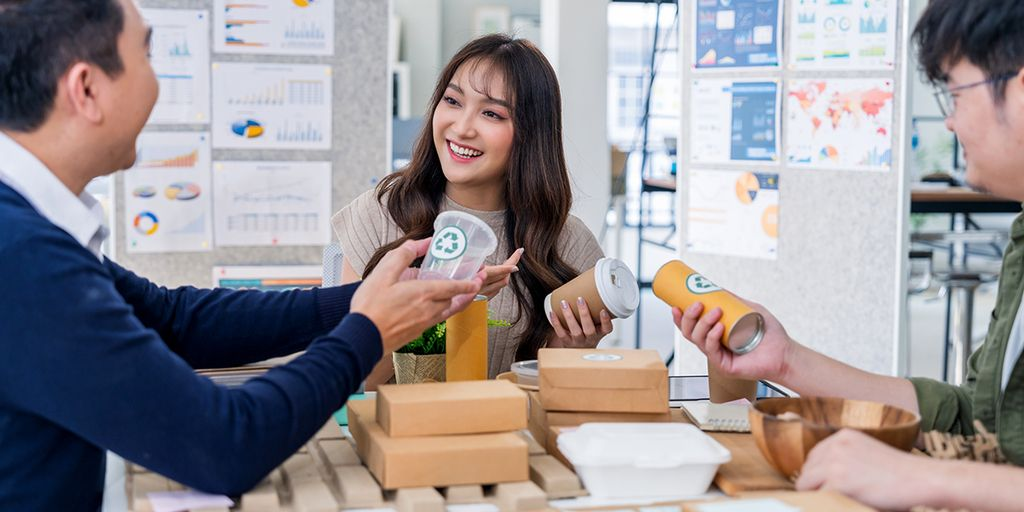
Reuse and refill systems, materials science and circularity are driving growth and differentiation Sustainability in packaging is no longer “nice-to-have” — it’s a core expectation for businesses and consumers alike. As global regulations tighten, supply chains evolve and consumer preferences shift toward responsible products, brands are under pressure to deliver sustainable solutions without compromising performance or aesthetics. At Berlin Packaging, we’ve made it our mission to help brands navigate this complex landscape. Below are some of the most pressing questions about sustainability in packaging and insights into how we’re driving innovation to meet the challenges of today and tomorrow. Q: What sustainability trends are shaping the future of packaging? Several key trends are redefining the landscape. The rise of reuse and refill systems is prominent, particularly in beauty, personal care, home care and even some food sector
00