
Filter Post Type
NewsVideoProductEventLink
Sort:
Most Recent
1–10 of 35
Why Wineries Are Leaning Into Technology for Growth Wine Has Finally Caught Up to Ecommerce Wine has always operated differently from the rest of ecommerce. Most industries follow similar patterns. They invest in digital acquisition, optimize conversion, and build systems that scale. Wineries never really did. Between compliance, wine clubs, tasting rooms, and long-standing industry habits, wineries built their businesses around in-person relationships, not online performance. Because of that, wine has historically been underserved by modern ecommerce tools. Platforms weren’t designed for how wineries actually operate, so wineries adapted by working around those limitations instead of solving them. That’s starting to change. Shopify has quickly become a leading ecommerce platform for wineries looking to modernize how they sell wine online. Checkout is faster thanks to Shop Pay Building and updating curated customer experiences is easier The platform integrates with tools that handle
00
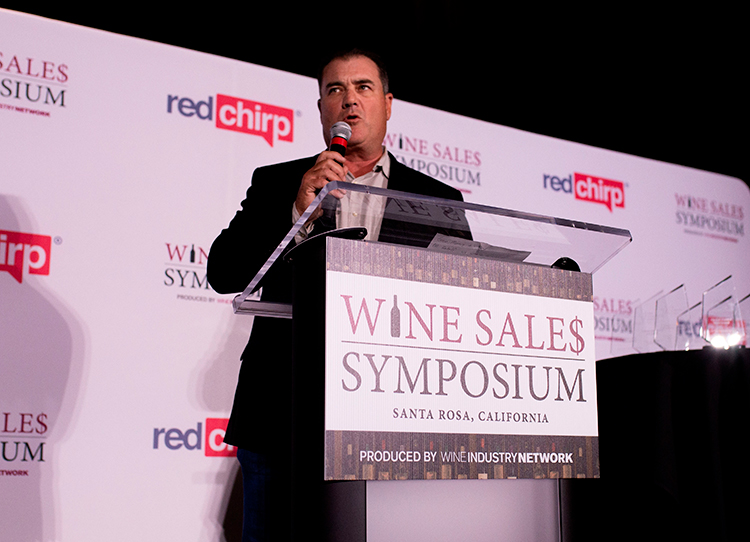
Winery leaders and industry experts explore the strategies shaping the future of wine sales. The wine industry narrative over the past two years has been dominated by decline: falling consumption, shrinking distributor portfolios, and weakening consumer loyalty. The headlines suggest an industry in freefall. But the reality is more nuanced - and more useful. Yes, overall wine consumption continues to face pressure. Consumer behavior is fragmenting in ways that challenge traditional approaches. But the full story isn’t simply decline. It’s divergence. Some wineries are still growing. Some categories are holding steady while others contract. Some sales channels are thriving while others struggle. The difference often comes down to whether wineries have adapted their strategies to match the market that exists today, not the one that existed three years ago. At Wine Industry Network’s Annual Wine Sales Symposium on May 13, Dr. Chris Bitter will present research on what’s actually happening
00
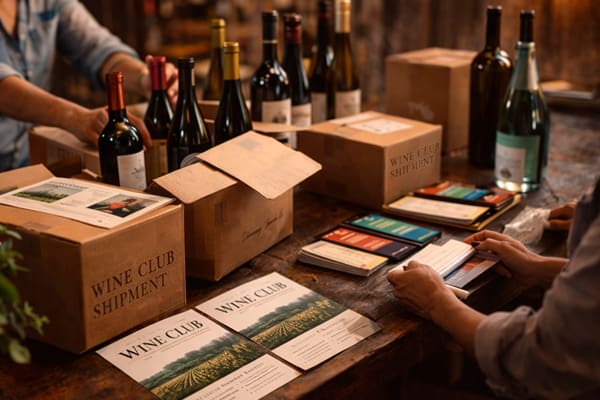
Why Wine Clubs Aren’t Working, And What’s Replacing Them For many wineries, the biggest challenge today isn’t attracting new customers; it’s keeping the ones they already have. Wine clubs once represented the most stable revenue engine for wineries. Members signed up, shipments went out quarterly, and predictable revenue flowed in. It was the foundation of direct-to-consumer success. But that foundation is cracking. Recent industry data reveals a troubling trend: nearly 40% of wine club members cancel within the first year. In a market where customer acquisition costs are climbing, and competition for attention has never been fiercer, losing members at this rate isn’t just a retention problem; it’s a profitability crisis. The math is unforgiving. If acquiring a new club member costs hundreds of dollars in marketing, tasting room labor, and incentives, losing them before they’ve generated meaningful lifetime value means wineries are bleeding money with every signup. And yet, some winer
00
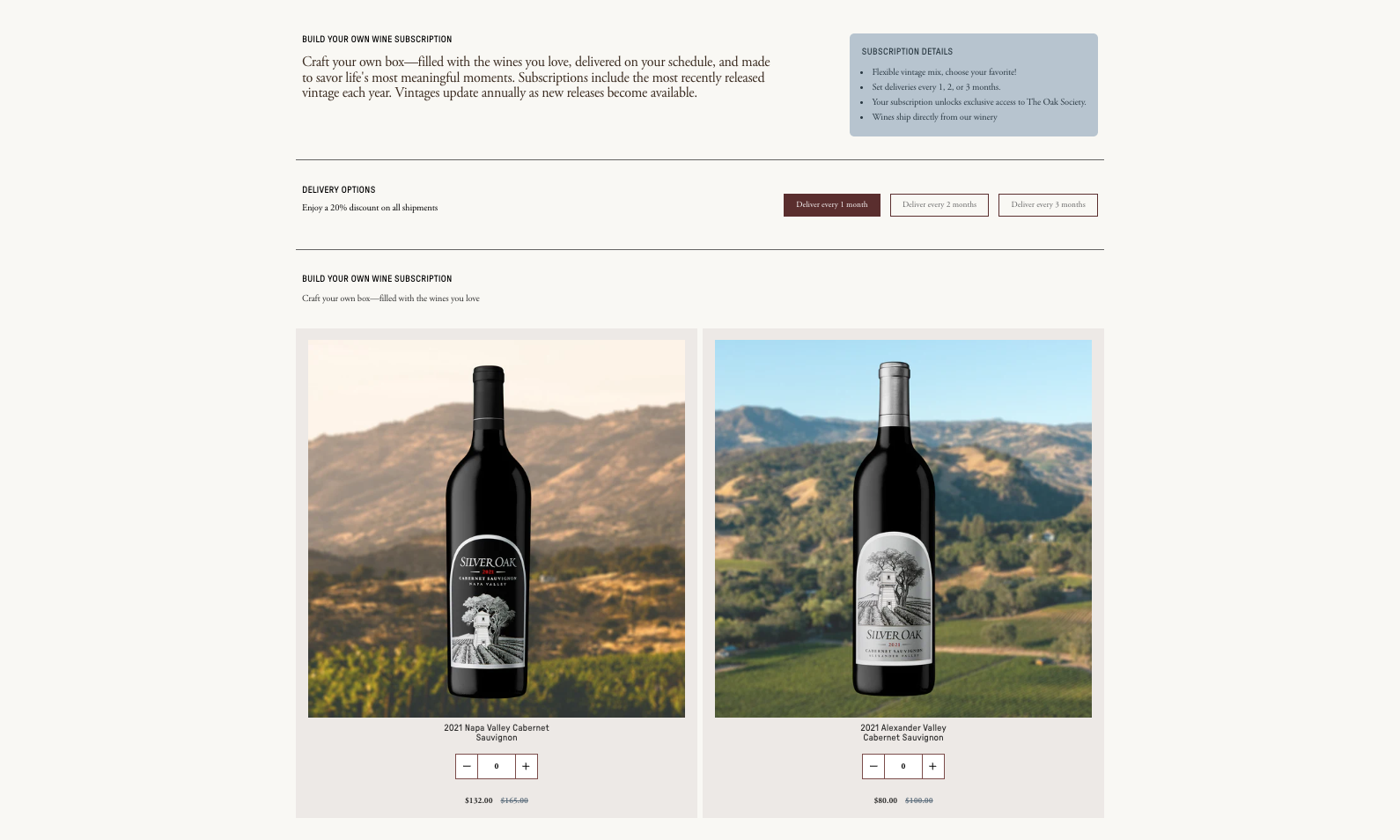
Five years ago, running a winery on Shopify meant duct-taping a lot of things together. Great for e-commerce. Okay for DTC. Difficult for wine clubs. Not really designed for tasting rooms. That's changed. The combination of Shopify's platform investments and a handful of wine-specific apps has created something genuinely new: a single operational stack that connects your tasting room, your wine club, your online store, and your loyalty program under one customer record. That convergence has real operational consequences — and it's why an increasing number of wineries are consolidating everything onto Shopify. Here's what's actually different. Your Card on File, Finally Done Right One very frustrating limitation of running a winery business on Shopify used to be simple: Shopify didn't let you vault a customer's payment card and charge it later for anything other than a subscription — not from your POS or your back office or sales team for one-tim
00
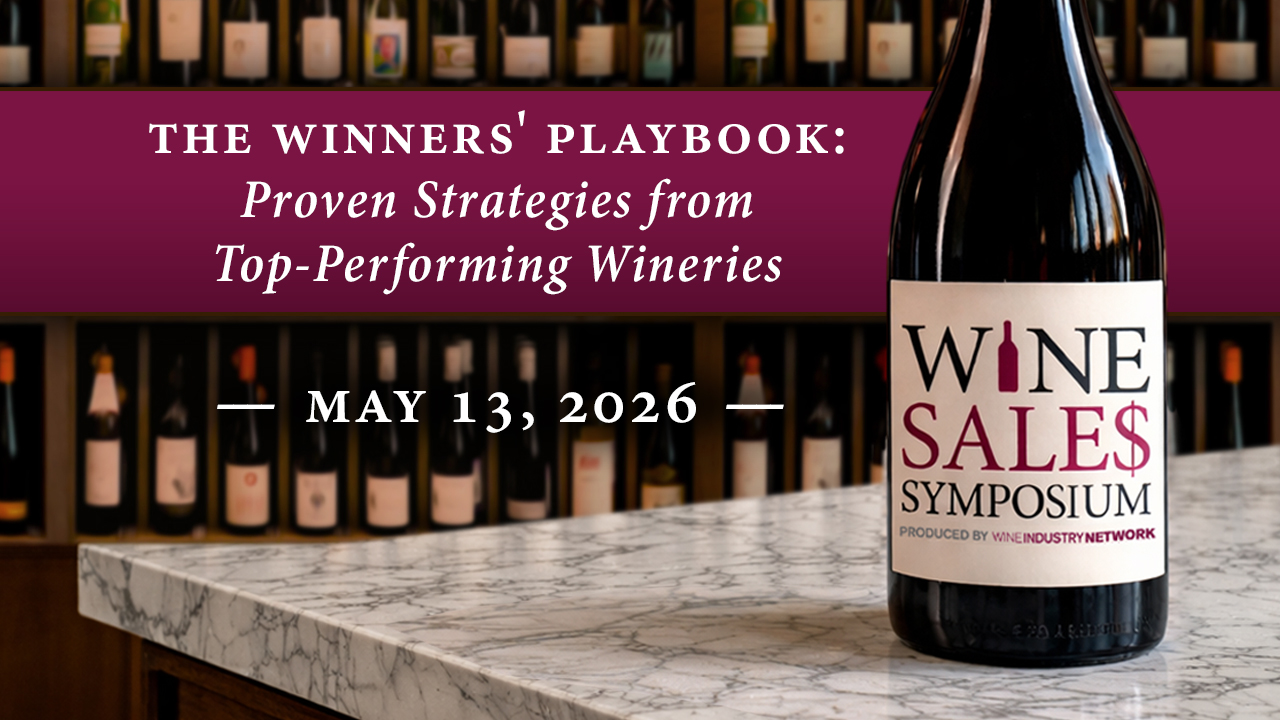
Join winery leaders and industry experts to explore the strategies shaping the future of wine sales. The wine industry is entering a period of significant change. Consumer behavior is shifting, visitation patterns are evolving, and the traditional paths to market are being redefined. To succeed in this environment, wineries must rethink how they attract customers, build lasting relationships, and grow their brands. The Wine Sales Symposium, taking place on Wednesday, May 13, brings together winery leaders and industry experts for a full day focused on the strategies shaping wine sales today and in the years ahead. This year’s program explores critical topics that will cover: • Hospitality Innovation: Reimagining tasting room experiences to attract Millennials and Gen Z through values-driven programming, experiential design, and strategic partnerships • Wine Club and Customer Retention: Data-driven approaches to reducing churn, building membership value,
00
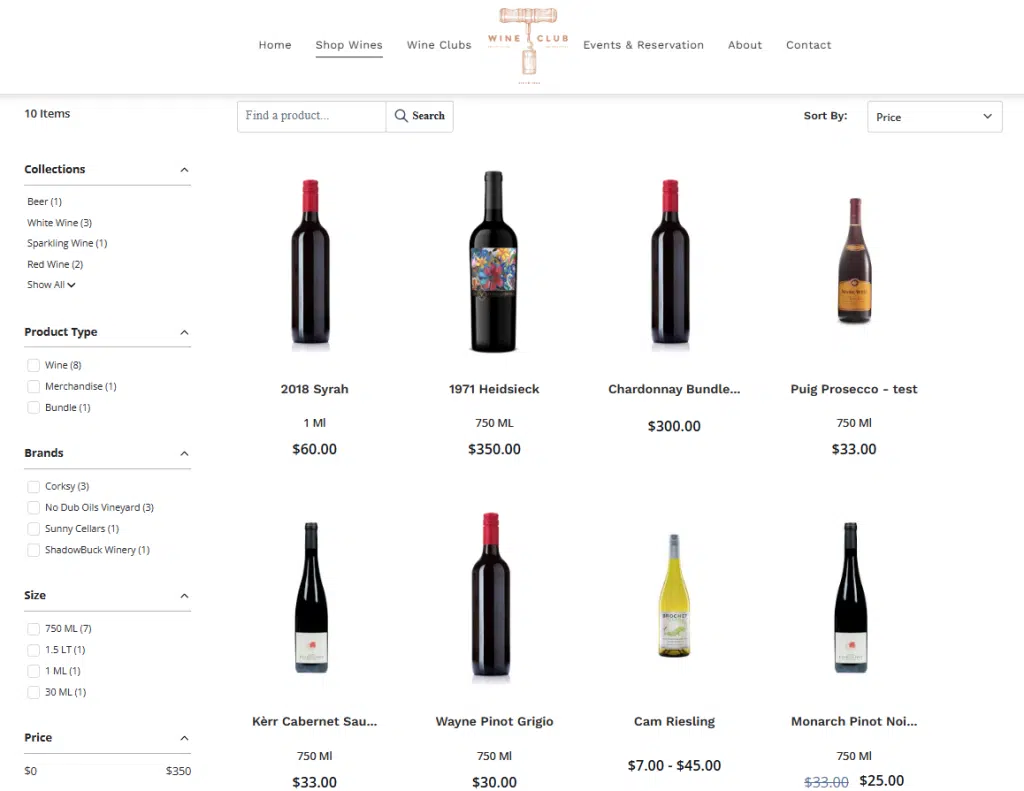
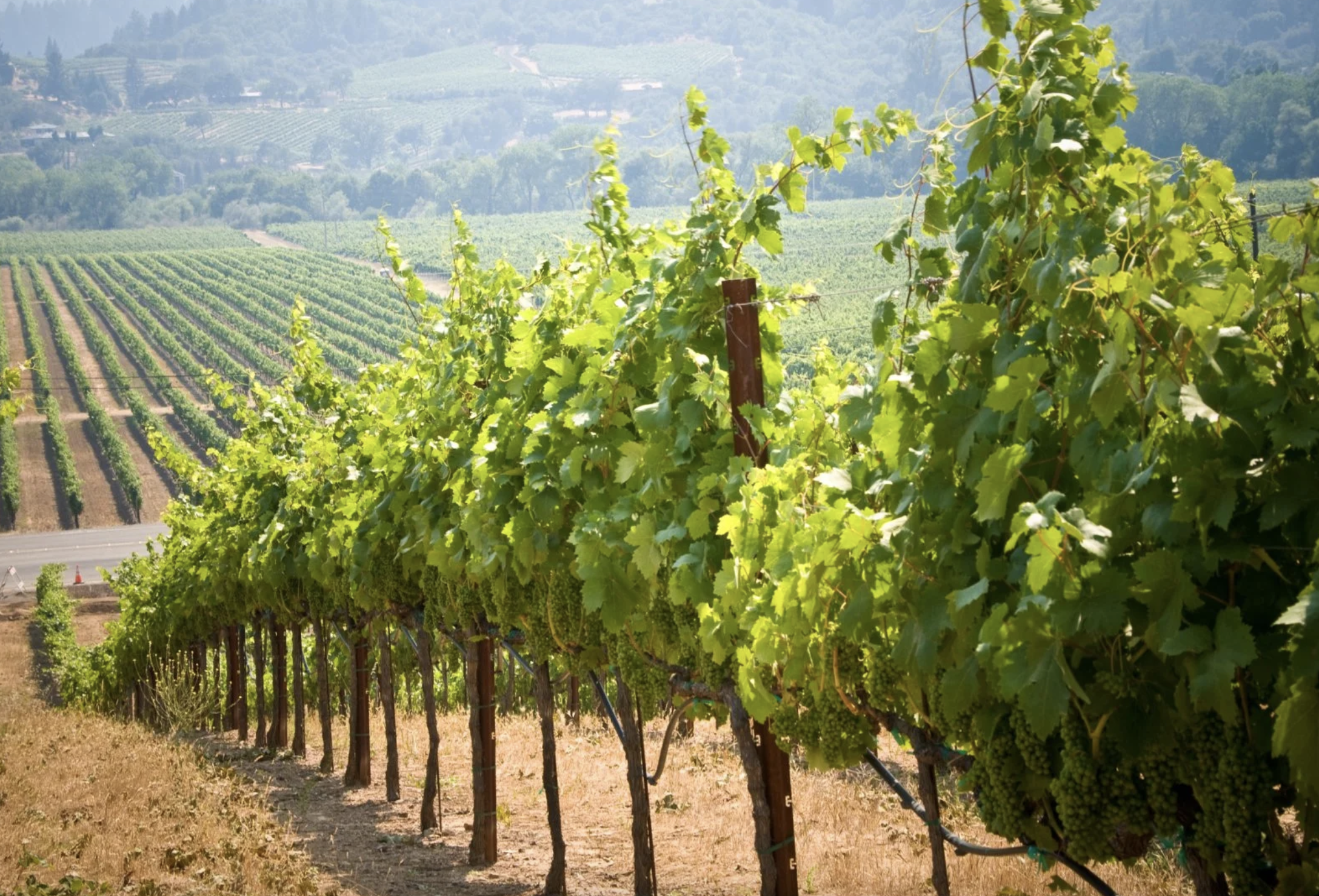
A few years ago at the DTC Wine Symposium, a panelist joked about the modern winery website formula: the guy, the dog, the truck, and the vineyard. Beautiful backdrop, strong lifestyle photography, a thoughtful founder story. Polished, absolutely. Strategically distinct, rarely. The critique wasn’t about branding. It was about structure. Most winery websites aren’t broken, but they aren’t built as decision environments either. Calls to action are unclear, revenue pathways are buried, shipping surprises appear late, and wine club often lives in isolation instead of throughout the buying journey. After auditing winery sites across regions and production sizes, the pattern is consistent: performance is constrained by friction, not effort. Most wineries don’t have a traffic problem. They have a conversion architecture problem. Before increasing ad spend or launching another promotion, run a winery website audit — on your phone. Start at the homepage and move t
00
January 20, 2026
The wineries with the most loyal wine clubs aren't the ones with the best discounts. They're the ones with the strongest emotional identity. This will sound counterintuitive to anyone who's ever tried to stem club churn by sweetening the deal with free shipping or an extra bottle. But the data tells a different story. Companies with strong emotional connections to customers outperform competitors' sales growth by 85%. Not 8.5%. Eighty-five percent. The question isn't whether emotional connection matters. It's how you build one. Enter brand archetypes: a framework rooted in Jungian psychology that helps wineries create the kind of deep, identity-based loyalty that discounts can never buy. When wineries align their story, experience, and messaging with a core archetype, wine club loyalty stops being a battle against churn and becomes a natural expression of who they are. What Are Brand Archetypes? (And Why They Work in the Wine Industry) Brand archetypes are 1
00
November 12, 2025
You may have heard of “SaaS” before, the acronym the stands for Software as a Service. Zoom, Netflix and Google Workspace are all SaaS examples, where you pay for a monthly or annual subscription to use a software. “TaaS” may be less familiar. It refers to Technology as a Strategy, and it came across my desk in an email from Ben Gibson, the founder of Winehub, when he detailed the program for the DTC Wine Unleashed events this week and next week in the Willamette Valley, Paso Robles and Napa. Technology as a Strategy, or TaaS. I’ll be joining the speaker lineup to talk about TaaS, and I’d love to hear your thoughts about it too. We can think about TaaS this way: How does technology, and specifically different platforms, create the conditions for success? TaaS can save your wine business hours, and it can make your wine business dollars. What does this look like for YOU, at your winery? How does technology set you up to succeed? Here are three things
00

October 21, 2025

A WINERY GUIDE TO AVAILABLE RESEARCH You know what’s better than spending ten grand on a focus group where Jan from accounting tells you your wine label “feels aggressive”? Doing your homework first. And no, we don’t mean journaling your feelings over a glass of Pinot. We mean secondary research—the overlooked, underloved MVP of marketing insight. While everyone else is out there reinventing the wheel with a clipboard and a budget they don’t actually have, smart marketers are quietly unlocking industry goldmines using data that’s already been collected. It’s like discovering your neighbor’s Wi-Fi is open and they happen to stream all the same shows you like—only more legal. Let’s break down this not-so-secret weapon. THE BOUGIE STUFF: COMMERCIAL SUBSCRIPTION DATA If you’ve got champagne dreams and a caviar budget, welcome to the gated community of NielsenIQ, IRI, Forrester, and Gartner. These firms offer beautif
00

AI is changing how customers discover, research, and buy wine online — and that means your website strategy needs to change with it. We’re moving beyond the days of traditional, keyword-heavy SEO. Today’s search landscape is driven by generative AI — platforms like ChatGPT, Perplexity, Bing Copilot, and Google’s AI Overviews — which don’t just show links. They summarize information, cite sources, and even recommend brands directly in the search results. For wineries, that means success is no longer just about ranking on page one. It’s about becoming the trusted source these AI systems quote, reference, and build their answers from. Here are five practical ways to make sure your winery’s site is ready for the AI era — and positioned to be discovered, cited, and recommended. 1. Make Sure AI Can Access and Understand Your Website AI visibility starts with technical accessibility. If AI crawlers can’t reach or interpret you
00