
Filter Post Type
NewsVideoProductEventLink
Sort:
Most Recent
1–10 of 89

Event Type: Webinar
Location: Online
Date: 5/13/2026 — 9:00 AM to 10:00 AM
Technical Winemaking Webinar · May 13 · 45 minutes with live Q&A Save the date, you’re invited to our new webinar! Stuck and sluggish fermentations, along with limited aromatic expression, remain common challenges, especially with high Brix or unbalanced musts. In this webinar, we will review the key parameters that influence fermentation performance and aroma development, from yeast activation through to the end of alcoholic fermentation. The session will focus on practical decision points and how targeted nutrition strategies can impact both fermentation kinetics and aromatic outcomes. Topics covered: Yeast rehydration and early-stage management Impact of rehydration conditions on yeast viability, including the role of sterols and fatty acids Fermentation kinetics and completion Identification of risk factors for sluggish or stuck fermentations, and practical approaches to secure fermentation to dryness Aroma development during fermentation Influence o
00

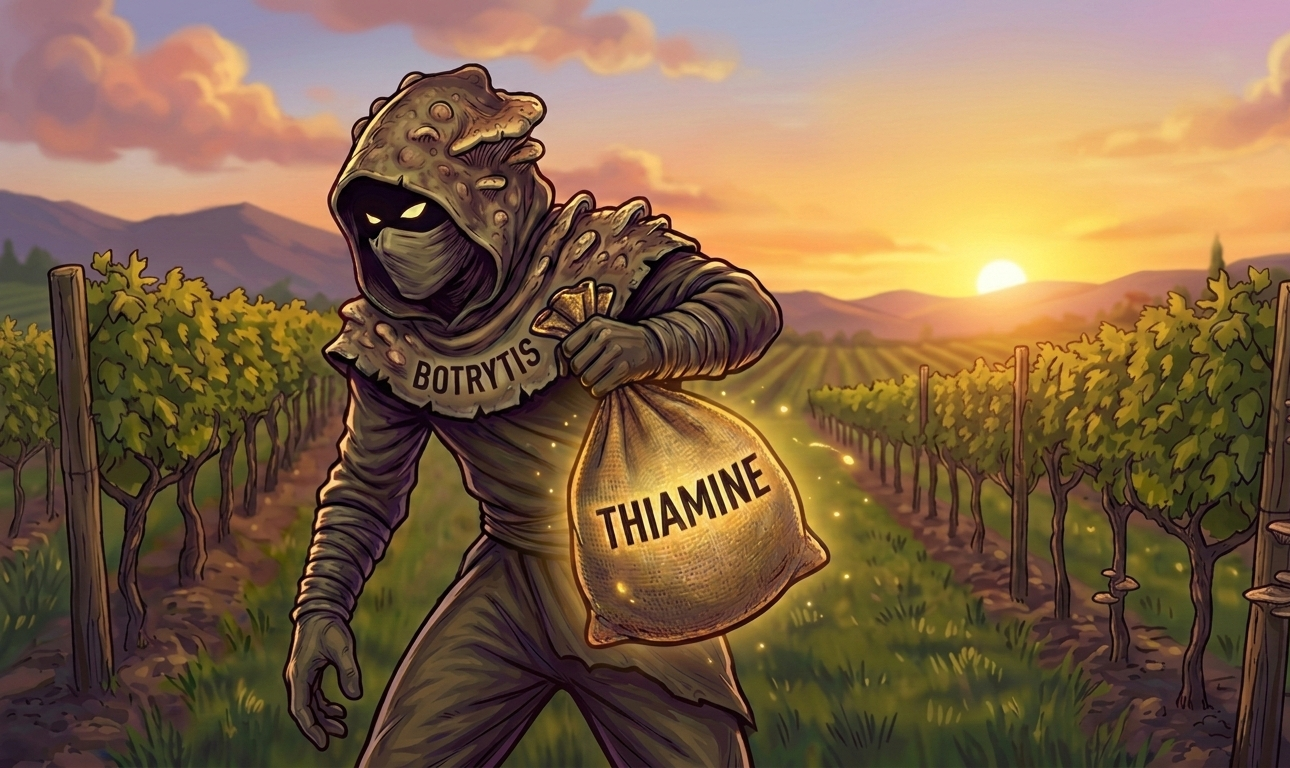
Thiamine, also known as vitamin B1, is an essential micronutrient for yeast metabolism. The thiamine content typically found in grapes ranges from 80 µg/L to 1.2 mg/L. Although most yeasts, including Saccharomyces cerevisiae, can synthesise thiamine, they prefer to absorb it from grape must. This preference conserves energy, which can be used for cell growth and the production of vital fermentation metabolites. In fact, yeasts can absorb all available thiamine in the must within the first six hours after inoculation. A thiamine deficiency in the must can have practical consequences, such as sluggish or stuck fermentations and an altered aromatic balance. Thiamine’s role in yeast metabolism and fermentation Thiamine and its biologically active forms serve as cofactors in central carbon metabolism (sugar breakdown). Without thiamine, several enzymes cannot function, risking incomplete fermentation. Thiamine also exhibits antioxidant activity, protecting yeasts from free-rad
00


Harvest season doesn’t leave much time for anything extra — long days, fast decisions, and nonstop cellar activity. That’s why Gusmer's MicroEssentials Complete-TR Nutrient was created to take the guesswork out of fermentation nutrition. MicroEssentials Complete-TR is the most advanced yeast nutrient on the market, incorporating the latest research in yeast nutrition and Time-Release Technology. The unique sustained-release system provides two tablets both providing complete supplementation while simulating incremental dosing. MicroEssentials Complete-TR Nutrient delivers a convenient, all-in-one solution that helps winemakers save time without compromising performance: Supports consistent yeast health and reduces the risk of sluggish or stuck fermentation Combination of two tablets, each with a distinct time-release profile and nutrient composition Both tablets are added togethe
00
Troubleshooting Sluggish and Stuck Fermentations—Can you Get Back on Track without a Restart? There are several factors that affect the success of fermentation, and sometimes a small adjustment can get things back on track without the need for a full restart. Below we outline some common causes of problematic fermentations and advice for next steps. TEMPERATURE STRESS Each yeast strain has an optimal temperature range and anything outside of this range can cause yeast stress. If the temperature was too high or spiked, the yeast may not be viable and a restart may be needed. If it is too low, try slowly warming the wine to 70°F. INADEQUATE MIXING If the tank isn’t mixed, yeast may settle and lose access to nutrients and sugar. This can slow fermentation or cause it to stall. Gentle mixing during fermentation helps keep yeast active and fermentation on track. WINE MIGHT NEED DETOXIFICATION When yeast become stressed, they can produce compounds th
00
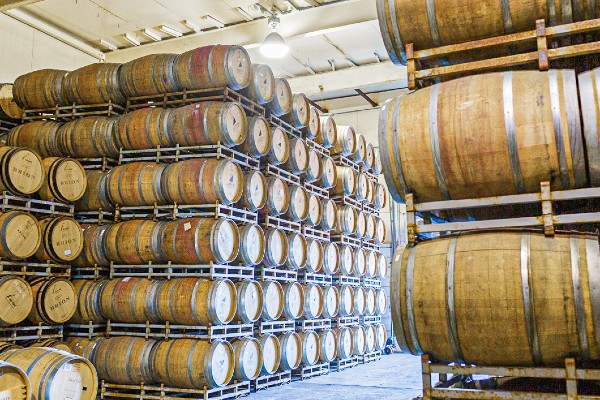
If you’ve been in the wine industry for a while, you’ve probably noticed how much harder it’s become to rely on international shipping. What used to be a straightforward order for new French oak has turned into a waiting game—freight costs changing by the week, containers delayed, and barrels showing up long after you needed them. But the reality for winemakers is simple: harvest doesn’t pause while barrels are stuck on the water. The New Normal in Barrel Supply There was a time when you could plan around a predictable delivery schedule. Now, that predictability is gone. Port congestion, customs delays, and logistics bottlenecks mean that a barrel ordered today might not arrive until weeks—or even months—later. For wineries, that lag can ripple through the cellar. Tanks fill up faster than barrels arrive. Fermentations need to be moved or held longer than you’d prefer. The whole rhythm of harvest can feel like it’s working against y
00
September 11, 2025

A smooth, complete fermentation doesn’t happen by chance, it starts with balanced yeast nutrition. When yeast has access to the right nutrients at the right time, you avoid sluggish or stuck fermentations, reduce the risk of Hâ‚‚S and VA, and unlock the full aromatic potential of your grapes. Why Yeast Nutrition Matters? Nitrogen is the main driver of yeast growth and fermentation activity. Saccharomyces can assimilate only ammonium ions (DAP), amino acids (organic nitrogen), and small peptides (organic nitrogen). Amino acids are strategic: they are taken up early, stored, and used gradually. Some of them also act as aroma precursors (thiols, esters, acetates). Vitamins & minerals (thiamine, Mg, Zn) act as cofactors in enzymatic reactions and have a role in cell growth, fermentation activity, and nitrogen metabolism. Sterols & long-chain fatty acids are essential for membrane structure, stress resistance, and survival. Click here for all fermentation tips & gui
00

August 28, 2025
Looking for reliable solutions to craft your best wines yet? Mays Chemical is your go-to source for AB Biotek Maurivin and Pinnacle winemaking products. Discover our selection: Maurivin and Pinnacle active dry yeasts: Trusted for consistent performance. Mauriferm and Pinnacle yeast nutrients: Designed to prevent stuck fermentations and unlock your wine's full potential. Pinnacle MLF bacteria: Selected for high alcohol tolerance, rapid malolactic fermentation, and resilience in low pH and cold environments. Mauritan range of tannins: Enables wines to show a good balance of fruit, structure, alcohol, and mouthfeel. Maurizym range of enzymes: Developed for ultra-efficient performance in every function. We're stocked with everything you need to create your desired wine profile, ensuring quality from start to finish. Plus, Mays Chemical, a Ravago Company, offers a full line of cellar essentials to keep your operations spotless and your wines exceptional! Connect with us for your har
00
August 18, 2025
After a wet winter and a slow start to spring, California is now experiencing an unusually cool summer. While the extended hang time may sound ideal at first glance, many winemakers are concerned, and for good reason. Persistent cool, damp weather during the growing season brings with it an entirely different set of vineyard and cellar challenges, from disease pressure to delays in ripening. If you haven’t already, it’s time to start thinking about how this season’s cooler conditions may affect your fruit, and how to plan ahead to protect your wine’s quality. What’s the Problem with a Cool Summer? Cooler-than-average temperatures, especially when paired with humidity or late rains, can lead to several problematic outcomes in the vineyard: Delayed Ripening: Grapes take longer to reach phenolic maturity, and sugar accumulation may lag behind flavor development. This can result in unbalanced fruit and longer hang time on the vines. Increased Disease Pressure:
00
For over 30 years, we’ve partnered with wineries of all sizes to provide expert winemaking services tailored to real-world harvest needs. From precision alcohol adjustment and dealcoholization services to fermentation troubleshooting, BevZero is here to take complexity out of the crush season and help you produce your best wine, every time. We don’t just support winemakers, we work alongside them. Our global team of winemakers, food scientists, and beverage technologists are embedded in the industry, bringing first-hand experience and scientific expertise to every solution. Why BevZero? A Partner Rooted in Innovation Founded in 1991, BevZero pioneered vacuum distillation for alcohol reduction in wine, a process that quickly became a standard in the industry. But our commitment to innovation didn’t stop there. Today, BevZero operates globally, offering advanced winemaking support from our facilities in the U.S., Spain, and South Africa. Our services are designed to sol
00

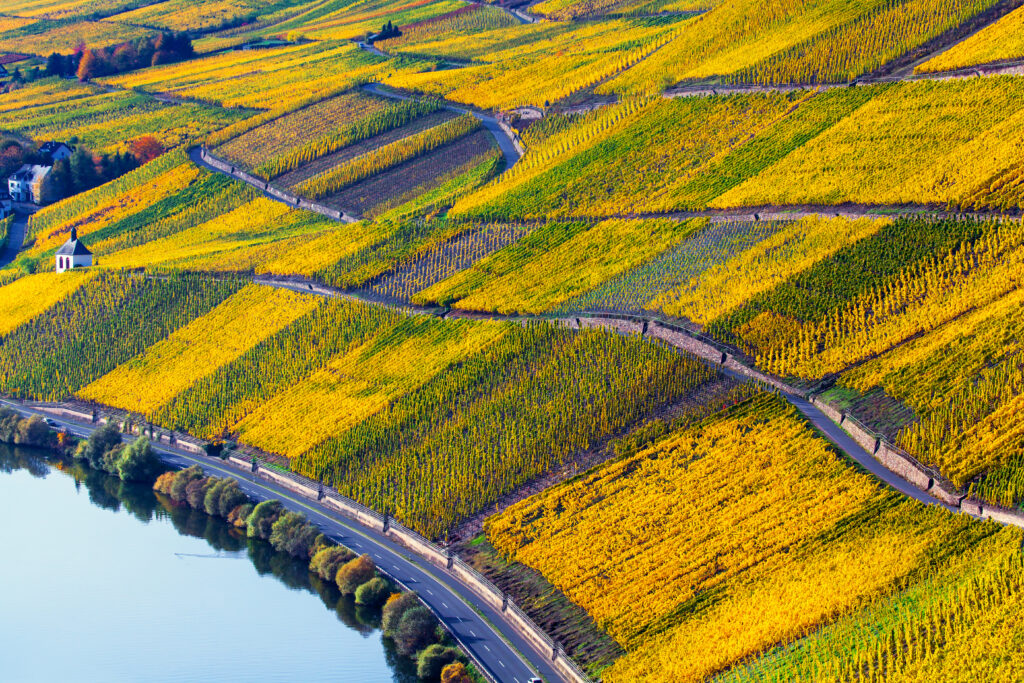
The conversations I have about quality tend to focus on red wine. This is especially true in California, where Napa Cabs have historically garnered high prices, followed up by Coastal Pinot noirs and red Rhones. Honestly, in most places I’ve been where the climate allows for ripening red grapes, the reds are the main event with the whites being more of a warm-up act or even an afterthought. As a result, we know a lot about how to grow red grapes for quality – and less about how to grow whites. Consumer tastes are shifting though, and the big reds of yore are taking a back seat. Drinkers want lower alcohol wines with a lighter style and wineries are taking fewer risks with wine they can turn around in under a year. As a result, white varieties are in hot demand. If you’re a grower who can’t sell your grapes, you may very well be considering grafting some of your reds over to white. So how do you grow a good white? In many ways whites are harder than their r
00