
Filter Post Type
NewsVideoProductEventLink
Sort:
Most Recent
1–10 of 164

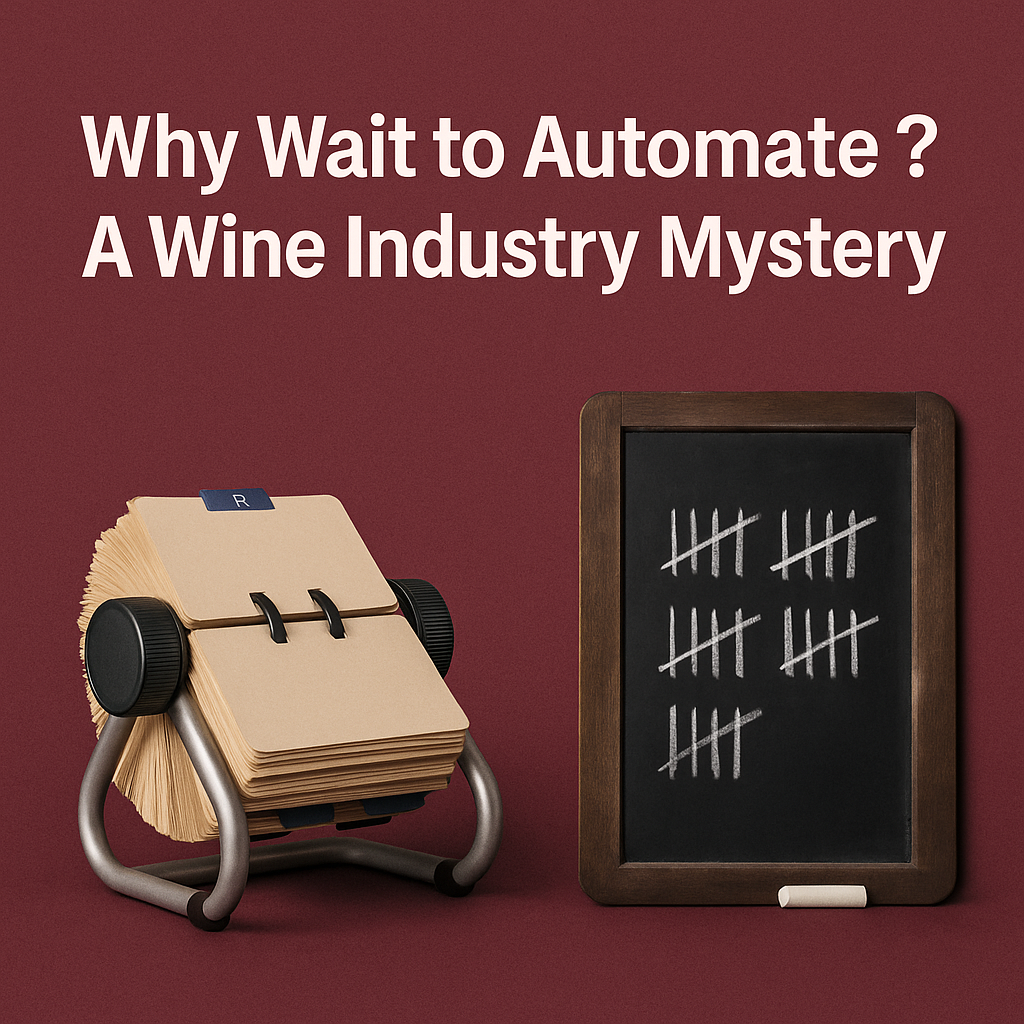
Imagine your VP of Sales announcing they’ve ditched CRM for a Rolodex. Or your finance director saying Excel is too modern, so they’re switching to chalkboard. And yet, here we are — 2025 — squinting at billbacks for hours on end and sending reps to visit every retail account like the entire industry is running for sheriff. Automation isn’t new, but for the wine & spirits world, it might as well be black magic. We love to talk about efficiency, scaling, and modernizing — right up until someone proposes replacing busywork with bots. Suddenly, it’s “But our rep relationships!” or “This is how we’ve always done it.” As if nostalgia for manual labor is part of our brand identity. Let’s get one thing straight: no one’s asking you to hand your label design to Midjourney or let ChatGPT pick your clones. We’re talking about automating the parts of your business that drain time, w
00
March 16, 2026
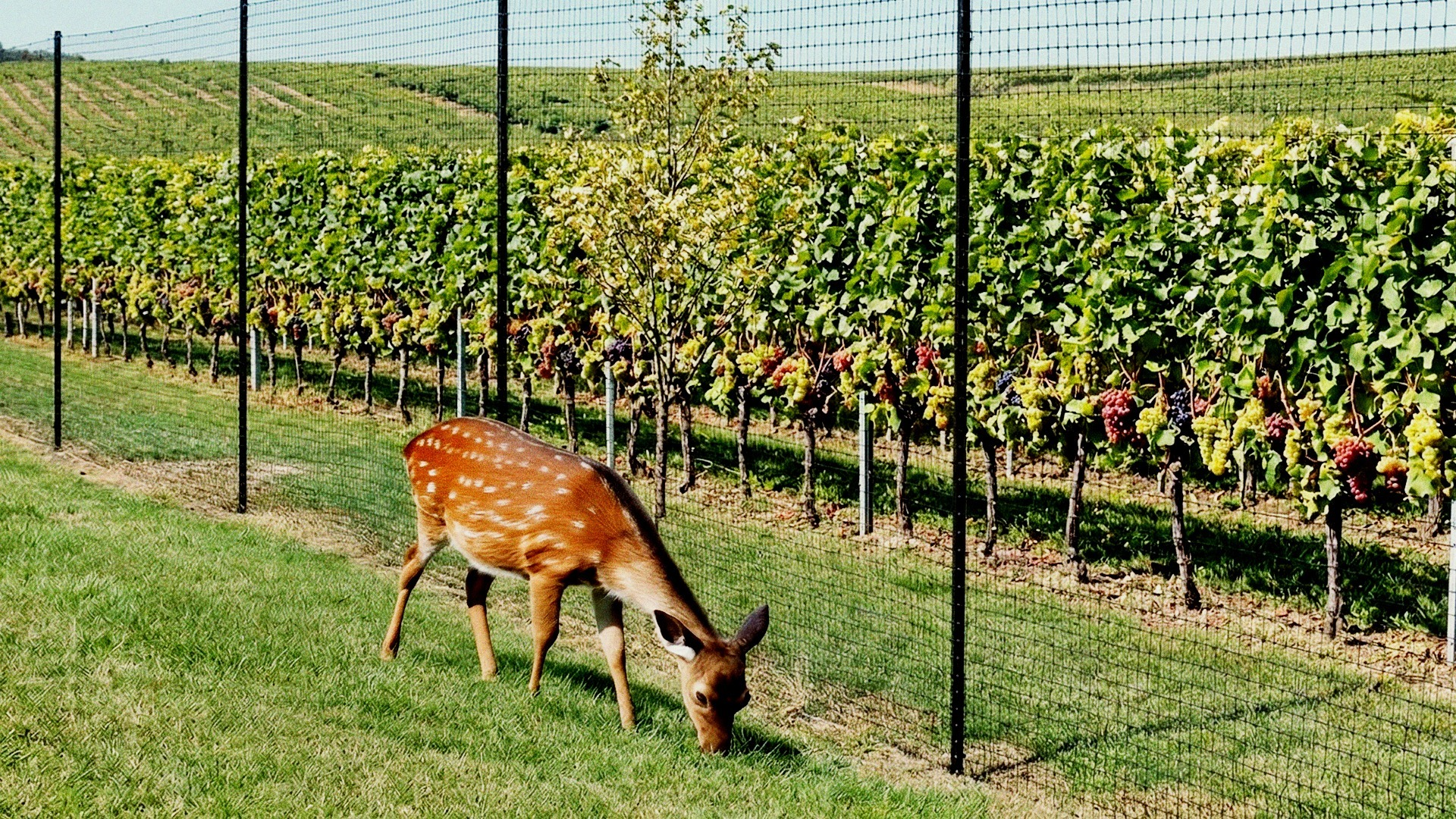
When growers talk about adopting new techniques, the conversation usually stays inside the rows — canopy decisions, new tools, new timing, new workflows. But the early adopters who come out of a season feeling confident tend to share one quiet habit: They stabilize the perimeter first. Not because fencing is flashy. Because it reduces variables. If you’re trialing changes in the vineyard and wildlife pressure spikes at the same time, it’s hard to tell what’s actually working. A dependable perimeter helps protect your results, your labor plan, and your fruit — while you focus on what you’re testing. Why the perimeter is the smartest “first move” A fence is a risk-control upgrade. It doesn’t require retraining crews, rewriting SOPs, or perfect timing. It just needs to be designed correctly for your pressure and installed correctly for your terrain. That’s why it pairs so well with seasons where you’re trying anything new:
00

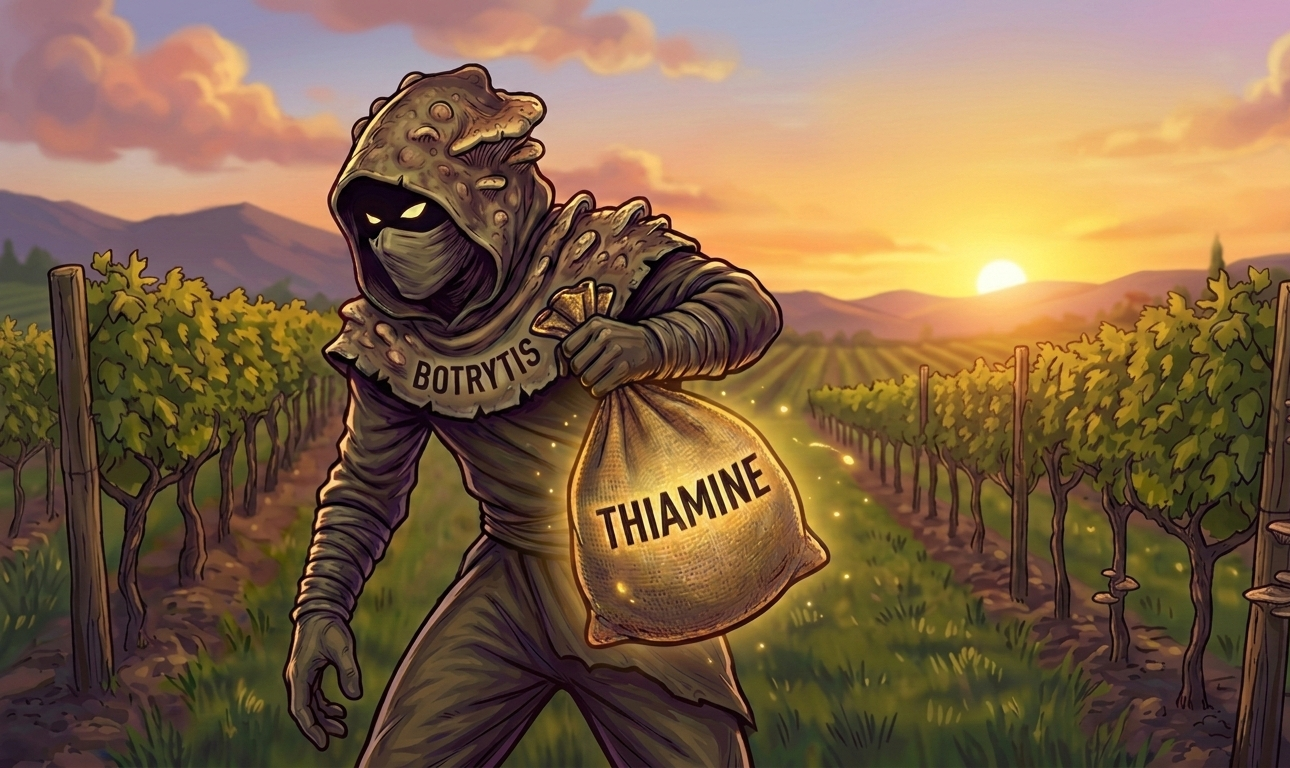
Thiamine, also known as vitamin B1, is an essential micronutrient for yeast metabolism. The thiamine content typically found in grapes ranges from 80 µg/L to 1.2 mg/L. Although most yeasts, including Saccharomyces cerevisiae, can synthesise thiamine, they prefer to absorb it from grape must. This preference conserves energy, which can be used for cell growth and the production of vital fermentation metabolites. In fact, yeasts can absorb all available thiamine in the must within the first six hours after inoculation. A thiamine deficiency in the must can have practical consequences, such as sluggish or stuck fermentations and an altered aromatic balance. Thiamine’s role in yeast metabolism and fermentation Thiamine and its biologically active forms serve as cofactors in central carbon metabolism (sugar breakdown). Without thiamine, several enzymes cannot function, risking incomplete fermentation. Thiamine also exhibits antioxidant activity, protecting yeasts from free-rad
00


At The Personnel Perspective, we know that good leadership determines outcomes. Whether you’re guiding a new manager or strengthening your seasoned leadership team, there often comes a point when good leaders need support to become great ones. So, how can you tell when it’s time to bring in a leadership coach? Here are five telltale signs we often see in our leadership coaching programs in Boise and what you can do next to support your leaders’ growth. 1. Stagnating Potential They care. They’re capable. But instead of driving strategy, they’re bogged down in constant firefighting. If your managers are stuck in reactive mode, it may be time for a reset. Leadership coaching helps managers step into forward-thinking leadership. Through personalized sessions, we guide them to: Clarify their leadership identity Shift from “doing” to leading Navigate complexity with purpose We’ve seen it firsthand: when leaders are equipped with tools
00


"The barrier to entry with wine and AI is you." That was my favorite takeaway from last Friday's inaugural AI and Wine group discussion, which Nadia Kinkade and I had initiated to explore how artificial intelligence is shaping the business of wine. It was Stephen Mok, founder of New Vintage Labs, who said it. And it's stuck with me. You know, and we all know, that there are plenty of barriers of entry when it comes to today's wine industry. And never before have two such powerful (tsunami-scale?) forces crashed together as they have right now, namely the massive shift in technology and the wine sales downturn globally. Which is why it's never before been so important to have conversations like this, about the industry's responses to these forces. And to have them openly and with a community-forward mindset. And to learn from our colleagues and peers about how they're managing the waves. That's exactly why we'll keep having these sessio
00

Beyond the Peak of Excess by Steve Fredricks As we turned the calendars to 2026, the landscape felt familiar: excess inventories, a scarcity of buyers, and a relentless stream of negative headlines that keep the wine markets entrenched in a perception of "peak of excess." While it is true that some inventories remain swollen and activity in the bulk wine and grape markets is sluggish, significant actions (and reactions) to correct this oversupply have been underway behind the scenes for years. These actions are beginning to come to the forefront in the form of vineyard removals and, unfortunately, the closing of wineries and other associated businesses in the industry. The combination of unsold tonnage and strategic vineyard removals has limited both recent crop sizes and reduced future supply potential. The 2024 crop, totaling 2.864 million tons, was the smallest in 20 years; 2025 is likely to be dramatically smaller. However, projecting actual tons crushed for 2025 i
00


Vineyard irrigation has a familiar frustration. You can do everything right and still end the day wondering whether each set actually ran the way you intended. A stuck valve, a pressure issue, a line break, or a simple timing miss can quietly turn into wasted water, uneven blocks, and unnecessary stress. In many vineyards, the only reliable way to catch those problems is still the old way. Drive out, walk the line, and check. At a time when the wine industry is navigating declining demand and tightening margins, lowering operational costs matters more than ever. Growers are looking for ways to cut labor, reduce water waste, and get more certainty from every dollar invested in the vineyard because the broader wine market continues to face headwinds. Global wine consumption has seen persistent downward pressure in recent years, and many regions are adjusting acreage and operations in response to weaker demand. Visit Verdi at Unified Verdi will be exhibiting at the 2026 Unified Wine &
00

December 15, 2025
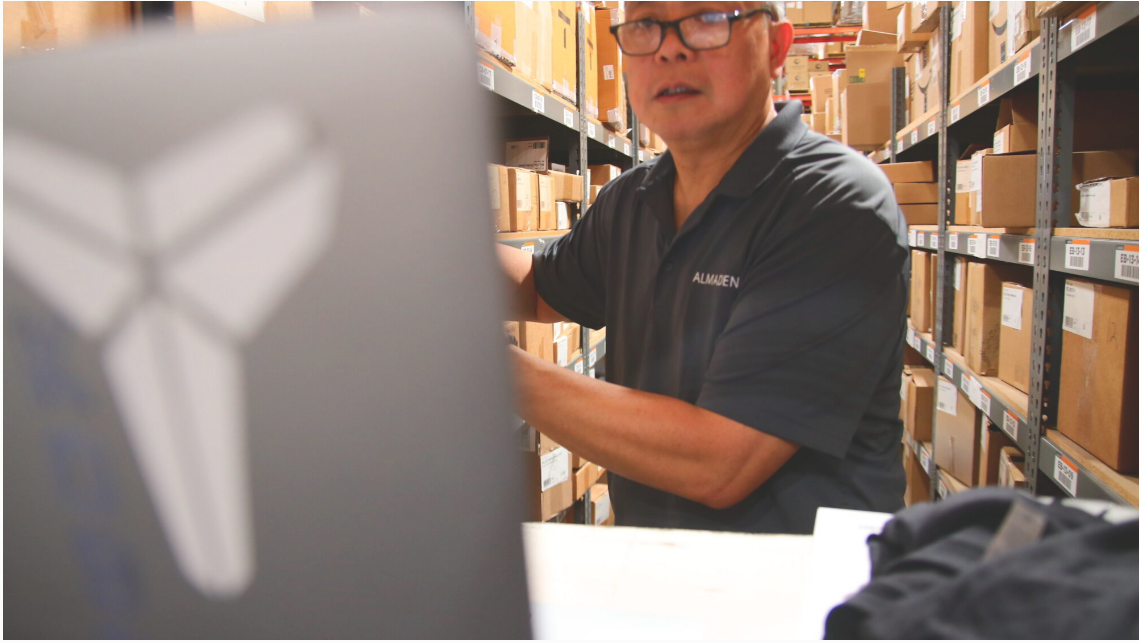
Whether you have an event in Nashville, Nantucket, or Naples, marketers today are increasingly challenged with the task of providing marketing to their teams. The increasing number of events (large or small) and the materials (swag, print, signage, etc.) needed to support events in today’s global environment highlights the importance of having an effective promotional asset management partner. So, how does a marketer get materials to the field in a timely manner under these conditions? I’d recommend finding a partner that already has an effective platform and business model, what I refer to as a “Promotional Asset Management (PAM).” Think of PAM like you would a company that outsources manufacturing of its product. If you research the evolution of contract manufacturing, you will find that prior to the 1970s, most businesses built their own production facilities. That changed when it became apparent that it was much more efficient to find a partner for the prod
00

December 10, 2025
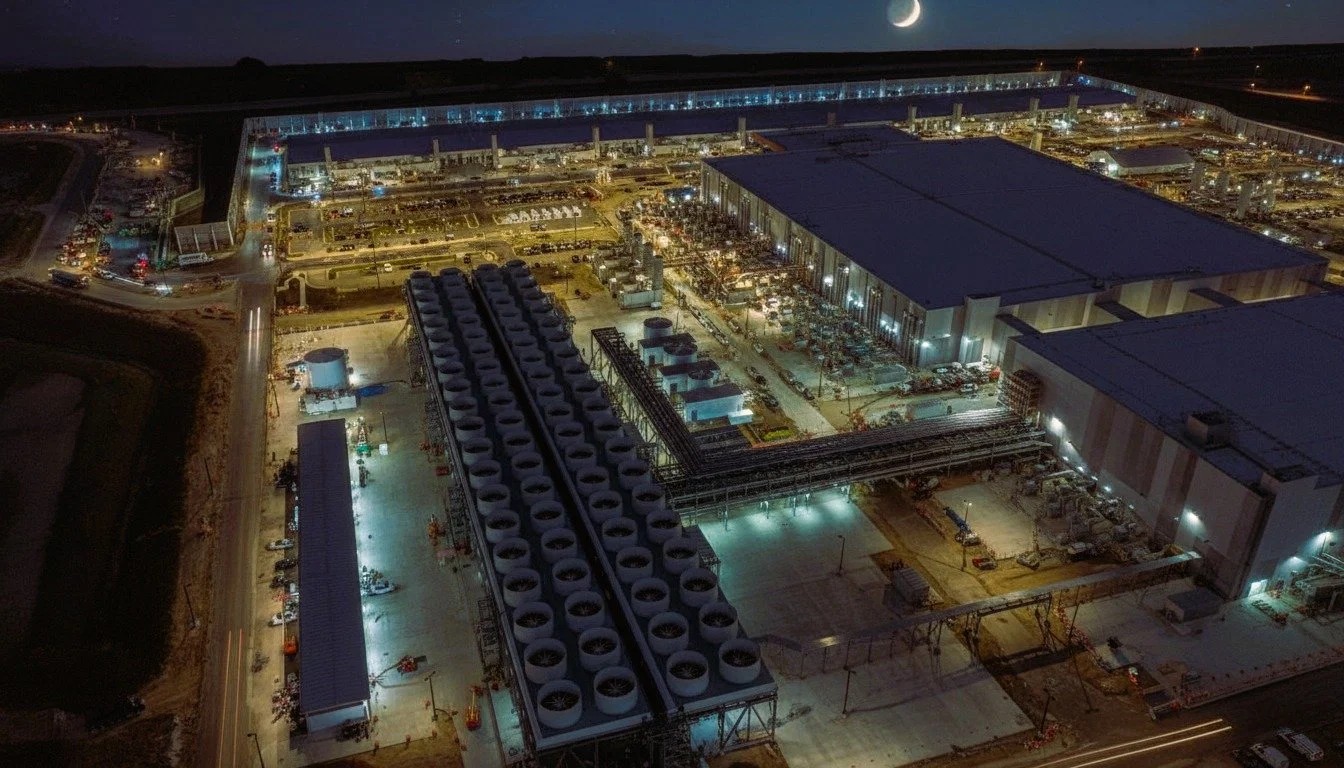
Since its launch in 2022, ChatGPT has swept into our lives like a whirlwind romance. It’s the new Google for our age. Don’t know what to cook for dinner? ChatGPT it. Need to finally draft that pesky email? ChatGPT it. In fact, some people are literally dating the chatbot. CBS Saturday Morning recently reported on Chris Smith, a man who claims to have fallen in love with ChatGPT. He’s even proposed. She said yes. It’s a heartwarming tale that forebodes the end of human civilization as we know it. Of course, the insatiable demand to have all our questions answered and our heart’s deepest desire fulfilled at the push of a button comes with ripple effects—not only for our souls, but our wallets. The AI boom has unleashed a construction spree of energy-hungry data centers to support the tech’s exploding use, requiring utility companies to upgrade their infrastructure, which is then passed on to the average consumer in the form of electricity bills
00
December 2, 2025

For more than 20 years, Activ8 Commerce has built technology specifically for wineries — and we’re proud to share our latest update. In every tasting room, the moments that matter most happen at the counter — or wherever a guest decides they’re ready to buy. The challenge is making sure your team can meet that moment quickly, without waiting on hardware or wrestling with terminals. Across the industry, the wineries seeing the strongest DTC results this year have focused on a few core operational shifts: 1️⃣ Reduce friction at checkout Guests expect fast, smooth transactions. Long lines or “sorry, this reader is stuck again” moments absolutely impact sales. Tap-to-pay with credit cards — especially when available on mobile devices — helps teams stay fluid and attentive. 2️⃣ Make hardware flexible and affordable Tasting rooms aren’t built like retail stores. Stations need to move. Staff shift positions. Outdoor service expands and co
10