
Filter Post Type
NewsVideoProductEventLink
Sort:
Most Recent
1–10 of 58

Why Wineries Are Leaning Into Technology for Growth Wine Has Finally Caught Up to Ecommerce Wine has always operated differently from the rest of ecommerce. Most industries follow similar patterns. They invest in digital acquisition, optimize conversion, and build systems that scale. Wineries never really did. Between compliance, wine clubs, tasting rooms, and long-standing industry habits, wineries built their businesses around in-person relationships, not online performance. Because of that, wine has historically been underserved by modern ecommerce tools. Platforms weren’t designed for how wineries actually operate, so wineries adapted by working around those limitations instead of solving them. That’s starting to change. Shopify has quickly become a leading ecommerce platform for wineries looking to modernize how they sell wine online. Checkout is faster thanks to Shop Pay Building and updating curated customer experiences is easier The platform integrates with tools that handle
00

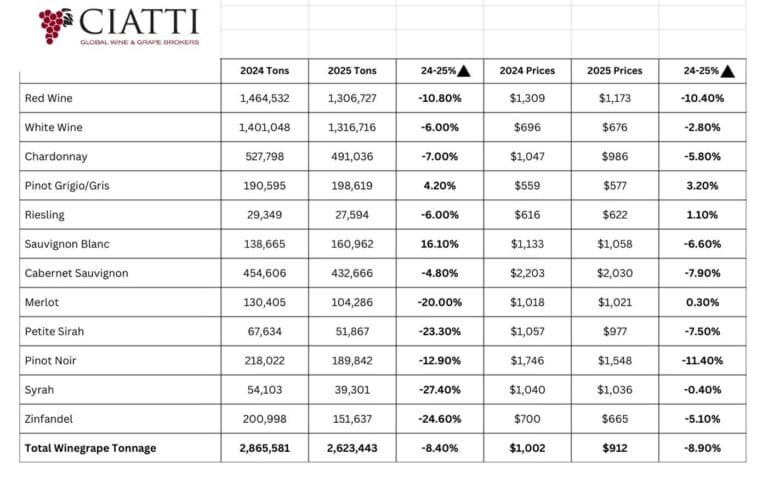
The later-than-usual release of the Grape Crush Report had everyone doing what this industry does best: guessing. And when the number finally dropped, it landed somewhere between “not great” and “not nearly low enough to matter.” At approximately 2.6 million tons, the 2025 crush came in higher than most had hoped, and, more importantly, higher than many believe the market actually needs. The Facts: What the Crush Report Tells Us Data released by the California Department of Food and Agriculture shows that the 2025 grape crush totaled approximately 2.6 million tons. That represents a decline of just over 8% from the prior year and marks the smallest crop since the late 1990s. On the surface, that’s a meaningful shift. After several years where production consistently exceeded 3 million tons, supply is clearly beginning to respond. But the details matter. Key premium varieties such as Cabernet Sauvignon, Chardonnay, and Pinot Noir all declined, while certain
00
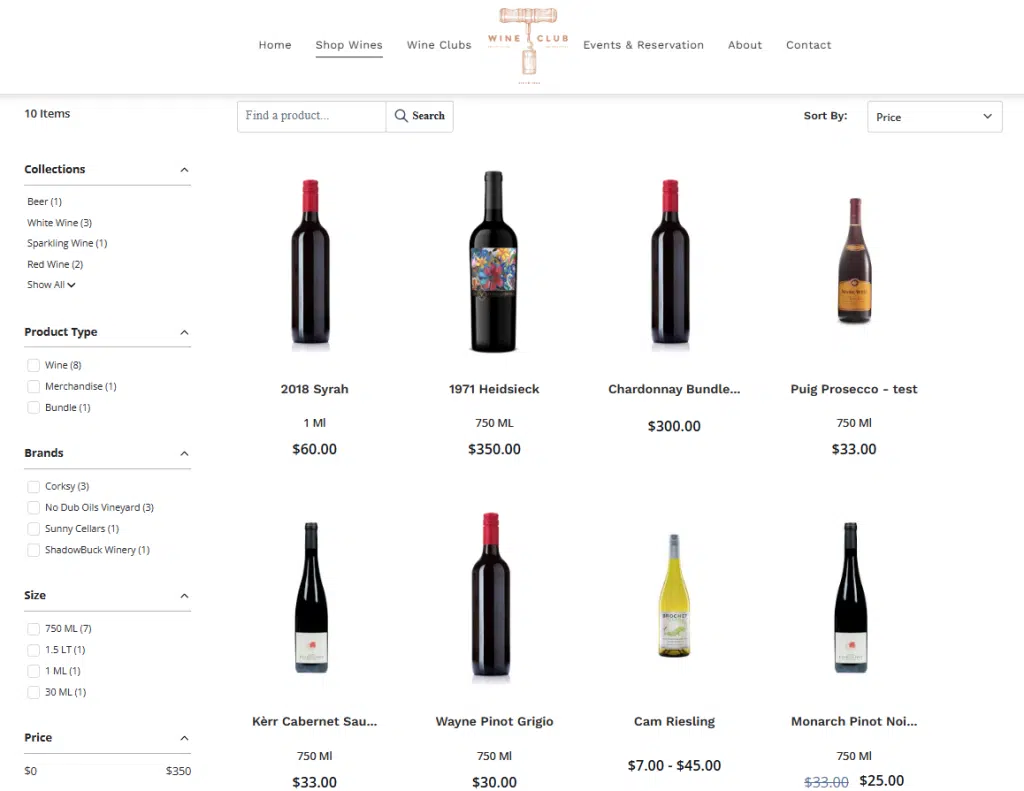
A few years ago at the DTC Wine Symposium, a panelist joked about the modern winery website formula: the guy, the dog, the truck, and the vineyard. Beautiful backdrop, strong lifestyle photography, a thoughtful founder story. Polished, absolutely. Strategically distinct, rarely. The critique wasn’t about branding. It was about structure. Most winery websites aren’t broken, but they aren’t built as decision environments either. Calls to action are unclear, revenue pathways are buried, shipping surprises appear late, and wine club often lives in isolation instead of throughout the buying journey. After auditing winery sites across regions and production sizes, the pattern is consistent: performance is constrained by friction, not effort. Most wineries don’t have a traffic problem. They have a conversion architecture problem. Before increasing ad spend or launching another promotion, run a winery website audit — on your phone. Start at the homepage and move t
00
January 22, 2026
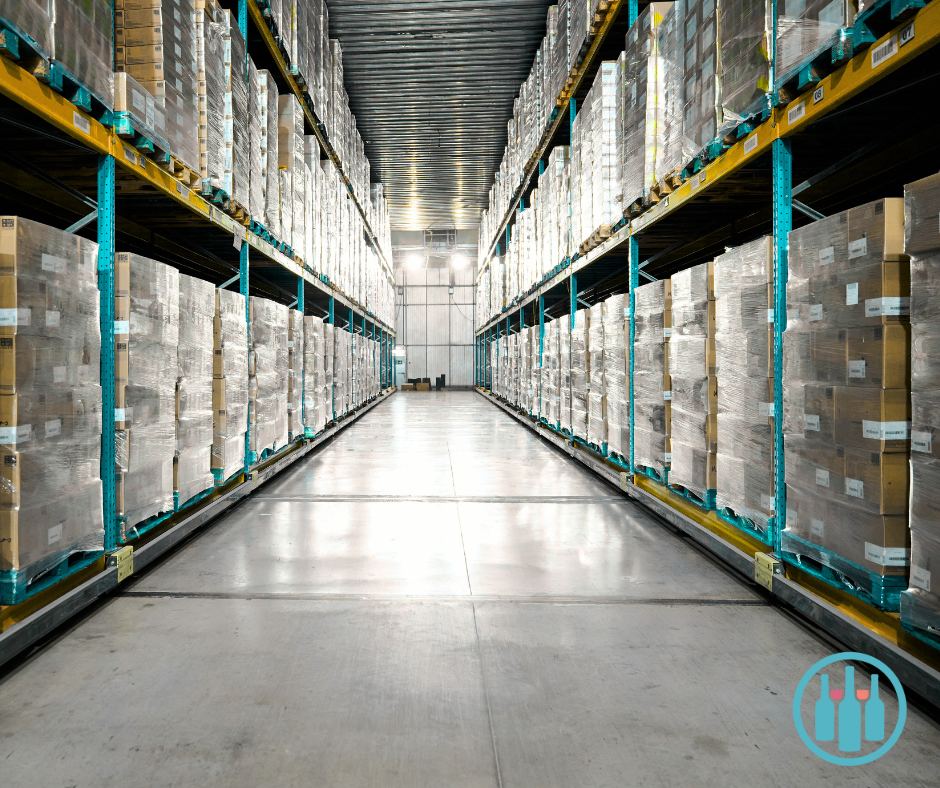
Reports that the largest alcohol companies are sitting on $22 billion in inventory should make every independent and mid-size Maker and distributor pause. Not because it’s your inventory,but because it’s clogging everyone else’s shelves. When distributor warehouses are full, the system doesn’t slow down evenly. It squeezes from the edges inward. And independent Makers feel it first. Big Inventory = Small Makers Get Crowded Out Excess inventory changes distributor behavior, fast: Sales teams are incentivized to move what’s already sitting in the warehouse, not discover what’s new Portfolio rationalization accelerates Support quietly turns into neglect because of other priorities In these moments, size matters. Not quality. Not stories. Not scores. If your brand isn’t already turning, you’re suddenly competing with pallets of product that has to move. Big distributors depend on those suppliers to keep the lights on. So,
00

December is when winery commerce systems reveal their true strengths — and their limitations. Busy tasting rooms. Holiday gift orders. Club shipments. Online traffic spikes. Staff moving fast across multiple channels. This is the moment when technology either supports growth — or quietly slows it down. The Difference Isn’t Just Sales. It’s Conversion. Most winery platforms can process transactions. Fewer are designed to support hospitality-driven conversion — turning visitors into buyers, buyers into members, and seasonal traffic into long-term relationships. That distinction becomes especially clear during the year’s final sales push. What High-Performing Wineries Do Differently They Use POS Systems Built for Hospitality High-volume tasting rooms need more than a checkout screen. The strongest systems support: fast, browser-based performance (no app lag) tabs, tables, flights, and food service quick workflows that keep staff present with guests
00

October 24, 2025
HIGHLIGHTS Continued volume growth in Q3 in a context of declining consumption: revenue was €846 million (-2.8% compared to Q3 2024) due to lower prices and a deterioration in mix. Adjusted EBITDA[1] reached €181 million or a 21.3% margin, compared to €210 million and a 24.1% margin in Q3 2024 Profitability down over 9 months: adjusted EBITDA stood at €531 million in 9M 2025, with a 20.7% margin compared to 24.3% in 9M 2024 as slower glass demand in August and September derailed the strong Q2 momentum Solid free cash flow generation in Q3, continuing the improvement already noted in H1. Net debt ratio was stable compared to June 30 at 2.6x last 12-month adjusted EBITDA Strengthened shareholding structure following BWGI’s tender offer, enabling the Group to continue deploying its long-term strategy Verallia’s Net Zero 2040 trajectory validated by the SBTi, making it the first global producer of food and beverage glass packaging to commit to this tra
00
October 22, 2025

Over the past few years, wineries have seen tasting room visits decline as consumer habits shift. With more options than ever, visitors are looking for something special—experiences that go beyond just sampling wine. For many wineries, this means rethinking how they engage guests and creating a place people want to come back to. This guide explores how wineries across the country are turning their tasting rooms into destinations—balancing local charm, modern convenience, and genuine hospitality. Create Unique, Social Experiences In today’s market, wineries that stand out provide more than just a tasting—they create memorable, shareable experiences that make guests want to stay longer and come back. Enhancing the Atmosphere with Music: Music adds energy and can make an ordinary tasting feel like an event. Hosting live music, whether it’s a local band or acoustic performer, brings people together and keeps them engaged. Many wineries schedule music on weeke
00

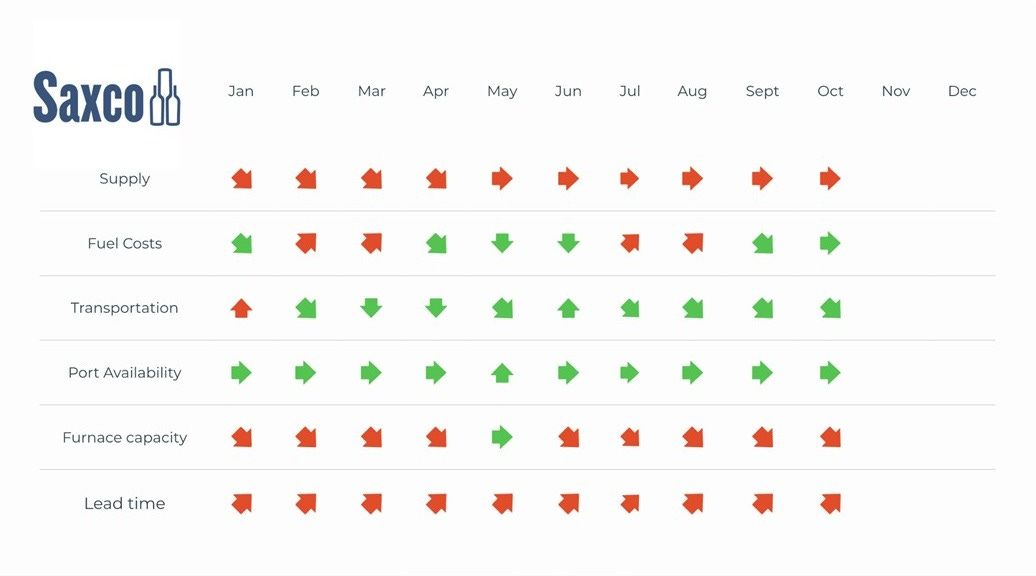
This month: Soft seas, more questions, and a consumer that’s anxious and cautious about tomorrow. October’s here, and the supply chain feels eerily quiet. Not calm exactly – just slow. There is movement, but it’s more drift than direction. Freight rates are down, not because we have gotten more efficient, but because demand is low. Fuel is holding steady, but only because the broader economy seems reluctant to surge. There are no logjams at the ports, yet there is not much urgency, either. Glass remains tight. Lead times are still creeping. And while retail shelves are being reset for the holiday sprint, the pace feels tentative. Brands are pushing forward, but many are doing so with a wary eye on cost, conversion, and the uncertain mood of the American shopper. The story of October is about the tension between the inertia of supply and the jitteriness of demand. Between short-term calm and long-term concern. Market overview Fuel costs rose imperceptibly from $3
00
That creamy, buttery aroma you sometimes find in a bottle of Chardonnay or other wines is thanks largely to a compound called diacetyl. It's the star player released during malolactic fermentation (MLF), and whether a winemaker wants to emphasize or eliminate it is one of the biggest stylistic choices they make. Diacetyl is a temporary byproduct of the bacteria's metabolism. It is later reduced into less aromatic compounds, which is why winemakers have to move fast to capture the flavor at its peak. To get a wonderfully buttery wine, the goal is simple: make a lot of diacetyl and then immediately halt its degradation. Here are the key strategies winemakers use to ramp up diacetyl production and keep that creamy character in the bottle: Timing is Everything: Inoculate after alcoholic fermentation.Wait until the main alcoholic fermentation is finished or almost finished before adding the bacteria. Why? The yeast that did the primary fermentation and the bacteria themselves are ve
00
As harvest progresses, wet conditions can increase the risk of Botrytis and other rots, especially when fruit remains on the vine longer than expected. Botrytis cinerea produces enzymes and compounds that can significantly compromise wine quality if not addressed quickly. The ATPGroup team has outlined practical steps to help winemakers minimize the impact of infected fruit and protect wine style. Key Strategies Assess & Plan. Benchmarks: <10% is manageable, >20% needs aggressive intervention. Test laccase levels if concerned. Pick and process cold. Lower temperatures slow the activity of Botrytis-related enzymes. Protect early. Add SOâ‚‚ as soon as possible to minimize oxidation and microbial growth. Use tannins wisely. Tannin additions help block damaging enzymes and protect color and flavor. Settle quickly. Minimize juice contact with infected lees by clarifying rapidly and efficiently. Ferment strong. Choose robust yeast and provide generous nutrition to overcom
00