
Filter Post Type
NewsVideoProductEventLink
Sort:
Most Recent
1–10 of 46
March 16, 2026
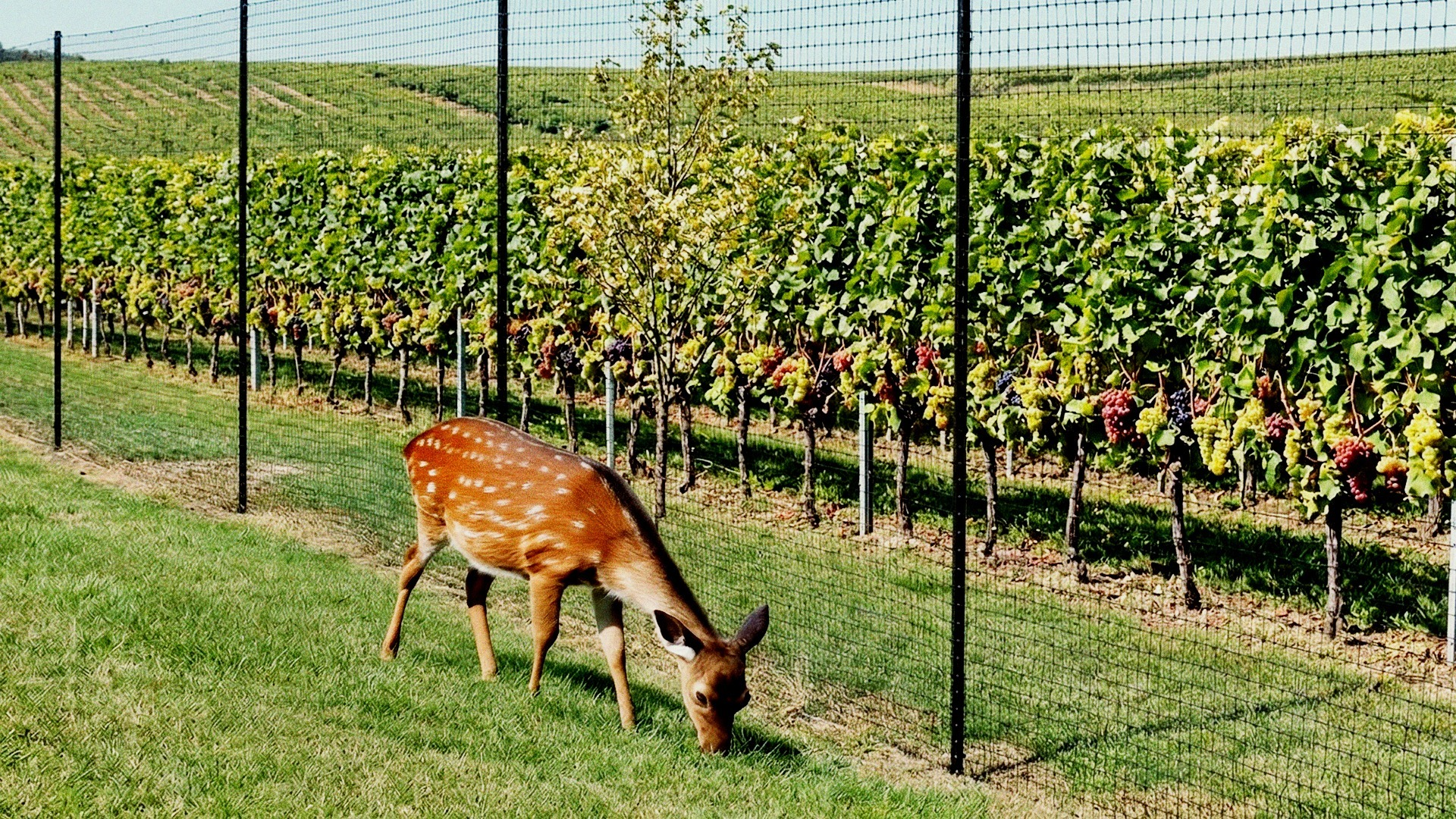
When growers talk about adopting new techniques, the conversation usually stays inside the rows — canopy decisions, new tools, new timing, new workflows. But the early adopters who come out of a season feeling confident tend to share one quiet habit: They stabilize the perimeter first. Not because fencing is flashy. Because it reduces variables. If you’re trialing changes in the vineyard and wildlife pressure spikes at the same time, it’s hard to tell what’s actually working. A dependable perimeter helps protect your results, your labor plan, and your fruit — while you focus on what you’re testing. Why the perimeter is the smartest “first move” A fence is a risk-control upgrade. It doesn’t require retraining crews, rewriting SOPs, or perfect timing. It just needs to be designed correctly for your pressure and installed correctly for your terrain. That’s why it pairs so well with seasons where you’re trying anything new:
00
.png)
January 6, 2026
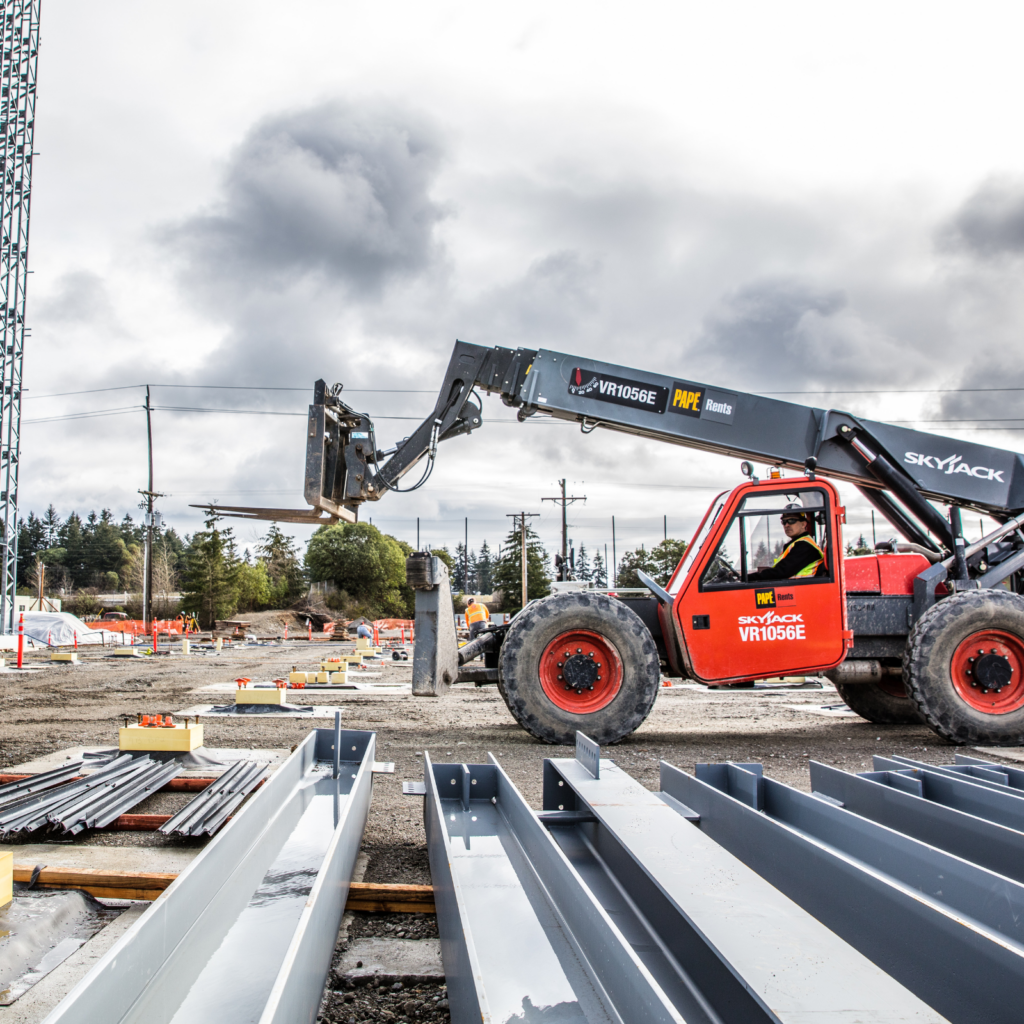
When your crew is facing a one-off lift, renting a telehandler with the right specialty attachment is often the most cost-effective and low-risk solution. Telehandlers combine the reach of a crane with the maneuverability of a forklift, and today’s rental fleets offer more capacity, boom lengths, and attachment options than ever. If your challenge is “unusual,” a rental telehandler configured for your exact task turns the unusual into routine. Why Renting a Telehandler Is a Smart Move There are several reasons why telehandler rentals are ideal for one-off lifts or specialty applications. Purpose-Built for Reach and Rough Terrain Unlike conventional forklifts, telehandlers are designed to travel uneven jobsites while extending loads out and up. Papé Material Handling’s rental lineup spans compact 5,000–6,000 lb machines through high-capacity units up to 15,000 lb, with lift heights from the high teens into the 60-foot range, so you can pick the right
00


Afternoon Brief: Tenor Makes Washington State History with First 100-Point White Wine
2022 Tenor La Reyna Blanca Vineyard Chardonnay garners perfect score from Jeb Dunnuck, elevating Royal Slope AVA and Washington wine to new heights...
00
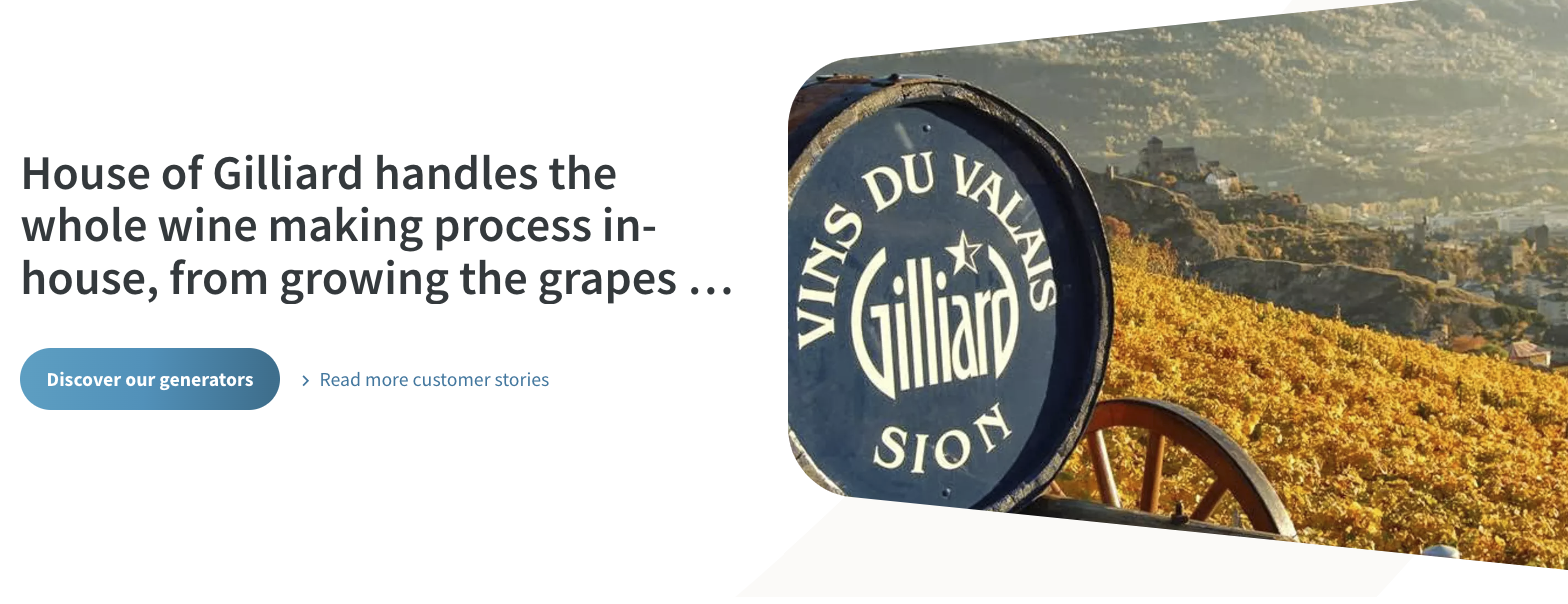
House of Gilliard The tradition of the House of Gilliard in Switzerland goes back to the 19th Century, with the today famous Dôle des Monts wine. The winery handles the whole wine making process in-house, from growing the grapes to bottling. Achieving wine of the highest quality requires a command of the whole production process. Gilliard’s wine masters rely on Atlas Copco to help them with this task. The House of Gilliard has equipped its production site with two Variable Speed Drive (VSD) compressors and a nitrogen generator. Thanks to this installation, the wine house has on-site nitrogen and does no longer need to purchase nitrogen in cylinders. The advantages are obvious: the Gilliard house saves time, money and energy thanks to its on-site nitrogen. Nitrogen, the hidden ingredient Cultivating grapes, harvesting and wine making: the delicate process of producing wine always ends in bottling, which requires compressed air and nitrogen. The compressed air powers vario
00

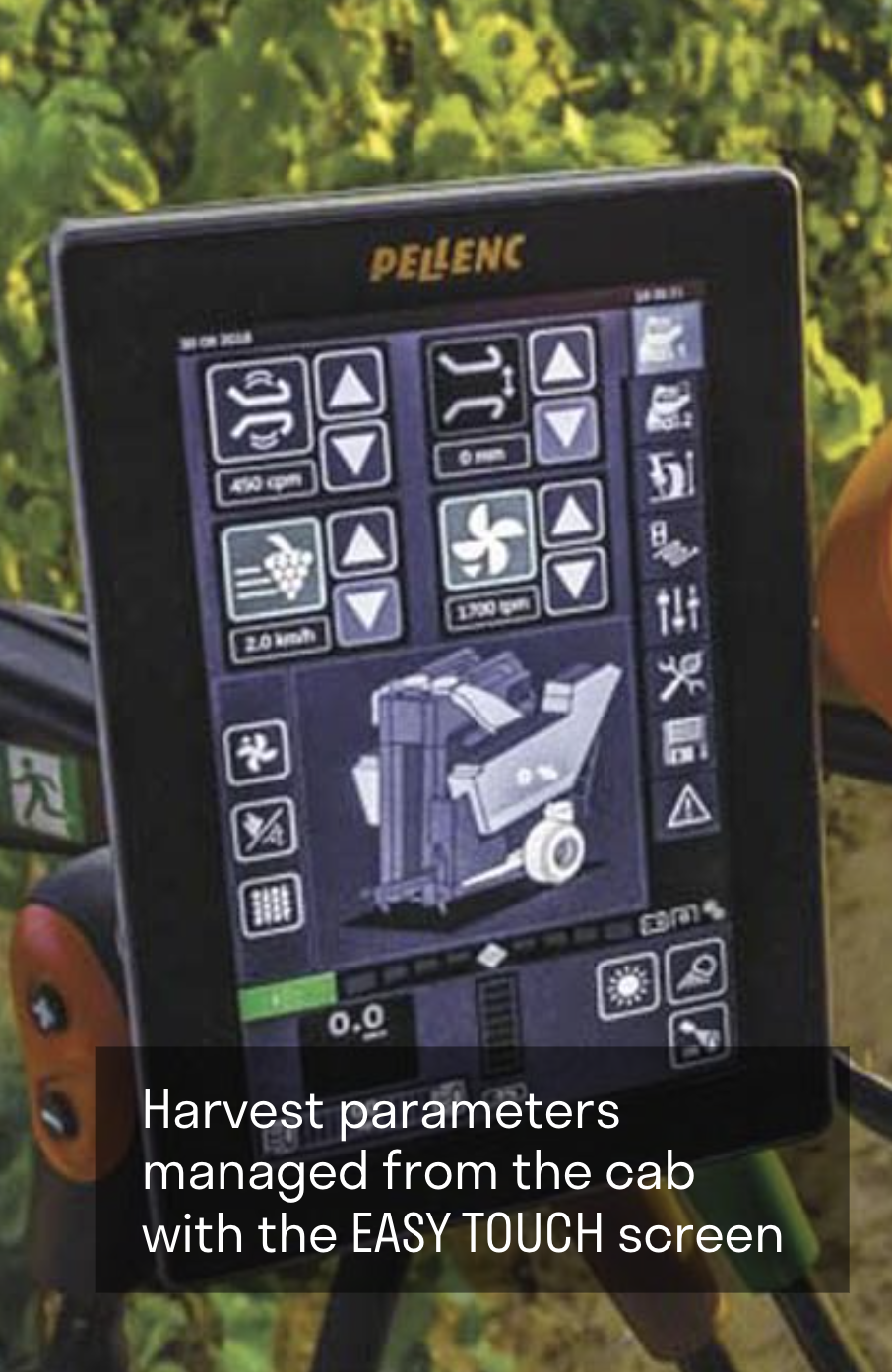
The Grapes’Line Tow Behind Harvester by PELLENC The Grapes’Line tow behind harvester includes all the latest PELLENC innovations. It has a harvesting capacity of 3,600 litres (950gal) – the same as that of a self-propelled harvester – while remaining less costly. Highly efficient, it also provides wine-growing professionals with an unrivalled work quality thanks to its easy handling and user-friendly nature. Efficient Harvesting capacity identical to a self-propelled harvester 50% cheaper than a self-propelled machine ECO POWER fuel management: optimised power take-off according to the machine’s hydraulic requirements Total collector-bin capacity of up to 3,600 litres (950gal) Ergonomic 7-inch touchscreen Safe washing platform Remote washing commands Centralized greasing Easy to Handle Auto-guidance in the row Semi-automatic tilt correction Optimized turnaround in headlands with the wide-angle drawbar AUTO TO
00
May 20, 2025
Sonoma County is home to a remarkable array of native plants, each contributing to the rich tapestry of our local ecosystems. These plants are not only beautiful but also play a critical role in sustaining the health of our environment. From the rugged coastal ranges to the sun-soaked valleys of wine country, Sonoma’s native plants have evolved to thrive in our Mediterranean climate—making them ideal for sustainable and low-maintenance landscaping. Native plants are uniquely adapted to the soil, rainfall, and temperature of their home region. This means they require less water, fewer chemical inputs, and minimal maintenance compared to non-native species. In landscaping, that translates to less work for property owners and more harmony with the environment. Seven Native Plants Ideal for Sonoma County Landscapes 1. California Poppy (Eschscholzia californica) Hearty as they are iconic, our state flower thrives in full sun and well-drained soil. Its bright orange blooms are a
00

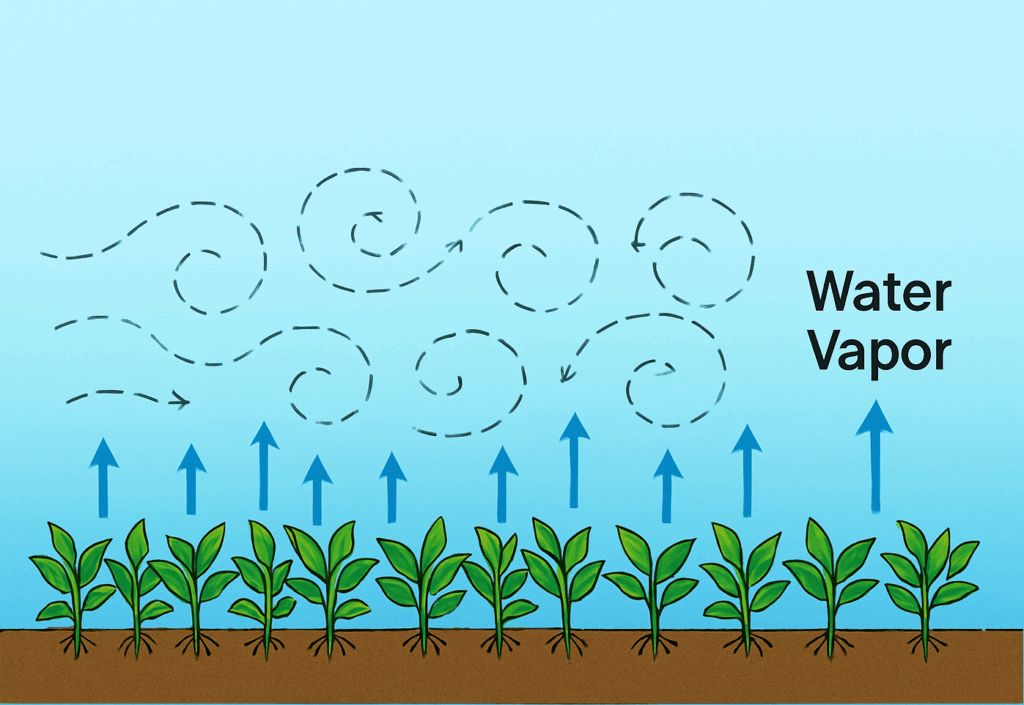
Who (or what) is this eddy you keep talking about? Efficient water management has never been more critical for agriculture and specifically for viticulture. High-end viticulture needs to manage water to not only cut costs, but to keep quality high in a market of oversupply and buyers who hold the upper hand over the grower. High production viticulture may not need the water management finesse for quality that high-end viticulture does, but regulatory demands for groundwater protection as well as limitations on water deliveries push growers into making the most out of every gallon. Here at AV, we’ve made use of impactful technologies to help growers irrigate efficiently and control vine stress to improve wine quality from their vineyards. Our primary tools have been the soil moisture probe and, more recently, the Florapulse microtensiometer. Both tools have been indispensable and even more so now that we have our own data portal to view and analyze these data streams. More recen
00

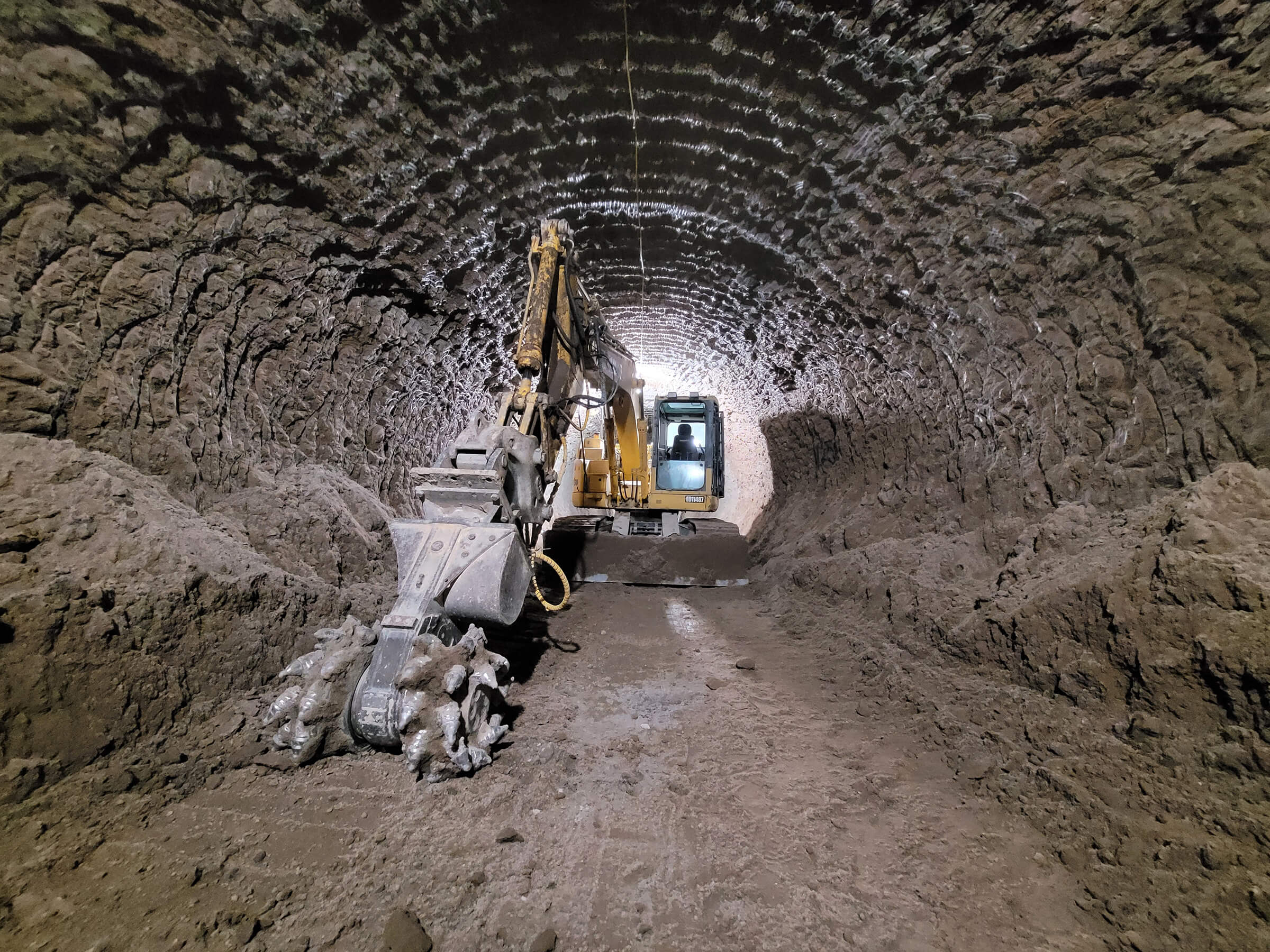
Nordby Wine Caves recently partnered with Njirich & Sons, Inc., to rehabilitate Oakdale Irrigation District (OID) Tunnels 3 and 4, located northeast of Oakdale, California. OID has delivered irrigation water to 55,000 acres of farmland in the Central Valley for more than a century. Constructed in the early 1900s, Tunnels 3 and 4 needed significant repairs to restore stability and improve water flow efficiency. Collectively spanning about 2,250 feet, the 8-to-20-foot tunnels were originally built without lining or ground support, leaving them vulnerable to erosion and structural degradation. Erosion had caused stress fractures, ground instability, and flattened tunnel crowns. To address its aged infrastructure, OID developed a Water Resources Plan (WRP) to modernize and rebuild its system to meet the needs of its changing customer base. Nordby Wine Caves widened and reshaped the tunnels to an arch shape to improve stability of the tunnel ground and increase flow rate capacity. We i
10

February 10, 2025
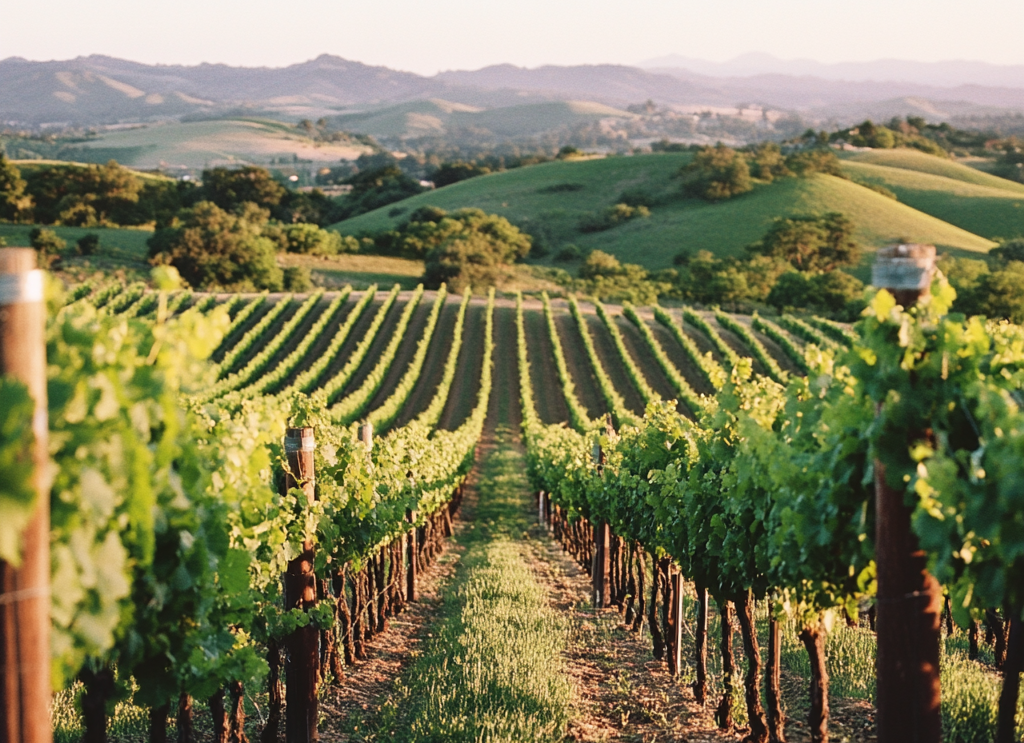
Starting a new vineyard or expanding an existing one is a complex and costly process. Without accurate land data, vineyard development projects can face delays, legal disputes, and unforeseen costs. That’s why land surveys are an essential first step for any vineyard development project. At Ray Carlson & Associates, we’ve been helping vineyard owners in Sonoma, Napa, and surrounding areas navigate the challenges of vineyard development for over four decades. Here’s why accurate land surveys are so important. Planning Your Vineyard Development The first step in vineyard development is determining whether the land is suitable for growing grapes. Accurate surveying data allows vineyard managers and developers to evaluate key factors such as: Topography: The shape and slope of the land will influence water drainage and irrigation planning. Soil Quality: Knowing the soil composition and its ability to support grapevines is crucial. Sun Exposure: The orientation
00
January 6, 2025
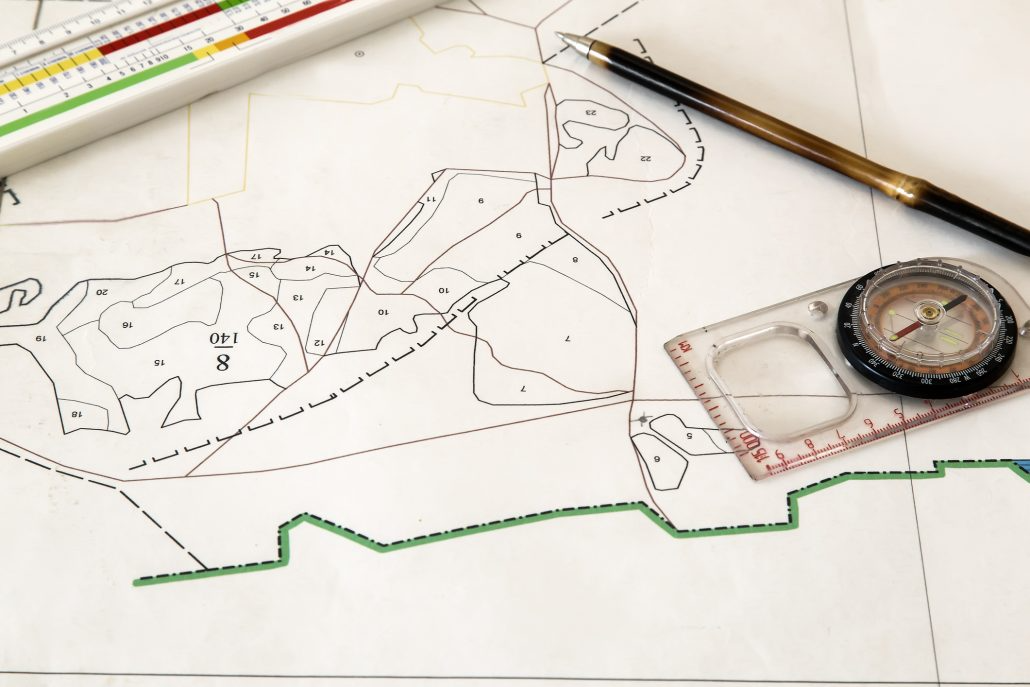
When it comes to buying or selling land, especially in the wine industry, it's crucial to ensure that property boundaries are clearly defined. One of the most important tools for achieving this is an ALTA/NSPS survey - an industry standard for real estate transactions. Ray Carlson & Associates specializes in provided detailed ALTA surveys for wineries, vineyards and other wine industry properties. Understanding what an ALTA survey entails and why it's important can help ensure that your property transactions proceed smoothly. What is an ALTA Survey? An ALTA/NSPS survey is a type of land survey that adheres to specific standards set by the American Land Title Association (ALTA) and the National Society of Professional Surveyors (NSPS). These surveys are typically required for real estate transactions, particularly those involving title insurance. They provide a detailed report of the property's boundaries, improvements, easements, and any oth
00