
Filter Post Type
NewsVideoProductEventLink
Sort:
Most Recent
1–10 of 18


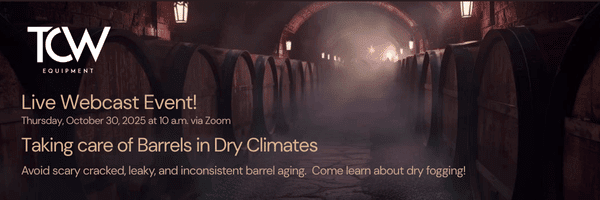
Taking care of Barrels in Dry Climates Halloween isn't the only spooky season around the corner. Winter means drier air, which is seriously scary if you're aging in barrels. You know the struggle with inconsistent humidity: shrinking staves, loose hoops, constant topping, and barrels that don't last as long as they should. Traditional misting systems often make things worse with mold growth and maintenance headaches. Join us for a live webcast: Taking Care of Barrels in Dry Climates In this 45-minute session, you'll discover: How dry fog technology protects barrels without creating wet surfaces or mold Real solutions for excessive evaporation and cracking (using only a few gallons of water per day) Live demonstration of ultrasonic nebulization that maintains perfect humidity levels ROI breakdown showing how the system pays for itself through extended barrel life Advanced applications including sanitization and temperature control Plus, you'll get your specifi
00
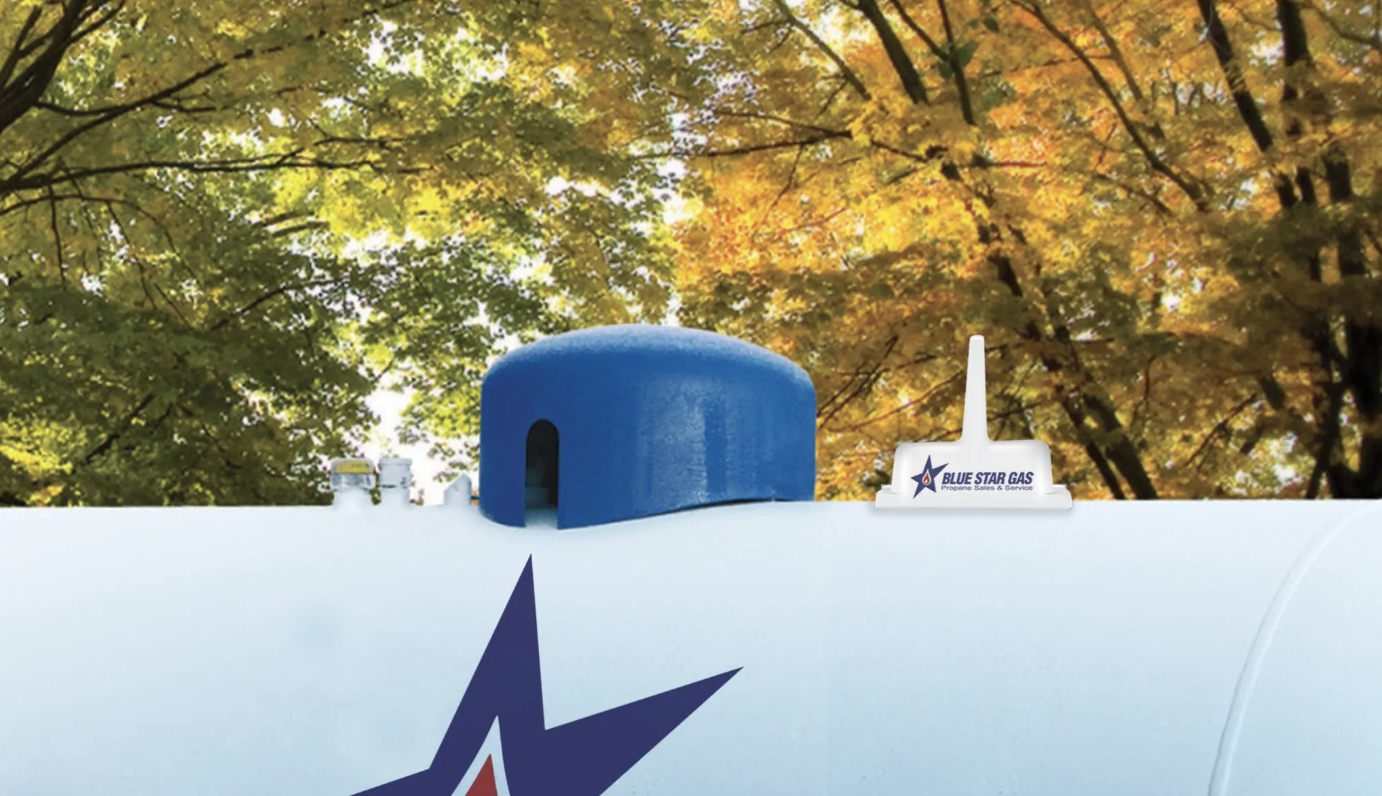
In the wine industry, operational reliability, energy efficiency, and sustainability aren't just buzzwords—they’re necessities. Whether it’s keeping fermentation tanks at precise temperatures, fueling equipment in remote vineyards, or ensuring production doesn’t stop during blackouts, propane has quietly become a critical tool for modern wineries. And no one understands this better than Blue Star Gas. Why Propane Makes Sense for Wineries Wineries have unique energy needs. Many are located off the beaten path, where access to natural gas is limited or unreliable. Others face seasonal demands, requiring scalable energy solutions that can adapt as production ramps up. Propane checks all the boxes: Reliable Energy – Propane systems offer consistent power without dependence on aging electrical infrastructure. Lower Operating Costs – Propane appliances are energy-efficient, reducing fuel usage and utility bills over time. Environmental Benefits &ndash
00

April 23, 2025
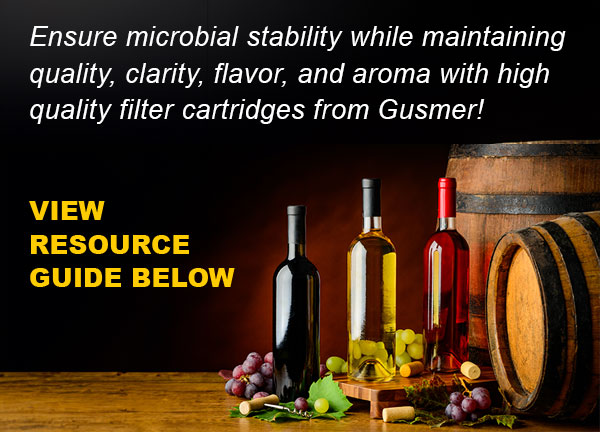
Resource Guide: Technical Application Briefs To achieve the best process economics an efficient winery must operate on a Total Cost of Filtration basis. This recognizes that superior filter performance will yield better economics over time. Filter cost must consider total gallons throughput per change-out. A Total Cost of Filtration approach also realizes that factors influenced by filter performance are often more costly than the filters themselves. The following resources below will help you to optimize your process: FC 01 Cartridge Cleaning Sanitization & Storage Wine FC 02 Calculating Pressure Drop Specifications Wine FC 03 Integrity Testing Of Membrane Filters Wine FC 04 Reverse Bubble Point Instructions Wine FC 05 Final Retention Understanding Nominal And Absolute Ratings Wine FC 06 Maintaining And Measuring Wine Filterability FC 07 Water Quality At Final Filtration Wine FC 08 Total Costs Of Filtration Wine FC
00

Our BIGGEST SALE Of The Year! Until 4/30/25, you can save up to $1000 on a Hotsy pressure washer. It's a great opportunity to upgrade your equipment to best meet your company's cleaning & sanitizing needs. And check out the savings on select Floor Care and Hotsy Detergents! And that's not all! It's the return of our popular 6 Months Same as Cash! So not only do you save, you can get a Hotsy today with no money down and take 6 months to pay. No cash up front & no interest. Now that's the way to save! But don't delay - this offer expires 4/30/25. Learn More
00
September 13, 2023
The award winning mister uses significantly less water, a critical factor to wineries seeking more sustainable practices.
00
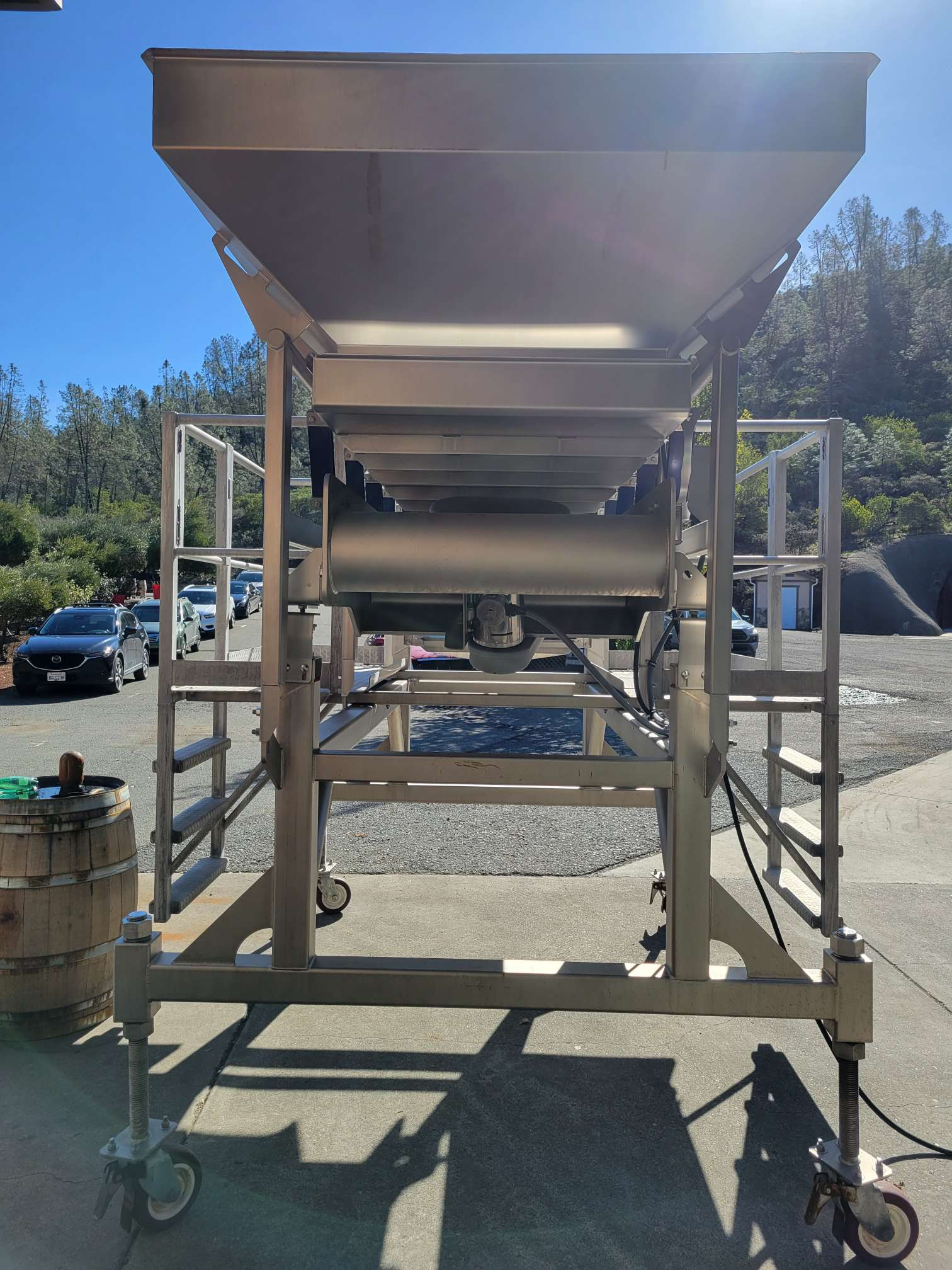
KEY Iso-Flow Elevated Sorting Table with Receiving Hopper for Bins In Excellent Condition! Great for whole cluster sorting before a destemmer Dump entire ½ ton grape bin a once Precisely meter whole clusters for sorting up to 8 tons per hour Includes MOG Screen Cleaning and Sanitization is EASY! Click here to view full details. Priced to Sell. Call 707-573-3154 or email today! sales@revolutionequipmentsales.com
00
November 10, 2022
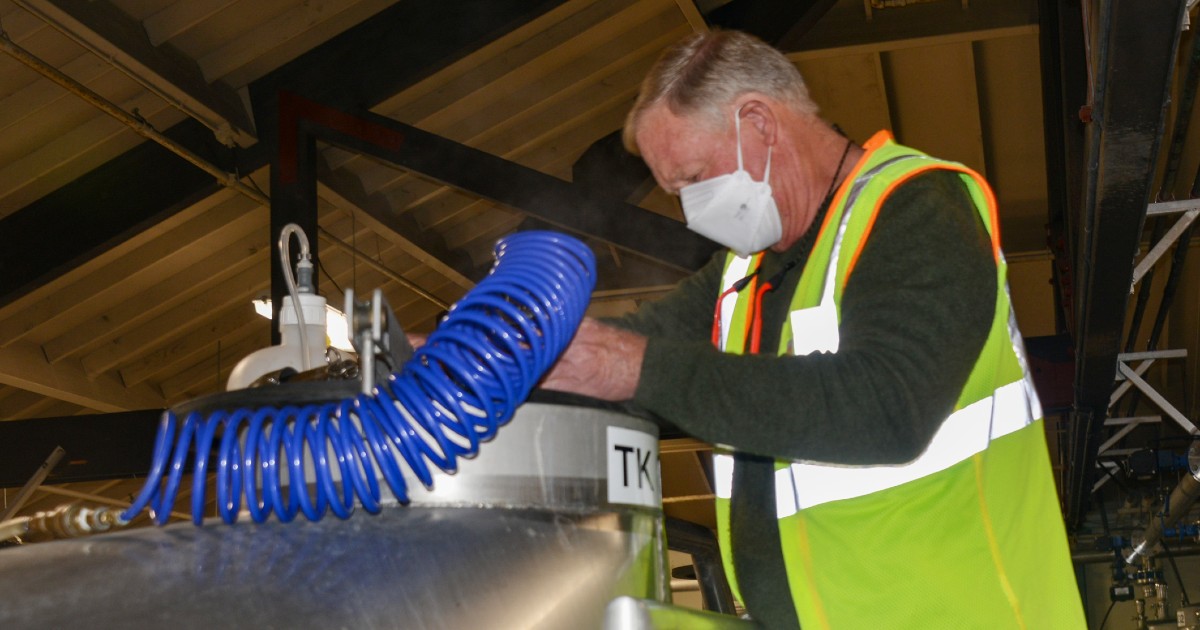
California Soda Company specializes in winery sanitation. We provide industrial cleaners, Eco-friendly sanitizers, additives, food grade products and chemical dispensing equipment. California Soda Company wanted to improve sanitization sustainability, and created the chlorine dioxide tank sanitation system, a patent-pending solution that reduces water usage by 98% by using a fine mist spray of chlorine dioxide (CIO2) to the tanks’ interior surfaces. The chlorine dioxide tank sanitation system was awarded a 2020 WINnovation Award. Read more about it on the Wine Industry Advisor: Innovative CIO2 Mister Reduces Water Use in Tank Sanitization by 98% Visit our booth at the WIN Expo to learn more about our innovative tank sanitation and see our large variety of products and learn why we are the most knowledgeable in the business. Wine industry professionals agree we offer the technical knowledge and practical experience to advise on best practices for safety, cleanliness, and eff
00
September 26, 2022
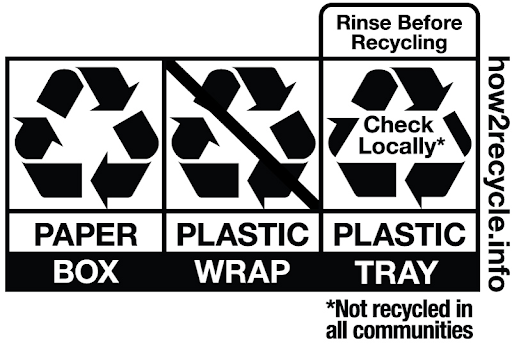
Aluminum cans have become a container of choice among beverage producers, especially canned wine, craft beer, and ready-to-drink cocktails. Aluminum cans have a long, unique life cycle that’s relatively sustainable, but there’s a lot to think about when creating can labels to make sure this remains true. ALUMINUM CAN RECYCLING IS GOOD FOR THE ENVIRONMENT It’s also good for the supply chain. In 2020, U.S. aluminum can recycling was at 45%—a rate higher than plastic bottles (20%) or glass (39%). The Can Manufacturers Institute (CMI) wants to see this number grow to 70% by 2030 and all the way to 90% by 2050. An increase in can recycling can have a big impact on environmental sustainability. The carbon footprint for producing an aluminum can made from recycled aluminum is dramatically lower than that of a can sourced purely from mined bauxite. And aluminum cans are infinitely recyclable: they can be recycled into new cans over
00

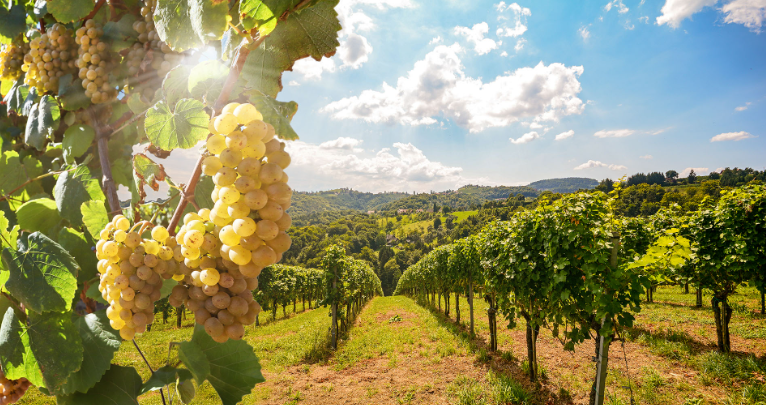
Reducing and managing winery wastewater goes beyond complying with regulations or being kind to the environment. It is a business initiative which is linked to efficiency and profit. The more water a winery consumes, and the more wastewater produced, the more it costs to treat the water, both in equipment needed and time. Understanding how a winery uses water and generates wastewater, both during vintage and non-vintage times, is the first step. From there, changes can be implemented to reduce how much wastewater is generated, and to improve the quality of that wastewater. BENEFITS OF MANAGING WINERY WASTEWATER A winery can greatly improve production efficiency and reduce costs by creating and maintaining an efficient operational flow, which includes reducing and managing water usage. Streamlining cleaning processes reduces time and therefore labor and chemical costs. Using less water also means a reduction in water supply costs and wastewater disposal fees. Properly treated wast
00