
Filter Post Type
NewsVideoProductEventLink
Sort:
Most Recent
1–5 of 5

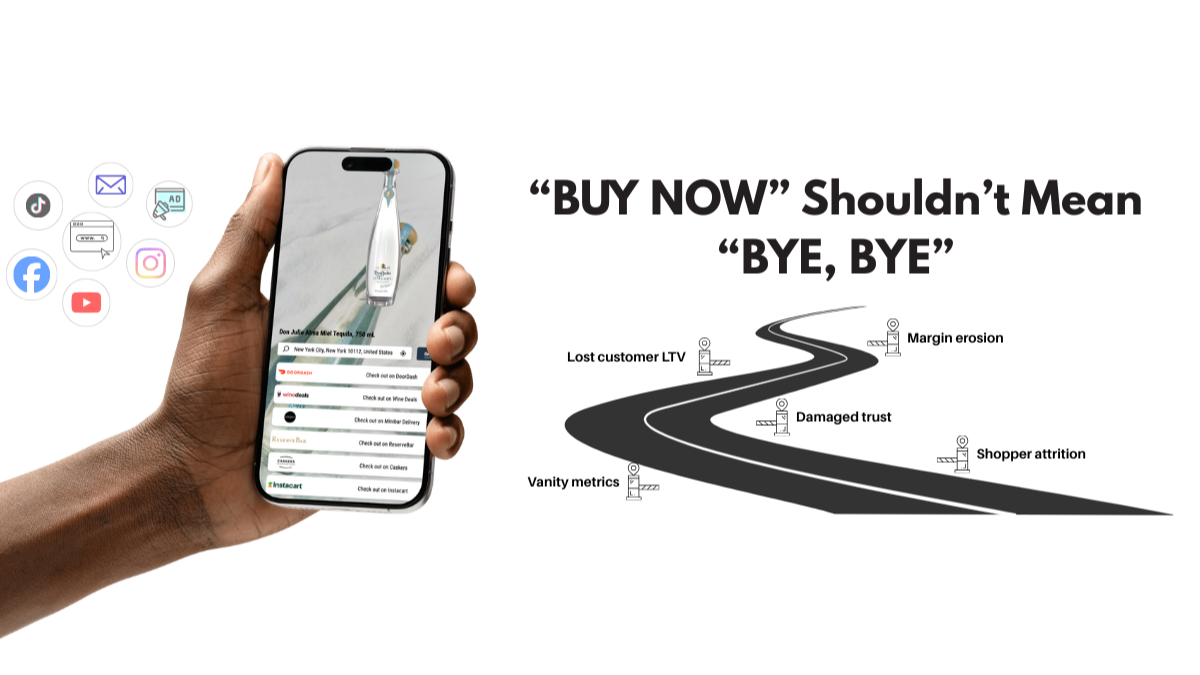
We live in a world where distributed brands have to do real work to help customers find the best and right place to buy, wherever they are. The old answer was the “retailer locator”: a sad cluster of outdated pins on a map, with no genuine path to purchase and a short whitelist of stores that ignore the majority of retailers selling your product. Antiquated Map Solutions Then “carting solutions” showed up. In theory, they were an upgrade of the experience: software that turns brand demand into a buy flow and gives you attribution along the way. In practice, they offer a path to purchase from a painfully limited roster of retailers, mostly big national chains plus marketplaces.Modern Carting Solution But in the U.S., most products don’t have clean, national-chain coverage. And most carting tools don’t have a multitude of smaller chains or independent retailers. So they do the expedient thing: when they can’t find a great retailer match, they
00
May 7, 2024

By Cheryl Durzy, Founder & CEO, LibDib From my desk here at LibDib, the recent closure of Drizly has been a topic of both professional and personal contemplation. Drizly wasn't just another tech startup; it was a pioneer in the compliant delivery of alcohol, blending innovative tech with a flair for irreverent marketing—exactly what the beverage industry needed back in 2015. Despite its downfall, partly hastened by a significant data breach, I have only respect for what Drizly achieved and for its team, some of whom I've been fortunate enough to know personally. In fact, one of the Drizly founders reached out to me within days of LibDib's launch. We discussed potential synergies, shared visions and experiences that highlighted the power of innovation in our field. Later, during the pandemic, we even exchanged town hall meetings and company swag, fostering a spirit of camaraderie. These interactions are cherished memories now (along with my Drizly hoodie), especial
00

Happy 2022! As we roll into the new year, the LibDib team has begun to implement our latest plans which always includes a focus on the trends for the upcoming year. In the same tone as 2021, Tequila, RTD’s and Whiskey will continue to be the category winners. Champagne supplies will be short. These are the trends that everyone is talking about. What else is the beverage alcohol industry, and more importantly wholesale distribution, going to see in 2022? Here are the LibDib predictions for 2022 challenges and opportunities. Supply Chain shortages will continue. The Challenge: This past OND, LibDib had a number of wine and spirits Makers with out of stocks. Unfortunately, no end is in sight. Bottles wouldn’t show up. Labels were three weeks late. Boxes. Corks. Foils. Everything was late. If you know anything about bottling as a small Maker, it’s very challenging if all the materials are not there on time. Labor is scheduled for the day. Sometimes there is a m
00

November 9, 2021

Afternoon Brief, November 9th
As Restaurants Reopen, Sommeliers Re-Envision Wine Lists: Restaurants closed throughout much of 2020 when the novel coronavirus caused a series of lockdowns. To cover the costs of lost sales and in order to continue to pay employees, the monthly rent, and attempt to stay in business, some restaurants resorted to selling much—in some cases all—of their wine inventories...
00
March 17, 2021
On-Premise. Off-Premise. Two concepts that we, in the beverage industry, are all too familiar with. But now, there is another universe to think about when it comes to developing an alcohol brand and selling products: E-Premise. What is e-premise and why are we talking about it these days? At LibDib, we define e-premise as a “direct to consumer” brand built primarily online. DTC is in quotes because these programs are within the three-tier system and all orders to consumers are fulfilled via licensed retailers. Makers commit time and marketing dollars to drive consumer brand building and sales through a fourth-tier platform, which drives the retailers to then purchase via LibDib as the distributor. But, one of the more interesting factors of these programs is the data collection. These fourth-tier platforms provide customer data back to the Makers, which can be used in various ways. This is a new-ish development in the wine and spirits industry. In past years, a
00