
Filter Post Type
NewsVideoProductEventLink
Sort:
Most Recent
1–10 of 42
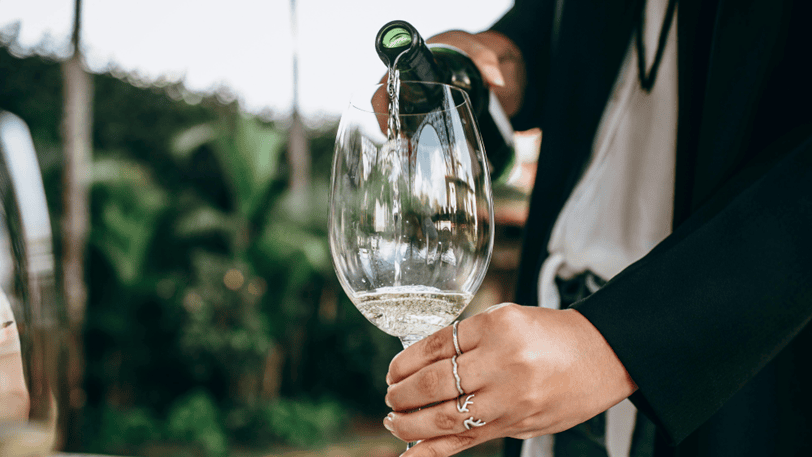
Sustainability in winemaking comes down to operational decisions. The right equipment can reduce refrigeration demand, lower water use, cut product loss, and simplify production flow without compromising wine quality. That is where BevZero’s equipment portfolio stands out: it addresses the day-to-day constraints wineries actually face during
beverage product development
, from cold stabilization and insulation to dealcoholization and wastewater management.
Key Takeaways
Wineries improve sustainability through systems, not one-off fixes.
BevZero distributes equipment that targets major production pain points, including energy-intensive refrigeration, water waste, and process inefficiency.
ClearAlc supports lower-impact dealcoholization.
The system uses a single-pass vacuum distillation process designed for high energy efficiency, low operating temperatures, and minimal water use.
Tank-level efficien
00
May 4, 2026
Hillside Cabernet Franc, Elevated
Now available:
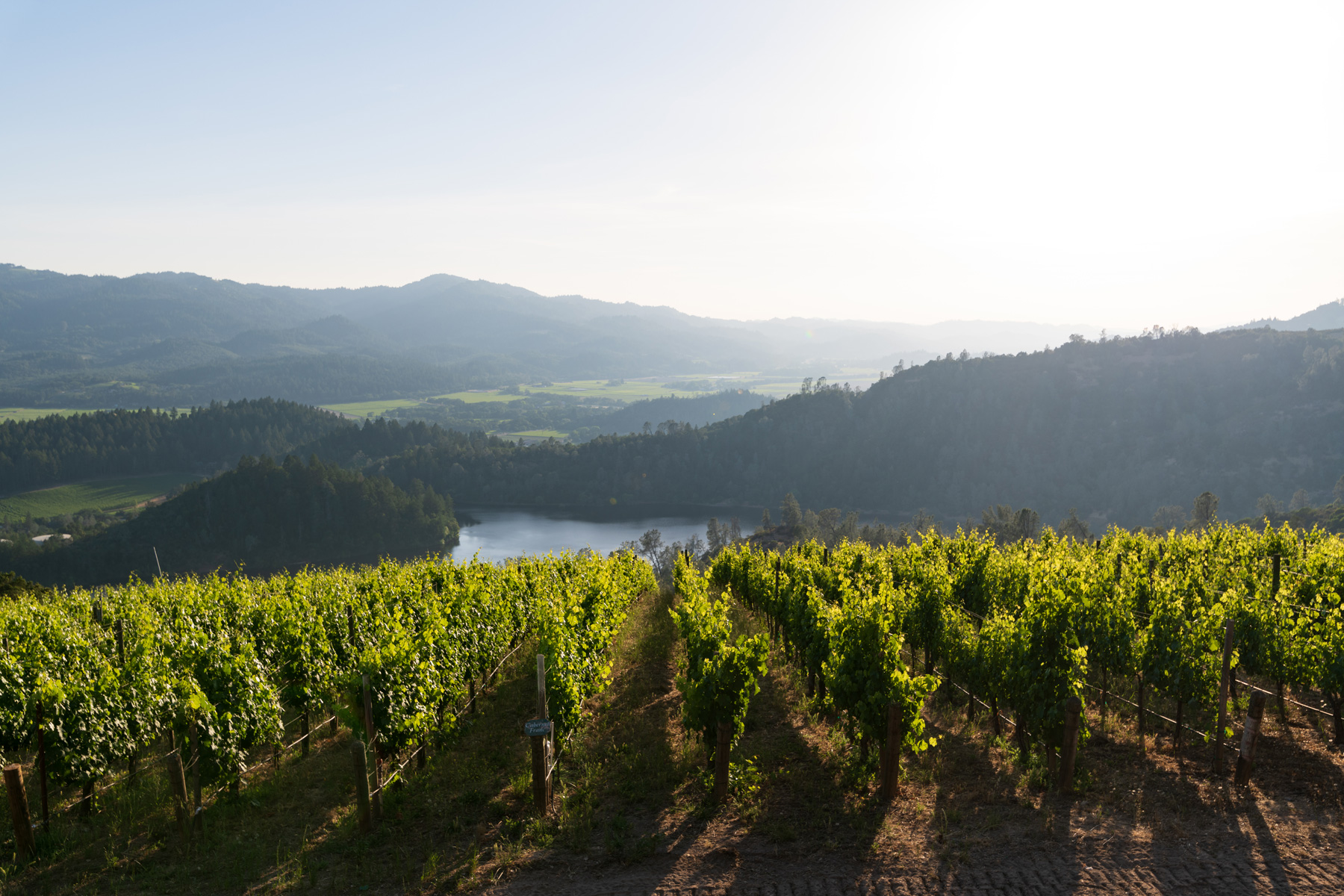
Premium Cabernet Franc grapes from the Crystal Springs AVA in Napa Valley
— a rare opportunity to source fruit from one of the region’s newest and most distinctive hillside appellations.
Crystal Springs is defined by its
rugged volcanic soils, steep slopes, and elevations reaching up to 1,400 feet
, creating ideal conditions for producing fruit with
intensity, structure, and layered aromatics
.
Cabernet Franc thrives in this environment, developing
deep color, expressive aromatics, and a balance of ripe fruit and mineral character
that makes it highly desirable for both blending and premium standalone wines.
With vineyard sourcing decisions actively underway, listings like this offer wineries the chance to
secure distinctive, site-driven fruit early
and build future vintages around emerging Napa terroir.
00

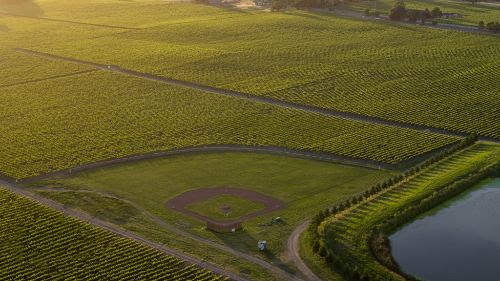
In the film Field of Dreams, a quiet voice whispers a simple promise: “If you build it, he will come.” The idea was never really about baseball. It was about creating something meaningful and trusting that the right people would be drawn to it. The wine industry is standing at a similar crossroads. For decades, wineries have operated on a simple assumption: make great wine, tell a compelling story, and consumers will come. Craft the product. Earn the accolades. Build the brand. But the next generation of wine consumers is telling us something different. Gen Z, now entering legal drinking age and shaping the future of hospitality, is not primarily seeking bottles to collect or scores to chase. Many say they are looking for something more fundamental: connection, community, and places where they can gather with friends away from the constant pull of the digital world. In other words, they are looking for a third space. For winery owners, executives, and Direct-to-Consumer lea
00
April 14, 2026
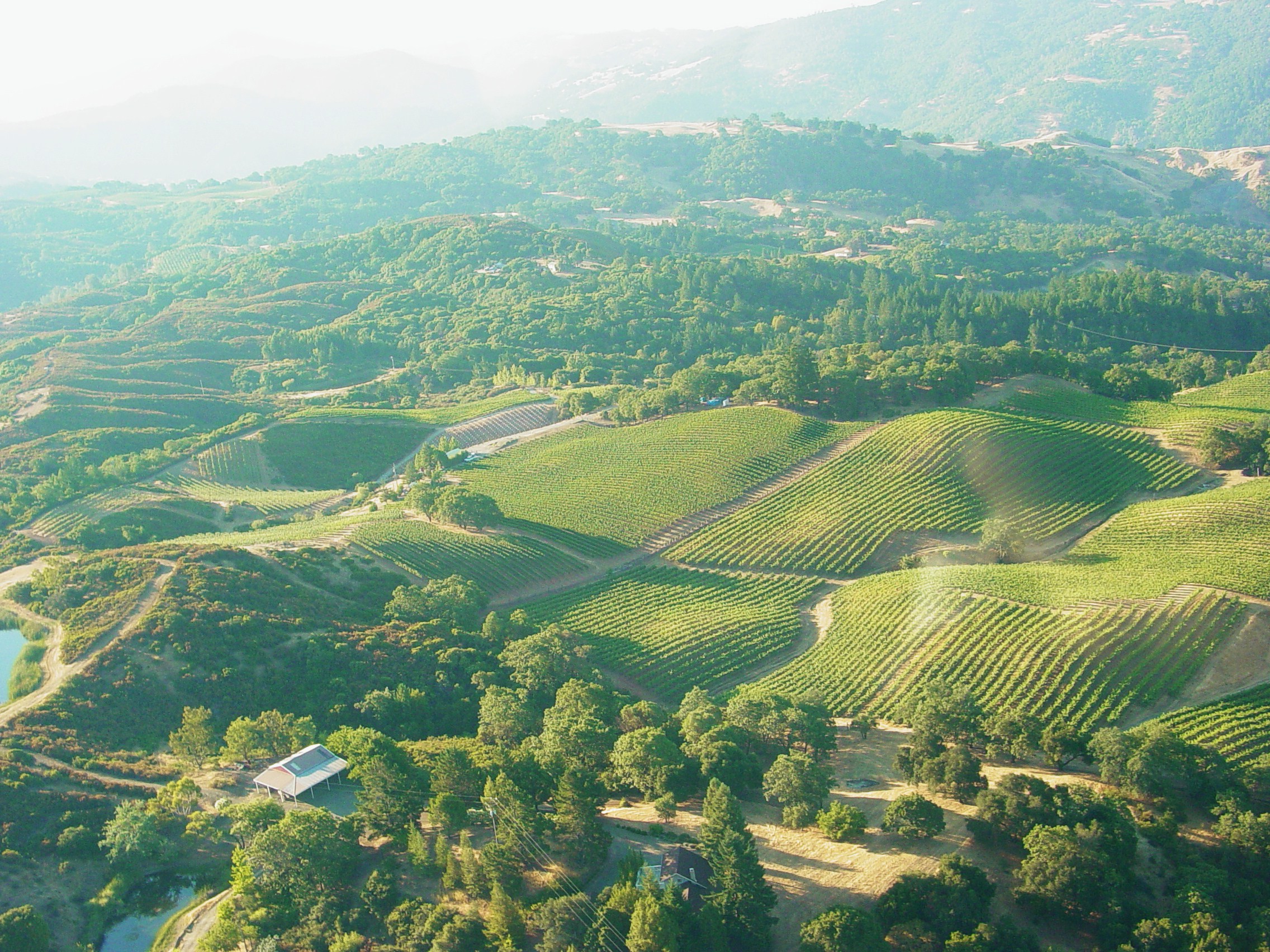
Everything You Need for a Bordeaux Blend Now available: Alexander Valley Bordeaux varietals — a rare opportunity to source all five Noble Bordeaux grapes from a single vineyard offering. This listing provides a true one-stop solution for wineries building out a complete Meritage or Bordeaux-style program, with fruit from one of Sonoma County’s most established Cabernet-growing regions. Alexander Valley is known for its warm days, cool nights, and consistent ripening conditions, producing Bordeaux varietals with structure, depth, and balance — ideal for both blending and standalone wines. As wineries move deeper into vineyard sourcing for the upcoming harvest, listings like this offer a valuable opportunity to evaluate fruit and secure tonnage early. View Listing The WIN Marketplace is built to connect buyers and sellers across the wine industry, and vineyard listings like these Alexander Valley Bordeaux grapes highlight how the platform helps win
00
March 17, 2026
Upcoming opportunities include wine placements in new studio productions, including an MGM feature starring Charlize Theron. IRVINE, CA — Sipcrü Studios, a media placement company connecting wineries, spirits, and craft beverage brands with major film, television, and streaming productions, today announced a partnership with Corksy, the modern direct-to-consumer platform for wineries. Through this partnership, Sipcrü Studios serves as a sourcing partner for productions seeking authentic wine and beverage brands for on-screen environments, working directly with studios, prop masters, and production teams responsible for building dining, restaurant, and hospitality scenes. Corksy will help connect wineries with these placement opportunities while giving its clients priority access to certain productions. Wine and spirits are a natural part of the environments portrayed in film and television, appearing regularly in dining scenes, celebrations, and hospitality settings ac
00
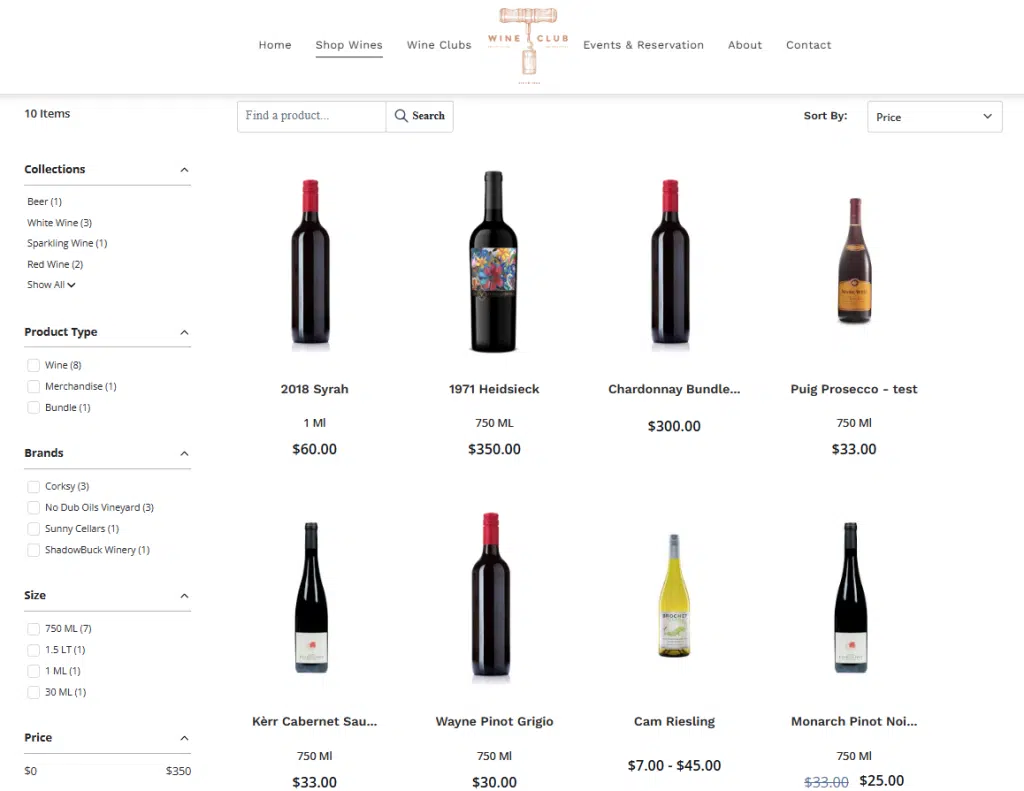
A few years ago at the DTC Wine Symposium, a panelist joked about the modern winery website formula: the guy, the dog, the truck, and the vineyard. Beautiful backdrop, strong lifestyle photography, a thoughtful founder story. Polished, absolutely. Strategically distinct, rarely. The critique wasn’t about branding. It was about structure. Most winery websites aren’t broken, but they aren’t built as decision environments either. Calls to action are unclear, revenue pathways are buried, shipping surprises appear late, and wine club often lives in isolation instead of throughout the buying journey. After auditing winery sites across regions and production sizes, the pattern is consistent: performance is constrained by friction, not effort. Most wineries don’t have a traffic problem. They have a conversion architecture problem. Before increasing ad spend or launching another promotion, run a winery website audit — on your phone. Start at the homepage and move t
00


Ten Ways Wineries Can Evolve From Selling Bottles to Creating Experiences That Resonate With a New Generation. If I told you a winery just opened with no vineyard, no winemaker on staff, and no interest in talking about terroir… would you visit? What if I told you it had a silent disco in the barrel room, a drag brunch series, and a 3-month waitlist for a zero-proof pairing menu? Those wineries exist. And they’re thriving. Because for a new generation of visitors, the wine isn’t the reason—it’s the reward. It’s not about what you pour anymore. It’s about how you make people feel. And we used to excel at this. But then we woke up one day… and it wasn’t working like it used to. The same offers stopped converting. The same messages started falling flat. The same visitors didn’t come back. And it’s not because we got worse at what we do. It’s because the customer changed. What they want. How they behave. Where t
00
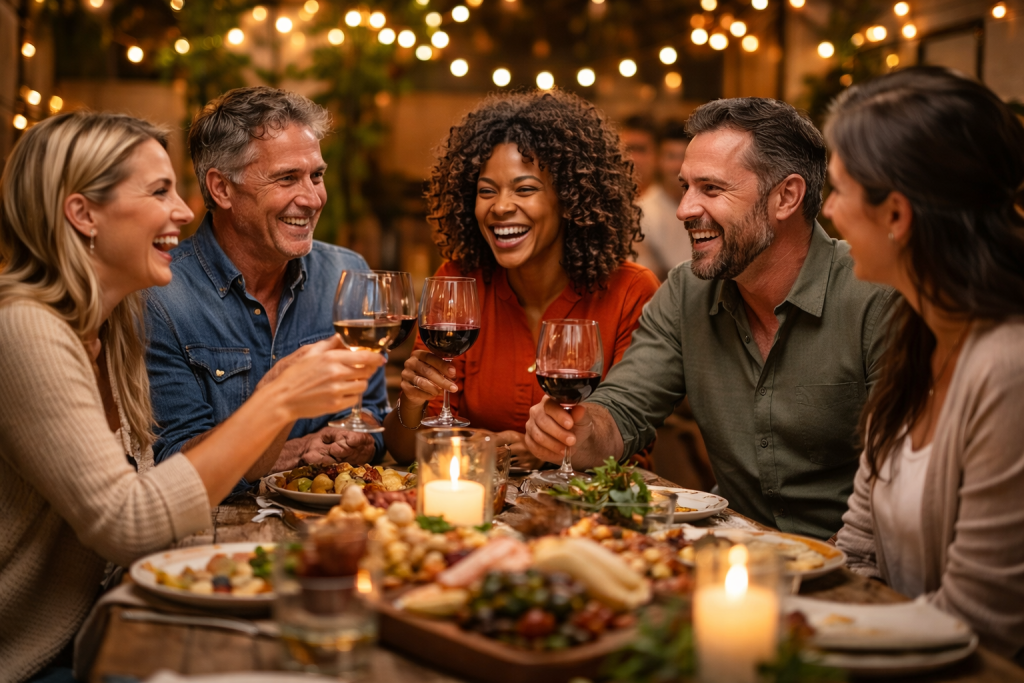
The wine club isn’t dying. It’s being rewritten. Wine clubs in 2026 still matter, but the way wineries build and grow them has fundamentally changed. What has changed is the lifestyle of the people in them. In 2026, the strongest force shaping wine club behavior is the Millennial generation — not because they are the only wine buyers, but because the way they live, spend, and subscribe has become the default expectation for everyone else. They are running households, hosting friends, raising families, managing busy schedules, and making more intentional purchasing decisions than any generation before them. That reality is quietly transforming what a wine club needs to be. Why lifestyle now matters more than allocations Wine clubs used to compete on bottles: how many, how rare, how discounted. That’s not how people experience wine anymore. Most members don’t think in terms of allocations or case sizes. They think in terms of how wine fits into their lives &
00
November 24, 2025
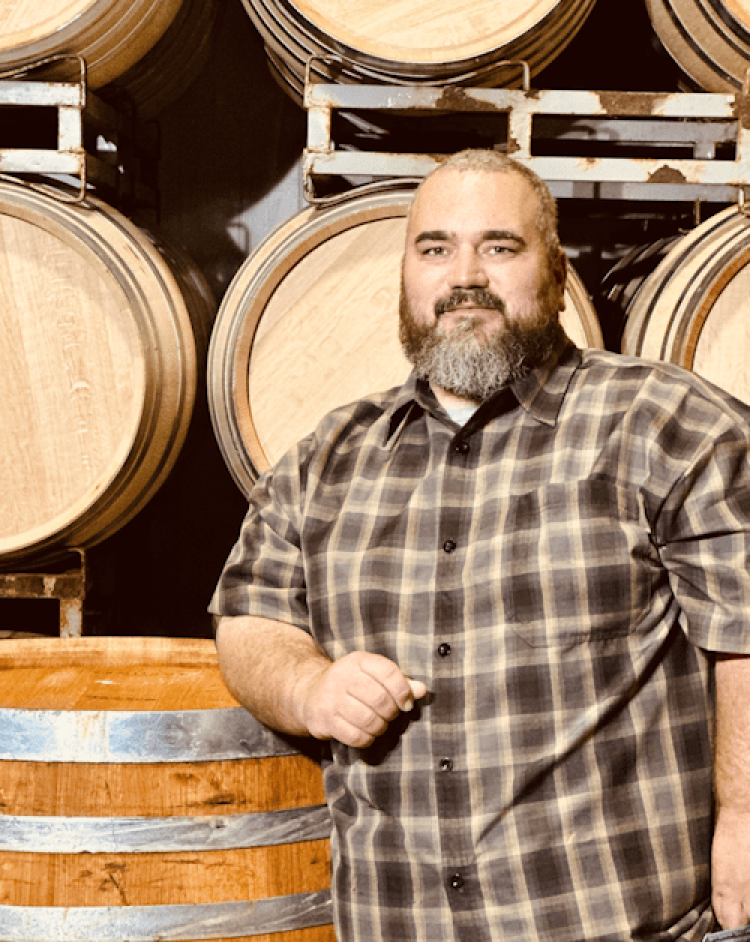
Walk into almost any winery this week and you’ll see the same thing: equipment everywhere, barrels tucked into every open spot, and crews doing their best to move fruit through a cellar that already feels packed. Harvest always brings some level of chaos, but this year the space squeeze seems to be hitting harder than usual. And when the cellar is this tight, it quietly changes how winemakers make decisions. Not in big, obvious ways — but in the small, practical choices that add up over the course of a vintage. That’s where the hidden costs start to show themselves. 1. Lots Are Being Shifted Earlier Than Planned A full cellar forces movement. Not thoughtful, deliberately timed movement — just movement. When every open vessel is already promised to incoming fruit, winemakers end up: racking earlier transferring before a lot is truly settled finishing fermentations in whatever vessel is available consolidating lots sooner than planned None of these decisions a
00
August 28, 2025

Every member of your club is not exactly the same. So why are you treating them that way? The typical winery sends identical emails to every member of their club, from the first-time joiner who discovered you last weekend to the loyal patron who's been with you for a decade. The result? Generic messaging that resonates with no one. Segmentation, the practice of dividing your audience into meaningful groups based on shared characteristics, isn't just marketing jargon. For wineries, it's the difference between treating members like transaction numbers versus building relationships that keep them enrolled for years. In this guide, we'll explore practical segmentation strategies that don't require a data science degree—just your existing CRM tools and a willingness to see your members as individuals rather than a homogenous list. The Problem with "One Size Fits All Wine Club Communications The allure of the single-list approach is obvious: it's fast, it&#
00