
Filter Post Type
NewsVideoProductEventLink
Sort:
Most Recent
1–10 of 10
October 9, 2025
In California, water scarcity is an ever-growing concern, and as droughts become more frequent, it’s vital that our landscapes adapt. At Allen Land Design, we’re passionate about creating outdoor spaces that not only look beautiful but are also resilient and sustainable. When designing landscapes for wine country or any drought-prone region, the goal is to choose plants, materials, and techniques that conserve water while enhancing the beauty and functionality of the space. Xeriscaping—the practice of using drought-tolerant plants and water-efficient design—is the cornerstone of sustainable landscaping. Plants like lavender, succulents, and ornamental grasses are perfect for the dry conditions of Sonoma County, adding texture, color, and movement without relying on excessive water. One of our favorites, the California native sage, is not only stunning with its silvery leaves but is also a magnet for pollinators, helping support local wildlife. Beyond plant
00
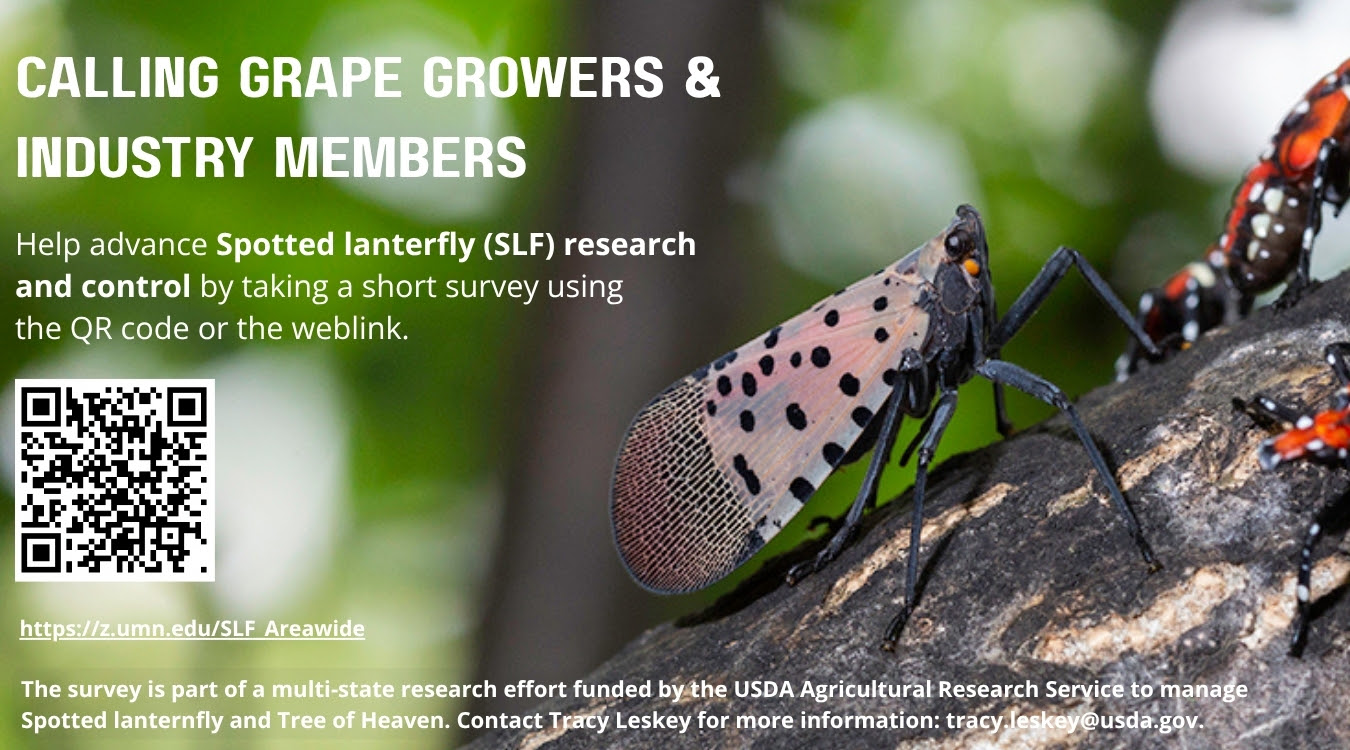
Researchers at the USDA-ARS Appalachian Fruit Research Station—working in partnership with Virginia Tech, Penn State, Rutgers University, and others—are leading a multi-state initiative, Areawide Management of the Invasive Spotted Lanternfly and Tree of Heaven. This project aims to suppress populations of both invasive species to improve ecosystem health, reduce insecticide use in vineyards, protect pollinators, and minimize crop losses. Your input is vital. Help guide this important research by taking a brief survey about how Spotted Lanternfly is—or could—impact your business as it spreads. Your responses will help shape future management strategies. Take the survey now.
00
Event Type: Seminar
Location: McIntyre Vineyards, 31901 Sanchez Rd., Soledad, CA 93960
Date: 6/27/2025
Join us to explore how pollinator conservation, hedgerows, and innovative technology can enhance vineyard health and productivity. Learn practical strategies to protect beneficial species, reduce pesticide impacts, and attract birds that support your vines. Experience a guided hedgerow walk at McIntyre Vineyard, gain insights from an expert panel discussion, and witness a demonstration of beneficial insect release. REGISTER Speakers: Madeline Kangas, Xerces Society Sara Frazer, Monterey Pacific Jazmin Lopez, Pisoni Vineyards Jaclyn Bennett, Parabug Sam Earnshaw, Hedgerows Unlimited JoAnn Baumgartner, Wild Farm Alliance CE Approved: DPR 1.5 - O; CA 2 - S
00
May 20, 2025
Sonoma County is home to a remarkable array of native plants, each contributing to the rich tapestry of our local ecosystems. These plants are not only beautiful but also play a critical role in sustaining the health of our environment. From the rugged coastal ranges to the sun-soaked valleys of wine country, Sonoma’s native plants have evolved to thrive in our Mediterranean climate—making them ideal for sustainable and low-maintenance landscaping. Native plants are uniquely adapted to the soil, rainfall, and temperature of their home region. This means they require less water, fewer chemical inputs, and minimal maintenance compared to non-native species. In landscaping, that translates to less work for property owners and more harmony with the environment. Seven Native Plants Ideal for Sonoma County Landscapes 1. California Poppy (Eschscholzia californica) Hearty as they are iconic, our state flower thrives in full sun and well-drained soil. Its bright orange blooms are a
00

Sustainable farming practices are essential for protecting the environment, improving long-term agricultural productivity, and supporting healthy communities. In fact, many of the methods highlighted today are shared across a variety of certification programs, from sustainable certifications like SIP Certified to regenerative programs like Regenerative Organic Certified (ROC). While each certification has its own specific requirements, the core principles of responsible farming remain consistent. In this week’s Marketing Tip, we’ll take a closer look at three key areas – Water Management, Soil Health, and Habitat Preservation – and how sustainable farmers manage them to ensure future success. Water Management Water is one of agriculture’s most critical resources. Sustainable farmers work carefully to both use water efficiently and protect water quality. Efficient Irrigation Anyone who has struggled to keep a plant alive knows that plants
00
May 24, 2024
The 3rd annual Healdsburg Wine and Food Experience was a weekend-long celebration that featured the best of Sonoma County and world-renowned food and wines. This year's festival showcased the region's makers – farmers, growers, winemakers and chefs – alongside globally recognized wines, highlighting the vibrant culinary diversity, deep connection to agriculture, and sustainable farming practices of Sonoma County. HWFE is deeply involved in the Sonoma County community, making substantial donations from this year’s ticket sales and sponsorships to local organizations that make a meaningful difference in the lives of farmers and their families, including the Sonoma County Fundación de la Voz de los Viñedos. These funds will help support the Leadership Academy and workforce development for vineyard employees and their families, fostering future leaders in both the industry and the community. As well as being co-founders of HWFE, Sonoma County Winegro
00

March 22, 2024
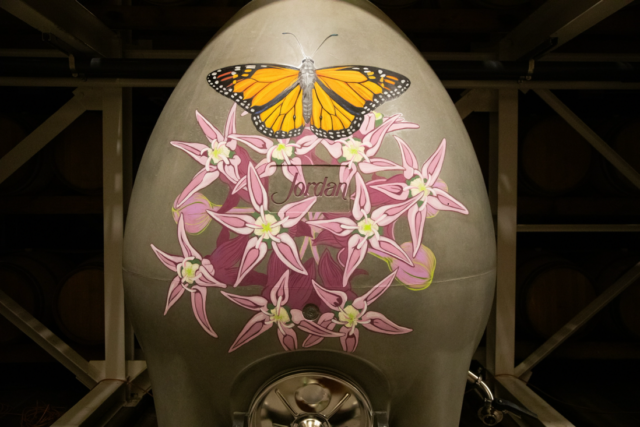
Jordan Vineyard & Winery Unveils “Pollinator Pairings” Artwork for a Cause
Healdsburg Winery’s Second Annual Concrete Egg Art Installation Offers A Vibrant Tribute to Nature’s Vital Partners Healdsburg, Calif. (March 19, 2024) – Jordan Vineyard & Winery, the distinguished producer of French-inspired […]
00
September 20, 2023
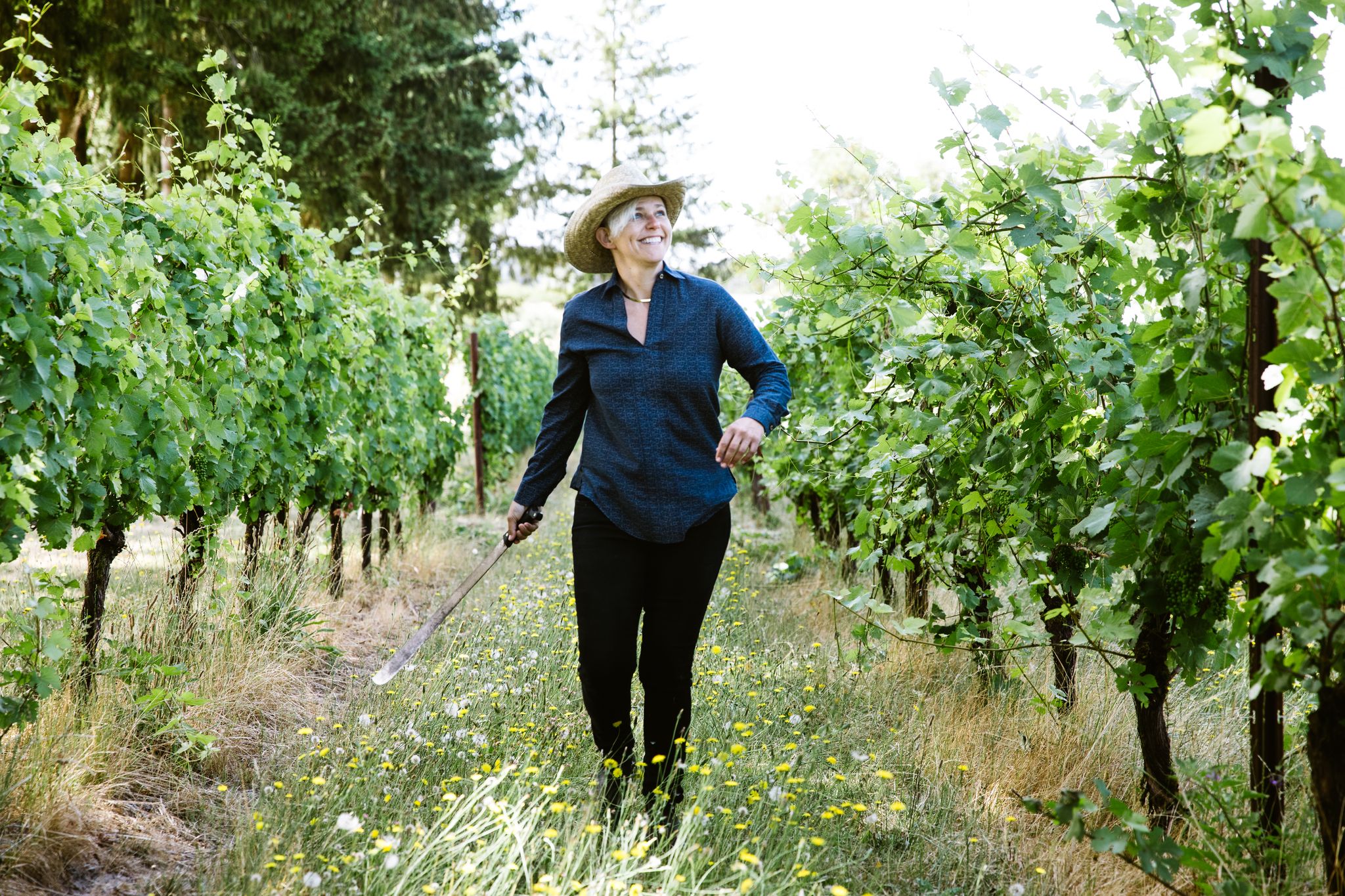
Remy Wines Awarded Pollinator Partnership Grant to Enhance Habitat for Bees
Pollinator Partnerships innovative Seed Grant program offers support not in the form of funds, but rather,in seeds Dayton, Ore. (September 20,
00
April 12, 2023

Pollinator Partnership Honors 2022 Monarch Sustainer of the Year Award Winner Jordan Vineyard & Winery
April 11th - Pollinator Partnership is pleased to present Jordan Vineyard & Winery with the 2022 Monarch Sustainer of the Year Award. This award
00

October 12, 2020
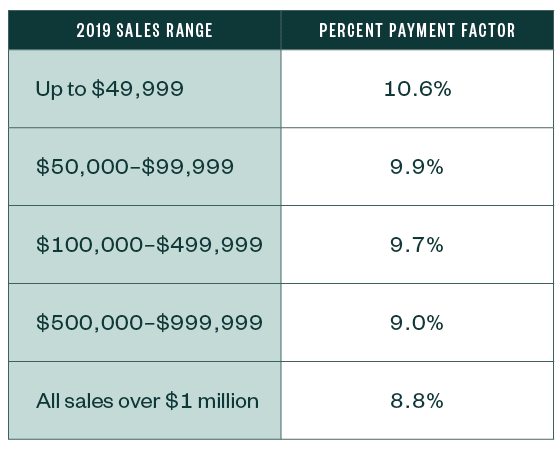
For more information on the original round of funding from the US Department of Agriculture’s (USDA) Coronavirus Food Assistance Program (CFAP), please see our previous article.
On September 18, 2020, the USDA announced a new program and additional round of funding for agricultural producers who continue to face market disruptions, and associated costs, due to COVID-19.
Signup for CFAP 2 began September 21, 2020, and runs through December 11, 2020.
Brief Overview
Brief Overview
Eligibility and payment limits are separate from the CFAP 1 program. If you’ve already applied for CFAP 1, make sure to check eligibility for CFAP 2, evaluate your eligibility and if you want to apply, then apply as soon as possible. Applications can be submitted online via the USDA website or with your local Farm Service Agency office.
CFAP 2 was adapted to include more commodities that weren’t eligible in CFAP 1 including over 230 specialty crops.
CFAP 2 payments will be made
00