
Filter Post Type
NewsVideoProductEventLink
Sort:
Most Recent
1–10 of 177
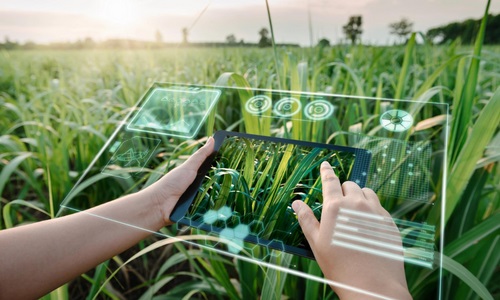
It’s not hard to see the promise of AI on a vineyard: process a ton of information and get meaningful answers quickly. The problem is that no one knows how to get started. There are no clear standards, few proven playbooks, and almost no shared examples of AI delivering measurable results inside real vineyard operations. How can you use AI on your vineyard? Keep reading... This article looks at how one vineyard management team approached AI not as a trend to adopt, but as a constraint to manage. They had too much information, too many variables and far too little human capacity to process them all. This is how they did it. The Question You Should Be Asking First A vineyard operations leader managing large-scale acreage described a situation where scale magnifies every inefficiency. Across thousands of acres and dozens of properties, the team was already using sensors, labor tracking systems, equipment data, compliance tools, and agronomic models. The problem was not lack of infor
00
As the newly crowned NCAA basketball national champions make their media rounds, you might think that NIL is just about athletes getting paid to play. But NIL is a legal concept that encompasses an individual's right of publicity and allows all individuals, not just student-athletes, to control and profit from the commercial use of their identity NIL, short for Name, Image, and Likeness, has grown far beyond endorsement deals for athletes. It’s about the core pieces of your identity: your name, your face, your voice, and the ways you present yourself to the world. In a digital world where anyone can build an audience (or be impersonated by AI), those things have real value for everyone. On March 26, 2026, the U.S. Patent and Trademark Office (USPTO) launched a new resource page that centralizes guidance on navigating name, image, and likeness in connection with trademarks and related intellectual property issues. This is a helpful first stop for understanding how branding an
00

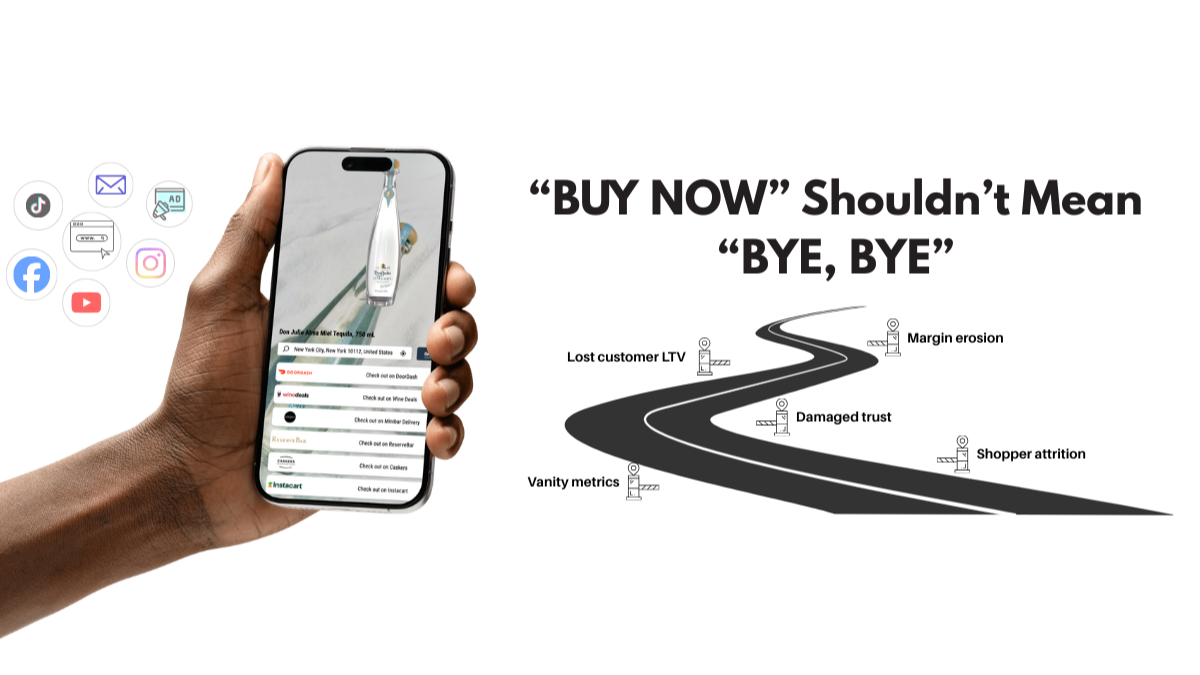
We live in a world where distributed brands have to do real work to help customers find the best and right place to buy, wherever they are. The old answer was the “retailer locator”: a sad cluster of outdated pins on a map, with no genuine path to purchase and a short whitelist of stores that ignore the majority of retailers selling your product. Antiquated Map Solutions Then “carting solutions” showed up. In theory, they were an upgrade of the experience: software that turns brand demand into a buy flow and gives you attribution along the way. In practice, they offer a path to purchase from a painfully limited roster of retailers, mostly big national chains plus marketplaces.Modern Carting Solution But in the U.S., most products don’t have clean, national-chain coverage. And most carting tools don’t have a multitude of smaller chains or independent retailers. So they do the expedient thing: when they can’t find a great retailer match, they
00
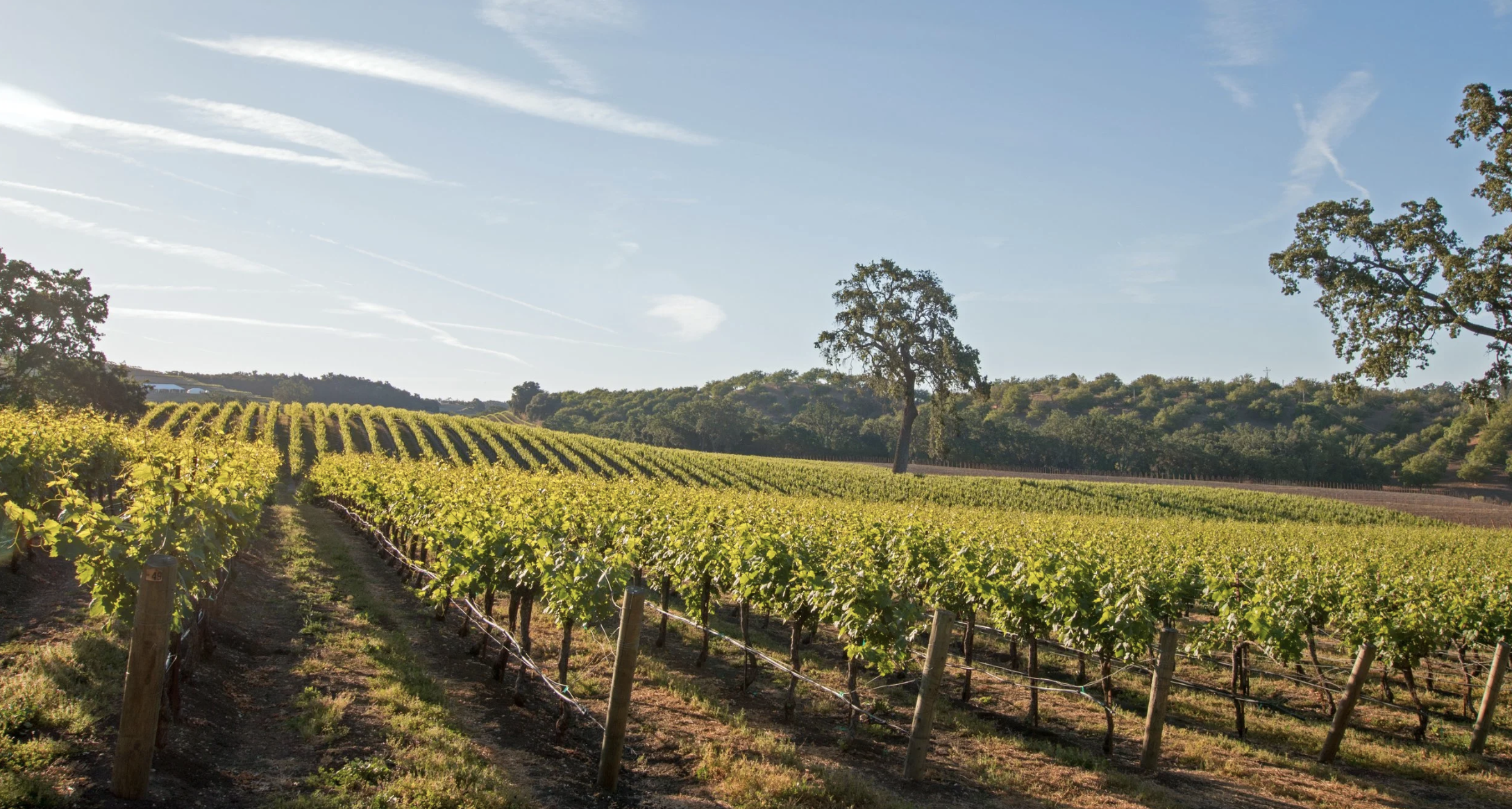
Your next customer will see your winery before they ever taste your wine. They'll see it on Instagram while planning a weekend trip. They'll see it on your website while deciding whether to book a reservation. They'll see it in an email while considering whether your wine club is worth joining. And in every one of those moments, they're making a decision based on what your visuals tell them about who you are. This isn't a trend. It's how people buy now. According to a 2023 study by Cloudinary and Harris Poll, 75% of online shoppers say product photos are the most influential factor in their purchase decisions. That number holds across categories, and it holds in wine. The difference is that wineries aren't just selling a product. They're selling an experience, a place, a feeling. Which means your visual content has to do more work than a product shot on a white background. It has to make someone want to be there. Most wineries know this on some level. Fe
00
The weather is shifting, trip-planning season is underway, and tasting room traffic is about to pick up. This is the good news. The bad news? If you're reading this and thinking "we'll get to our spring marketing when spring gets here," you're behind. The tasting rooms that stay full from April through June aren't the ones with the best wine or the prettiest views. They're the ones that showed up in someone's planning process three weeks before the trip happened. People don't stumble into wine country on a whim and wander from door to door the way they did fifteen years ago. They research. They scroll. They book. And if your winery isn't visible and compelling during that research window, you're invisible when it counts. The hotel industry figured this out years ago. Marriott doesn't wait until summer to market beach properties. They start running "book your getaway" campaigns in late winter, because they know the booking win
00
Why Wineries Need Influencer Marketing Now Here's a number that should reshape how you think about marketing: 69% of consumers trust influencer recommendations more than information coming directly from a brand That's not a slight edge. That's a fundamental shift in how people decide what to buy. For wineries, this matters more than it does for most industries. Wine is a considered purchase wrapped in uncertainty. Your potential customer is standing in a tasting room or scrolling through an online store, wondering: Will I like this? Is it worth the price? Am I making the right choice? Influencer content answers those questions in ways traditional marketing cannot. When a trusted voice says "I tried this Pinot and it's incredible with grilled salmon," that carries weight. It's a peer recommendation disguised as content. Instagram and TikTok now drive wine discovery among younger audiences, and 87% of Gen Z consumers say they're willing to buy products
00
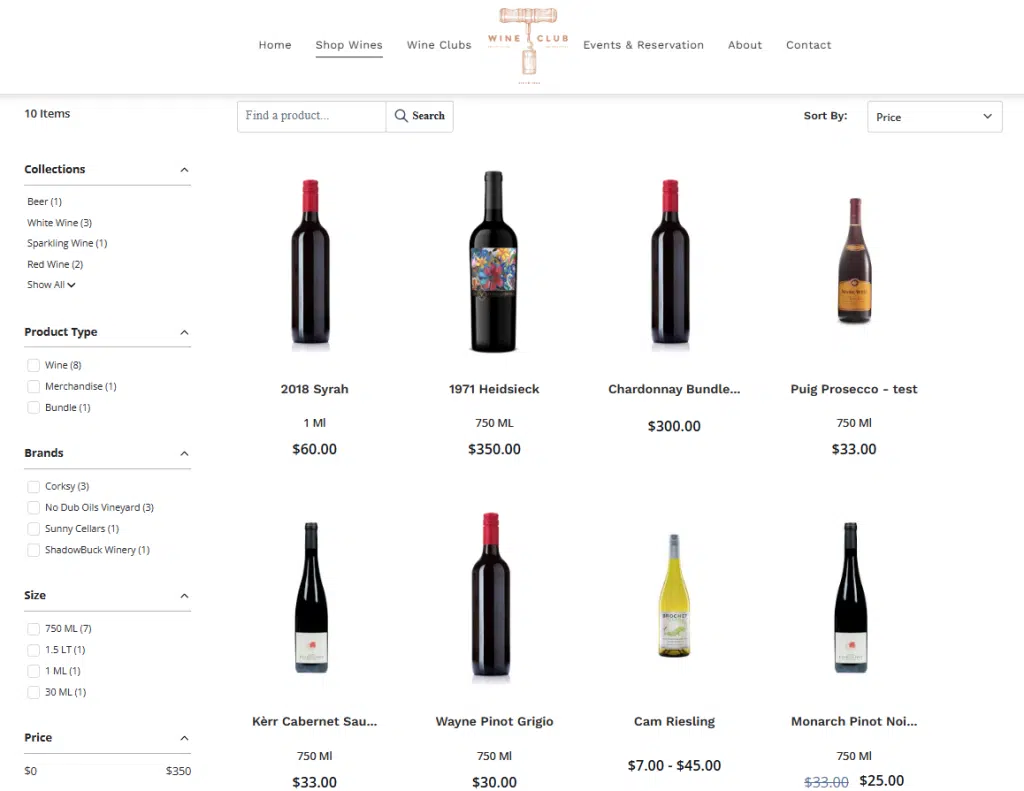
A few years ago at the DTC Wine Symposium, a panelist joked about the modern winery website formula: the guy, the dog, the truck, and the vineyard. Beautiful backdrop, strong lifestyle photography, a thoughtful founder story. Polished, absolutely. Strategically distinct, rarely. The critique wasn’t about branding. It was about structure. Most winery websites aren’t broken, but they aren’t built as decision environments either. Calls to action are unclear, revenue pathways are buried, shipping surprises appear late, and wine club often lives in isolation instead of throughout the buying journey. After auditing winery sites across regions and production sizes, the pattern is consistent: performance is constrained by friction, not effort. Most wineries don’t have a traffic problem. They have a conversion architecture problem. Before increasing ad spend or launching another promotion, run a winery website audit — on your phone. Start at the homepage and move t
00
February 24, 2026
On February 20, 2026, in a victory for American beer, wine, and spirits importers, the Supreme Court in Learning Resources, Inc. v. Trump, 607 US ____, Slip Op., February 20, 2026 (“Learning Resources”) struck down President Trump’s imposition of tariffs under the International Emergency Economic Powers Act (“IEEPA”). The Trump administration had used IEEPA to justify certain tariffs imposed on imported goods from various countries in 2025, including beer, wine and spirits. Despite the decision in the importers’ favor, no one is popping the Champagne quite yet. First, while the Court’s opinion invalidated the Trump administration’s IEEPA tariffs, it has no effect on the administrations’ ability to rely on other statutes to impose tariffs. Second, on the same day that the Supreme Court issued its decision, the President issued a proclamation imposing a 10% worldwide tariff under a different federal law (discussed in more detail belo
00
February 20, 2026
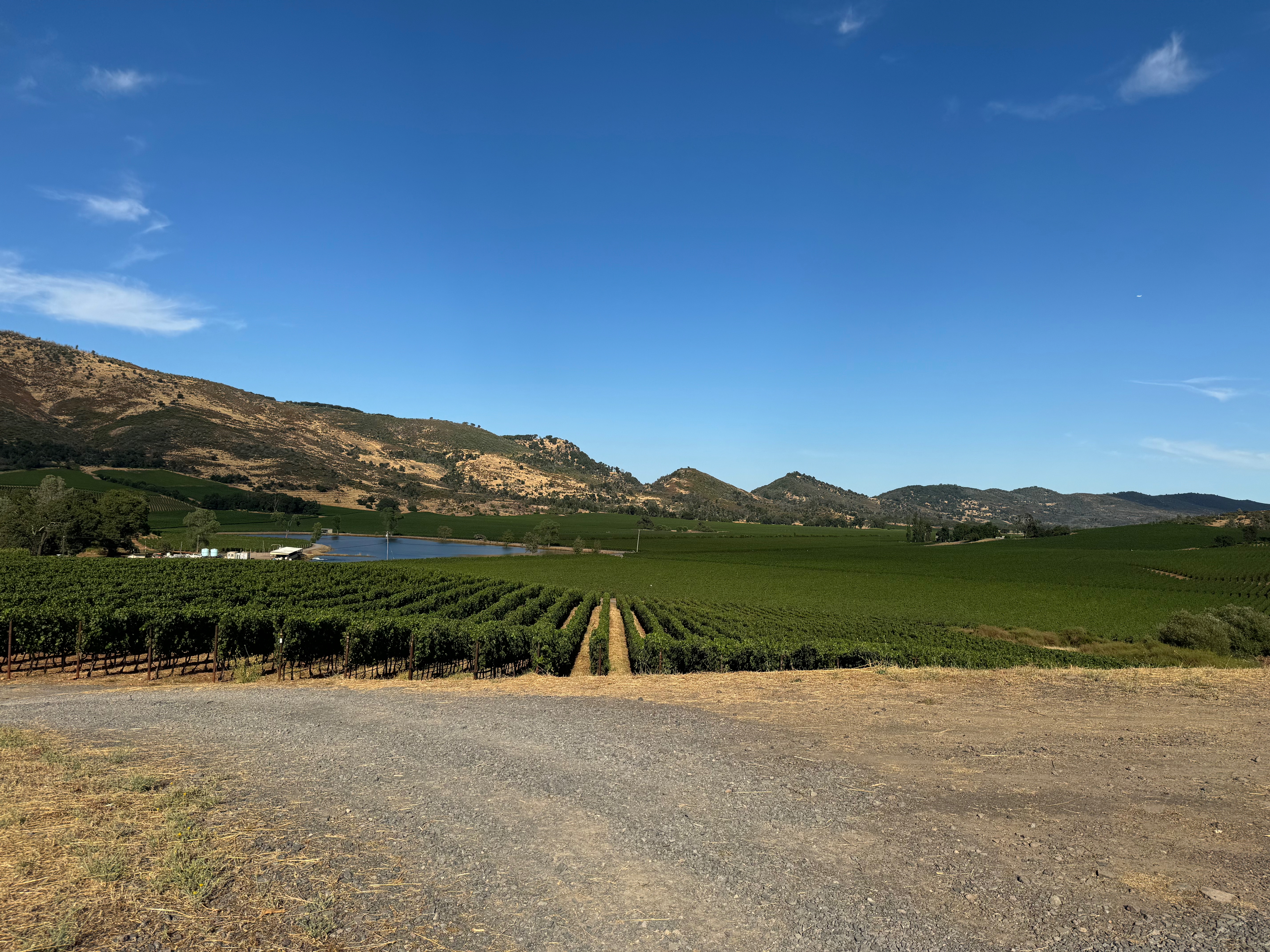
More and more farms are standardizing their use of Lumo across their entire operation. We’ve seen growers expand from a couple ranches to dozens. From 50 acres to over 2,000. That kind of expansion is built on seeing significant returns on investment season after season. But everyone needs to start somewhere, so it’s only natural to ask: "If I want to see the highest return on my investment in Lumo, which ranches should I start with?" Here’s a couple ways to think about it: 1. Highest Value Crops Many growers start with ranches where their crop values are the highest because that’s where irrigating with precision pays the most. It’s part of the reason we’ve seen such good success in Napa and Sonoma with many of the best wine growers in the world, and it’s why we’re seeing increasing interest from berry growers on the Central Coast. If dialing in your irrigation precision can have a modest impac
00
We’re not debating calories or whether that charcuterie board counts as an appetizer or dinner. We're talking about the IRS tightening the rules for deductible meals. Starting January 1, 2026, some winery meals that have historically been deductible will become completely nondeductible. Same harvest crew. Same pizza. Different tax result. Here is what changes and what does not. 1. Harvest Meals on Winery Premises Zero Deduction Beginning in 2026 If you provide meals at the winery so employees can keep working, those meals will no longer be deductible starting in 2026. That includes: Crush pad dinners Bottling day lunches Late night production meals served on site For years these were deductible. Beginning in 2026, they are not. If harvest meals are a routine part of your operations, this is worth budgeting for now. 2. Occasional Overtime Meal Reimbursements Possibly Still 50 Percent Deductible If an employee unexpectedly works late and you reimburse them for dinner, tha
00