
Filter Post Type
NewsVideoProductEventLink
Sort:
Most Recent
1–10 of 67

Sustainability regulations are accelerating across the U.S., and wineries are increasingly in the spotlight. One of the most significant developments is Extended Producer Responsibility (EPR) - a policy shift that is redefining how packaging waste is managed and who is responsible for it. For many wine businesses, EPR isn’t a future concern, it’s already here. What is EPR? Extended Producer Responsibility (EPR) is an environmental policy that places responsibility for the end-of-life management of packaging materials on the producer. This includes the collection, recycling, and disposal of materials once they’ve been used. In practical terms, that means wineries and beverage brands may now be accountable for: The recyclability of their packaging Reporting and tracking material usage Meeting state-mandated recycling targets Paying fees or penalties if requirements aren’t met With multiple states already implementing EPR legislation—and more on the way—compliance is quickly bec
00

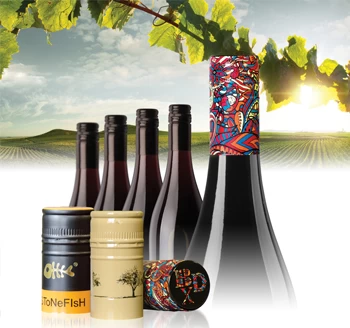
Why Closure Quality Still Plays a Critical Role in Wine Packaging In today’s wine market, packaging decisions go far beyond appearance. Wineries are increasingly evaluating every component of the bottle—from label design to closure performance—as part of the overall customer experience. Closures, in particular, play an important role in preserving wine quality, supporting shelf life, and reinforcing brand confidence. From aluminum screw caps to specialty closure solutions, suppliers like Herti continue to develop options designed for reliability, consistency, and ease of use across multiple beverage categories. As producers look for ways to balance performance, presentation, and operational efficiency, closure technology remains an essential part of the packaging conversation.
00
Green shoots: Is this a “transitional moment”? With spring getting underway, this month’s California Report assesses vineyard conditions, grape demand, and whether the bulk wine and grape markets are seeing the first tentative green shoots of recovery: Is the industry in a “transitional moment” before growth returns later this year or next? We dive into recent reports that case-good sales declines in the US are slowing, using the latest SipSource US wholesale depletions data to pick out some sales trends. The convergence of pricing toward California-appellation levels on all but a select handful of wines theoretically enables bulk wine buyers to make their decisions based purely on which samples best meet their quality/character specifications. This has opened up product development and scope for wine companies to attack potential retail opportunities. With wine aisles growing shorter, this is a challenging time to “buy the dip” with inn
00


For winemakers and distillers, crafting exceptional beverages is only part of the journey. To ensure your product maintains its premium quality and reaches consumers in perfect condition, the preservation of both its taste and appearance is critical. This is where the often-overlooked factor of glass color comes into play. The color of your bottle can have a profound impact on the longevity, flavor stability, and overall appeal of your wine or spirit. By understanding how different glass colors protect against light damage, you can make more informed packaging choices that safeguard your product’s quality and enhance its shelf life. In this article, we’ll explore the science behind glass color and light exposure, explain how traditional and modern glass choices can protect your product, and provide insights into balancing practical preservation needs with aesthetic considerations. Whether you’re crafting aged whiskey or fine wine, the right glass color is more
00
Traditional demand for wine has softened, buyers are pickier, and “default growth” is basically gone. Meanwhile, the consumer mindset has changed dramatically—wellness, moderation, and “I want to drink less but still drink well” is becoming the new normal. That combo is tough on the old playbook. But it’s also a huge opening for brands that are willing to pivot with intention (not panic). At BevZero, we see this moment as a reset: a chance to meet people where they are now—and build a portfolio that survives the slump and comes out stronger on the other side with non-alcoholic products. What’s Driving the Slump A few things are happening at once: Wellness is influencing purchase decisions more than ever. People aren’t necessarily “anti-wine”, they’re just more mindful about alcohol consumption. Curiosity has matured into expectation. Today’s no/low-alc shopper isn’t experimenting anymore, they ex
00
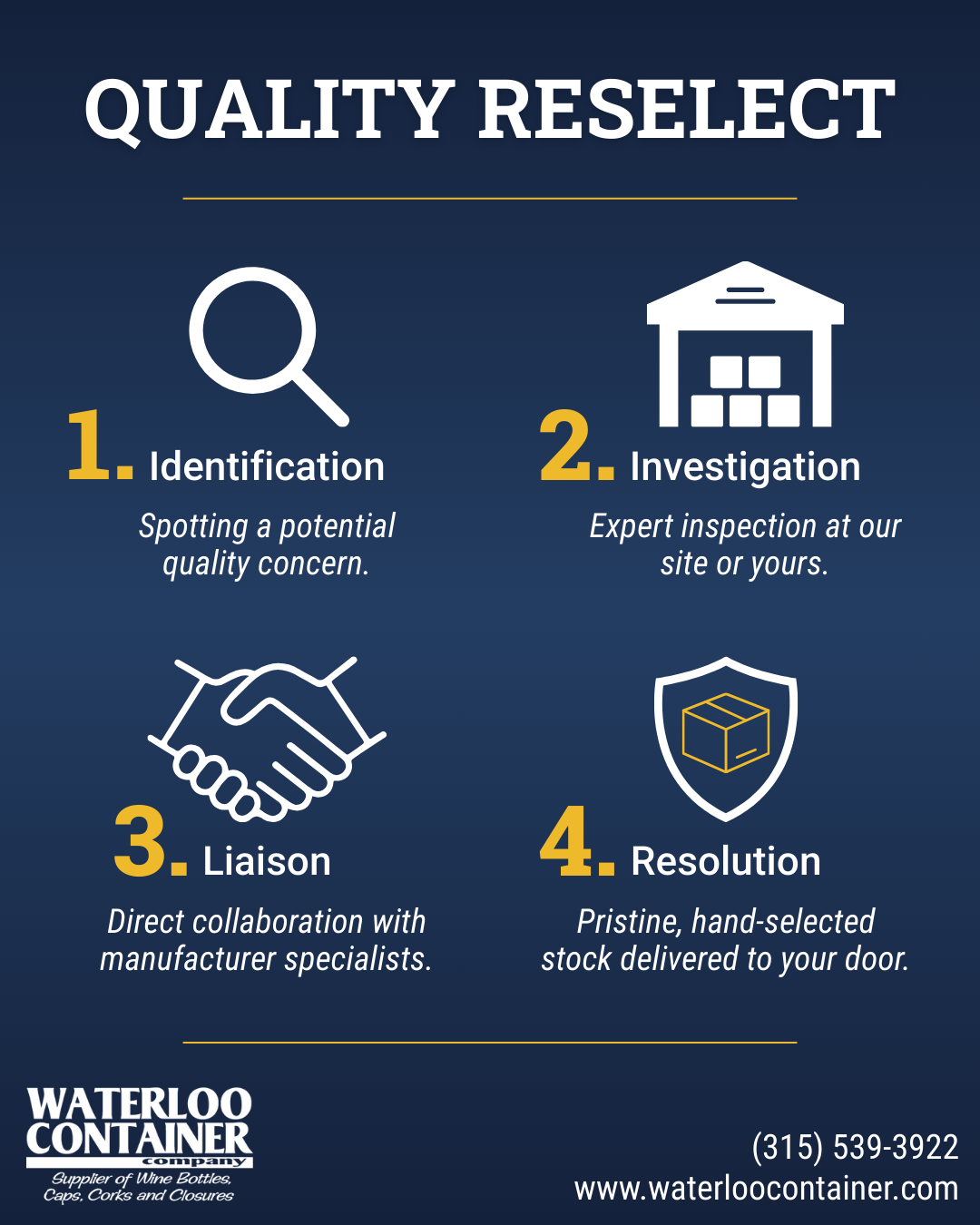
Consistency plays a critical role in production planning. Our Quality Reselect service helps customers maintain continuity by referencing previously approved glass specifications for repeat orders. This reduces variation, supports forecasting, and helps keep packaging decisions aligned over time. It’s one more way we work to remove friction from the packaging process.
00
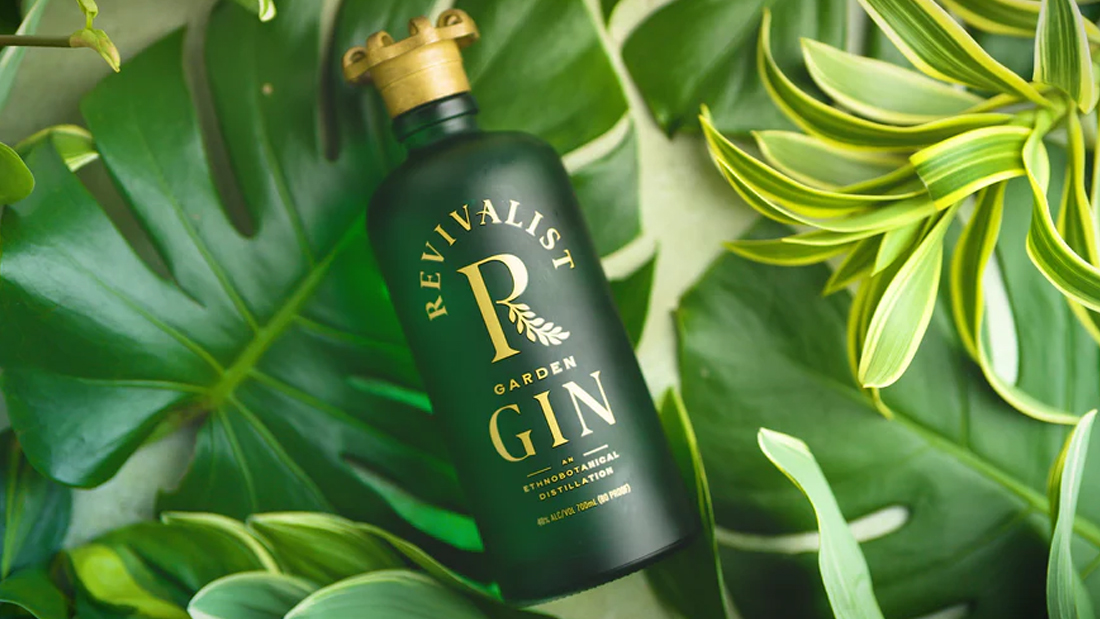
The wine and spirits industry is standing on the precipice of a major design evolution. For years, “premium” was defined by weight, excess, and tradition. For 2026, a new definition of luxury is emerging; one that values intelligence over mass, and tactile storytelling over simple visual appeal. For brand owners and procurement leaders, staying ahead of these glass packaging trends in 2026 is no longer just about aesthetics; it is a matter of strategic survival. From the rise of “quiet luxury” and right-weighted glass to the complex pressures of global supply chains, the packaging decisions made today will define brand resilience tomorrow. In this forecast, we explore how sustainable luxury, ergonomic innovation, and smart supply chain strategies are reshaping the premium landscape, and how Global Package provides the specialized glass solutions needed to help you navigate this future. The State of Glass Packaging for Wine & Spirits At Global Package, we&r
00


Dedicated to Protecting Our Clients’ Brands Wineshipping at the Unified Wine & Grape Symposium At Wineshipping, we believe great wine experiences are defined not just by what’s in the bottle, but by how it reaches its destination. At the Unified Wine & Grape Symposium, we’re showcasing how operational excellence, purpose-built technology, and value-added services come together to support wineries across their logistics needs. Built for the Realities of Winery Operations Wine fulfillment is complex. Seasonality, peak volume swings, special releases, wine clubs, wholesale orders, events, and evolving customer expectations all place demands on winery teams. Wineshipping partners with wineries to simplify those complexities while protecting brand integrity and operational consistency. From temperature-controlled logistics to hands-on operational support, our team works to ensure every shipment reflects the same care and craftsmanship that went into producing
00


WHY DEMOGRAPHICS STILL MATTER IN WINE At first glance, it may seem logical to take a broad approach to wine marketing—after all, shouldn’t the goal be to sell wine to anyone who’s willing to buy it? Not exactly. In practice, marketing to “everyone” is a fast track to appealing to no one. You water down your message, misfire your tactics, and wind up wasting both budget and energy trying to reach people who were never going to buy from you in the first place. Smart marketing is selective, not scattershot. And that’s where demographics come in. At their core, demographics are just the quantifiable details about your customers—things like age, gender, income, education, and marital status. But in the hands of a capable marketer, demographics become strategic tools. They help decode how different consumers make decisions, what cultural cues they respond to, and how best to approach them with offers they’ll actually care about. Wine, with all
00

December 26, 2025
Before you dive into the details, here are the nine questions every winery owner should be asking. These will help you focus on key issues and quickly determine if you are getting the information you need to make timely decisions about your winery. The Questions Are we capitalizing the right costs into inventory? Are we using the correct method for tax and book inventory? Are we taking advantage of all the tax benefits available to wineries? Do we understand our gross margin by sales channel? How are we tracking wine losses and blends? When are we recognizing revenue and expenses? Does our chart of accounts reflect how a winery operates? Do our systems support accurate, timely reporting? Are we showing this year’s vintage costs on the P&L without overstating expenses? Full Article Winery accounting is different, some might even say complicated (or worse.) If your internal team or outside CPA is treating your winery like a typical product business, you could be missing c
00