
Filter Post Type
NewsVideoProductEventLink
Sort:
Most Recent
1–7 of 7
April 10, 2025
Event Type: Seminar
Location: Cal Poly SLO, 1 Grand Ave, San Luis Obispo, 93407
Date: 4/25/2025
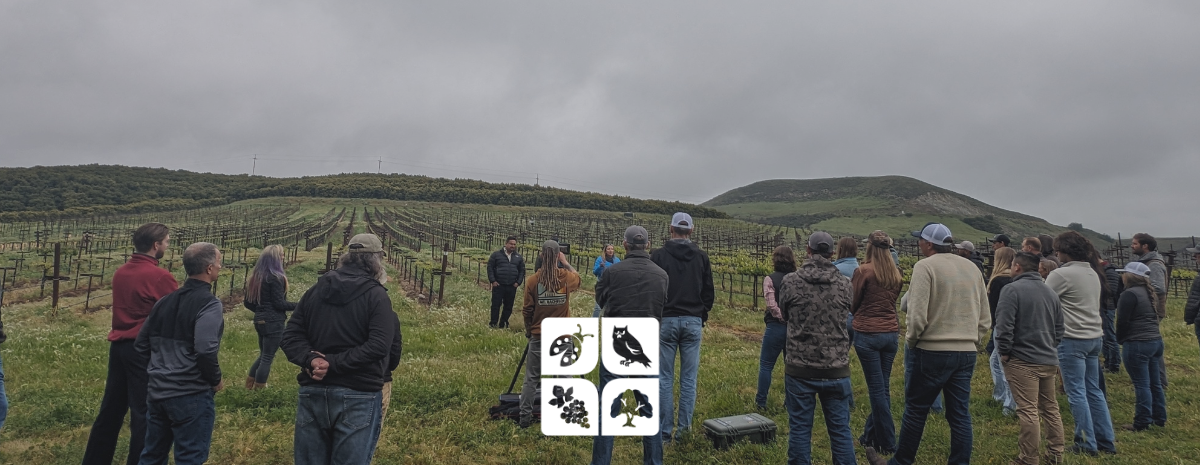
A follow up to a 2024 Tailgate, Dr. Shunping Ding of Cal Poly will share updated results from a recent study on on the efficacy of different fungicide programs containing biofungicides and their impact on grape yield and berry chemistry. Then, we will head out to the vineyard at Cal Poly to learn about new technologies for integrated management of powdery mildew and talk with farmers from different growing regions about their fungicide programs. Plus, arrive early to learn about Cal Poly’s wine & vit programs during a tour of the new, state of the art winery and vineyard! Agenda: 8:30 am - Winery Tour with Erica Nordby, CalPoly 9:00 - 9:30 am - Dr. Ding, Cal Poly - Presentation 9:45 - 11:00 am - Presentation & Grower Panel in the Vineyard Speakers: Erica Nordby, Cal Poly Shunping Ding, Cal Poly Jenny Broome, UC Santa Cruz Sarah Placella, Root Applied Sciences Dr. Pal From, Saga Robotics Erin Amaral, Pacific Coast Farming Zach Merkel,&
00

March 31, 2025
Afternoon Brief: New Study Shows Pierce’s Disease Investment Saves Winegrape Growers $56 Million Annually
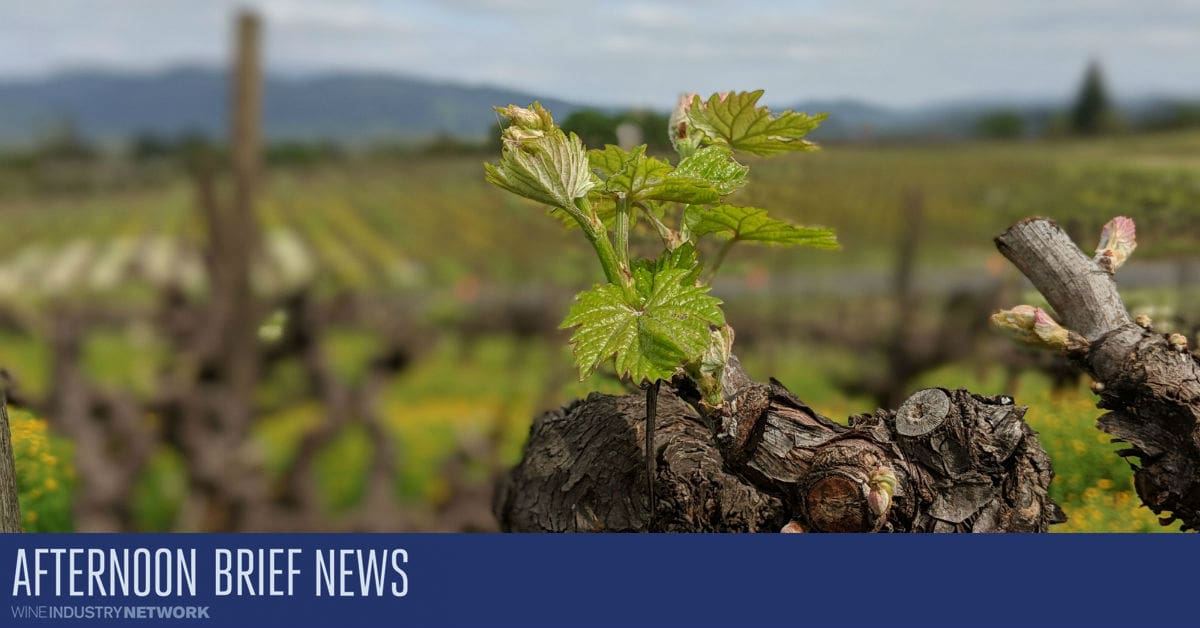
According to a study released today, the California Department of Food and Agricultures Pierces disease (PD) and glassy-winged sharpshooter (GWSS) prevention, control and research efforts save California winegrape growers $56 million annually by reducing losses from the fatal grapevine disease...
California PD GWSS BoardEmeritus VineyardsWine Sales SymposiumKutch WinesUC Davis College of Agricultural and Environmental SciencesGérard Basset FoundationHawke’s BayMichelle ErlandColangelo & PartnersCatherine KistlerPhilippe Sereys de RothschildChâteau Mouton RothschildSuzanne Denevan-BrownMaze Row Wine MerchantUnited Sommeliers FoundationRowan GormleyNaked WinesCoastal Viticultural ConsultantsRepsco Inc.VerdiTM Process & ControlsRancho Arroyo GrandePacific Coast FarmingGary Farrell Vineyard & Winery
00

November 25, 2024
The fog along the California coast is alive — it flows from the Pacific Ocean up through passes in the protective coastal ranges and into the valleys like a tide. It rises into the hills and breathes before slowly receding to the valley floors and retreating through the mountains, across the sands and into the ocean waters. Toward the north, these fogs nurture the redwoods, and all along the coast, they provide relief from hot daytime temperatures for many wine country vineyards. The Niner Estate vineyards are near Paso Robles, about 20 miles from the Pacific Ocean. They are protected from the cold maritime winds by the Santa Lucia mountain range that parallels the coastline. One of the valleys the fog creeps through is the nearby Templeton Gap. For over a decade, Niner Wine Estates’ winemaker Patrick Muran has been crafting the Fog Catcher Bordeaux blend that he says is “named after the cool banks of fog we often see drifting over our vineyards on early mornings in
00
Event Type: Seminar
Location: Cal Poly Enology Lab, 1 Grand Ave San Luis Obispo, CA 93407
Date: 4/12/2024
Tailgate | Fungicide Spraying: Reduce Your Carbon Footprint & Financial Burden Learn how to optimize the use of biofungicides alone or integrated into a conventional fungicide program. Dr. Ding of Cal Poly shares results from a recent study on on the efficacy of different fungicide programs and their impact on grape yield and berry chemistry. Talk with farmers from three growing regions about their fungicide programs. Plus, learn about Cal Poly’s wine & vit programs during a tour of the new, state of the art winery and vineyard. REGISTER Agenda: 8:30 am - Winery Tour with Erica Nordby, CalPoly 9:00 - 11:00 am - Presentations & Panel Discussion Speakers: Shunping Ding, Cal Poly Erica Nordby, Cal Poly Erin Amaral, Pacific Coast Farming Hilary Graves, Booker Wines Ruben Solorzano, Coastal Vineyard Care Associates Bob Thomas, Mesa Vineyard Management CE Approved: DPR 1 - O; CCA 2 - IPM REGISTER Directions: - Take exit for California Blvd. - turn right o
00

Tailgate | Fungicide Spraying: Reduce Your Carbon Footprint & Financial Burden Learn how to optimize the use of biofungicides alone or integrated into a conventional fungicide program. Dr. Ding of Cal Poly shares results from a recent study on on the efficacy of different fungicide programs and their impact on grape yield and berry chemistry. Talk with farmers from three growing regions about their fungicide programs. Plus, learn about Cal Poly’s wine & vit programs during a tour of the new, state of the art winery and vineyard. REGISTER Agenda: 8:30 am - Winery Tour with Erica Nordby, CalPoly 9:00 - 11:00 am - Presentations & Panel Discussion Speakers: Shunping Ding, Cal Poly Erica Nordby, Cal Poly Erin Amaral, Pacific Coast Farming Hilary Graves, Booker Wines Ruben Solorzano, Coastal Vineyard Care Associates Bob Thomas, Mesa Vineyard Management CE Approved: DPR 1 - O; CCA 2 - IPM REGISTER Directions: - Take exit for California Blvd. - turn right
00

September 8, 2022
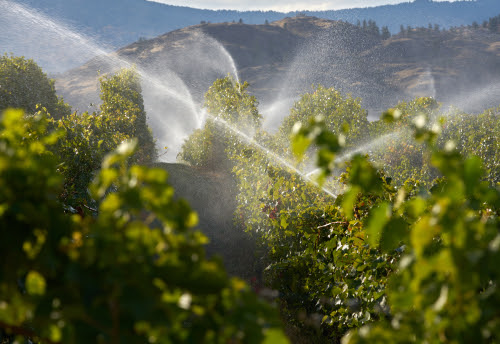
The following is an excerpt from a recent blogpost reprinted from WBM, 2009 by Mark Greenspan. The moderate climate enjoyed by the North Coast is frequently interrupted by periods of high heat. The heat waves can reach well into the 100’s, sometimes reaching above 115°F. While foliage is sensitive to heat, it has the advantage of transpiration, which is a natural way in which leaves cool themselves by evaporating water from their interiors. On the other hand, fruit lack active stomatal pores and cannot cool themselves as effectively as leaves. Pigmented fruit will absorb additional energy from the sun, as it reflects less sunlight energy than light-skinned grapes. Outer berries, exposed to direct sunlight, may reach 15°F above ambient temperature. High temperatures are detrimental to fruit and wine quality. Apart from the obvious consequences, such as sunburn, shrivel and loss of pigment, the heat may also lead to changes in flavor, aroma and mouthfeel compounds and precu
00
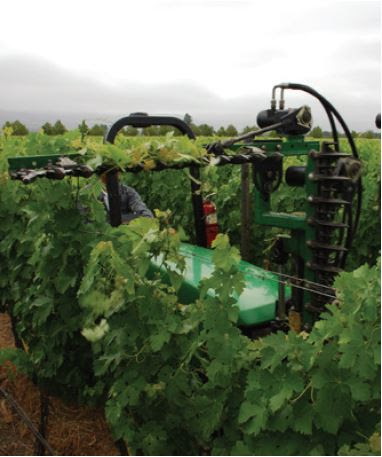
Everyone associated with the wine industry knows that labor has become more expensive, and it seems that wages are accelerating upward. The pool of largely unskilled or untrained labor is drying up, while those who remain available want more money for their work—and are getting it. Hence, there is absolutely no doubt that vineyards will increasingly adopt mechanical means to replace operations traditionally done by hand. Fortunately, necessity drives invention and innovation, and there are better versions of vineyard machines available all the time. Buying this equipment requires a significant cash investment, so growers will be willing to do so only when the return on the investment makes good business sense. But it is a little more complicated than simply substituting a machine for a human, especially in the fine-wine production sector. We have convinced ourselves that hand-farming is better than machine-farming, and wineries and winemakers are often reluctant to yield to the g
00