
Filter Post Type
NewsVideoProductEventLink
Sort:
Most Recent
1–10 of 128
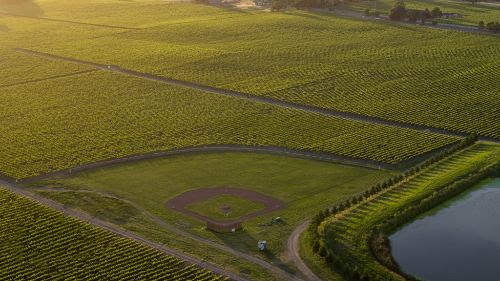
In the film Field of Dreams, a quiet voice whispers a simple promise: “If you build it, he will come.” The idea was never really about baseball. It was about creating something meaningful and trusting that the right people would be drawn to it. The wine industry is standing at a similar crossroads. For decades, wineries have operated on a simple assumption: make great wine, tell a compelling story, and consumers will come. Craft the product. Earn the accolades. Build the brand. But the next generation of wine consumers is telling us something different. Gen Z, now entering legal drinking age and shaping the future of hospitality, is not primarily seeking bottles to collect or scores to chase. Many say they are looking for something more fundamental: connection, community, and places where they can gather with friends away from the constant pull of the digital world. In other words, they are looking for a third space. For winery owners, executives, and Direct-to-Consumer lea
00
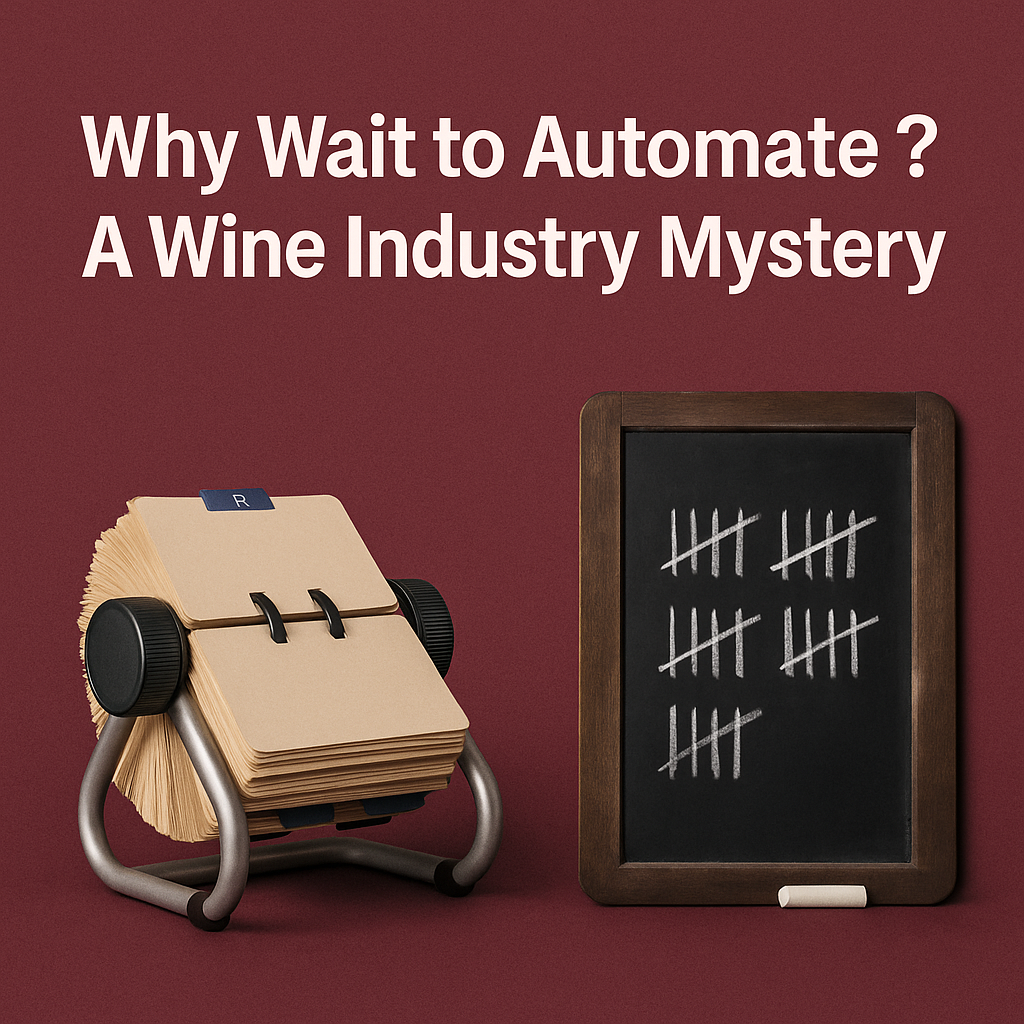
Imagine your VP of Sales announcing they’ve ditched CRM for a Rolodex. Or your finance director saying Excel is too modern, so they’re switching to chalkboard. And yet, here we are — 2025 — squinting at billbacks for hours on end and sending reps to visit every retail account like the entire industry is running for sheriff. Automation isn’t new, but for the wine & spirits world, it might as well be black magic. We love to talk about efficiency, scaling, and modernizing — right up until someone proposes replacing busywork with bots. Suddenly, it’s “But our rep relationships!” or “This is how we’ve always done it.” As if nostalgia for manual labor is part of our brand identity. Let’s get one thing straight: no one’s asking you to hand your label design to Midjourney or let ChatGPT pick your clones. We’re talking about automating the parts of your business that drain time, w
00

If you’ve been debating whether 2026 is the year to invest in your gifting channel, it’s time to sip on these facts: Wine is inherently giftable — birthdays, holidays, corporate milestones — making it one of the best categories to capitalize on the massive, largely untapped online gifting market. The gifting flywheel drives new customers organically, since every bottle received as a gift is a brand discovery moment that can turn recipients into loyal buyers without spending on ads. Corporate gifting is a massive B2B opportunity that wine brands are perfectly positioned for, but most are still fumbling through manual processes instead of leveraging modern tools. Gifting reduces over-reliance on Q4, capturing year-round occasions like anniversaries, promotions, client gifts, and thank-you gestures to create more predictable revenue. Getting in early is a competitive advantage. Most wine brands haven't modernized their gifting experience yet, so those
00
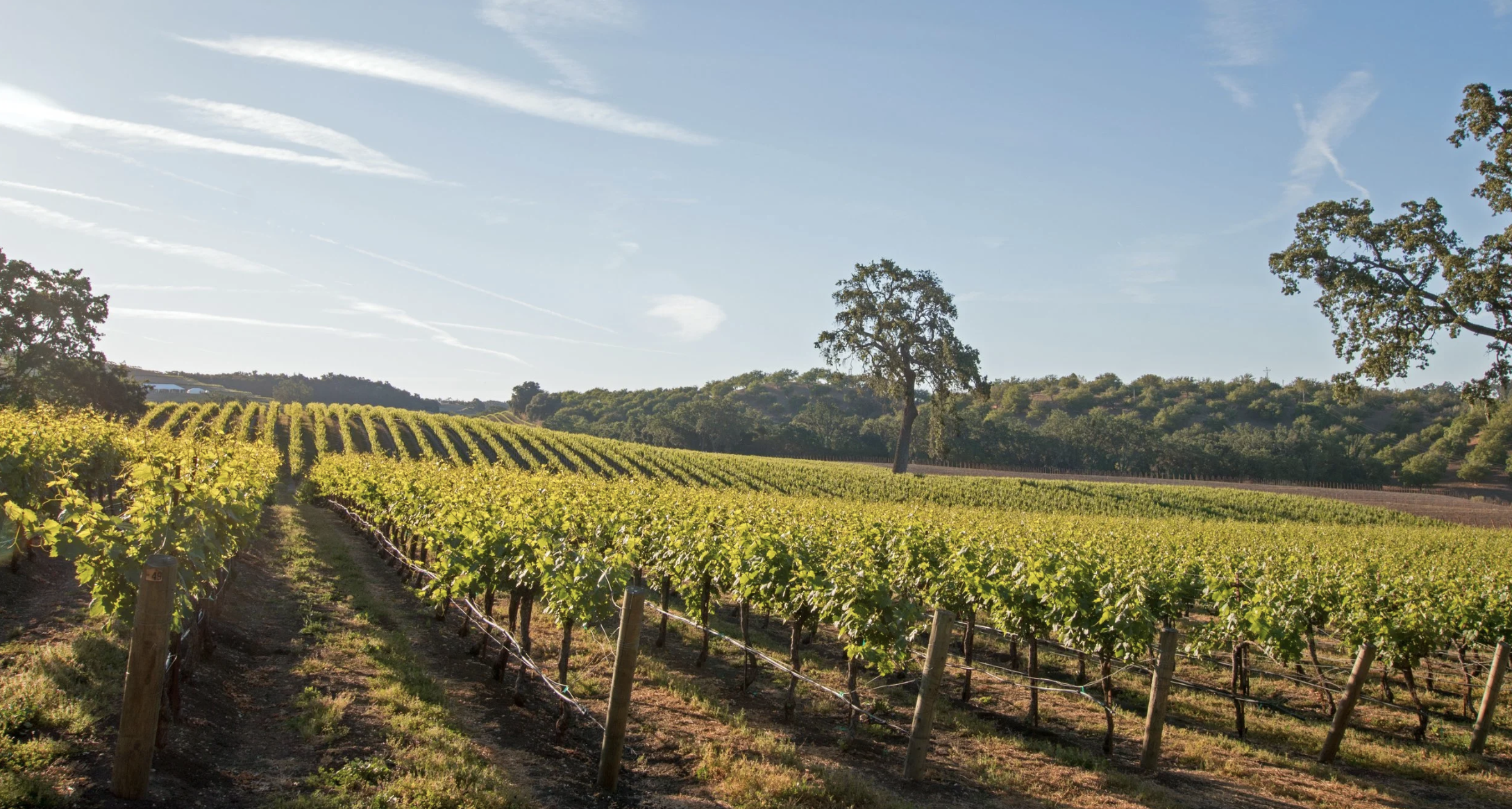
Your next customer will see your winery before they ever taste your wine. They'll see it on Instagram while planning a weekend trip. They'll see it on your website while deciding whether to book a reservation. They'll see it in an email while considering whether your wine club is worth joining. And in every one of those moments, they're making a decision based on what your visuals tell them about who you are. This isn't a trend. It's how people buy now. According to a 2023 study by Cloudinary and Harris Poll, 75% of online shoppers say product photos are the most influential factor in their purchase decisions. That number holds across categories, and it holds in wine. The difference is that wineries aren't just selling a product. They're selling an experience, a place, a feeling. Which means your visual content has to do more work than a product shot on a white background. It has to make someone want to be there. Most wineries know this on some level. Fe
00
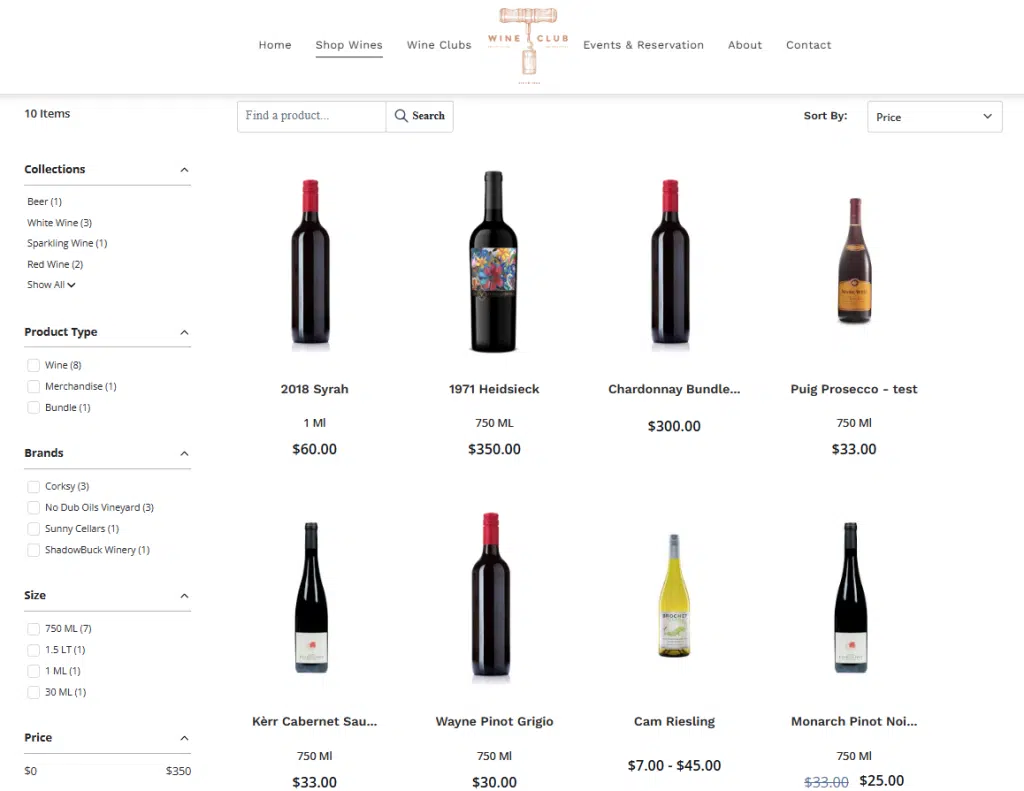
A few years ago at the DTC Wine Symposium, a panelist joked about the modern winery website formula: the guy, the dog, the truck, and the vineyard. Beautiful backdrop, strong lifestyle photography, a thoughtful founder story. Polished, absolutely. Strategically distinct, rarely. The critique wasn’t about branding. It was about structure. Most winery websites aren’t broken, but they aren’t built as decision environments either. Calls to action are unclear, revenue pathways are buried, shipping surprises appear late, and wine club often lives in isolation instead of throughout the buying journey. After auditing winery sites across regions and production sizes, the pattern is consistent: performance is constrained by friction, not effort. Most wineries don’t have a traffic problem. They have a conversion architecture problem. Before increasing ad spend or launching another promotion, run a winery website audit — on your phone. Start at the homepage and move t
00
February 11, 2026
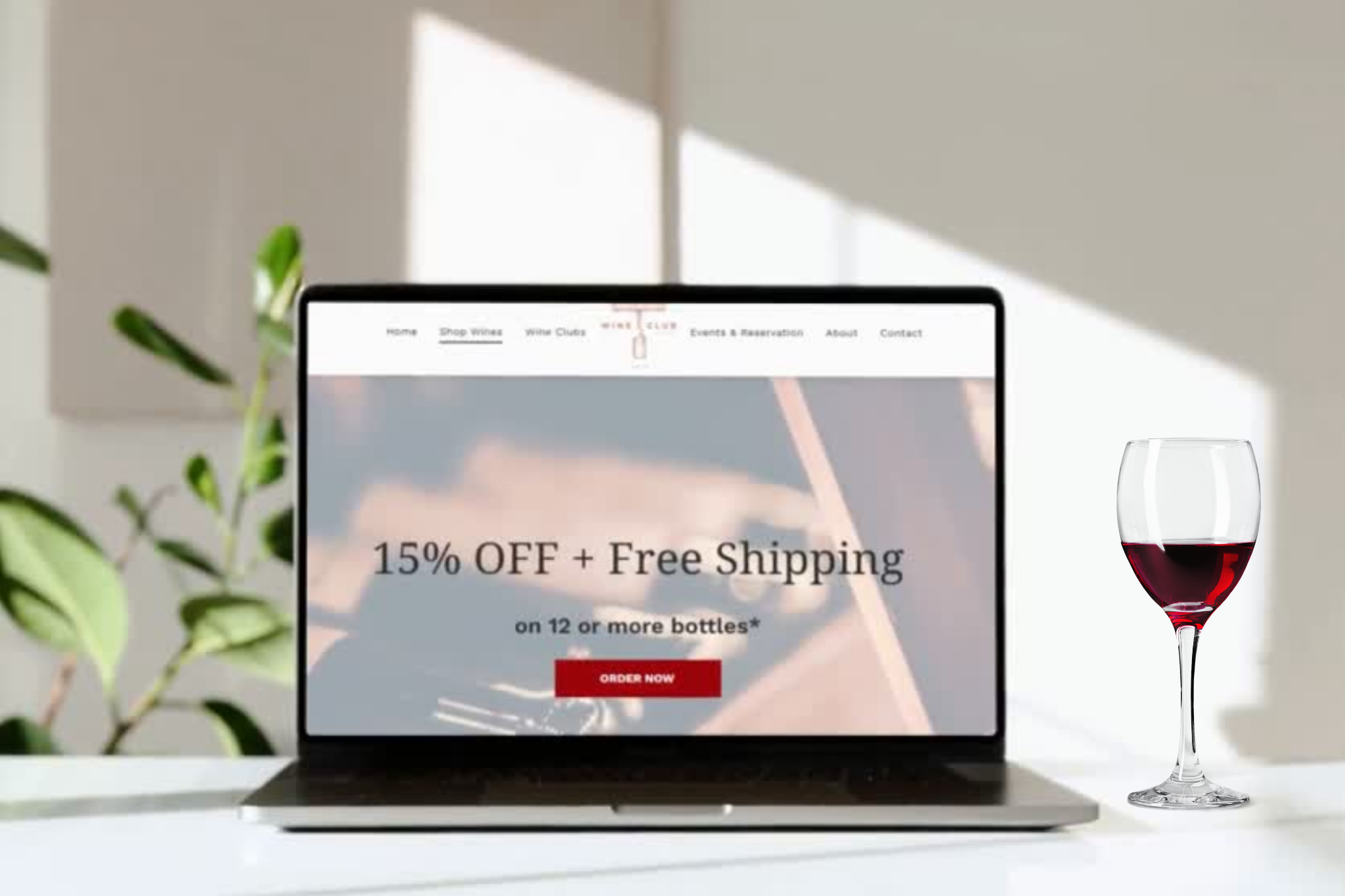
Most wineries don’t have a promotion volume problem. They have a promotion design problem. When you look closely at wineries delivering strong margins alongside steady consumer sales growth, patterns start to appear. Not because those promotions are trendy or copied from competitors, but because they are intentionally designed to drive revenue while protecting long-term customer behavior and brand value. Modern promotion strategy is not about running more campaigns. It is about structuring incentives that influence how, when, and why customers buy. Across the strongest performing wineries, promotions are increasingly treated as part of the revenue model rather than just part of the marketing calendar. They shape demand, influence order composition, and support long-term customer value. Why Promotion Strategy Is Really Revenue Strategy Promotions are no longer just marketing tactics. They are one of the most controllable levers inside a winery’s DTC P&L. For most wineri
10
January 22, 2026
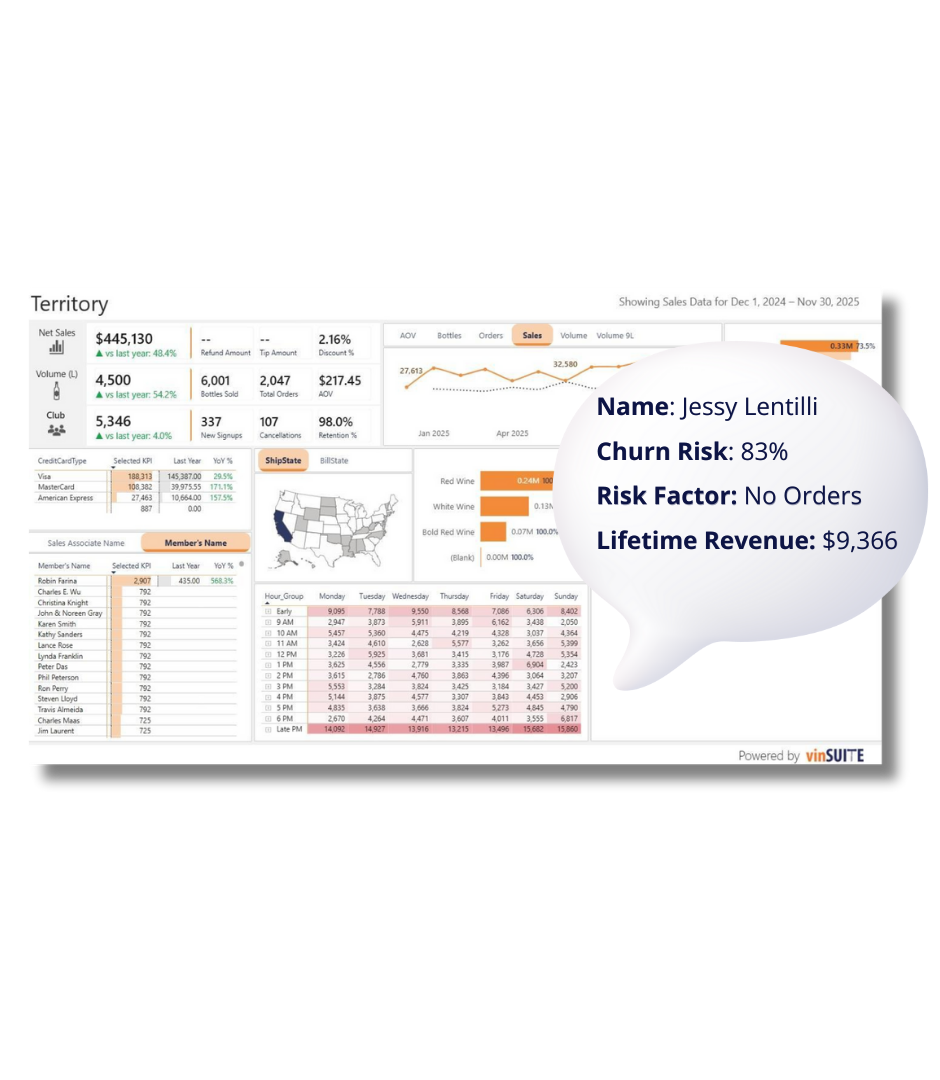
vinSUITE Launches vinSIGHT: Analytics Platform That Predicts Wine Club Churn with Up to 94% Confidence New intelligence layer helps wineries see revenue risk before it's too late and gain clear visibility into what's working across all sales channels NAPA, CA | January 21, 2026 — vinSUITE, a winery direct-to-consumer software platform, today announced the launch of vinSIGHT, a comprehensive analytics solution that transforms winery sales data into actionable insights. The platform analyzes historical customer behavior patterns to predict wine club churn with up to 94% confidence, enabling wineries to protect revenue before members cancel. Wine club churn traditionally appears in reports only after the revenue is already lost. vinSIGHT changes that by bringing hidden patterns into view, identifying subtle behavioral shifts (declining engagement, changing purchase patterns, and reduced interaction) that signal di
00
December 5, 2025
POSTED BY Theresa Barton Cray As we near the close of a challenging year for the alcohol beverage industry, suppliers are understandably looking for creative marketing campaigns to boost sales. Unfortunately, given the highly regulated world of alcohol beverage marketing, creative marketing ideas can sometimes hit the proverbial brick wall of regulatory restrictions. All is not lost, however, and there is still room for creativity provided suppliers work within the parameters of alcohol beverage regulations. To start, below are some common pitfalls that suppliers should avoid when marketing their alcoholic beverages in California and elsewhere. Retailer Partnerships Suppliers should closely examine any new marketing programs that involve or mention licensed alcohol beverage retailers. Partnerships with, or sponsorships of, retailers are in most cases going to run afoul of the tied-house laws in California, and in most other states, which prohibit suppliers from giving (directly
00

December 2, 2025

HOW TO KEEP YOUR BRAND TOP OF MIND WHEN CUSTOMERS ARE DROWNING IN HOLIDAY EMAILS The inbox in December isn’t a communication tool—it’s a full-contact sport. Every brand, from the global megastore to the local dog bakery, is shouting their way into people’s attention span with flashing subject lines, endless exclamation points, and “40% OFF” hysteria that blurs into static. Consumers don’t read; they scan for relief. According to Mailjet’s 2024 BFCM report, holiday email volume jumps nearly 80% between Thanksgiving and Christmas, while average open rates drop to 13–15%—a statistical cry for help. But the real problem isn’t quantity—it’s tone. Every brand is talking at their audience instead of with them. The louder the messaging, the less people listen. Leading with prices and panic doesn’t inspire trust; it triggers fatigue. That’s your opportunity. The brands that win the inbox aren’t the
00
Cyber Week Winery Marketing: Planning Smarter, Selling Stronger Cyber Week is almost here, and consumers are primed to buy. For wineries, it’s not just a chance to move inventory — it’s a chance to win new fans, reward loyal members, and end the year strong. The goal isn’t simply to discount — it’s to strategically position value, create urgency, and make buying feel effortless. Whether you’re a small family-run tasting room or a multi-location brand, these proven strategies will help you get the most out of the week. 1. Build Anticipation Before the Week Begins Cyber Week success starts long before Friday. The wineries that win start warming up their audience early — building curiosity, boosting email sign-ups, and reminding people why they love their brand. Ideas to get the buzz going: Add a countdown banner or homepage teaser with “Our biggest offer of the year starts soon.” Send a “save the date” email to your
00