
Filter Post Type
NewsVideoProductEventLink
Sort:
Most Recent
1–10 of 65
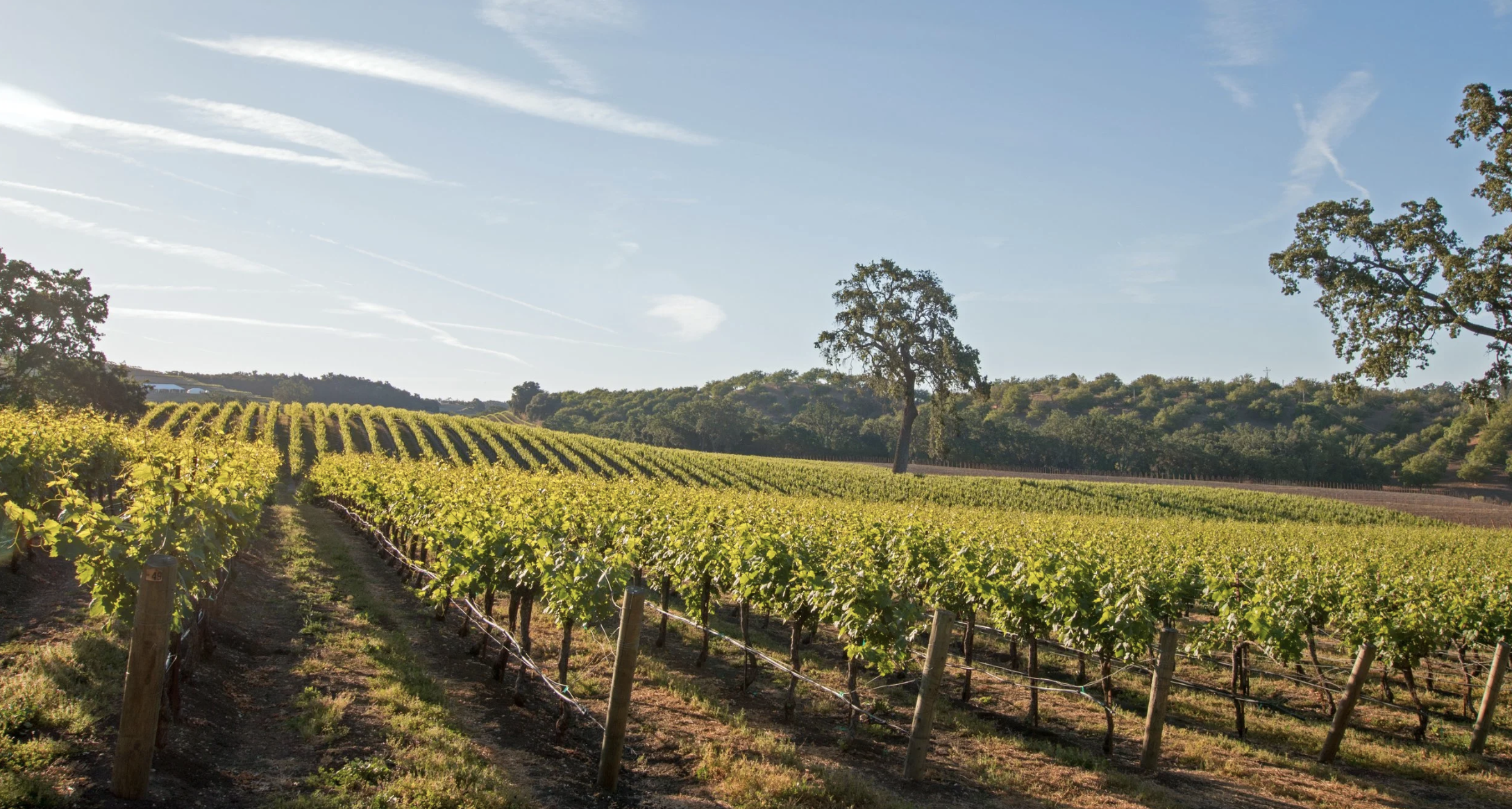
Your next customer will see your winery before they ever taste your wine. They'll see it on Instagram while planning a weekend trip. They'll see it on your website while deciding whether to book a reservation. They'll see it in an email while considering whether your wine club is worth joining. And in every one of those moments, they're making a decision based on what your visuals tell them about who you are. This isn't a trend. It's how people buy now. According to a 2023 study by Cloudinary and Harris Poll, 75% of online shoppers say product photos are the most influential factor in their purchase decisions. That number holds across categories, and it holds in wine. The difference is that wineries aren't just selling a product. They're selling an experience, a place, a feeling. Which means your visual content has to do more work than a product shot on a white background. It has to make someone want to be there. Most wineries know this on some level. Fe
00

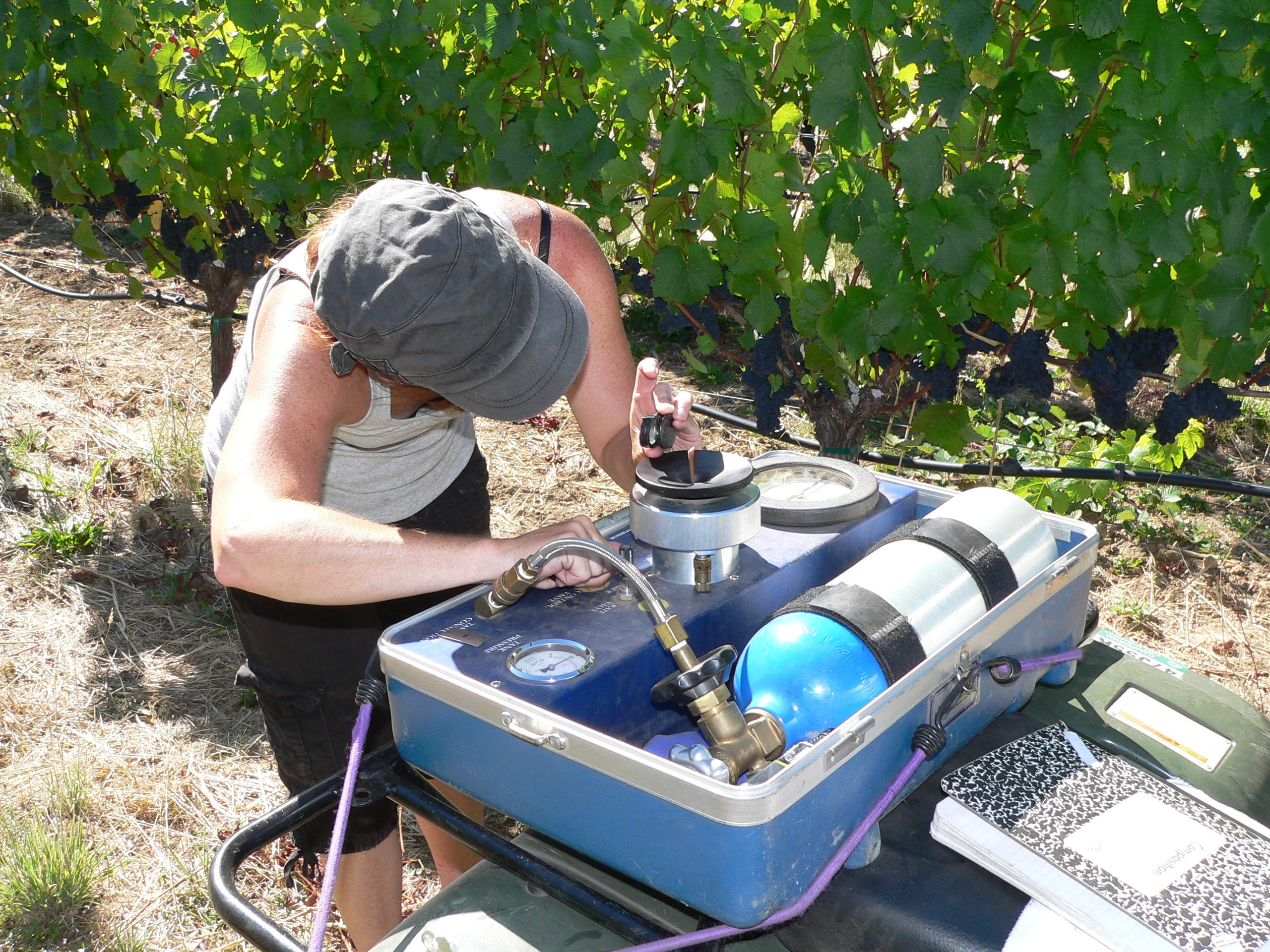
Two years ago, I wrote an article on AI in the vineyard for WBM. Feel free to read that article here…if you want. Otherwise, my basic argument was that although AI will eventually play a role in how we farm grapes, it’s a long way off compared to other industries and even other crops. We who grow grapes are the last ones to see such innovation. And since then, AI has grown exponentially. If two years ago you were playing around with Chat GPT to create bizarrely distorted images and learn about tax loopholes, you can now go onto the likes of Claude and have it just create a website for you from a single prompt. Chatbots like this have essentially eliminated the need for entry-level coders. However Claude is a computer, so it makes sense that it’s gotten very good at writing code for other computers. Similarly Chat GPT has digested the entire internet, and curates any answer for you by plucking it from its vast network of information. Sometimes its correct, and other t
00

February 20, 2026
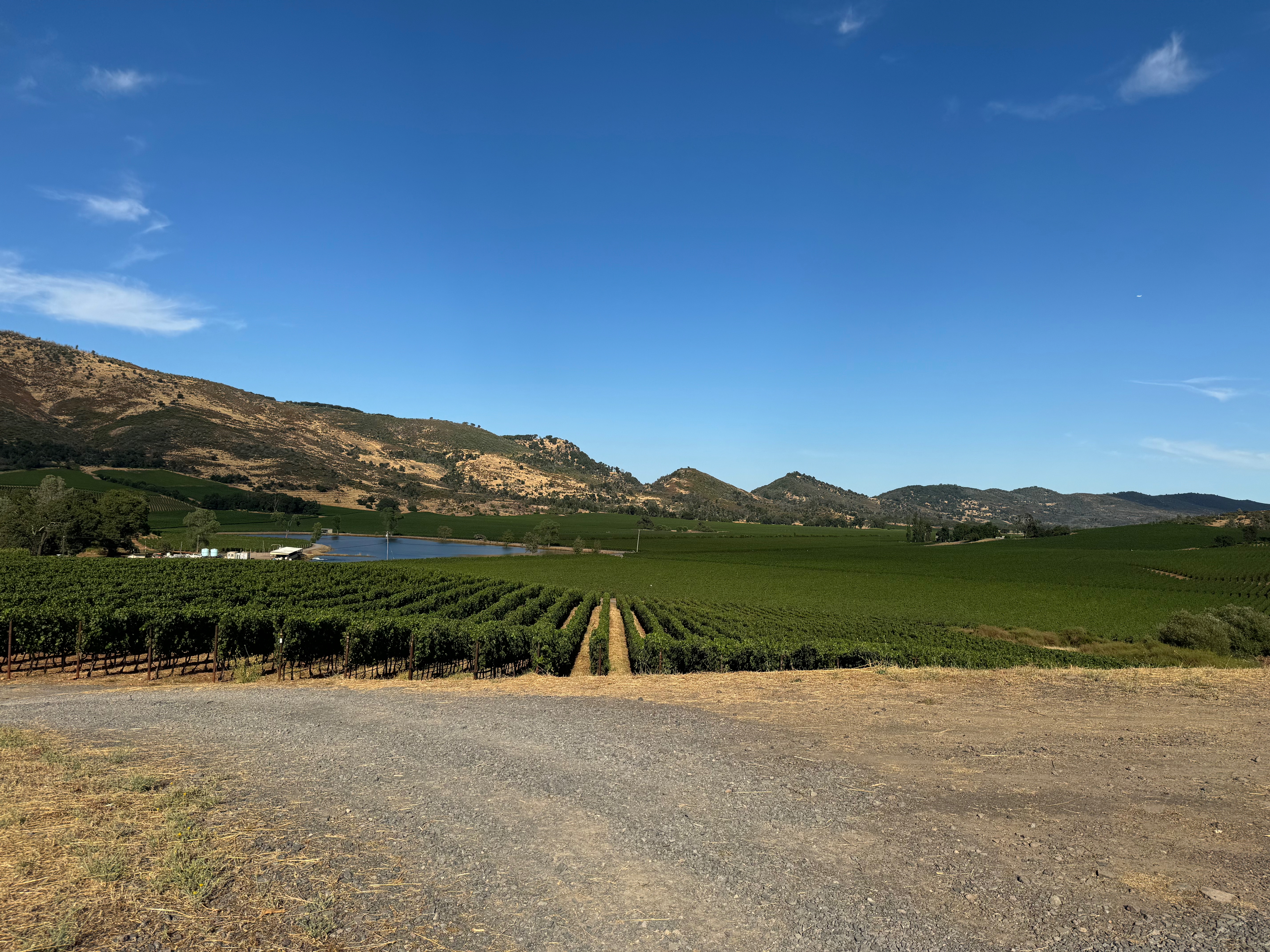
More and more farms are standardizing their use of Lumo across their entire operation. We’ve seen growers expand from a couple ranches to dozens. From 50 acres to over 2,000. That kind of expansion is built on seeing significant returns on investment season after season. But everyone needs to start somewhere, so it’s only natural to ask: "If I want to see the highest return on my investment in Lumo, which ranches should I start with?" Here’s a couple ways to think about it: 1. Highest Value Crops Many growers start with ranches where their crop values are the highest because that’s where irrigating with precision pays the most. It’s part of the reason we’ve seen such good success in Napa and Sonoma with many of the best wine growers in the world, and it’s why we’re seeing increasing interest from berry growers on the Central Coast. If dialing in your irrigation precision can have a modest impac
00
February 12, 2026

Market rich in strategic buying opportunities With 2026 already six weeks old, this month’s California Report relays the bulk wine and grape activity levels that we have seen since the turn of the year: What has been receiving buyer interest, and at what kind of pricing? As well as updating our monthly bulk inventory charts, we drill down deeper into the inventory we have listed with us, finding the availability picture a little more nuanced than might be assumed. Cashflow is now an almost universal concern throughout the industry, and late payment has become a common issue. Many growers are minimizing farming until their vines are contracted, some uprooting altogether. Buyers – outside of those fulfilling private-label programs – are wary of committing; some even have wine or grapes to sell. Adding to buyer hesitancy is the lack of evidence that case-good sales are stabilizing – this month’s report has the latest from SipSource on US wholesaler depletion
00


Vineyard irrigation has a familiar frustration. You can do everything right and still end the day wondering whether each set actually ran the way you intended. A stuck valve, a pressure issue, a line break, or a simple timing miss can quietly turn into wasted water, uneven blocks, and unnecessary stress. In many vineyards, the only reliable way to catch those problems is still the old way. Drive out, walk the line, and check. At a time when the wine industry is navigating declining demand and tightening margins, lowering operational costs matters more than ever. Growers are looking for ways to cut labor, reduce water waste, and get more certainty from every dollar invested in the vineyard because the broader wine market continues to face headwinds. Global wine consumption has seen persistent downward pressure in recent years, and many regions are adjusting acreage and operations in response to weaker demand. Visit Verdi at Unified Verdi will be exhibiting at the 2026 Unified Wine &
00
.jpg)
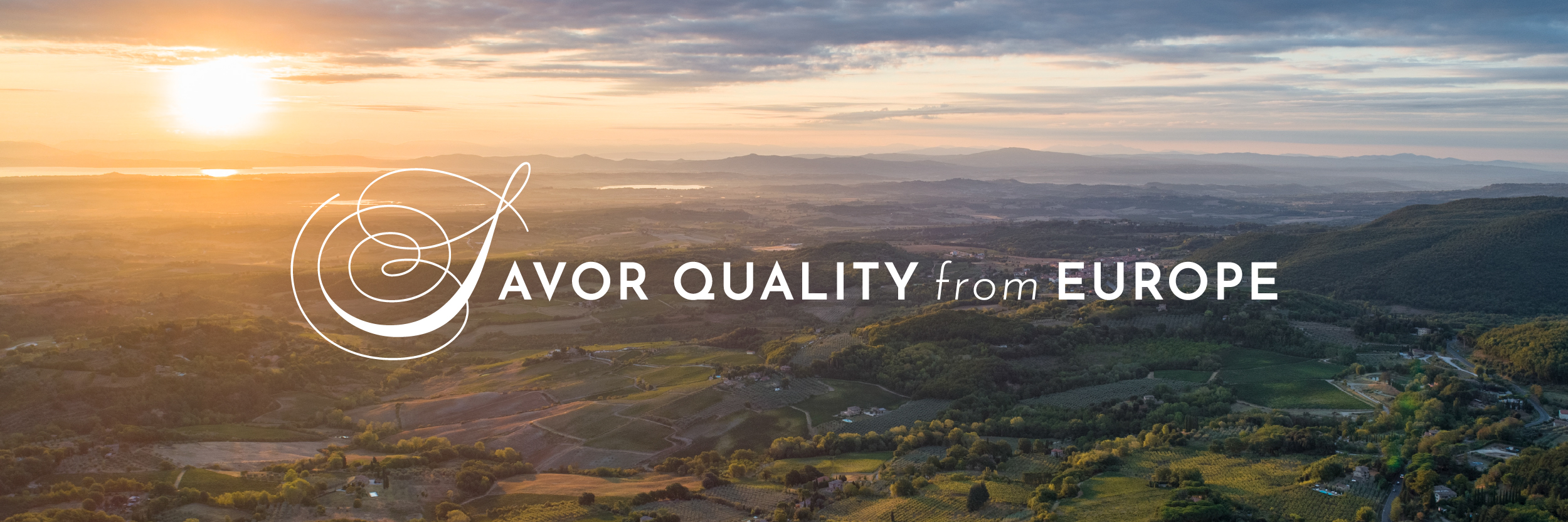
Savour Quality from Europe: Tuscany’s Wine and Olive Oil Icons Find New Fans in Canada October 2025 [Vancouver, BC] Canadians are falling in love with the real taste of Tuscany as testimonial of the European quality. This year, two of the most respected European producer groups, the Consorzio Vino Nobile di Montepulciano and the Associazione Produttori Olivicoli Toscani (APOT), are sharing their story through the European Union–funded campaign Savor Quality from Europe. The campaign celebrates craftsmanship, authenticity, and sustainability by connecting Canadians with the winemakers and olive growers who represent the heart of European culture. Why Canada’s Falling for European Products Canada is becoming one of the most exciting destinations for premium European food and wine. Consumers here want products that tell a story: where they come from, who makes them, and why they matter. The Consorzio Vino Nobile di Montepulciano and APOT see that as a perfect match for
00
October 22, 2025
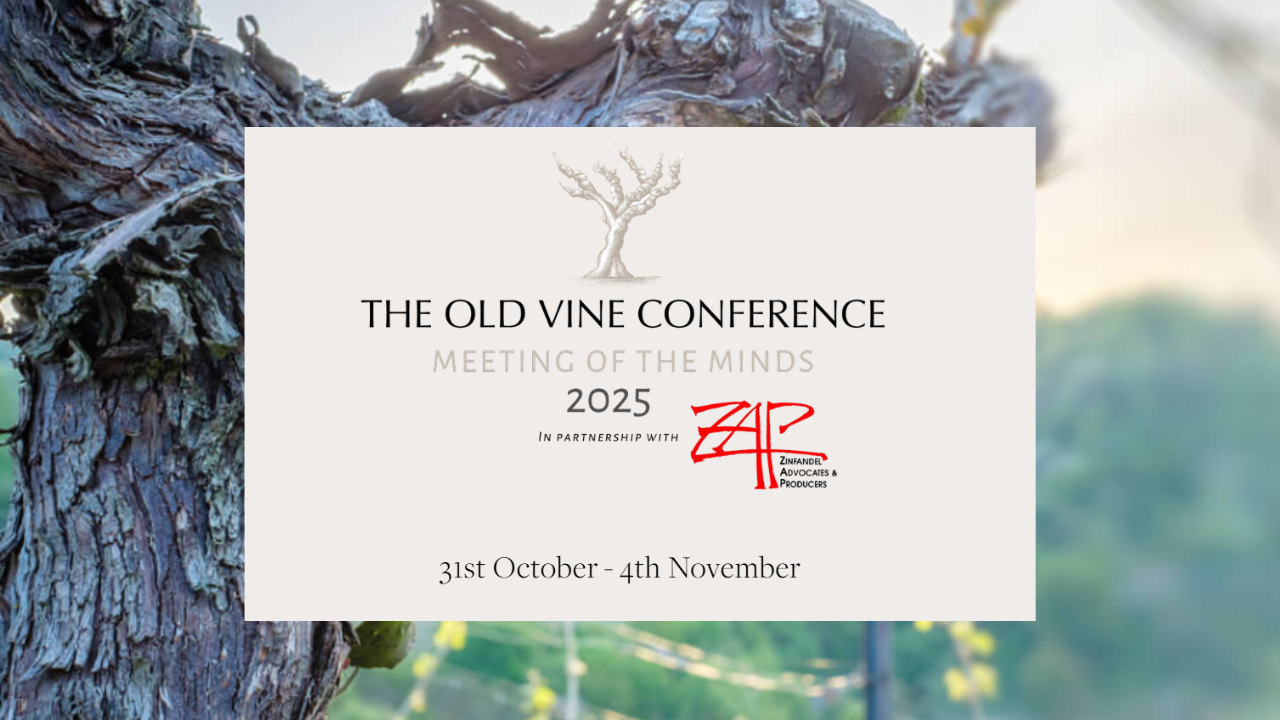
The Old Vine Conference Comes to Sonoma County - Sonoma County Winegrowers
The 2025 Old Vine Conference comes to Sonoma County, celebrating old vines with seminars, tastings, field trips, and global wine leaders dedicated to preserving heritage vineyards.
00

October 22, 2025
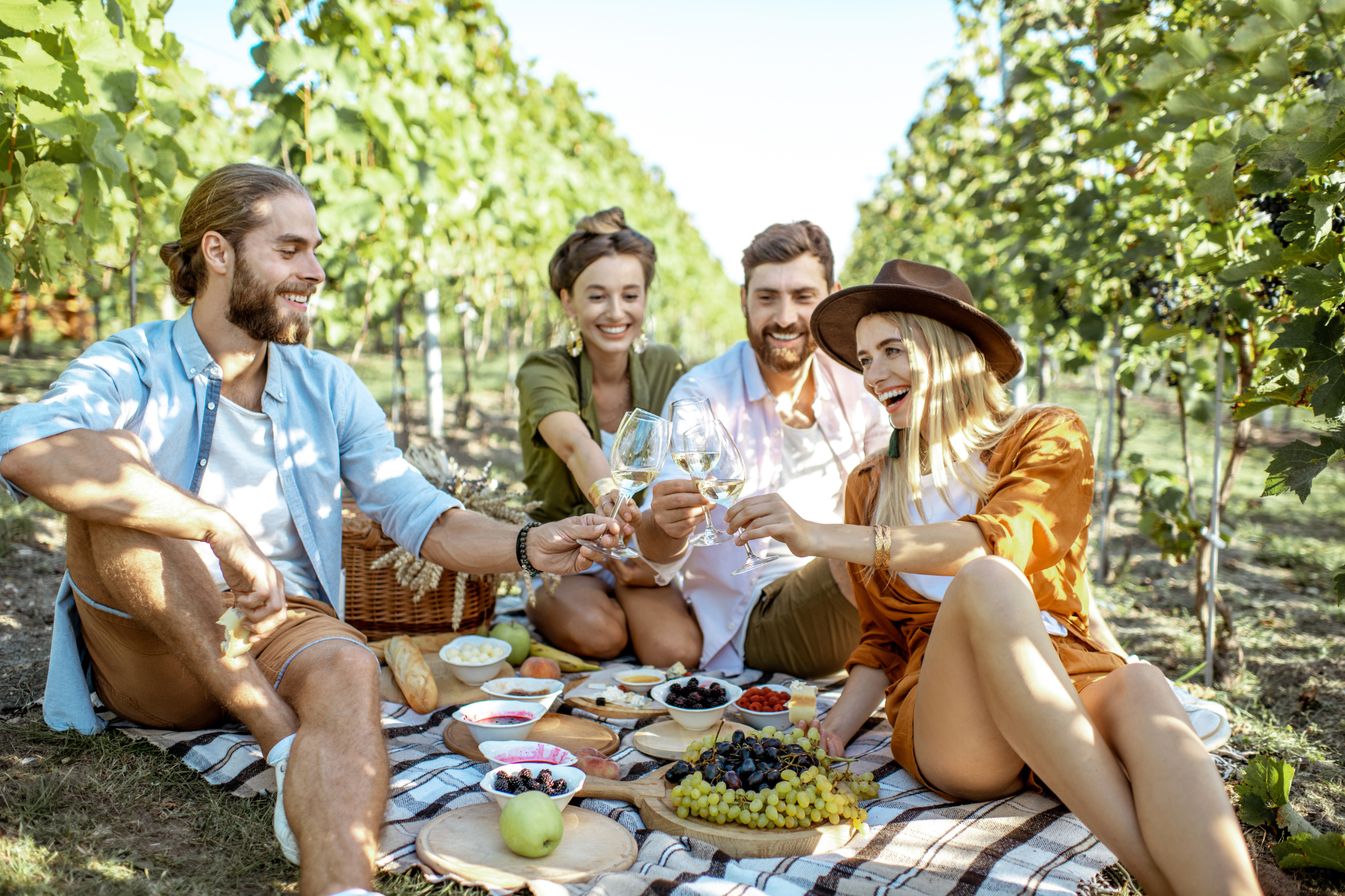
Over the past few years, wineries have seen tasting room visits decline as consumer habits shift. With more options than ever, visitors are looking for something special—experiences that go beyond just sampling wine. For many wineries, this means rethinking how they engage guests and creating a place people want to come back to. This guide explores how wineries across the country are turning their tasting rooms into destinations—balancing local charm, modern convenience, and genuine hospitality. Create Unique, Social Experiences In today’s market, wineries that stand out provide more than just a tasting—they create memorable, shareable experiences that make guests want to stay longer and come back. Enhancing the Atmosphere with Music: Music adds energy and can make an ordinary tasting feel like an event. Hosting live music, whether it’s a local band or acoustic performer, brings people together and keeps them engaged. Many wineries schedule music on weeke
00

October 13, 2025
Stories to Be Told: Wonders Await at 2025 Global Old Vine Conference
The 2025 Global Old Vine Conference offers attendees countless networking and learning opportunities. By Alexandra Russell Every vineyard has a story to tell: site history, soil makeup, rootstock and clonal [...]00
September 21, 2025
“Lumo has been the linchpin in the re-engineering of our approach to water management.” Michael and Kara Busselen, the Owners of Woodhawk Vineyards, farm 21 acres of world-class Cabernet Sauvignon for Silver Oak, situated 1,000 feet above sea level, overlooking the Alexander Valley and Russian River at the northern end of Sonoma County. They're also starting to make some of their own high-end Cabernet. Michael and Kara in the vineyard. Over the past couple years, they’ve evolved their irrigation strategy in collaboration with Fruition Sciences and Redwood Empire Vineyard Management, supported by data from a sap flow monitor they have installed in one of their blocks. The big shift in practice has been getting away from running relatively frequent, short-duration sets and moving toward running longer-duration irrigations less often. “Far fewer but far more strategic,” with the aim of improving the root architecture
00