
Filter Post Type
NewsVideoProductEventLink
Sort:
Most Recent
1–10 of 47

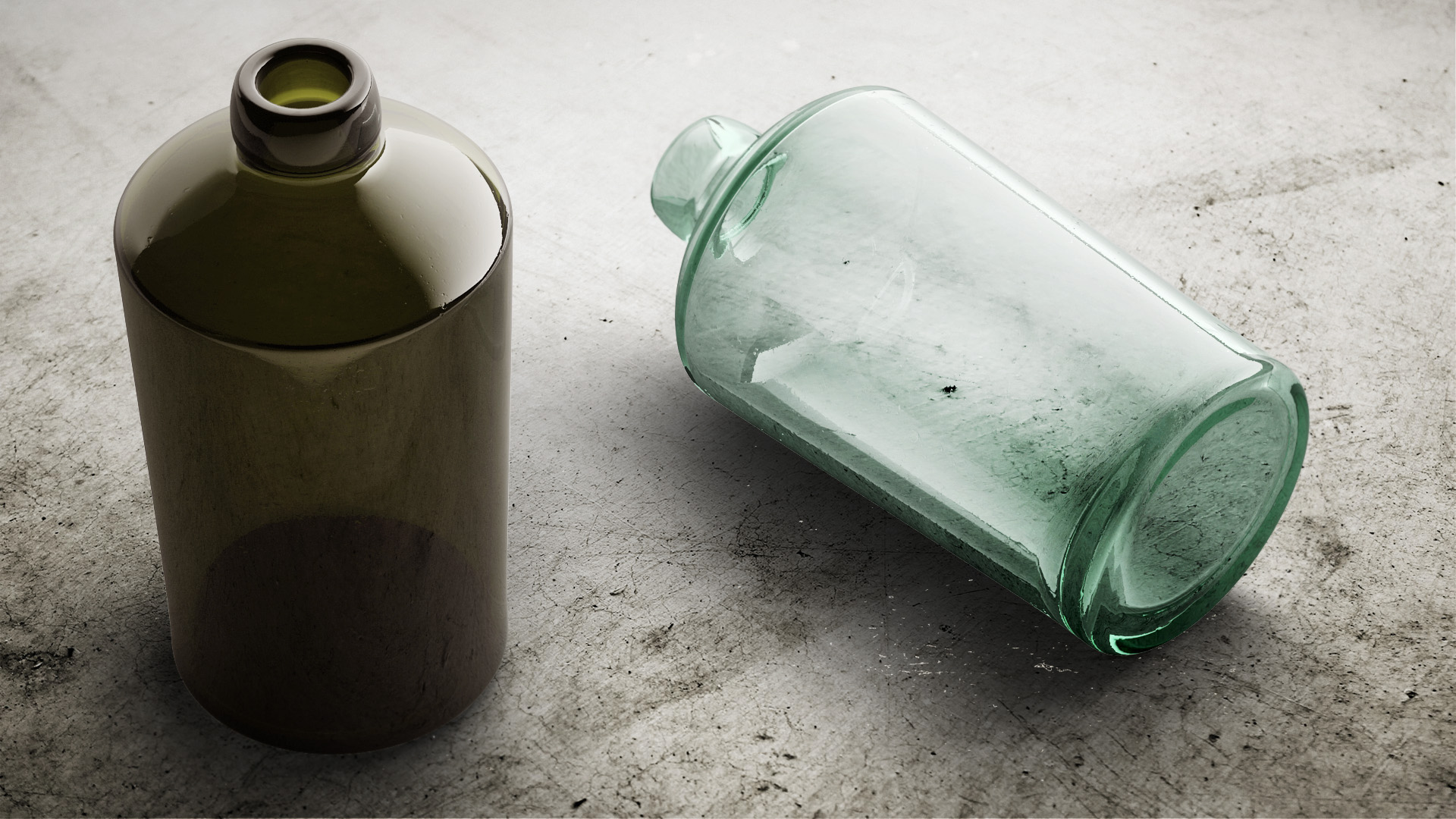
For winemakers and distillers, crafting exceptional beverages is only part of the journey. To ensure your product maintains its premium quality and reaches consumers in perfect condition, the preservation of both its taste and appearance is critical. This is where the often-overlooked factor of glass color comes into play. The color of your bottle can have a profound impact on the longevity, flavor stability, and overall appeal of your wine or spirit. By understanding how different glass colors protect against light damage, you can make more informed packaging choices that safeguard your product’s quality and enhance its shelf life. In this article, we’ll explore the science behind glass color and light exposure, explain how traditional and modern glass choices can protect your product, and provide insights into balancing practical preservation needs with aesthetic considerations. Whether you’re crafting aged whiskey or fine wine, the right glass color is more
00

Strategies to Keep Whites & Rosés Bright, Stable, and Shelf‑Ready Whether you're looking to retain freshness in tank or in bottle, there are several options beyond SO₂ that can help protect against oxidative damage, preserving color, aromatics, and overall longevity. These options also work well for low-alcohol or alcohol-removed wines. Tannins ESSENTIAL ANTIOXIDANT™ Gallnut tannin that can help to protect delicate aromas and color from oxidative damage. ESSENTIAL PASSION™ A balanced blend of condensed and hydrolyzable tannins that can enhance and protect red fruity aromas. SCOTT'TAN RADIANCE™ Lightly toasted French oak tannin that supports aromatic freshness and contributes subtle structure. Mannoproteins & Chitosan FINAL TOUCH TONIC™ Liquid mannoprotein that protects aroma compounds, stabilizes colloids, and can extend shelf-life in whites and rosés. FINAL TOUCH POP™ Liquid mannoprotein that stabilizes bubble
00

NAPA, Calif., (Nov. 26, 2025) – VA Filtration Services’ Scientific Approach, Innovative Solutions from Napa Valley At VA Filtration Services, our mission is to empower winemakers to produce wines of the highest sensory quality. One of the challenges in modern winemaking is managing undesirable levels of pyrazines, particularly methoxypyrazines, which can impart green, herbaceous aromas that mask fruit character and complexity. Winemakers are left with two options: cover up the pyrazine (and potentially other attributes) or remove it through advances in pyrazine remediation practices. The Problem: Pyrazines in Wine Methoxypyrazines are naturally occurring compounds in certain grape varieties, such as Cabernet Sauvignon and Sauvignon Blanc. While subtle concentrations can add a sought-after freshness, excessive amounts lead to pronounced bell pepper and grassy notes, often perceived as faults—especially in premium reds. Often pyrazines present in wine due to enviro
00

September 15, 2025
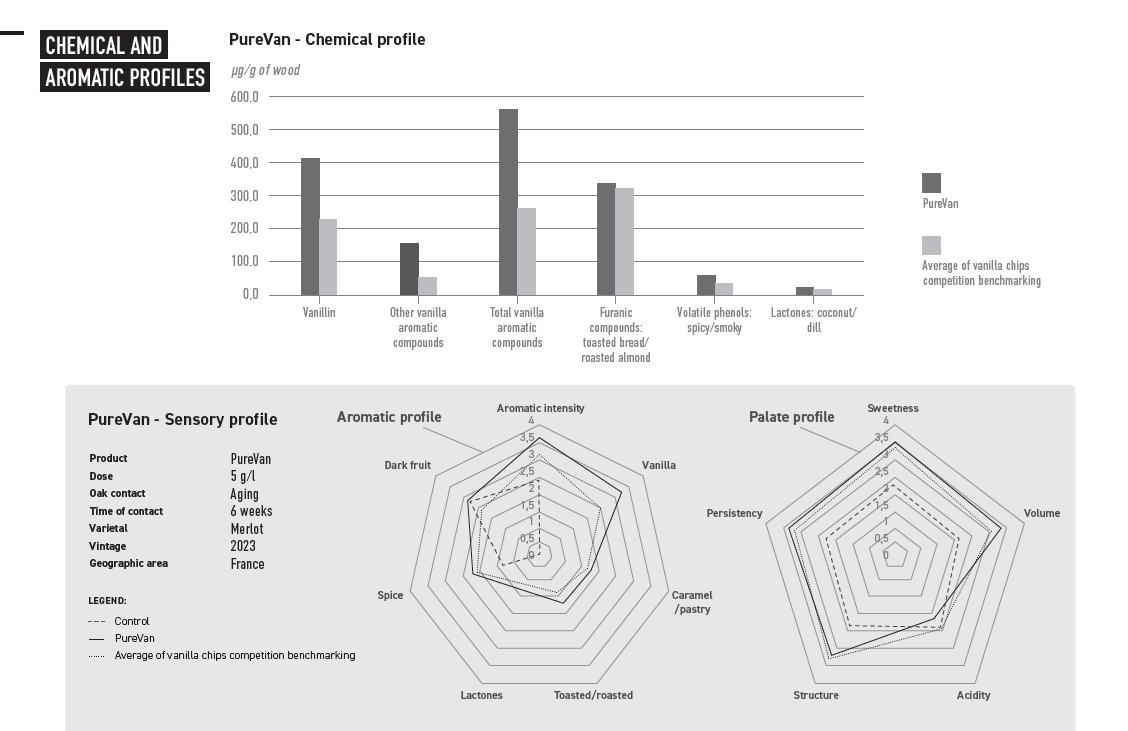
A pioneer in innovation applied to wood for winemaking, Pronektar is expanding its range with the launch of PureVan, a new type of wood chip specially designed to offer a vanilla aroma of unprecedented intensity and purity. Designed as the first in a future series of “ingredient” chips, PureVan meets the expectations of winemakers looking for rich profiles, marked by sweetness and without excessive tannic structure. A strategic need... The PureVan project was born out of an initiative launched in 2017-2018, following an in-depth audit of the existing range and market benchmarking. This analysis highlighted the versatility of the offering, while revealing a significant opportunity for development around chips with more targeted and intensely characterized profiles, meeting specific oenological objectives. A research and development program was therefore launched with two essential conditions: richness and precision. Laboratory tests quickly showed that two par
00
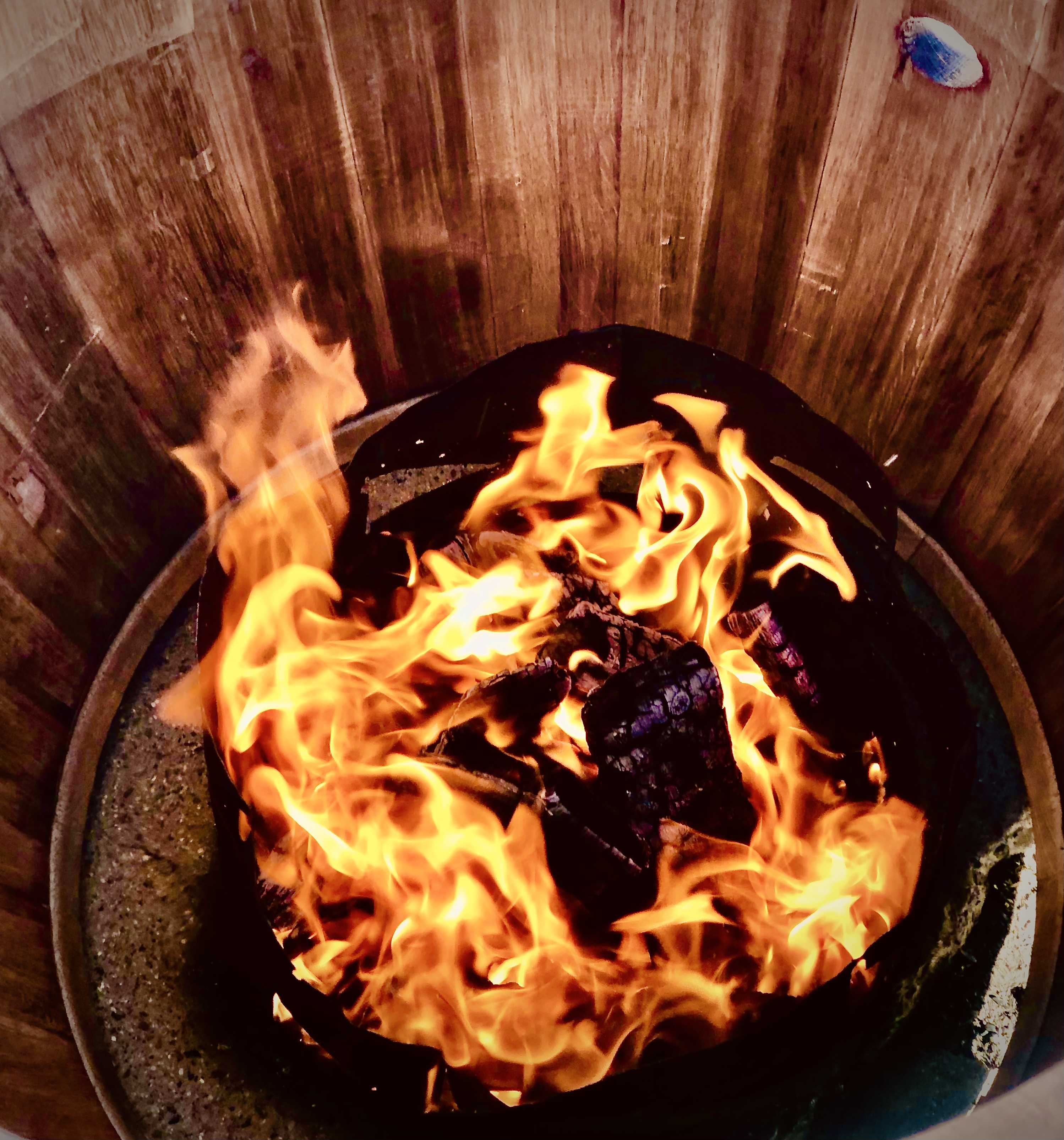
Re-coopering isn’t just about saving money. It’s about restoring oak to its full potential. At Quality Wine Barrels, we’ve spent years refining a proprietary re-coopering process that solves historic challenges. — and turns tired oak into a reliable, like-new performer. Here’s how it works: Step 1: Inspect for suitability Every barrel gets a full check—staves, hoops, and heads. If it isn’t solid, it doesn’t move forward. We only re-cooper once, giving quality oak one strong second life. Step 2: Shave Shave for strength + freshness: We remove just 3/16–5/16 of an inch, exposing clean oak while maintaining strength. This eliminates all traces of old wine or contaminants, leaving no risk of residual off-flavors. Step 3: Re-toast to your style Over open flame, the barrel is re-fired to your specs—light, medium, medium plus, or heavy. Spice, vanilla, and caramelized oak return to the profile. — most winemakers
00

June 6, 2025
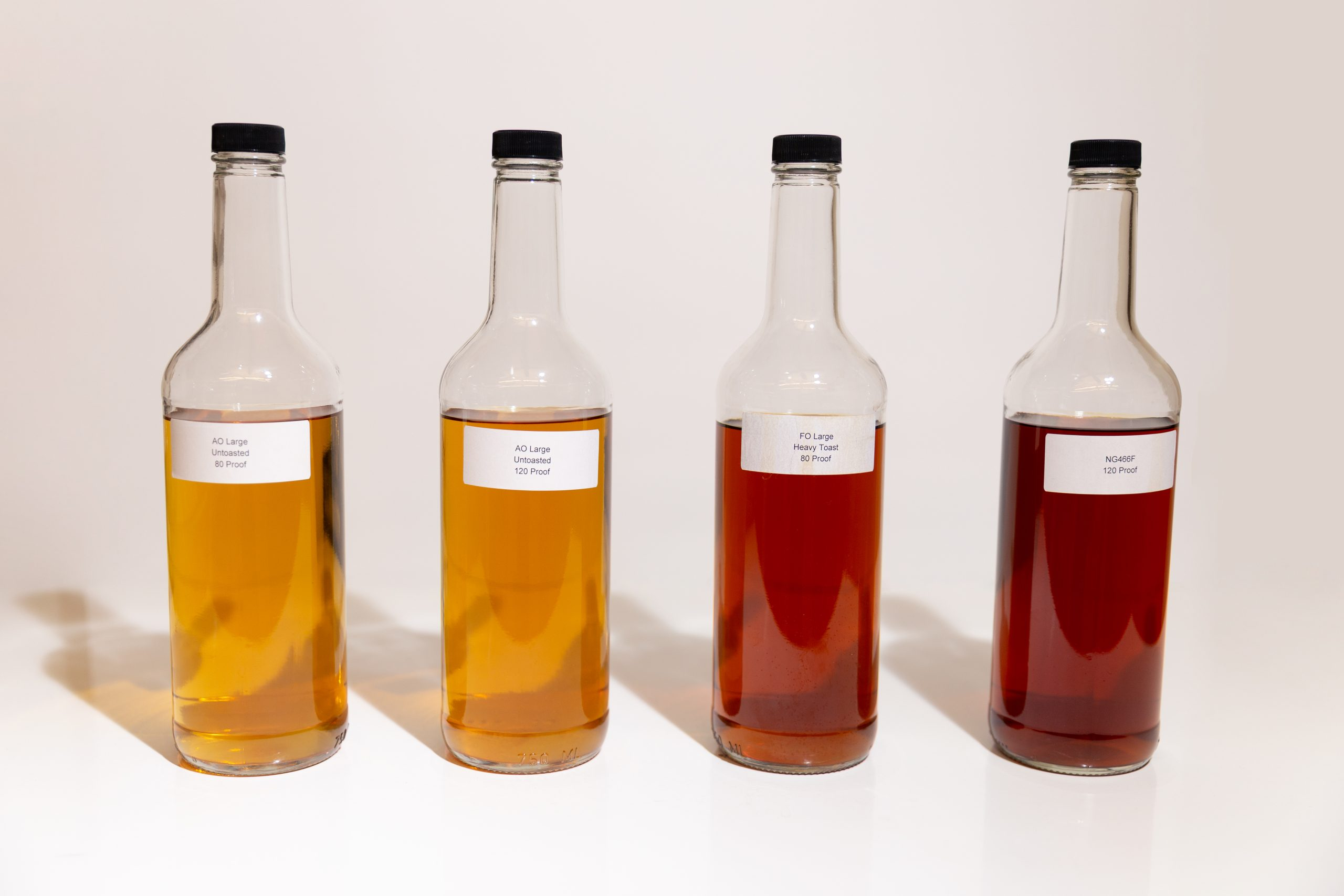
By Amy LaHue, Oak Solutions Specialist with guest contributor Andrew Wiehebrink, R&D Spirits Division Distillers have mastered their craft, but even the most refined spirit can sometimes fall short of the rich color they envisioned. When that happens, I am here to work alongside them to determine the best path forward. During a recent collaboration, we explored one of the most natural methods for enhancing color— exposure to new oak. This process imparts color primarily through two key factors: toast profile and tannin content. But I began to wonder which of these has the greater impact? There are many things to consider. For instance, French oak contains roughly ten times more tannin than American oak. It’s only natural to assume a dark-toast French oak would be ideal, as it offers the best of both worlds— high tannin content and a deep toast profile. But there’s a catch… toasting degrades tannins, especially in French oak. Knowing that r
00
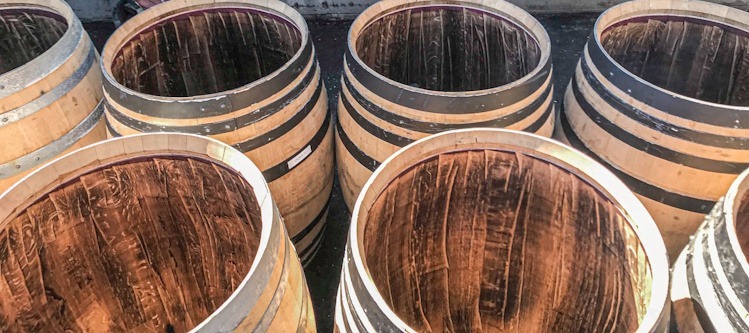
Save Oak, Save Money: Why Recoopering Makes Sense Reduces Pollutants Saves Forests Adds Wine Complexity Restores Original Cooper’s Style Preserves Barrel Integrity Recoopering brings “used up” oak barrels back to life and provides a like-new barrel at a fraction of the cost of new oak. Quality Wine Barrels perfected this centuries old practice, and saves it for only the best barrels in the warehouse. Years ago, our founder tinkered with a name-brand curved planer tools creating a totally “new” tool. This unique tool shaves each stave 3/16th to 5/16th-inch thinner to remove residual wine and contaminants that may linger in the pores. As a result, oak extraction and oxygenation is close to that of a new oak barrel without off-flavors. In fact, to this day, we dismantle and remake planer tools to shave barrels precisely to ensure exceptional quality. Consequently
00
May 19, 2025
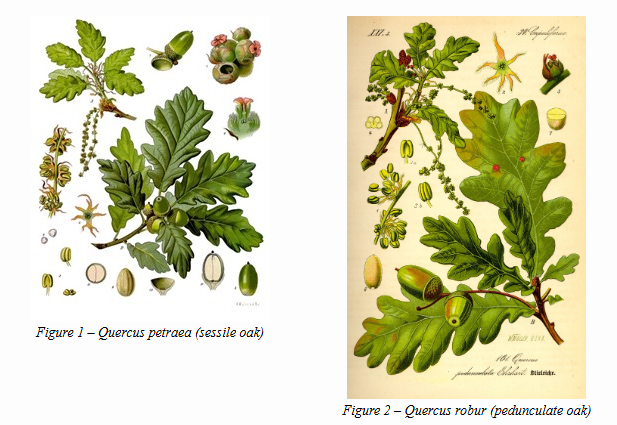
Introduction Coopers have long recognized the importance of forest origin in shaping the sensory qualities of wine, yet relatively little research has been conducted to understand the underlying factors driving these effects. With access to oak sourced directly from several prestigious and historically significant French forests through our company-owned stave mill in northeastern France, we saw a unique opportunity to investigate how forest terroir contributes to wine expression. This study was conducted for our TW Boswell brand of French oak barrels and aimed to evaluate whether specific forest origins impart distinct chemical and sensory characteristics to wine. We selected three single-origin forests – Allier, Tronçais, and Nièvre and a blend composed of Bertranges, Bercé, and Russy – to compare the influence of each on wine aged in barrels crafted with TW Boswell’s proprietary toasting profiles. Our goal was to better understand the role of f
00

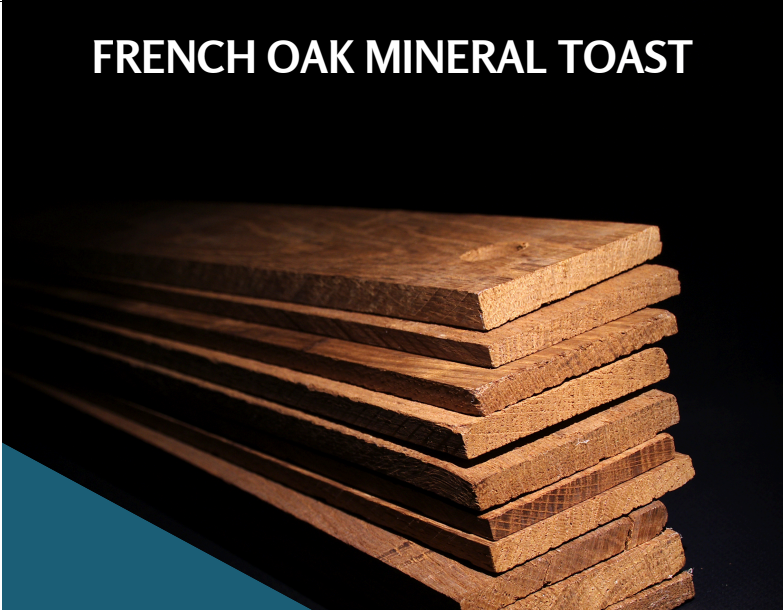
We are excited to introduce a new stave toast profile, Mineral Toast, designed to bring an enhanced sense of minerality to white and rosé wines. This innovative toast profile significantly impacts the sensory characteristics of wine, influencing its interaction with fruit and other elements during the winemaking process. Minerality in wine is often attributed to specific terroirs, rooted in the soil and environment where grapes are grown. While traditionally linked to the vine’s interaction with soil minerals, minerality can also be shaped by winemaking techniques—including the use of oak. Mineral Toast staves utilize carefully selected French Oak air-dried over an extended period. The wood undergoes hot water treatment to soften tannins and reduce harshness, followed by extended toasting at a lower temperature. The gentle process avoids the formation of high notes such as spice, smoke or char, resulting in a delicate profile featuring hints of vanilla, stone fruit,
00

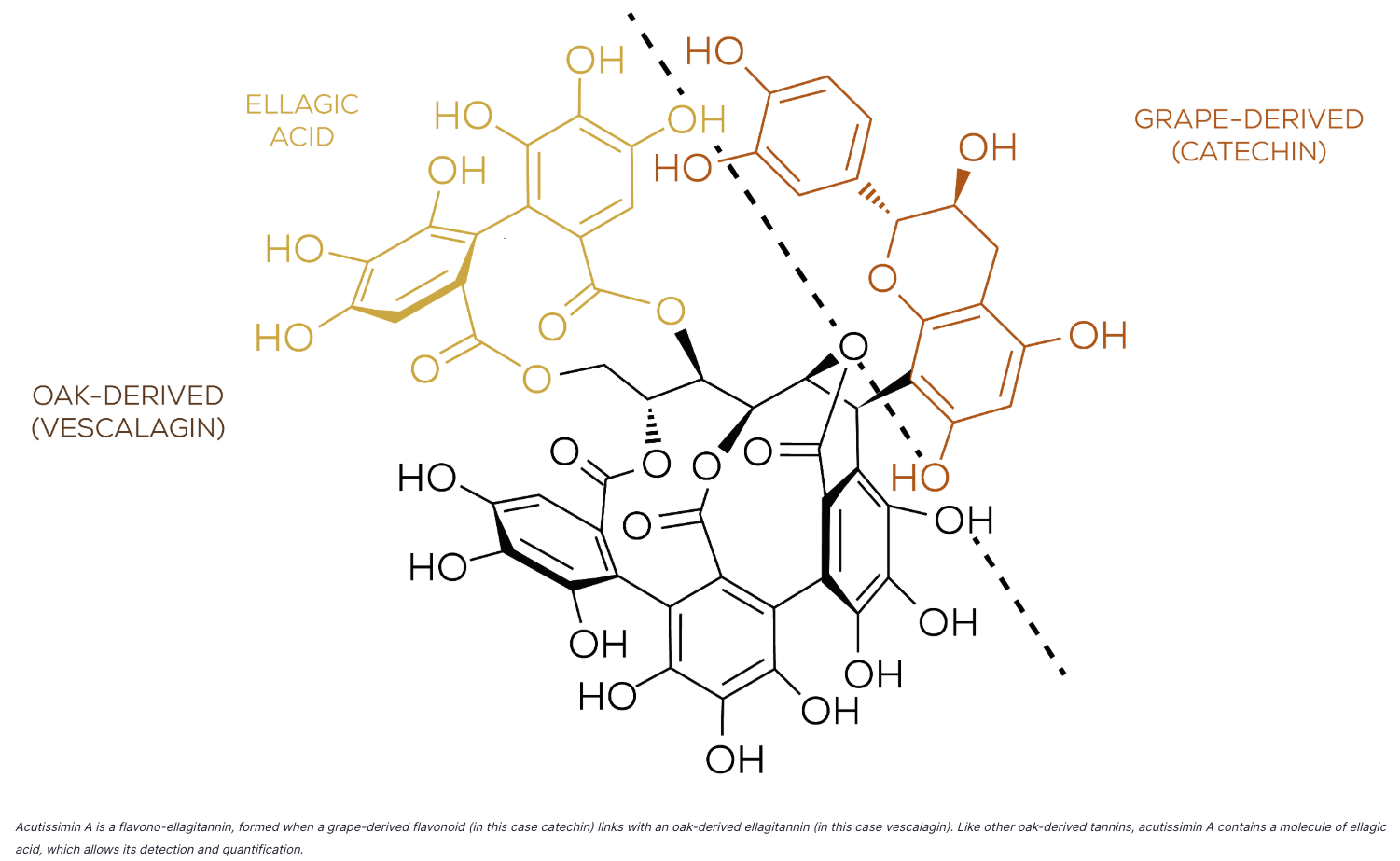
It is widely accepted that oak tannins can have a very significant influence on the tannic structure of wines. Besides their influence on mouthfeel, oak tannins are also antioxidants, and are viewed with renewed interest for their protective effect against wine oxidation. This hasn’t always been the case. Measuring tannins contributed by oak barrels (or barrel alternatives) is a challenging task. Analysis methods have consistently failed to adequately measure these compounds in wines, preventing both researchers and winemakers from fully understanding and assessing their impact. Why Do Oak Tannins Seem to Disappear in Wine? Oak tannins are ellagitannins, relatively complex molecules containing ellagic acid as a main building block. Ellagitannins belong to a class of tannins known as hydrolysable, due to the fact that they easily degrade in acidic aqueous solutions, like wine. Degradation by oxidation is also a cause of their decline in wine. For a long time, it could be ar
00