
Filter Post Type
NewsVideoProductEventLink
Sort:
Most Recent
1–10 of 39
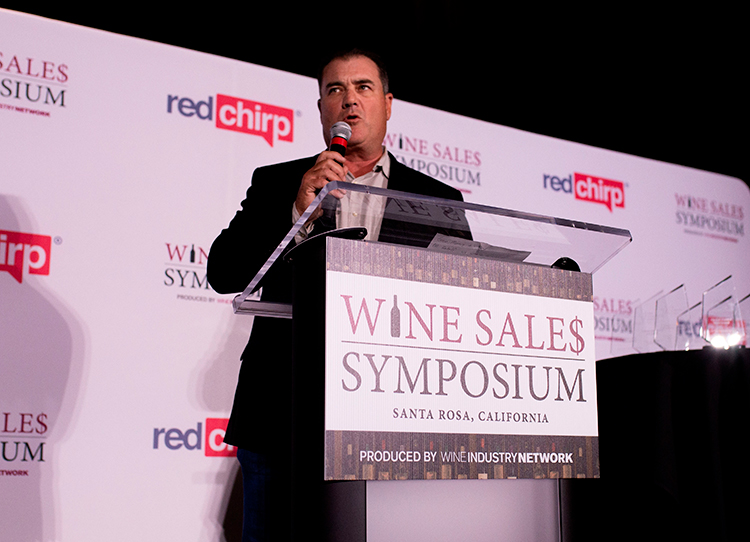
Winery leaders and industry experts explore the strategies shaping the future of wine sales. The wine industry narrative over the past two years has been dominated by decline: falling consumption, shrinking distributor portfolios, and weakening consumer loyalty. The headlines suggest an industry in freefall. But the reality is more nuanced - and more useful. Yes, overall wine consumption continues to face pressure. Consumer behavior is fragmenting in ways that challenge traditional approaches. But the full story isn’t simply decline. It’s divergence. Some wineries are still growing. Some categories are holding steady while others contract. Some sales channels are thriving while others struggle. The difference often comes down to whether wineries have adapted their strategies to match the market that exists today, not the one that existed three years ago. At Wine Industry Network’s Annual Wine Sales Symposium on May 13, Dr. Chris Bitter will present research on what’s actually happening
00

For most wineries, marketing still follows a familiar path: email campaigns, wine clubs, tasting room experiences, and social media. These channels continue to drive direct-to-consumer sales, but they are also becoming increasingly saturated. Reaching new customers often requires more content, more spend, and more competition for the same audience. At the same time, another force is shaping consumer behavior at scale—film and television. A single streaming series can influence travel, dining, fashion, and brand awareness almost overnight. Within those moments, wine is already present. It appears in dinner scenes, celebrations, restaurants, and quiet evenings at home, serving as a natural extension of lifestyle and hospitality. Historically, however, the bottles used on screen have rarely represented real wineries. That is beginning to change. Wine product placement is emerging as a viable and strategic marketing channel for wineries looking to expand beyond traditional touchpoin
00
The 2026 State of the Industry session at Unified was cautiously optimistic but did delivered a clear message: the wine industry is not in a temporary downturn, it is undergoing a structural reset. We are deep into this adjustment but there is still work to be done. Declining consumption, excess supply, margin pressure, and changing consumer behavior are no longer emerging risks; they are now realities. They are now the operating reality. What made this year different was the alignment between market data, producer behavior, and financial results. The conclusions echoed the themes in the most recent SVB State of the Wine Industry Report: slower demand, elevated inventories, capital constraints, and the need for sharper business discipline. A Global Market Under Pressure As Mike Veseth, The Wine Economist, noted, wine is now a global commodity. Approximately 45% of all wine crosses at least one international border. While global trade continues to grow, overall consumption is
00

January 26, 2026

The New Year has often been seen as a marketing reset. New goals, new mindsets, new opportunities. However, by the time Q1 arrives, many brands still rely on superficial “New Year, New You” messages that no longer match how consumers actually behave in January, February, and March. In 2026, the opportunity isn’t to shout louder about resolutions—it’s to align your brand with how people are realistically thinking, spending, and socializing in the first quarter. According to multiple consumer studies, roughly 80% of New Year’s resolutions fade by mid-February, yet spending habits, social rituals, and emotional priorities continue well beyond January. That gap is where smart marketing lives. For wine brands, Q1 isn’t about reinventing but staying relevant. The most effective early-year messaging connects with consumers by addressing their desire for connection, value, simplicity, and meaningful experiences that don’t feel indulgent or e
00
January 14, 2026
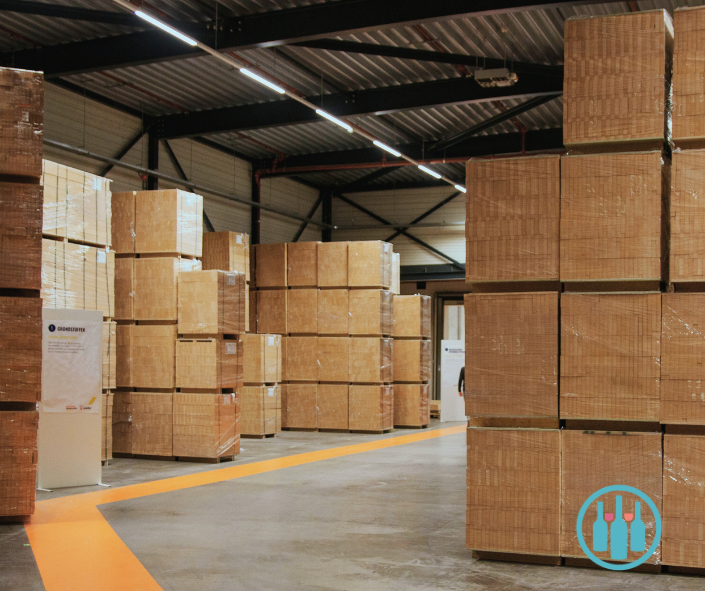
"Victory is the beautiful, bright-colored flower. Transport is the stem without which it could never have blossomed.” Winston Churchill In the evolving world of wine and spirits distribution, logistics has become one of the biggest barriers to growth for small and mid-sized Makers. Storage is in one place, bottling in another, compliance somewhere else entirely—and distribution? Too often, it’s the bottleneck that slows down otherwise incredible brands. LibDib is changing that. At the end of last year we announced two major partnerships—Corning & Company and WineDirect Fulfillment—that both point toward the same mission: eliminating logistics pain points for Makers and giving them a smoother, simpler, more cost-effective path to market. In terms of what these partnerships mean for the future of Maker-first distribution, we are focused on logistics that work for Makers, not against them. At its core, our strategy is simple: streamline everyth
00
November 18, 2025
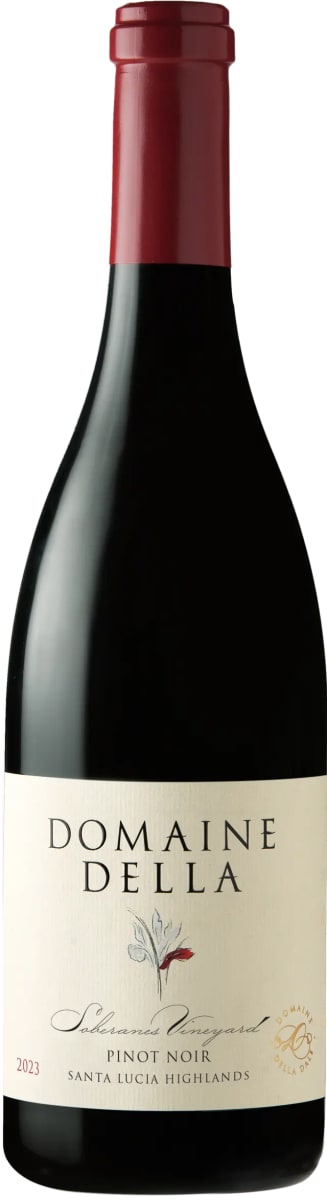
Domaine Della 2023 Soberanes Vineyard Santa Lucia Highlands Pinot Noir Takes Top Prize November 18, 2025 — Winners have been announced in the 2025 Harvest Challenge Wine Competition. After two spirited days of judging, Domaine Della 2023 Soberanes Vineyard Santa Lucia Highlands Pinot Noir took the top prize. It was also awarded Best of Show Red Wine and Best of Monterey County AVA. Coming in at 98 points, judges praised the wine as “warm and spicy” with “fig and nutmeg.” Other descriptors included “meaty,” “prosciutto,” and “dried rose petal.” With entries from across the globe, the Harvest Challenge bases judging on a group of vineyards (or even vines) from the same region, belonging to a specific appellation and sharing the same type of soil, weather conditions and grapes that combine to give personality to the wine. In other competitions, this terroir is ignored. At the Harvest Challen
00
November 18, 2025

If your winery’s December felt like a sugar high followed by a January hangover, congratulations—you’re in the club. The holiday season brings out the best and worst of wine marketing. We see a flurry of emails, social posts, pop-up bundles, and panicked “last chance for shipping!” reminders that make even Santa unsubscribe. But behind all that glitter and noise sits something actually useful: data. And data, unlike mistletoe or tinsel, ages beautifully—if you know how to use it. Day 1: The Ghost of Open Rates Past Let’s start with the easy one. You sent fifteen emails between Thanksgiving and New Year’s, and shocker—open rates dropped after the first week. This isn’t your subscribers turning into Grinches; it’s list fatigue. Consumers are bombarded with messages from every brand they’ve ever accidentally clicked “subscribe” on. The fix: cut your frequency, not your revenue. Segment your list by engage
00
November 4, 2025

Meta Ads, Miracle Results If your holiday Meta ads felt like lighting money on fire in a festive candle, that’s not because social is dead. It’s because your targeting and flighting were built for wishful thinking, not gifting intent. The fix isn’t magic. It’s method. You can absolutely turn Meta into a gift-selling machine between Thanksgiving and New Year—if you understand what actually drives intent and how to spend wisely when every other brand on earth is screaming for attention. What follows is a ruthless, winery-specific playbook for the six-week window between Thanksgiving and New Year that prioritizes intent, protects margin, and leans on real benchmarks instead of folklore. First, reality: volume is there, but it clusters Holiday ecommerce keeps breaking records, with online spend hitting roughly $241.4B from Nov 1 to Dec 31 and mobile responsible for the majority of transactions. (Adobe Newsroom) Translation: your customers are buying on their
00
October 21, 2025

A WINERY GUIDE TO AVAILABLE RESEARCH You know what’s better than spending ten grand on a focus group where Jan from accounting tells you your wine label “feels aggressive”? Doing your homework first. And no, we don’t mean journaling your feelings over a glass of Pinot. We mean secondary research—the overlooked, underloved MVP of marketing insight. While everyone else is out there reinventing the wheel with a clipboard and a budget they don’t actually have, smart marketers are quietly unlocking industry goldmines using data that’s already been collected. It’s like discovering your neighbor’s Wi-Fi is open and they happen to stream all the same shows you like—only more legal. Let’s break down this not-so-secret weapon. THE BOUGIE STUFF: COMMERCIAL SUBSCRIPTION DATA If you’ve got champagne dreams and a caviar budget, welcome to the gated community of NielsenIQ, IRI, Forrester, and Gartner. These firms offer beautif
00
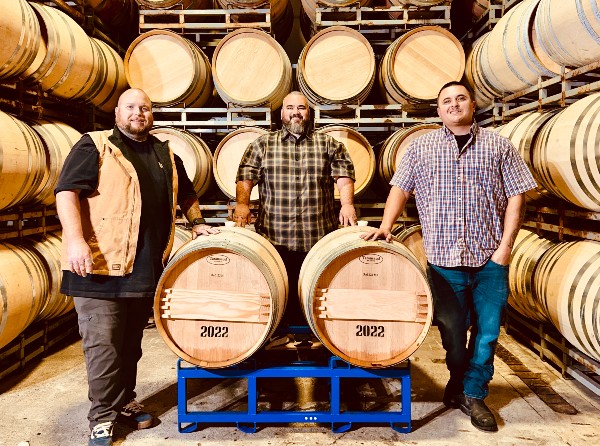
When people talk about barrels, it’s usually the glamorous ones that get the attention—new French oak, custom toasts, those first vintages where the oak impact is bold and unmistakable. But if you walk into most working cellars, you’ll notice something: the barrels stacked three high in the back aren’t all brand-new French oak. A lot of them are neutral. And they’re doing some of the most important work in the room. We’ve seen plenty of cellars where neutral barrels outnumber new oak five to one. Nobody makes a big deal about it—it’s just how the work gets done. More Than “Just Neutral” Once a barrel has given up most of its extractable oak character, it often gets labeled as “neutral.” The implication is that it’s somehow less useful. But neutral oak plays a role that’s just as important as the flashier new barrels. In short: neutral doesn’t mean useless—it means versatile: Blending t
00