
Filter Post Type
NewsVideoProductEventLink
Sort:
Most Recent
1–10 of 23

September 11, 2025

In today’s craft beverage industry, cans have officially claimed the crown. Lightweight, durable, recyclable, and favored by retailers and consumers alike, aluminum cans are now the go-to format for packaging everything from flagship IPAs to water and everything in between. For breweries scaling up from taproom sales or mobile canning services, investing in an in-house canning line can be a game-changing step toward growth, quality control, and brand presence. For energy drinks or water, embracing the aluminum trend can play into sustainability and branding opportunities that connect with audiences across North America. At Prospero Equipment Corp., we’ve spent decades helping beverage manufacturers evolve their production and packaging systems. With premium canning and labeling solutions from our trusted partners like GAI and Makro, we support craft producers in building packaging lines that perform today and evolve for tomorrow. Here’s what to consider as you plan y
00

December 9, 2024

Three states have added fulfillment house requirements for DTC shippers this year, bringing the total number of states with these requirements to sixteen. The requirements vary. Some states have established licenses or registrations for fulfillment houses; others require specific reports and/or records from the services; another group simply requires DTC shippers to inform them what fulfillment service they use. Here are the new requirements for Maine, Nevada and Wisconsin for DTC shippers: A new law in Maine requires fulfillment providers to register each address from which they ship with the ME Bureau of Alcohol Beverages and Lottery Operations (BABLO). The law also mandates quarterly reporting of wine shipments by direct shippers, fulfillment providers, and common carriers beginning January 1, 2025. The agency only recently began accepting registration applications when its new online licensing system BELLS went live on October 28. Going forward, wineries shipping to consumers in Ma
00


WHY WEBSITE UPDATES ARE IMPORTANT (AND HOW TO KNOW IF YOU NEED ONE) I can feel your eye-rolls and hear your inner voice about this topic. You already have a website. It works fine. You spent good money to develop it two, three, maybe four years ago. Why do you need to worry about it when so many other priorities are vying for attention and budget? YOU WILL NEVER BE CURRENT The only constant thing about technology is that it is constantly changing – and at a frightening pace. Would it surprise you to know that since 2010, new technology and data have increased so fast that it is estimated that 90% of the world’s data – like, since forever – was generated in the last two years alone? When new operating systems are released, they push new hardware to be created (or vice versa), which then mandates software has to be updated, which then requires all the plug-ins and ancillary functions and code must be updated. This all ultimately feeds an environment in which we a
00

March 20, 2024

Session 2: New Regulations Impacting the Wine Industry Date & Time: Wednesday, April 10th – 10:00 AM (PT) Seemingly, each year brings new laws and regulations that impact the wine industry and present a maze of compliance issues. This session will feature four experts addressing four areas where new regulations impact vineyards and wineries. FTC Enforcement and Trade Practice Compliance: As part of the current administration’s initiative to increase competition and assist small and medium-sized businesses in the alcohol beverage market, there’s been a renewed focus on federal trade practices that govern how industry members interact. In addition, the Federal Trade Commission has launched an antitrust investigation focused on one of the nation’s largest alcohol beverage distributors. Given these developments, industry members should brush up on the world of trade practice restrictions in order to avoid any potential pitfalls. Bottle Bill:
00

Happy New Year! It is time to dust off the employee handbook, review your policies and procedures, and make sure they comply with all the new laws, regulations, and interpretations that have either already gone into effect or will in early 2024. Below, we have identified our “top 10(ish)” changes. Please keep in mind there were hundreds of laws, regulations, and changes implemented at the local, state, and federal levels throughout 2023. So, if you need a handbook/policy review or have any questions, please call. 1. California and Local Minimum Wage Raised – In addition to the gradual increase to minimum wage by the state, several Sonoma County cities have increased minimum wage beyond that required by the state. Below is a table that describes the state and local city requirements: Locality Effective Date All Employers California 1/1/2024 $16.00 Santa Rosa 1/1/
00

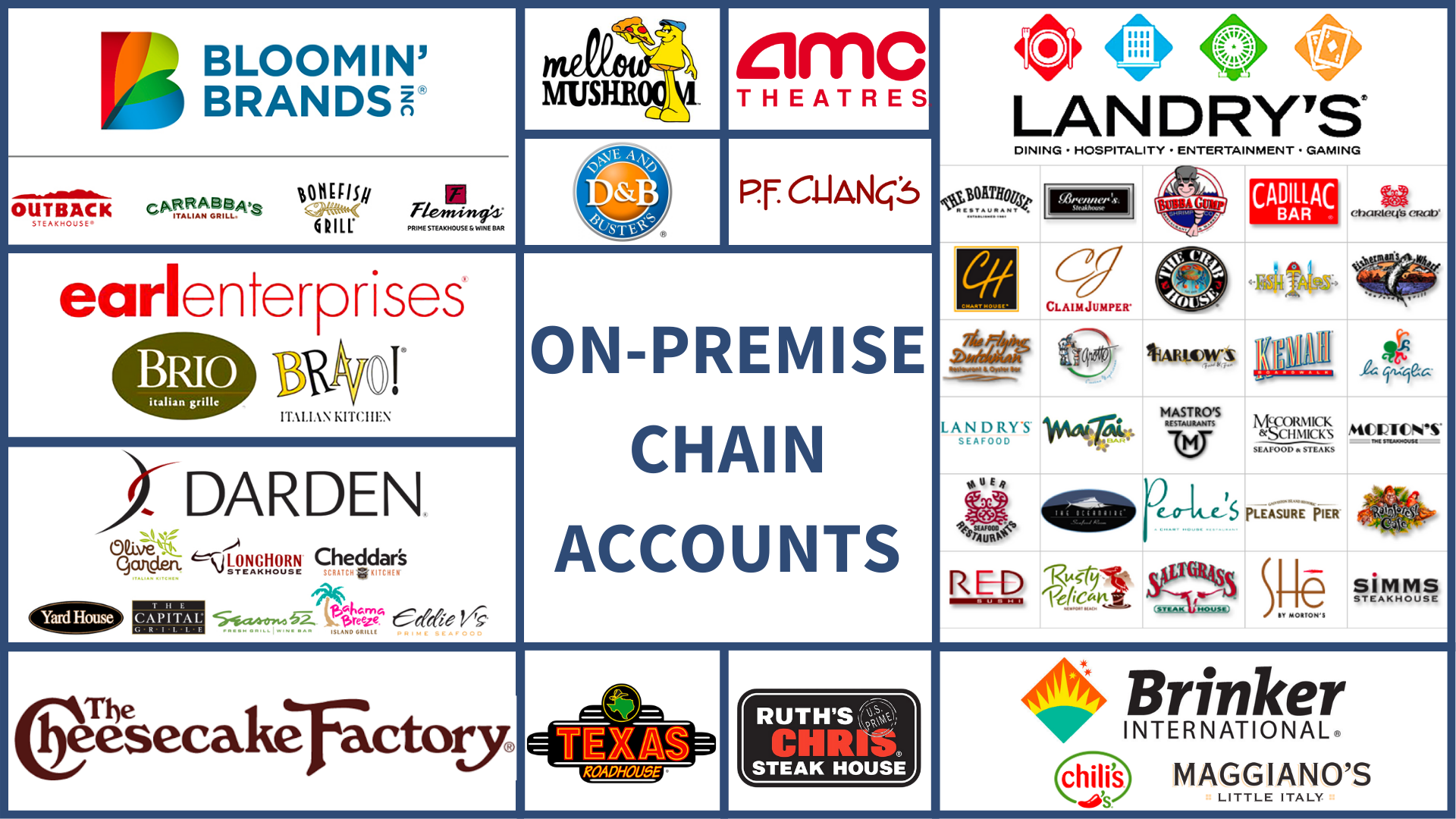
Overview The on-premise national accounts arena is one of the most complex, expensive, and time-consuming channels to pursue in the wine sales game — it’s also the most misunderstood! This guide will help set you up for success and shave months (if not years) off the learning curve. Keep an open mind as you read; what most people think is required to succeed in this arena is entirely disconnected from reality. What constitutes a “chain?” When considering an on-premise chain, it should meet all of the following criteria Three or more store locations One central decision-making process Licensed to sell beer, wine, or spirits Using this definition, we at Andavi Solutions estimate the total number of on-premise chains in the US to be around 2,000 chains with a total number of stores of just under 40,000. The indisputable attractiveness of on-premise chains Five things make on-premise chains a highly desirable quarry for selling adult be
00
In advance of our traditional list of relevant employment law updates issued every January, we would like to bring your attention to some changes that will require edits to your hiring practices and edits to your handbooks. I. Pay Scale and Data Reporting Effective January 1, 2023: All employers must provide pay scales to any employee or applicant asking for one. All employers must keep pay history for every employee for the duration of their employment, and three years after the employment ends. Employers with 15+ employees must post a pay scale along with any new job advertisement. Employers with 100+ employees must submit detailed pay data reports to the state Civil Rights Department (formerly the Department of Fair Employment and Housing) in addition to the pay data reports to the federal EEOC. Last year, employers were permitted to submit a copy of their EEO-1 report to the CRD, but now the CRD has created its own list of required information. These reports are due by
00

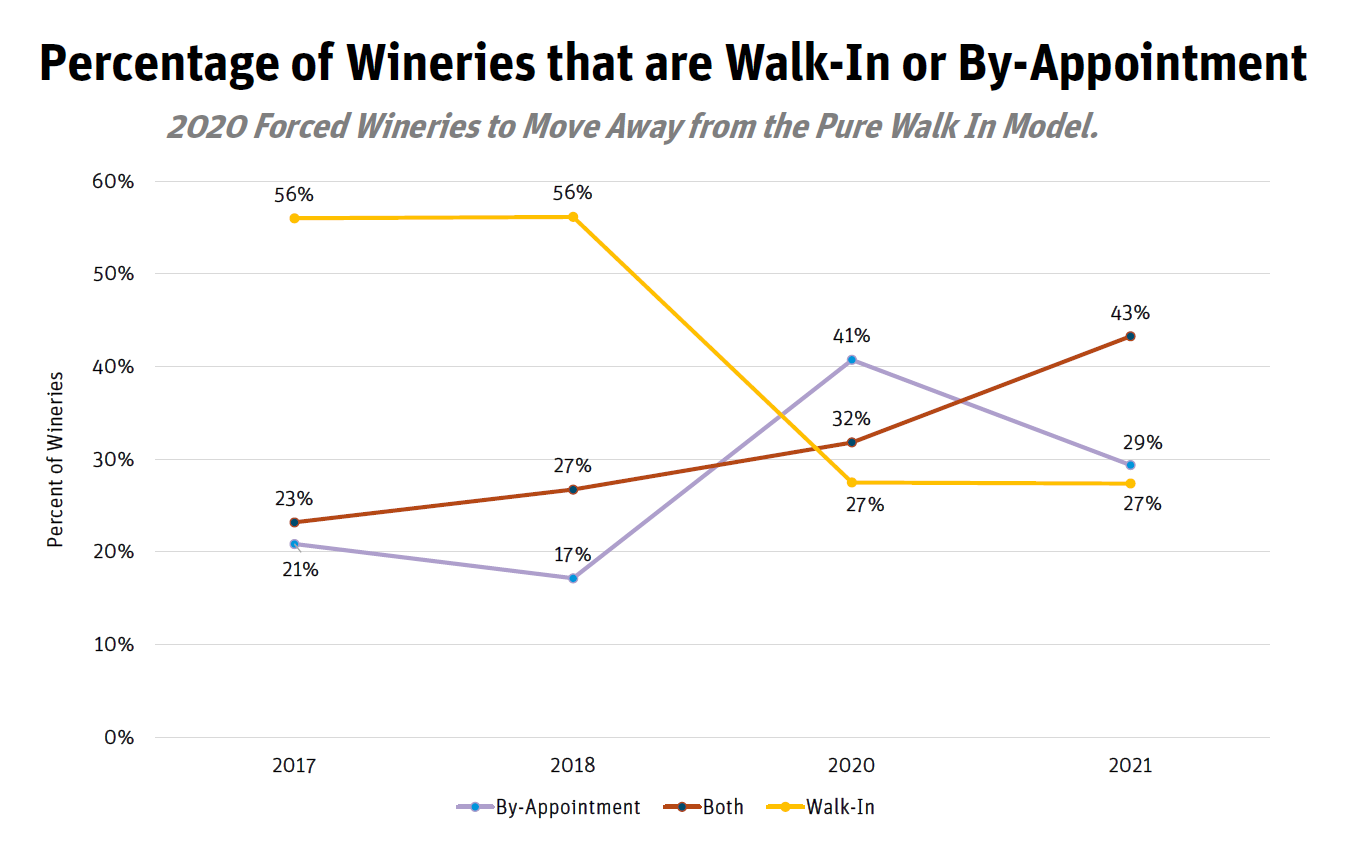
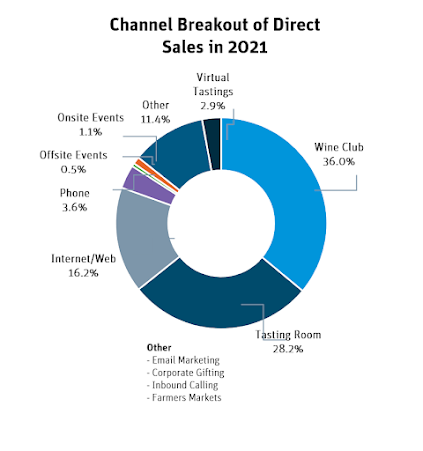
The answer to the blog title is the point of the Annual SVB Direct to Consumer Videocast, which is taking place this coming Wednesday, June 15th. You can sign up to receive the SVB DtC Report, receive a link to the live presentation, and a post-conference link to the videocast replay ----> [HERE.] The past two years have presented us with dislocation and change that needs unbundling. With an expert live panel (below) we will take 90 minutes to discuss the current state of the Direct to Consumer Wine Business, and offer our views on what's coming next: Internet sales from wineries grew by 500% when the Nation locked down in 2020. Internet sales are holding steady since the reopening. That is a permanent consumer change. The change to by-appointment tastings for years was resisted by many in the wine community. There was always the fear that moving away from the walk-in model would reduce sales opportunities. But regional mandates required tasting room ap
00
by Steve Fredricks We are now well past a relatively uneventful and smaller harvest, particularly in the North Coast, mask mandates have been lifted in most areas, and on-premise sales continue to rebound. Overall, the industry seems to be a taking a collective deep breath to assess the current market dynamics, but remains unable to relax totally or look too far ahead. The market disruptors of Covid-based channel shifting on the consumer side and short crops from drought and fires on the supply side have been exacerbated by geo-political, supply chain, and inflationary issues. The net effect is that supply excesses are down and more in balance to demand. In many ways it feels like the market is more ‘normal’ than it has been for quite some time. At the same time, one must ask: Is this really a return to normalcy, or are we adapting to new normals? This issue will focus on what we are currently seeing in the bulk wine and grape markets, and will offer an early look at the So
00
Selling Wine in a Pandemic What an insane past few years! But doesn't it feel wonderful to be moving into spring and at the same time into the endemic phase of this crisis? With fewer mask mandates now, maybe we'll be able to smell the spring flowers! But before we linger too long on the warmer days ahead, we still have some work to do. So let me take you back to the start of this crisis in 2020 when the COVID case numbers began picking up. At that point in time, I wrote a piece called Selling Wine in a Pandemic which is one the most-read pieces I've posted. I wrote it on March 15th, 2020 - a date that is etched in my mind and probably yours if you live in California. If you don't recall, that was the date Governor Newsom first issued the shelter-in-place orders and closed tasting rooms, restaurants and bars. I finished writing that blog on March 15th in the morning, but by late afternoon, I had to go back and update it when news of the lock-downs came o
00