
Filter Post Type
NewsVideoProductEventLink
Sort:
Most Recent
1–10 of 59

Reducing ethanol removes one of wine and beer’s natural protective barriers, increasing susceptibility to spoilage bacteria, refermentation and instability. Key challenges producers face: • Higher microbial pressure • Reduced SO₂ tolerance • Shorter shelf-life expectations Smart microbial control is essential, combining robust fermentation, bioprotection and precision processing to maintain quality without compromising flavour or clean-label goals. As low & no-alcohol demand grows, bacterial management becomes a quality differentiator, not just a safeguard. How are you managing microbial stability in low-alcohol products?
00

Strategies to Keep Whites & Rosés Bright, Stable, and Shelf‑Ready Whether you're looking to retain freshness in tank or in bottle, there are several options beyond SO₂ that can help protect against oxidative damage, preserving color, aromatics, and overall longevity. These options also work well for low-alcohol or alcohol-removed wines. Tannins ESSENTIAL ANTIOXIDANT™ Gallnut tannin that can help to protect delicate aromas and color from oxidative damage. ESSENTIAL PASSION™ A balanced blend of condensed and hydrolyzable tannins that can enhance and protect red fruity aromas. SCOTT'TAN RADIANCE™ Lightly toasted French oak tannin that supports aromatic freshness and contributes subtle structure. Mannoproteins & Chitosan FINAL TOUCH TONIC™ Liquid mannoprotein that protects aroma compounds, stabilizes colloids, and can extend shelf-life in whites and rosés. FINAL TOUCH POP™ Liquid mannoprotein that stabilizes bubble
00
Adjust pH Naturally and Precisely with Oenodia STARS® Technology Traditional pH adjustment tools like tartaric acid and potassium carbonate often lack precision and can alter wine flavor, especially after fermentation. Oenodia’s STARS electrodialysis process is a smarter way to fine-tune pH, enhancing flavor, color, and SO₂ performance. Learn More Why Adjust Acidity? STABILITY ENHANCE SO₂ EFFECTIVENESS Sulfur dioxide is most effective within a specific pH range to protect wine from microbes and oxidation. When pH>3.65, its effectiveness drops, requiring higher free SO₂ levels. Lowering pH helps maintain wine stability with less intervention. SENSORY ADJUST FLAVOR AND COLOR pH plays a key role in a wine’s sensory profile and visual appeal. A lower pH can sharpen flavor balance, reduce flabbiness, and enhance freshness. pH also influences color, especially in reds and rosés. pH adjustment is a natural way to shift color. FLEXIBL
00

Maintaining wine balance in a changing climate Climate change is reshaping the wine industry. In many wine regions, each year seems to set new records for the hottest or driest growing season, followed by the earliest harvest dates yet. Such accelerated ripening is disrupting grape physiology; phenolic and aromatic development fall out of sync, sugar levels soar, and acidity drops away (1). So how can we adapt and build a more resilient wine sector? The answer to this question is multifaceted. In the vineyards, grape growers are rethinking their management practices, adjusting canopy architecture, introducing shading or optimising irrigation (1,2). Some are reaching for higher altitudes or moving further from the equator in search of cooler conditions (1). Others are trialling alternative heat- and drought-tolerant varieties, from long-forgotten cultivars to newly bred plant material. In the cellars, winemakers may turn to pragmatic solutions such as dilution or blending strategi
00
Adjust pH Naturally and Precisely with Oenodia STARS® Technology Traditional pH adjustment tools like tartaric acid and potassium carbonate often lack precision and can alter wine flavor, especially after fermentation. Oenodia’s STARS electrodialysis process is a smarter way to fine-tune pH, enhancing flavor, color, and SO₂ performance. Why Adjust Acidity? Stability: Enhance SO₂ Effectiveness Sulfur dioxide is most effective within a specific pH range to protect wine from microbial contamination and oxidation. When pH>3.65, its effectiveness drops, requiring higher free SO₂ levels. Lowering pH helps maintain wine stability with less intervention. Sensory Adjust Flavor and Color pH plays a key role in a wine’s sensory profile and visual appeal. A lower pH can sharpen flavor balance, reduce flabbiness, and enhance freshness. pH also influences color, especially in reds and rosés. pH adjustment is a natural way to shift color. SHIFT pH ± 0.05 - 0.5 WITH PR
00
December 8, 2025
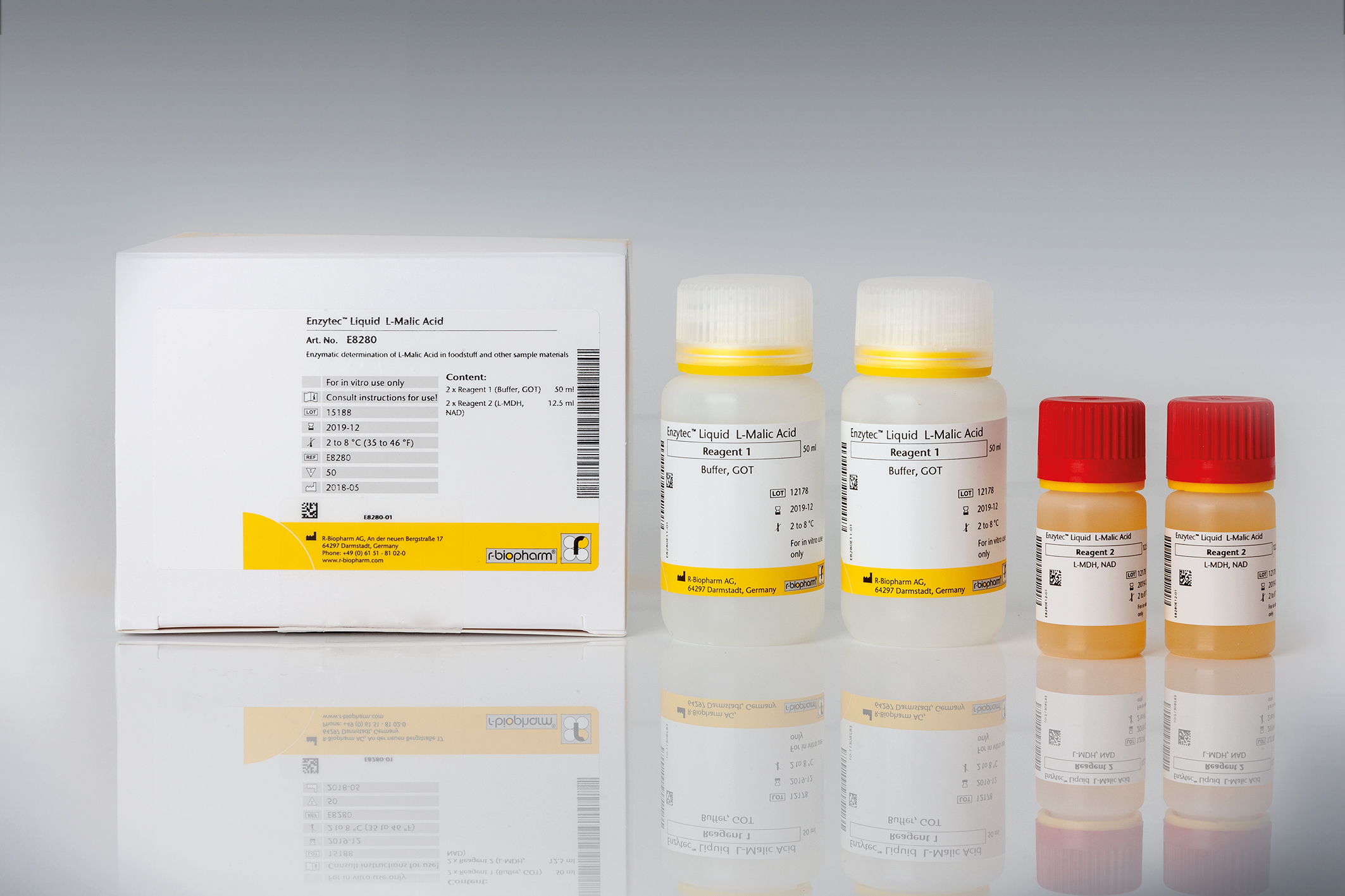
Patiently monitoring your L-Malic numbers to drop low enough so your SO2 additions can be made, and your wines protected over the upcoming holidays? Are you simultaneously ensuring your Acetic Acid numbers aren't climbing? R-Biopharm offers stable, cost-effective, and precise liquid enzyme kits that can be used on most automated analyzers (500 determinations per kit) or by manual testing (50 determinations per kit). Our kits are delivered next-day, are ready-to-use, and have an extended shelf life of twelve months under proper storage. In addition to L-Malic Acid and Acetic Acid, we offer FSO2, TSO2, and D-Glucose/D-Fructose enzymatic test kits. Please email info@r-biopharm.com for more information, or visit our Wine Industry website: https://food.r-biopharm.com/industries/wine-analysis/ Your local R-Biopharm Wine Quality Specialist is available to offer swift and personalized customer service!
10

October 1, 2025
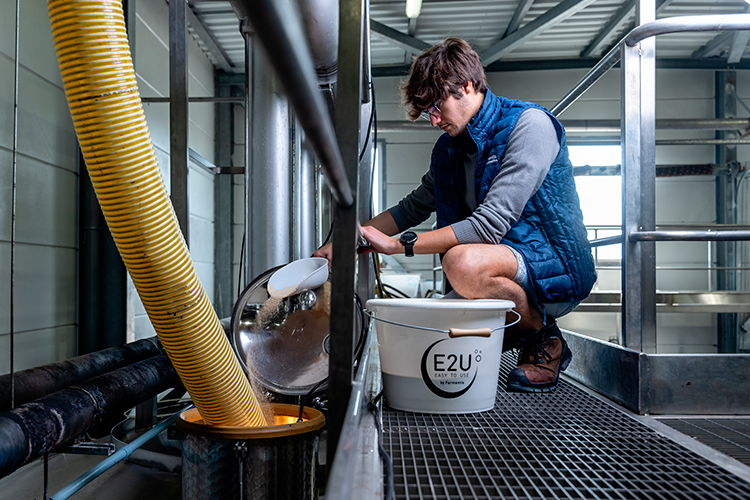
As a wine consumer, if you are looking for qualitative low-to-no-sulfite wines, you know it can be challenging. As a winemaker, if you are trying to craft wines with lower levels of sulfites, you know it is difficult to achieve. It requires a deep understanding of your processes, a solid knowledge of the science behind sulfites mechanisms of action, and continued efforts at all stages of your wine’s life cycle. The reasons why you are working on a low(er) SO2 winemaking program can be very diverse and multiple. You may be producing organic wines or simply trying to follow regulatory limits. You may be targeting to reduce the allergens in your wines or trying to use fewer chemicals in general. You may be worried about the negative effect that SO2 can have on your wines’ organoleptic qualities, or you are simply targeting to follow the overall health trend. In any case, Fermentis has solutions for you. As a global leader in the research and development of fermentation s
00
September 15, 2025
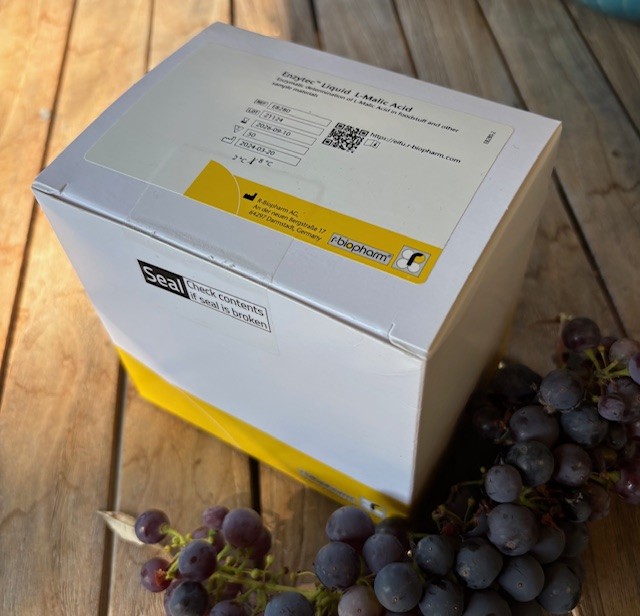
At R-Biopharm, we firmly believe that gold standards can be improved. We see the introduction and continuous extension of our Enzytec™ Liquid product line as the next generation of enzymatic analysis: Established quality and reliability of results of enzymatic tests combined with increased user-friendliness and simultaneous cost reduction! Enzytec™ Liquid test kits are adaptable to manual testing, and where automation already exists the reagents can be used directly in the analyzers. Enzymatic parameters cover the determination of sugars (i.e., glucose/fructose), organic acids (i.e., malic, tartartic, acetic), acetaldehyde, ammonia, anthocyanins, potassium, free SO2 and total SO2, no/low EtOH, and others. Enzytec™ Liquid reagents have superior stability, are liquid and ready-to-use, simple in sample preparation, no interference (not affected by matix effect) and non-toxic. Specific and accurate results are based on the specificity of a particular enzym
10

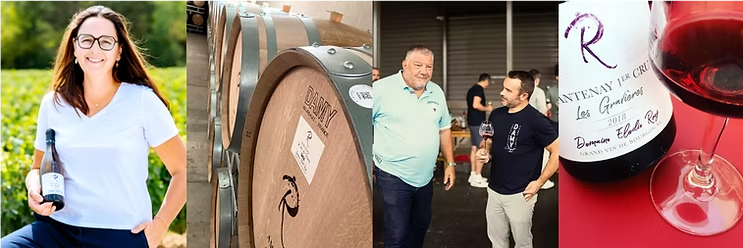
Bouchard Cooperages is very proud to represent Tonnellerie Damy, based in Meursault, one of the most prestigious cooperages in Burgundy. Tonnellerie Damy, and its French Sales Manager Étienne Martin, work exclusively with their neighbor and client Domaine Élodie Roy in Maranges. This important producer uses Damy barrels exclusively for its production of chardonnay, aligoté and pinot noir. For those interested, the same Damy barrels Élodie Roy uses for the production of these wines are currently available from stock inventory in California, Oregon, Washington, Virginia and Ontario. Tonnellerie Damy - Meursault, France Tonnellerie Damy was founded in 1946 and is managed by third generation Jérôme Damy who overseas the production of 18,000 barrels per year. The cooperage represents a state of the art facility located in Meursault, Burgundy. The majority of Damy's barrels are made from single origin French Oak, sourced from the most
00

Producing low and no-alcohol wines brings a different set of rules. Our guide walks through considerations for enhancing complexity before de-alc, restoring aroma and texture after de-alc, and ensuring microbial stability for the life of the wine. READ MORE What Happens after De-Alcoholization? Loss of Aroma Ethanol helps volatilize aromatic compounds; without it, wines can smell muted. Thinner Texture Alcohol contributes to body and roundness; its removal can leave wines feeling hollow. Reduced Stability Lower alcohol means higher risk of microbial spoilage and oxidation. Considerations by Phase Pre-Dealc Control during harvest and fermentation allows you to enhance aromas, mouthfeel, and complexity up front, so there's less to fix later. Post-Dealc Some wine finishing products can help restore sensory balance, especially in low alcohol wines where natural flavors may require labeling. Microbial Stability Consider additional protection measures outside the traditional SO2 filt
00