
Filter Post Type
NewsVideoProductEventLink
Sort:
Most Recent
1–6 of 4


Afternoon Brief: Loss of an Icon - Meininger's International Shuts Down
Meiningers International, perhaps the premier wine trade publication of the past decade, has closed...
Meininger's InternationalWine Industry NetworkLivermore Valley Winegrowers FoundationLivermore Valley Wine AuctionAzure AssociatesStoller Wine GroupBonterraMilea Estate VineyardMacari VineyardsWhitecliff Vineyard & WineryJohnson Estate WineryLiving Roots Wine & Co.Osmote WineDecanterDecanter World Wine AwardsWineGlass MarketingTor KenwardJustin SandovalTruchard VineyardsSkurnik Wines & SpiritsStacy HornemannBlue Grouse WineryQuality Wine BarrelsLiberation Distribution IncEnolyticsSaxcoBalletto VineyardsWX BrandsCastello di AmorosaJustin VineyardsNapa Valley Vintners
00

Sustainable farming practices are essential for protecting the environment, improving long-term agricultural productivity, and supporting healthy communities. In fact, many of the methods highlighted today are shared across a variety of certification programs, from sustainable certifications like SIP Certified to regenerative programs like Regenerative Organic Certified (ROC). While each certification has its own specific requirements, the core principles of responsible farming remain consistent. In this week’s Marketing Tip, we’ll take a closer look at three key areas – Water Management, Soil Health, and Habitat Preservation – and how sustainable farmers manage them to ensure future success. Water Management Water is one of agriculture’s most critical resources. Sustainable farmers work carefully to both use water efficiently and protect water quality. Efficient Irrigation Anyone who has struggled to keep a plant alive knows that plants
00

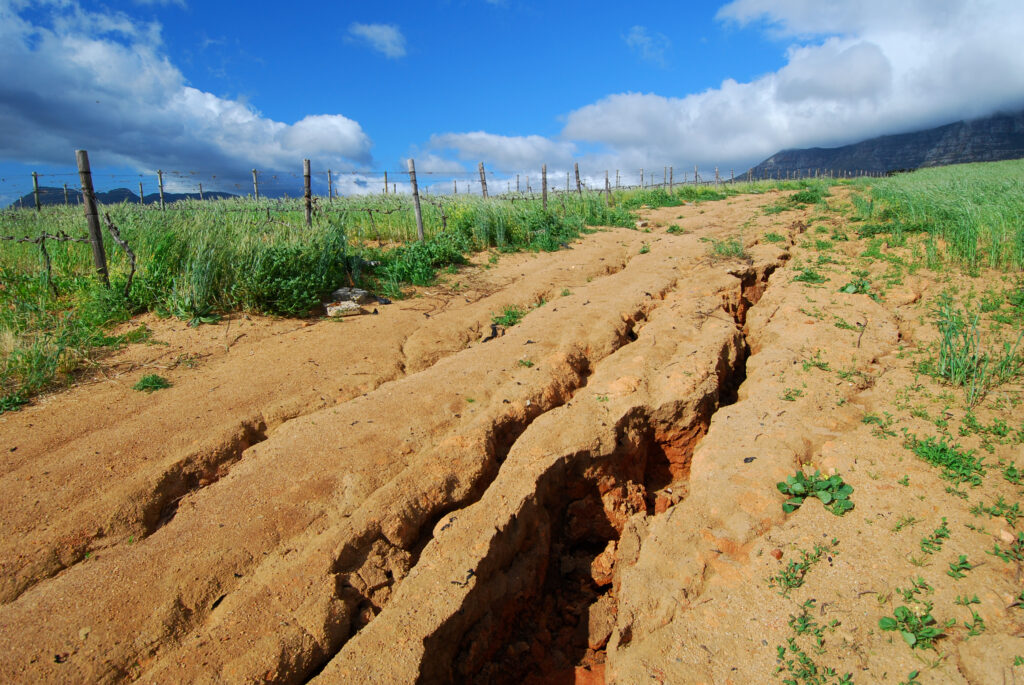
It's not for the faint of heart Going no-till certainly has been picking up steam in recent years, and overall it’s a good thing. When I first got involved in viticulture back in 2010 I was living in Italy. Like a lot of Mediterranean viticultural areas, there was a tendency to disc everything all the time. If you didn’t have a barren wasteland with vines poking out of it, you weren’t a good farmer. Anything you couldn’t get to with a tractor you sprayed with herbicide. One of my first vineyard jobs in Italy was spraying glyphosate out of a backpack sprayer all spring. I felt like I was in the final scene of the Godfather! Minus the dying part. Herbicide: the new four-letter word Mentalities have shifted since then both in Europe and here in the states. All in all it’s a good shift. We’ve all seen places that have gone on for years and years using herbicide to a point where you don’t even need to spray it anymore because that soil is so d
00

Last night while I was sleeping, my heart beat 38,400 times. I didn’t ask it to keep beating through my slumber, nor did I thank it when I awoke. I just took my heartbeat, and my life, for granted. Shame on me. We do the same with wine. Sure, we enjoy the aroma, bouquet and taste. But we rarely reflect that this magical elixir is a natural farm product…a land preserver…a reflection of place and time…an artistic statement…a liquid food…a Biblical focus…a poetic inspiration…a cultural phenomenon…an economic engine…a noble beverage with humble roots which brings people together around the world. Wine is magic. So why don’t we tell people? Natural magic It’s easy to fret about the future of wine. Boomers are aging, younger generations are opting out, spirits are innovating and there are increasing warnings about the dangers of alcohol. It’s deja vu all over again. We’ve been here before, and
00
October 10, 2023

Afternoon Brief, October 10th
Washington Wine Grape Growers Downsizing: Washington viticulturists face painful adjustments to Ste. Michelle volume decrease...
Ste. Michelle Wine EstatesIWSRThe Wine GroupNk'Mip CellarsAnderson Valley Winegrowers AssociationLiving Roots Wine & Co.Consortium of Brunello di MontalcinoThacher Winery and VineyardsVinepairWine Down MediaMitroff Consulting & AssociatesAvalaraALMADENCIATTI Global Wine & Grape BrokersVerallia USAGaler Estate WineryStar Lane VineyardDutton Estate WineryKarah Estate Vineyards
00
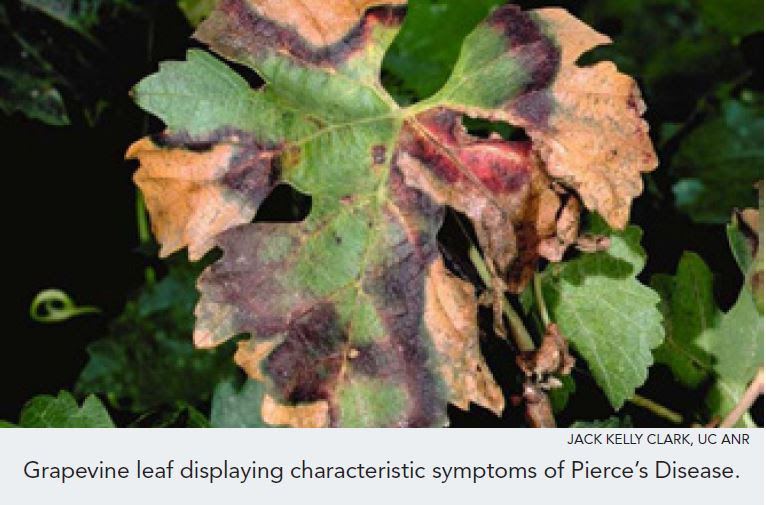
Pierce's Disease has been a scourge of vineyards for well over a century. It was discovered near the end of the 19th century by Newton Pierce, so the disease took on his name after originally being given the name Anaheim Disease (having been discovered in that area’s vineyards well before Disney and all that pavement moved in). Pierce’s Disease (PD) is a nasty disease caused by the bacterium Xylella fastidiosa, which is vectored by several different sharpshooter insects, including blue-green, red-headed and glassy-winged. The bacteria colonize the xylem vascular tissue. The bacterial colonies, along with gums that are exuded by the vine itself, clog the vessels and effectively choke off the vine’s water transport system. The disease is catastrophic in that it cannot usually be surgically removed from the vine and will most often quickly reduce both its fruit production and fruit quality before finishing off the job and killing the vine after a few years.
It is n
00