
Filter Post Type
NewsVideoProductEventLink
Sort:
Most Recent
1–10 of 15

Strategies to Keep Whites & Rosés Bright, Stable, and Shelf‑Ready Whether you're looking to retain freshness in tank or in bottle, there are several options beyond SO₂ that can help protect against oxidative damage, preserving color, aromatics, and overall longevity. These options also work well for low-alcohol or alcohol-removed wines. Tannins ESSENTIAL ANTIOXIDANT™ Gallnut tannin that can help to protect delicate aromas and color from oxidative damage. ESSENTIAL PASSION™ A balanced blend of condensed and hydrolyzable tannins that can enhance and protect red fruity aromas. SCOTT'TAN RADIANCE™ Lightly toasted French oak tannin that supports aromatic freshness and contributes subtle structure. Mannoproteins & Chitosan FINAL TOUCH TONIC™ Liquid mannoprotein that protects aroma compounds, stabilizes colloids, and can extend shelf-life in whites and rosés. FINAL TOUCH POP™ Liquid mannoprotein that stabilizes bubble
00

December 2, 2025

HOW TO KEEP YOUR BRAND TOP OF MIND WHEN CUSTOMERS ARE DROWNING IN HOLIDAY EMAILS The inbox in December isn’t a communication tool—it’s a full-contact sport. Every brand, from the global megastore to the local dog bakery, is shouting their way into people’s attention span with flashing subject lines, endless exclamation points, and “40% OFF” hysteria that blurs into static. Consumers don’t read; they scan for relief. According to Mailjet’s 2024 BFCM report, holiday email volume jumps nearly 80% between Thanksgiving and Christmas, while average open rates drop to 13–15%—a statistical cry for help. But the real problem isn’t quantity—it’s tone. Every brand is talking at their audience instead of with them. The louder the messaging, the less people listen. Leading with prices and panic doesn’t inspire trust; it triggers fatigue. That’s your opportunity. The brands that win the inbox aren’t the
00

It’s the same conversation in boardrooms, discussion boards, symposiums, and industry reports: “Younger consumers just aren’t drinking wine like previous generations.” Sure, the concern is valid. But the narrative misses key nuances. The reality is that younger consumers are still just that—young. Their drinking habits, lifestyle priorities, and financial realities don’t yet match those of past generations at the same life stage. But instead of writing off Gen Z or younger Millennials, the wine industry needs to adjust its approach. The traditional playbook doesn’t account for how younger consumers live, what they value, or how they engage with brands. If wineries want to stay relevant, it’s time to rewrite the script. 1. Younger Consumers Will Age Into Wine—Just Like Boomers Did A common misstep in the industry’s current panic is comparing a 23-year-old Gen Zer to a 45-year-old Gen Xer. The latter has had decades to develop
00

Valentine’s Day isn’t just for flowers and chocolates—it’s also a prime opportunity for wineries to boost sales, attract new customers, and strengthen existing relationships. This holiday of love lends itself perfectly to creative marketing initiatives that showcase wine as the ultimate romantic gift or experience. Here’s how wineries can make the most of Valentine’s Day. 1. Embrace Online Sales with a Valentine's Day Theme Ensure your website is ready to entice Valentine’s shoppers. Update your homepage with romantic visuals and feature special offers prominently. Simplify navigation to make shopping easy, especially for those making last-minute purchases. Incorporate Valentine’s Day-themed SEO keywords to improve search visibility and draw in gift-seekers. Don’t forget to clearly display shipping deadlines and offer expedited options to capture late buyers. Tip: Use Corksy’s personalization tools to create pop-ups
00

November 15, 2024
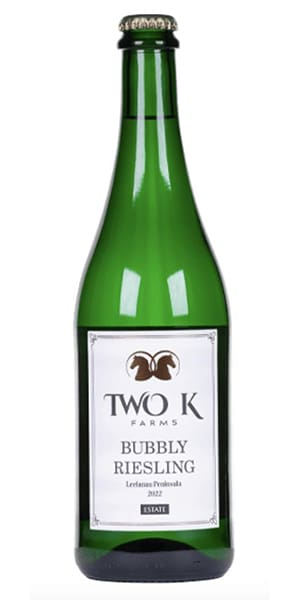
Two K Farms Cidery and Winery 2022 Bubbly Riesling Takes Top Honors November 15, 2024 — Winners have been announced in the 2024 Harvest Challenge Wine Competition. After two spirited days of judging,Two K Farms Cidery and Winery 2022 Bubbly Riesling took the top prize. It was also awarded Best of Show Sparkling Wine. Coming in at 97 points, judges praised the wine for its “Mouth watering citrus and honeysuckle”; “Lingering tropical finish”; and “Perfect bubbles.” They also called it “Well balanced.” With a record number of entries from across the globe, the Harvest Challenge bases judging on a group of vineyards (or even vines) from the same region, belonging to a specific appellation and sharing the same type of soil, weather conditions and grapes that combine to give personality to the wine. In other competitions, terroir is ignored. At the Harvest Challenge, judges taste wines alongside other wines of the same appellation. W
00

Glass packaging trends in the wine industry are always changing, but remain grounded in tradition. As leaders of the US domestic market in glass packaging, and decades of experience in the industry, Global Package have been creating these trends as much as utilizing them. Global Package has strategic alliances with innovative suppliers, designers and marketing collaborators both domestically and internationally. These strategic alliances allow us to keep up to date with trends globally from various spheres including material, design, market behavior, and digital behavior. As they allow our business to evolve, we are able to develop exciting new lines to assist our clients (you) launch and market your brands to a continually developing audience as your business evolves along with it. In this article, we’ve collected and compiled a breakdown of current trends and traditional conventions to assist in your choice of glass packaging for your wine label. Global Package wil
00

September 1, 2023

Bubbles for Everyone: Behind the Rack & Riddle Expansion
The companys plan is to transform the supermarket private label bubbly business. By Jeff Siegel Rack & Riddle, the California custom sparkling wine
00

August 25, 2023
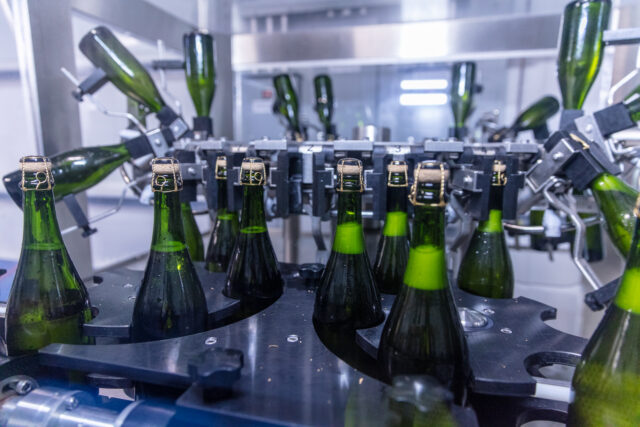
Bubbles for Everyone: Behind the Rack & Riddle Expansion
The company’s plan is to transform the supermarket private label bubbly business. By Jeff Siegel Rack & Riddle, the California custom sparkling wine house, garnered lots of attention last […]
00

In the introductory blog in the Wine Series, we took a look at why it is important to rehydrate yeast properly. In the future, we will talk about and compare and contrast specific strains of yeast. But before we get into what the differences are between specific yeasts, we should take a look at how the yeasts used in winemaking came to be what they are today. Yeast is not new. It didn’t get invented. The fungus occurs naturally and has always been here with us and has changed along with us humans. Sometime, possibly around 5,000 years ago, humans realized yeast could be a tool and domesticated for our own purposes – whether that’s making bread or alcohol. In breadmaking, the yeast gives the bread CO2 bubbles to make the dough rise. Back then, people didn’t know about potassium bitartrate or other chemical means of making dough rise, so all bread was naturally fermented by using yeast and/or sourdough bacteria. In nature, yeast divides and makes a clone of itself
00
October 11, 2022

Afternoon Brief, October 11th
Inflation Drags on Wine’s Return to Pre-Pandemic US Restaurant Sales: A hoped-for rapid return of U.S. consumers to pre-pandemic levels of ordering wine and other beverage alcohol at restaurants, bars, nightclubs, hotels and similar venues may be faltering...
00