
Filter Post Type
NewsVideoProductEventLink
Sort:
Most Recent
1–10 of 86
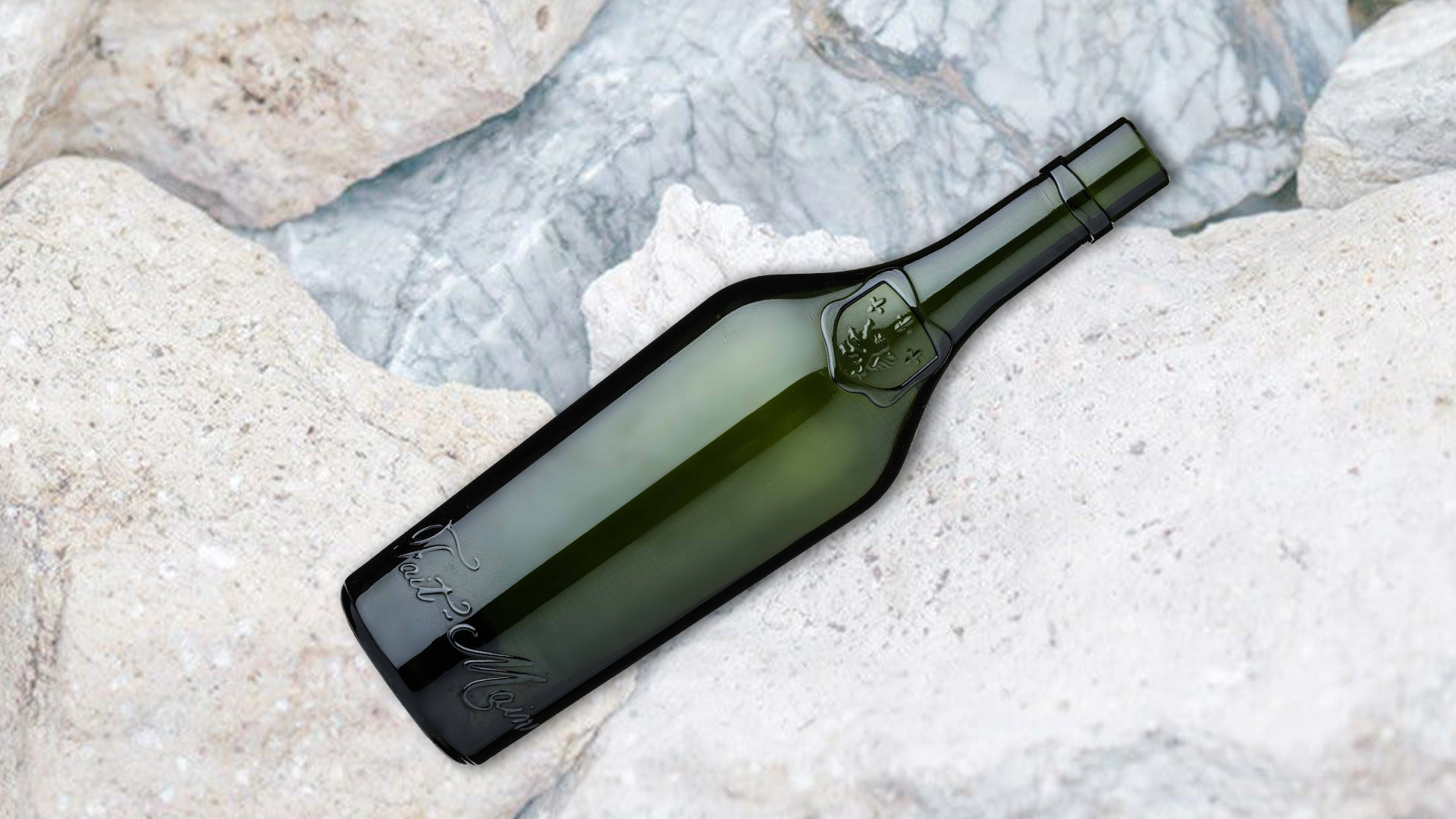
We’ve worked across custom bottle projects for wine and spirits long enough to see where they break. Most brands assume failure happens at retail. In practice, it’s set much earlier, during design, tooling, and production planning. A concept gets approved on visual appeal. It signals quality, ambition, and brand intent. Then the friction starts. Sampling reveals inconsistencies. The bottle doesn’t behave on a filling line. Freight costs climb. By the time these issues surface, timelines have shifted and margins are under pressure. Custom glass is not a surface-level design exercise. It is an engineered outcome. The brands that succeed treat it that way from the beginning, aligning design ambition with production reality. At Global Package, we support that process end to end. From initial sketch through to final delivery, we work across quoting, design, mould development, manufacturing, quality control, decoration, and supply. That continuity is what prevents early-stage decisions from
00

AWT Labels & Packaging is expanding its RFID capabilities to better serve customers across the healthcare, engineered, and consumer markets. By broadening our RFID expertise for both existing and prospective customers, we transform traditional labels into smart data carriers—enhancing efficiency, visibility, and confidence across the entire supply chain, from clinical labeling to consumer applications. Radio Frequency Identification (RFID) technology elevates labeling solutions by adding real-time visibility and intelligence to products. By embedding RFID into labels and component parts, customers can automatically track items throughout production, distribution, and end use. Eliminating manual scanning reduces errors, improves accuracy, and saves time. The result is stronger inventory control, improved traceability and compliance, faster workflows, and more reliable data to support informed decision-making. In 2024, AWT Labels & Packaging acquired American Label Technol
00

2025 Dry Creek Valley — Cabernet Sauvignon This excellent bulk wine listing features over 8,600 gal. of 2025 Dry Creek Valley Cabernet Sauvignon from Lytton Manor Vineyard, a site known for its certified organic farming and deep-rooted commitment to sustainable viticulture. Grown in one of Sonoma County’s most sought-after Cabernet regions, this offering reflects the balance, structure, and varietal purity that Dry Creek Valley is known for — delivering fruit well-suited for premium standalone bottlings or strategic blending programs. Backed by a long-standing reputation for quality and consistency, Lytton Manor Vineyard provides both pedigree and transparency, with direct access to availability details and grower insights through the listing. Whether you’re sourcing fruit for your core program or exploring new vineyard partnerships for the future, this is an opportunity to secure Cabernet Sauvignon from a trusted and proven source: View Listing Good Wine
00
March 16, 2026

The supply chain behind a bottle of wine is more intricate than most consumers realize. Between harvest and delivery, wineries juggle transportation, storage, labeling, compliance, and customer fulfillment—each step carrying its own risk to quality, timing, and brand perception. For many, these processes are spread across multiple vendors, systems, and touchpoints, making consistency hard to maintain and visibility even harder to find. Yandell Companies takes a different approach. As a fully integrated logistics provider with deep roots in the wine industry, Yandell brings transportation, warehousing, value-added services, and DTC fulfillment together in one connected system—built to match the pace and complexity of modern winemaking. From Raw Materials to Your Customer’s Doorstep Unlike most third-party logistics providers (3PLs), Yandell owns and operates the full infrastructure. That means: A dedicated fleet of dry vans, tankers, and specialty trailers for tra
00
March 9, 2026

As many wineries move into bottling season, having the right equipment available at the right time can make all the difference in keeping production on schedule. Rutherford Equipment Rental offers a range of bottling equipment available for short-term rental, giving wineries a flexible option when they need additional capacity, backup equipment, or specialized tools for a bottling run. Founded in 1991, the Napa-based company provides production equipment rentals for commercial wineries, breweries, and other beverage producers across Northern California. Their bottling equipment lineup includes key components commonly needed during packaging, such as: Bottle fillers Corkers Capsule spinners and cappers Bottle labelers Conveyors and supporting bottling line equipment Renting bottling equipment is a practical solution for wineries managing seasonal production spikes, handling a one-time project, or supplementing an existing bottling line without committing to a permanent purc
00
Traditional demand for wine has softened, buyers are pickier, and “default growth” is basically gone. Meanwhile, the consumer mindset has changed dramatically—wellness, moderation, and “I want to drink less but still drink well” is becoming the new normal. That combo is tough on the old playbook. But it’s also a huge opening for brands that are willing to pivot with intention (not panic). At BevZero, we see this moment as a reset: a chance to meet people where they are now—and build a portfolio that survives the slump and comes out stronger on the other side with non-alcoholic products. What’s Driving the Slump A few things are happening at once: Wellness is influencing purchase decisions more than ever. People aren’t necessarily “anti-wine”, they’re just more mindful about alcohol consumption. Curiosity has matured into expectation. Today’s no/low-alc shopper isn’t experimenting anymore, they ex
00
February 12, 2026
Market rich in strategic buying opportunities With 2026 already six weeks old, this month’s California Report relays the bulk wine and grape activity levels that we have seen since the turn of the year: What has been receiving buyer interest, and at what kind of pricing? As well as updating our monthly bulk inventory charts, we drill down deeper into the inventory we have listed with us, finding the availability picture a little more nuanced than might be assumed. Cashflow is now an almost universal concern throughout the industry, and late payment has become a common issue. Many growers are minimizing farming until their vines are contracted, some uprooting altogether. Buyers – outside of those fulfilling private-label programs – are wary of committing; some even have wine or grapes to sell. Adding to buyer hesitancy is the lack of evidence that case-good sales are stabilizing – this month’s report has the latest from SipSource on US wholesaler depletion
00
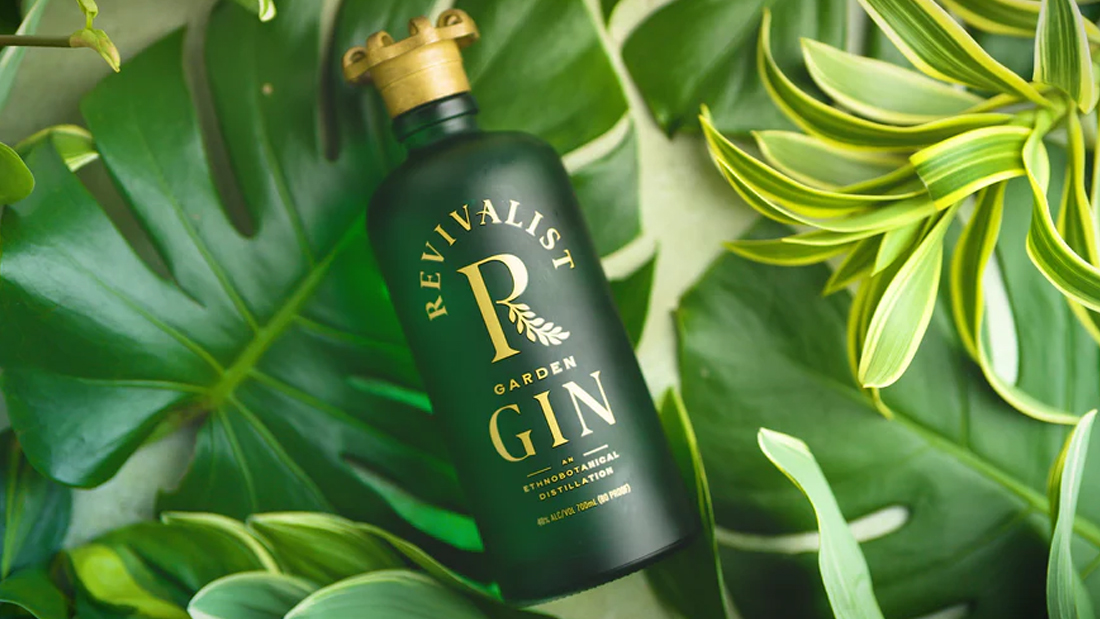
The wine and spirits industry is standing on the precipice of a major design evolution. For years, “premium” was defined by weight, excess, and tradition. For 2026, a new definition of luxury is emerging; one that values intelligence over mass, and tactile storytelling over simple visual appeal. For brand owners and procurement leaders, staying ahead of these glass packaging trends in 2026 is no longer just about aesthetics; it is a matter of strategic survival. From the rise of “quiet luxury” and right-weighted glass to the complex pressures of global supply chains, the packaging decisions made today will define brand resilience tomorrow. In this forecast, we explore how sustainable luxury, ergonomic innovation, and smart supply chain strategies are reshaping the premium landscape, and how Global Package provides the specialized glass solutions needed to help you navigate this future. The State of Glass Packaging for Wine & Spirits At Global Package, we&r
00
January 15, 2026
Demand decline improving with stabilization on the horizon Silicon Valley Bank (SVB), a division of First Citizens Bank, today released its 2026 State of the US Wine Industry Report. Widely regarded as the leading source of market trends in the premium wine sector, SVB’s 25th annual report provides an analysis of current market conditions, success strategies, and forecasts for the year ahead. The 2026 report estimates the following industry sales totals for 2025: Total volume of ~329 million cases (down from 335.9 million in 2024) Total value of ~$74.3 billion (down from $75.5 billion in 2024). The wine industry is moving through a multi-year demand correction, largely driven by value wines at the under $12 price point. Industry sales in 2025 declined 2.0% (by cases) and 1.6% (by dollars), yet both represent improvements compared to 2024. The industry ended the year with both profit margin compression and higher levels of inventory. The premium industry will likely experience its
00
2025 in review; looking ahead to 2026 This month’s California Report looks back at 2025 on the bulk wine and grape markets and ahead to what we might expect to see in 2026. Bulk inventory charts for a number of 12-month ranges – and updated for January – are included, so too SipSource US wholesaler depletions data that takes in the opening two months of the important OND sales period, and the first packaging bulletin of the year from our friends at Saxco. A Q&A with Ciatti broker Chris Welch, discussing the current wine consumption and bulk market situation, will be published in the coming days. It is fair to say 2025 – like 2023 and 2024 before it – was not an easy year for California’s wine industry, nor was it for the wine industry globally. Evolving consumer preferences as the Baby Boomer generation shrinks, persisting post-pandemic inflationary tailwinds, and economic and political uncertainty, have been eroding sales in most major wine-con
00