
Filter Post Type
NewsVideoProductEventLink
Sort:
Most Recent
1–10 of 26

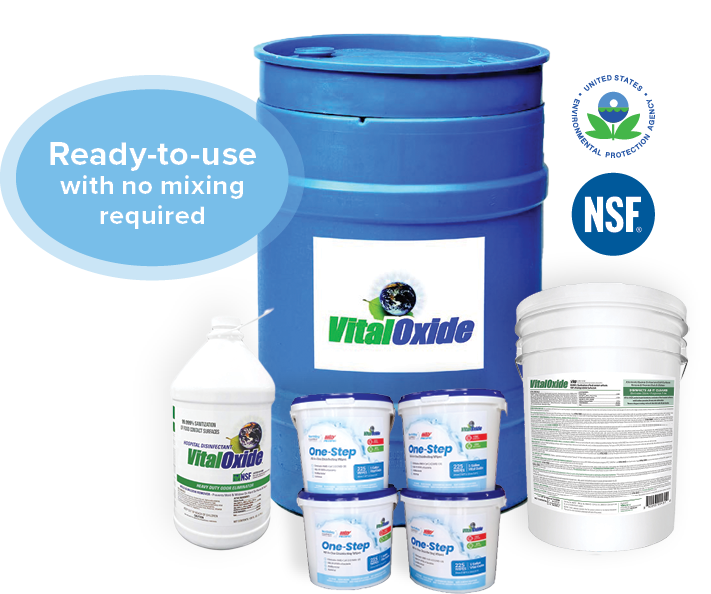
Achoo! Guess what can cost you $2,495 per employee? It’s that time of year for the Flu and many other viruses to hit your employees and knock them off line for several days or longer. Already, doctors and hospitals are reporting more flu-like illnesses. Why should you care? Because poor employee health costs U.S. employers and organizations over $575 Billion and 1.5 Billion work days of lost productivity and annually! The Flu is nothing to sneeze at! Did you know that productivity losses linked to absences cost U.S. employers $2,495 per employee per year – and smaller businesses feel the effect of absenteeism even more? On top of that, if your employees come in while sick, the loss in productivity while on the job added up to 44 days per year. All coming right off your bottom line. You CAN reduce the cost and risk... We all know how easily the Flu, Covid-19 and other viruses can spread. And with today’s employees often coming in sick to work – an
00

Major changes in 2025 include: Increasing minimum wages and exempt salaries. Wage and hour (PAGA) reform. Crime victims leave expansions. Indoor and outdoor heat illness standards. And many more! Speakers Arif Virji, Esq. Samantha Pungprakearti, Esq. Justin Hein, Esq. Sarah Hirschfeld-Sussman, Esq. Kristin Mattiske-Nicholles, Esq. CONFERENCE DETAILS Join us In-Person or Remotely by Zoom Date/Time: January 14, 2025 8:30 a.m. - Registration & Breakfast for In-Person Attendees 9:00 a.m. - Program Location: The Oxford Suites - Sonoma County 67 Golf Course Drive West Rohnert Park, CA 94928 In-Person attendees will be eligible to win a $400 gift card for dining at "the girl & the fig" restaurant in our Raffle Prize Drawing. Register Here www.comprlaw.com / Phone: 707-526-4200
00
Cal/OSHA Has Approved Its California Indoor Heat Illness Rule: Here’s What It Means for CA Employers
July 9, 2024

The California Division of Occupational Safety and Health (Cal/OSHA) approved a long-awaited indoor heat-illness standard on June 20, 2024. Before going live, the Office of Administrative Law (OAL) will have 30 days to approve or deny the standard. Cal/OSHA has requested that it go into effective immediately after OAL approval, so it could very well go live in a month. The standard, Section 3396, requires employers with indoor workspaces of 87 degrees Fahrenheit and above to reduce the room temperature and offer workers other cool-down options. For indoor workers who wear poor ventilating protective clothing or work near a heat source, employers will instead have to provide cool-down options when the inside temperature reaches 82 degrees Fahrenheit. What California Employers Will Need to Prepare While California has had an outdoor heat illness standard since 2006, indoor workers have been left unprotected. Cal/OSHA has been developing this rule since 2017 but has se
00
February 12, 2024
Employment laws in California are always changing, and it is important for employers in California to keep up with these changes to ensure their policies and practices are compliant. This blog post provides key updates to the California employment laws that all employers should know for this year. Minimum Wage Increase Beginning January 1, 2024, the state minimum wage for all employers has been increased to $16.00 per hour. This rate reflects a 3.5% increase from this year’s minimum wage based on the law’s provision that allows this increase if the national Consumer Price Index (“CPI”) is over 7%. All employers must post the current minimum wage rate in a common area where employees can easily view it. With this new rate of $16.00/hour, the minimum salary for exempt employees in 2024 has also increased to $66,560.00/year. Note that the minimum salary is tied to the state minimum wage rate, not individual municipalities. Employers should also check if there
00
On January 9, 2024, the California Department of Health (CDPH) issued an order changing COVID-19 related definitions. These revisions apply to the Cal/OSHA Non-Emergency Regulations, which are still in place until February 3, 2025 and must be followed by all employers in California. The questions and answers below reflect the updated rules and definitions that currently apply in the workplace. You can read more about the changes on Cal/OSHA’s FAQ page here, which is updated regularly. COVID-19 Updates for California Employers as of January 2024 What is the current definition of the “infectious period” for employees who test positive for COVID-19? For COVID-19 cases with symptoms, the “infectious period” is a minimum of 24 hours from the day of symptom onset. Under the current regulations, there is no infectious period for COVID-19 cases with no symptoms. If an employee tests positive, are they required to be excluded from the workplace? If an employ
00
Happy New Year! It is time to dust off the employee handbook, review your policies and procedures, and make sure they comply with all the new laws, regulations, and interpretations that have either already gone into effect or will in early 2024. Below, we have identified our “top 10(ish)” changes. Please keep in mind there were hundreds of laws, regulations, and changes implemented at the local, state, and federal levels throughout 2023. So, if you need a handbook/policy review or have any questions, please call. 1. California and Local Minimum Wage Raised – In addition to the gradual increase to minimum wage by the state, several Sonoma County cities have increased minimum wage beyond that required by the state. Below is a table that describes the state and local city requirements: Locality Effective Date All Employers California 1/1/2024 $16.00 Santa Rosa 1/1/
00

December 7, 2023

Pau Roca, OIV Director General Dies in Dijon at 65
It is with heavy hearts that we inform that OIV Director General Pau Roca passed away this December 7th in Dijon, France, after a long illness. December 7th – The […]
00

October 6, 2023

As the wine and spirits industry becomes increasingly competitive, everyone seeks an “edge,” a “hack” - anything that offers a strategic advantage. For most wine & spirits sales professionals, the solution is sitting right on their mobile phones in the form of their CRM system. This article will shine a bright light on how CRMs focused on strong sales execution and management process empower salespeople in this industry. Rough sailing: the choppy waters of intense competition aka Why CRM? Before diving into the differences of a CRM and sales execution platforms and how they help salespeople sell more, we should briefly touch on the current market conditions. It’s the perfect storm of too many brands and too few distributors contributing to the growing chaos where most brands are struggling for attention. Our mantra, is that “they, who hold the customer relationship, wins.” To change the game, change your frame You can craft
00

Cockroaches are a problem in commercial properties, especially in restaurants and food processing plants. They are attracted to these locations because of the food, moisture, and warmth that is often present. Cockroaches can contaminate food with bacteria, viruses, and other pathogens that they pick up while crawling through such unsanitary areas as sewers and garbage dumps. The disease pathogens that cockroaches can carry and spread, such as Salmonella and E. coli, can cause serious health problems in humans if ingested. In addition, cockroach droppings and exuviae – exoskeletons shed from molting – can trigger allergic reactions in people, especially those with asthma. Cockroaches reproduce rapidly. They are known to hide in small cracks and crevices, which makes them difficult to detect and eliminate. If left unchecked, they can quickly turn into a major infestation that compromises the safety and quality of the food being produced or served. It’s important for res
00

As another scorching summer is upon us, Cal/OSHA is reminding employers with outdoor workers to take precautions to protect them against the heat. California employers need to be especially mindful as Cal/OSHA has workplace safety regulations governing the prevention of heat illness. The agency actively enforces its heat illness prevention standard. Employers should also comply for the safety and well-being of their workers, as heat illness can be deadly. CAL/OSHA IS URGING EMPLOYERS TO TAKE THE FOLLOWING STEPS TO PREVENT HEAT-RELATED ILLNESS AMONG THEIR EMPLOYEES WHO WORK OUTDOORS: Plan – Develop and implement an effective written heat illness prevention plan (HIPP) that is specific and customized to your operations. The plan must include the following heat illness prevention and response procedures: Training – Train all employees and supervisors on heat illness prevention. Nobody should be working outside in heat if they have not been trained in heat illness prevention an
00