
Filter Post Type
NewsVideoProductEventLink
Sort:
Most Recent
1–10 of 50

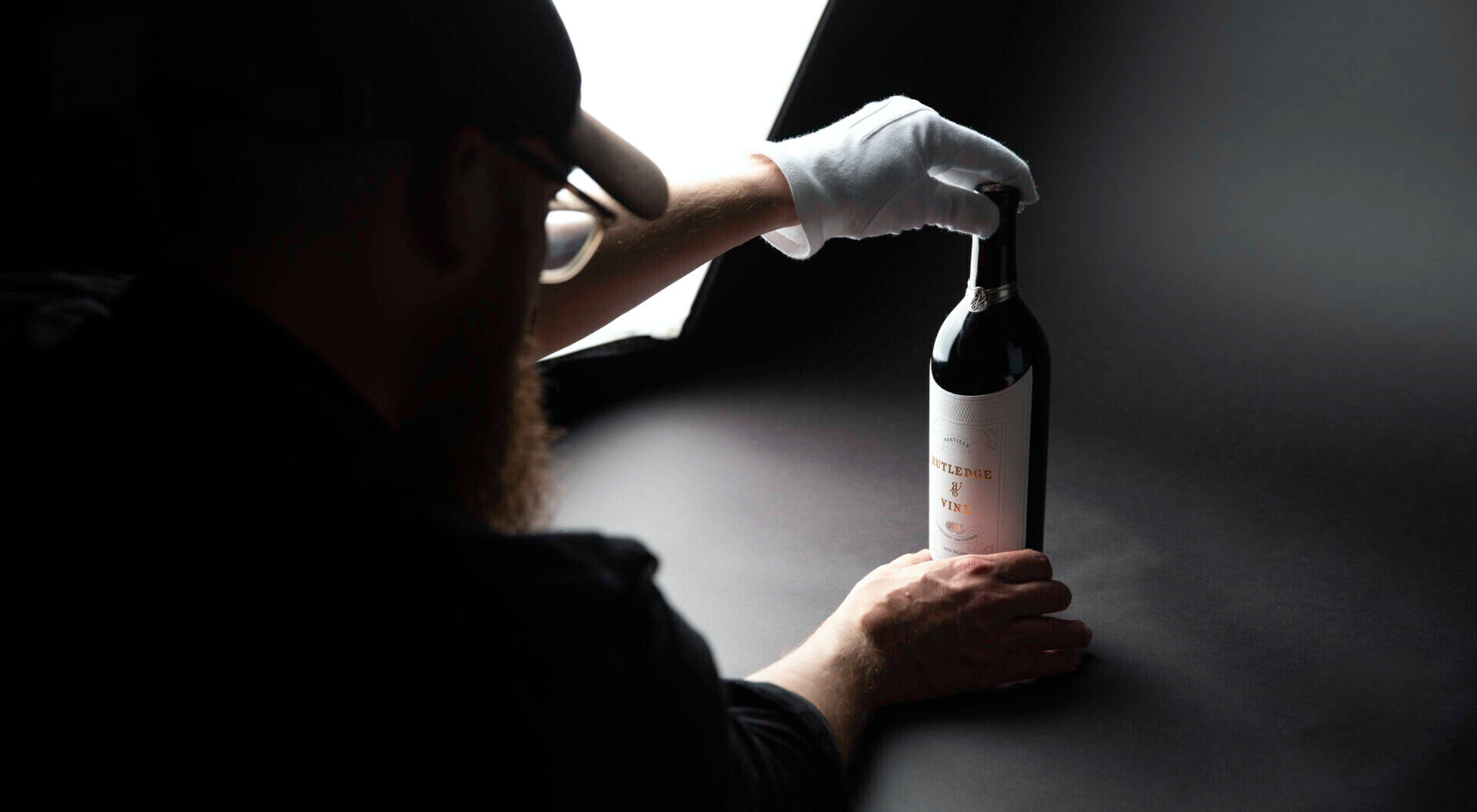
Packaging is the First Touch Point a Consumer Has With Your Brand Whether it’s an experienced consumer or someone buying their very first bottle, the appeal of your product is founded on the use of well considered glass packaging and label design. While these must be authentic to your brand and winery, it is critical to stay up to date with trends in the wine industry. If you want to effectively catch the attention of your target market, you should consider these 5 things about your wine packaging for your upcoming vintage and beyond. A wine bottle (and its packaging) is the first touch point that a consumer has with your brand. Thoughtful consideration of every aspect of your wine packaging allows you to communicate your brand identity, provenance, product information, and the rationale behind the product in a way that is meaningful to your target audience. A customer looks at a shelf, they choose a wine variety, such as a cabernet, but they are an inexperienced consume
00
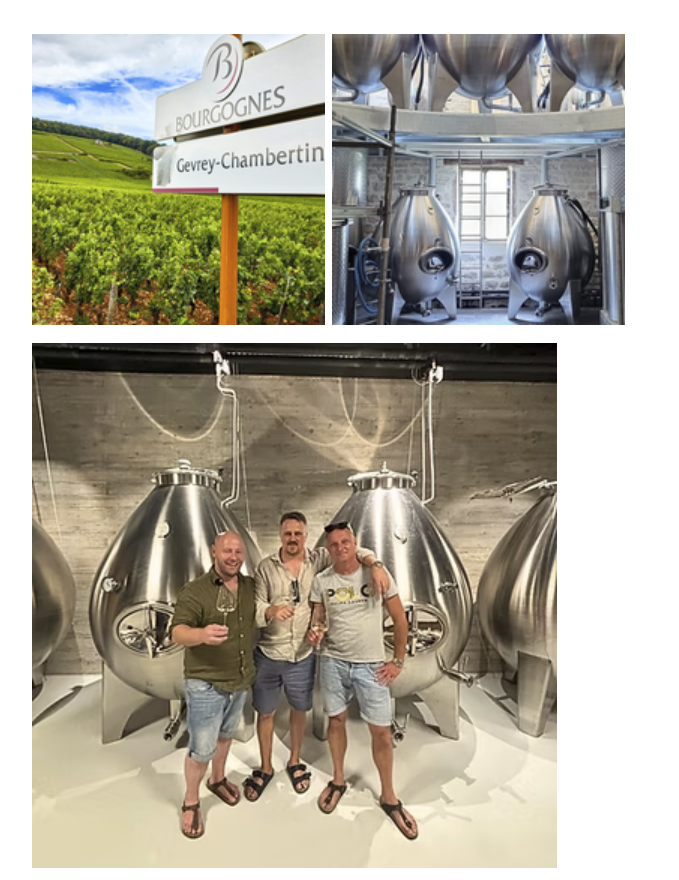
With summer around the corner and containers of all sorts of vessels including Egginox tanks fresh from Slovenia on the water, the Bouchard Cooperages team wanted to take the time to highlight the special relationship between Egginox and one of their larger Burgundy clients: Domaine Trapet. For any producers still interested in Egginox (500L - 2,500L) it is not too late to add any orders in our containers so please enquire. History Egginox was founded in early 2019 when three Slovenian friends and business partners working in the stainless steel and wine industry were tasting in a cellar. They were tasting wine from wooden and concrete eggs, and they realized nobody had created a stainless steel egg. The following year was, of course the global pandemic, but during the ensuing lockdown, the three partners started experimenting and finding winery partners. Today Egginox is currently manufactured at Slometal in Nova Gorica, Slovenia which borders Italy and the Friuli wine r
00

In recent months, the United States government’s changes to their international trade policy imposed new tariffs on imported goods. At 12:01 AM on March 4, 2025, a new 25% tariff was imposed on nearly all goods imported from Mexico and Canada. Additionally, a 20% increase was applied to the existing 25% tariff on Chinese imports, bringing the total tariff on Chinese goods to 45%. This is an evolving landscape. For both the glass industry and its customers, the introduction of these tariffs raises important questions regarding pricing, supply chains and the broader implications for global trade. While some of the ramifications seem complex, understanding how the new tariffs will operate is essential to navigating the evolving trade landscape. An Evolving Landscape: The Current Chaos of Changing Tariffs As of 12:01am, March 7, 2025, the Trump Administration delayed the 25% tariffs on some imports from Canada and Mexico. Goods that are compliant with the U.S.-Mexico-Canada Agr
00
This month’s Global Report marks the 100th issue under my editorship. I wrote the introduction to my first issue, July 2016, just days after the Brexit referendum in my native country. Four months later, Donald Trump was elected president of the US for the first time. “Trump and Brexit: we live in interesting times,” I wrote in November 2016, and of course the interesting times were just getting started. Tariff wars; a global pandemic; war in the Ukraine. Wine consumption surged in some markets during COVID-19, then fell back, in some instances to below pre-pandemic levels. The Chinese demand bubble deflated, exposing a declining sales trend in developed markets that had been ongoing since the 2007-08 global financial crisis, so that the International Organisation of Vine & Wine estimated that worldwide wine consumption in 2023 was at 1996 levels. Hectarage consequently had to contract, and has done so, most notably in France, California, Chile and Australia. The
00
Glass packaging trends in the wine industry are always changing, but remain grounded in tradition. As leaders of the US domestic market in glass packaging, and decades of experience in the industry, Global Package have been creating these trends as much as utilizing them. Global Package has strategic alliances with innovative suppliers, designers and marketing collaborators both domestically and internationally. These strategic alliances allow us to keep up to date with trends globally from various spheres including material, design, market behavior, and digital behavior. As they allow our business to evolve, we are able to develop exciting new lines to assist our clients (you) launch and market your brands to a continually developing audience as your business evolves along with it. In this article, we’ve collected and compiled a breakdown of current trends and traditional conventions to assist in your choice of glass packaging for your wine label. Global Package wil
00


Purchasing packaging equipment is a decision that will impact a winery’s operations for the next 10 to 20 years — the life expectancy of most packaging machinery. In the 1990s, empty bottles arrived at wineries in cases for manual unloading and placement on the filling line. Converting to bulk bottles and depalletizing machinery increased automation levels and reduced costs throughout the industry. Beth Zarnick‑Duffy Area Sales Manager / Clevertech North America, Inc. “A big reason wineries changed from manual to automated depalletizing of bottles was to increase production efficiency while improving worker safety and reducing labor costs,” explains Beth Zarnick-Duffy, who worked on many of these conversions. “Wineries continued to automate because finding and retaining qualified workers became even more difficult in the past few years. Companies also began factoring COVID-19’s negative impacts on the workplace into their decisions about w
00
On January 9, 2024, the California Department of Health (CDPH) issued an order changing COVID-19 related definitions. These revisions apply to the Cal/OSHA Non-Emergency Regulations, which are still in place until February 3, 2025 and must be followed by all employers in California. The questions and answers below reflect the updated rules and definitions that currently apply in the workplace. You can read more about the changes on Cal/OSHA’s FAQ page here, which is updated regularly. COVID-19 Updates for California Employers as of January 2024 What is the current definition of the “infectious period” for employees who test positive for COVID-19? For COVID-19 cases with symptoms, the “infectious period” is a minimum of 24 hours from the day of symptom onset. Under the current regulations, there is no infectious period for COVID-19 cases with no symptoms. If an employee tests positive, are they required to be excluded from the workplace? If an employ
00

Whether we want to admit it or not, how a product is packaged plays a crucial role in a consumer’s buying decision. In a 2018 survey, 72% of consumers in America said that the packaging design influences their purchase decision. Investing time and resources into your glass wine bottles to appeal to your consumer base is undeniably important. The journey of your wine bottle, from choosing the shape of the bottle, all the way to the label design, makes an impression on consumers. A beautifully designed wine bottle has great potential to support and amplify your carefully considered brand or label design. Jody Tucker of Tucker Creative, emphasizes that a deliberate process of selecting the right bottle or designing one fit for purpose, has implications for the customer’s ability to relate to and engage with the product across all touchpoints of packaging design. We have identified 7 ways to make your wine bottle appeal to your target market and stand out on the s
00
January 3, 2024

Along with New York and the U.S. Virgin Islands, California is facing a reduction in Federal Unemployment Tax Act (FUTA) credit for 2023, which means employers in California pay higher FUTA taxes retroactively in January 2024 for wages paid in 2023 due to the state’s outstanding federal loans. Many states, including California, experienced a FUTA Credit Reduction of 0.3% for 2022, and will be subject to an additional 0.3% credit reduction for 2023. What Is the Federal Unemployment Tax Act (FUTA)? The Federal Unemployment Tax Act (FUTA), passed in 1939, established a federal payroll tax to help fund and insure state unemployment benefits across the United States. This base federal payroll tax is 6% on the first $7,000 each employee makes in a year, which the employer is responsible for paying. Employers in most states are provided a Credit of 5.4% to this 6% FUTA rate. The results in a rate of 0.6%. State governments are also responsible for collecting unemployment taxes from
00


We live in an exciting time in marketing. We have an embarrassment of riches regarding targeting opportunities, channel selection, and instant data feedback. A computer chip with 2000 transistors that cost $1000 in 1970 is $0.02 to manufacture today, which makes substantial processing power available to almost every consumer. And with more users comes more data; 90% of all data has been generated within the last two years. It’s no wonder the general population is increasingly concerned about technology advancing too quickly. A byproduct of having so many channels to choose between is that consumers are overloaded with information and almost immediately move on to something else. The old-guard advertising dogma about repetition and branding has evolved. Message impermanence has been recognized and studied for a while by prominent ad agencies. Sadly, the only thing to combat our society’s constant need for new content is to consistently deliver new content. But that doesn&rs
00