
Filter Post Type
NewsVideoProductEventLink
Sort:
Most Recent
1–10 of 36

March 16, 2026
Transporting liquid products efficiently and safely is a critical part of production. From grape must to finished wine, every stage of the process requires containers that protect the product, reduce costs, and minimize environmental impact. Container Logic offers a solution that addresses all these needs: collapsible intermediate bulk containers (IBCs). What Are Collapsible IBCs? Intermediate bulk containers (IBCs) are a versatile method for transporting large quantities of liquid food-grade materials. Unlike rigid single-use containers, collapsible bins are designed to fold down when empty, making them reusable, space-efficient, and environmentally friendly. Their durable construction ensures that liquids remain protected during transport, while the foldable design simplifies storage and return logistics. Key Benefits of Collapsible Bins Reduced Packaging Waste Traditional single-use containers generate significant waste with every shipment. Collapsible bins minimize the need f
00


The crush pad is the heartbeat of any winery during harvest season. It’s where grapes are received, sorted, and prepared for fermentation—a critical workspace that can make or break the efficiency of your operations. A well-designed crush pad doesn’t just improve workflow; it protects fruit quality, reduces labor strain, and ensures safety for your staff. Understanding the Crush Pad Workflow Before designing or upgrading a crush pad, it’s essential to understand the flow of operations. Grapes typically move from vineyard bins to receiving areas, then through destemmers and presses, and finally into fermentation tanks. Every step must be seamless to avoid bottlenecks that can slow down production. When planning your crush pad layout, consider: Equipment Placement: Position destemmers, presses, and conveyors to minimize travel distance. Efficient placement reduces handling and potential grape damage. Accessibility: Forklifts, carts, and workers should have clear
00

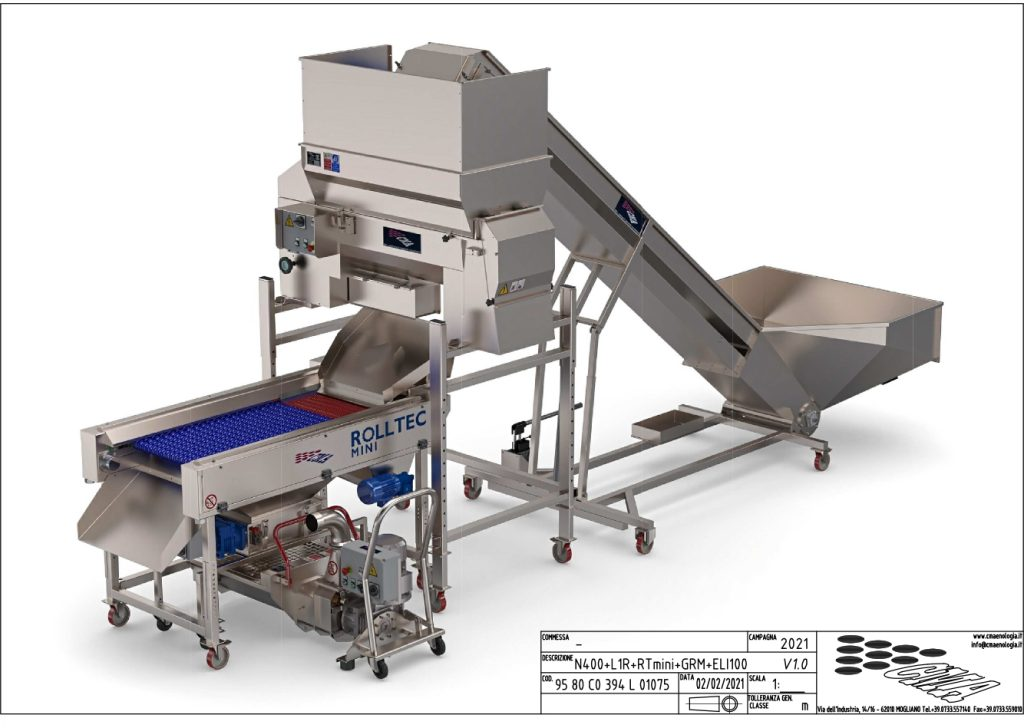
Harvest season is when everything happens at once—and the equipment you rely on needs to do more than just keep up. For small and mid-sized wineries producing between 2,000 and 20,000 cases annually, efficiency and flexibility are essential. Whether you’re dealing with hand- picked grapes, machine harvested fruit, varying varietals, or tight crush pad space, your destemmer-crusher needs to deliver quality results without slowing you down or locking you into a rigid setup. That’s where the right equipment makes all the difference. You need something that’s not just capable—but configurable. Not just powerful—but versatile. A Crush Pad Essential: Meet the Lugana 1R At Prospero Equipment Corp., we’ve been supporting wineries for over 50 years, and we know how important the right tools are for maintaining wine quality from grape to glass. We also know how important productivity and efficiency is in the crunch-time of harvest season; that’s wh
00


System Account
System Account
0x010100043A3A8B2F2ED841920AEAB92B93F32F
Non-Saccharomyces Yeast Bioprotection and more Once overlooked, non-Saccharomyces yeasts have emerged as versatile tools that can significantly enhance wine aroma, acidity, mouthfeel, and overall quality. Discover how these unique yeasts are as varied in their applications and strain differences as their Saccharomyces cousins. READ MORE LEVEL2 SALVA™ BIOPROTECTION SALVA offers specific bioprotection against Brettanomyces, including SOâ‚‚ resistant strains. Learn More LEVEL2 FLAVIA™ ENHANCE AROMA AND TEXTURE FLAVIA increases expression of terpenes and thiols (varietal aromas), increases roundness due to mannoprotein release. Learn More LEVEL2 INITIA™ BIOPROTECTION INITIA consumes oxygen, suppressing the growth of microorganism and
00

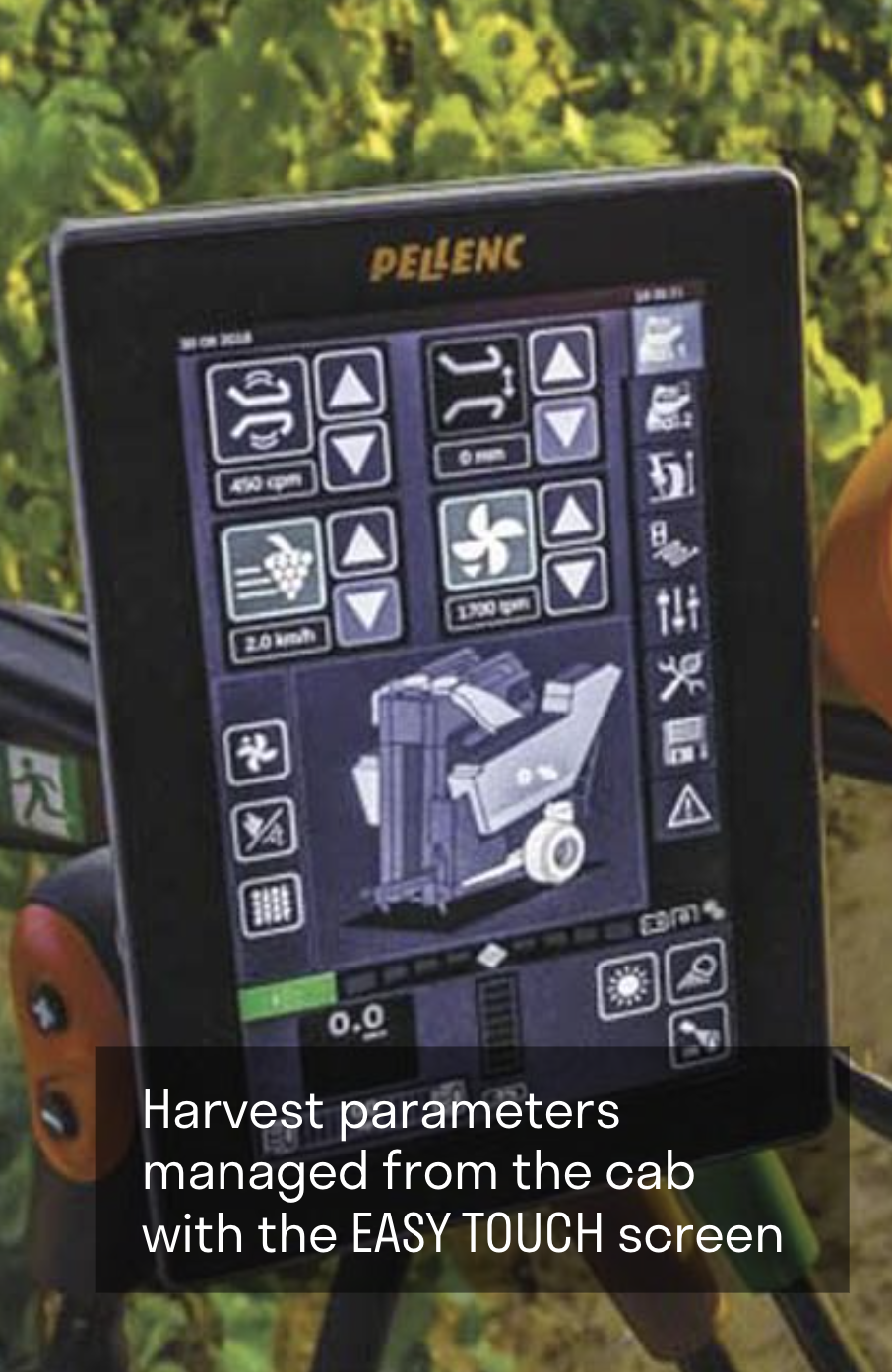
The Grapes’Line Tow Behind Harvester by PELLENC The Grapes’Line tow behind harvester includes all the latest PELLENC innovations. It has a harvesting capacity of 3,600 litres (950gal) – the same as that of a self-propelled harvester – while remaining less costly. Highly efficient, it also provides wine-growing professionals with an unrivalled work quality thanks to its easy handling and user-friendly nature. Efficient Harvesting capacity identical to a self-propelled harvester 50% cheaper than a self-propelled machine ECO POWER fuel management: optimised power take-off according to the machine’s hydraulic requirements Total collector-bin capacity of up to 3,600 litres (950gal) Ergonomic 7-inch touchscreen Safe washing platform Remote washing commands Centralized greasing Easy to Handle Auto-guidance in the row Semi-automatic tilt correction Optimized turnaround in headlands with the wide-angle drawbar AUTO TO
00

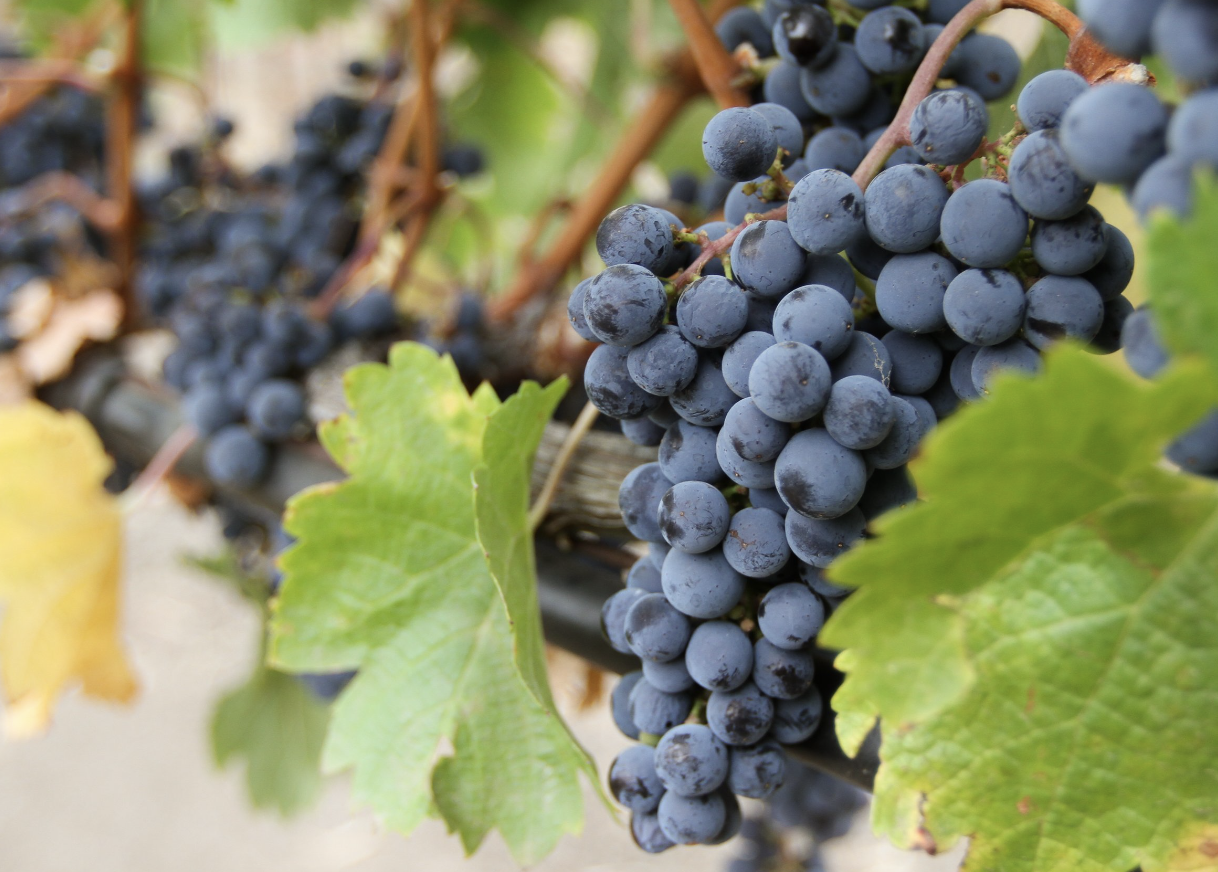
A measurement of phenolic content of grapes describes grape potential. It characterizes grape maturation, block to block variation, and variation between vintages. It is an important part of describing raw material coming into a winery and is often the first indication that a wine lot may have poor color, high or low tannin or unripe seeds. Grape Water Content Clients have best results sampling directly from the vineyard rather than from picking bins. Sampling mechanically harvested fruit from gondolas or sampling direct from a fermenter does not give reliable results. The panel consists of a wine-like extract of the grapes followed by HPLC analysis. The panel is designed for red grapes and the extraction process is intended to mimic red wine fermentation. Reported compounds include total, monomeric and polymeric anthocyanins, tannin, catechin and quercetin glycosides. Two ratios are also reported: the catechin/tannin ratio and polymeric anthocyanins/tannin ratio. Gr
10

September 9, 2024
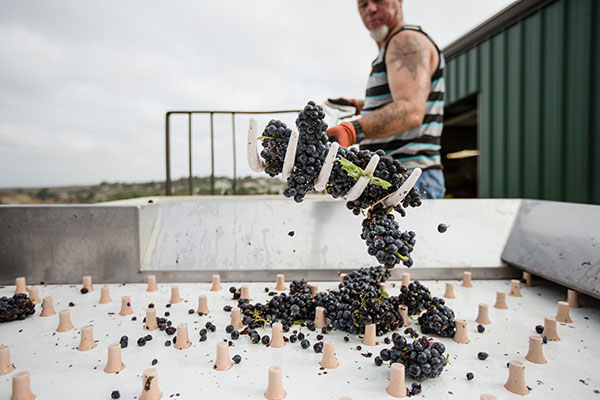
The 2024 wine grape harvest began on time in August, with Napa and Dry Creek Valleys starting in the first week and Livermore's white grape harvest beginning mid-month, two weeks earlier than last year. Other regions have also reported their season starts as the weather shifts from cool to hot, putting vineyard managers in a race against the clock to avoid sunburn damage. “With the California harvest well into picking what seems to be a beautiful harvest year, wineries are deeply into harvest preparation,” notes Eglantine Chauffour, the Director of Enology at Bucher Vaslin North America (B.V.N.A.). “By now, I’ve usually started hearing about specific challenges from our winemaker customers, but there have not been many this year beyond a few cases of sunburn. The harvest looks great, and when the vintage is perfect, as it's looking so far, we recommend a few things to optimize it.” A good time to think about replacing sulfur A successful vintage i
00

“Winemakers . . . are often pressured to do things like reduce staff costs, or costs generally . . . Wine is a social beverage – its production should be social too.” – Oliver Styles, winemaker at Winemaker Halcyon Wines- Hawke’s Bay NZ “There is also the battle to reduce costs yet increase quality. We need to be profitable to be successful but defend what we need to successfully create wines of quality and distinction.” – Mark Beaman, Winemaker, Kenwood Vineyards “Sustainability is becoming key. Organics. biodynamics, natural winemaking, to paperless systems. Everything we can do to reduce waste and give back and nurture the land and sky the better.” – Paul Dawick, Head Winemaker at Mills Reef, “. . . we need to see a new wave of winemakers who are focused on innovation, sustainability, and inclusion.” – Lauren Barrett, Principal Consultant, By and By Solutions LLC “. . . many grape growers are d
00

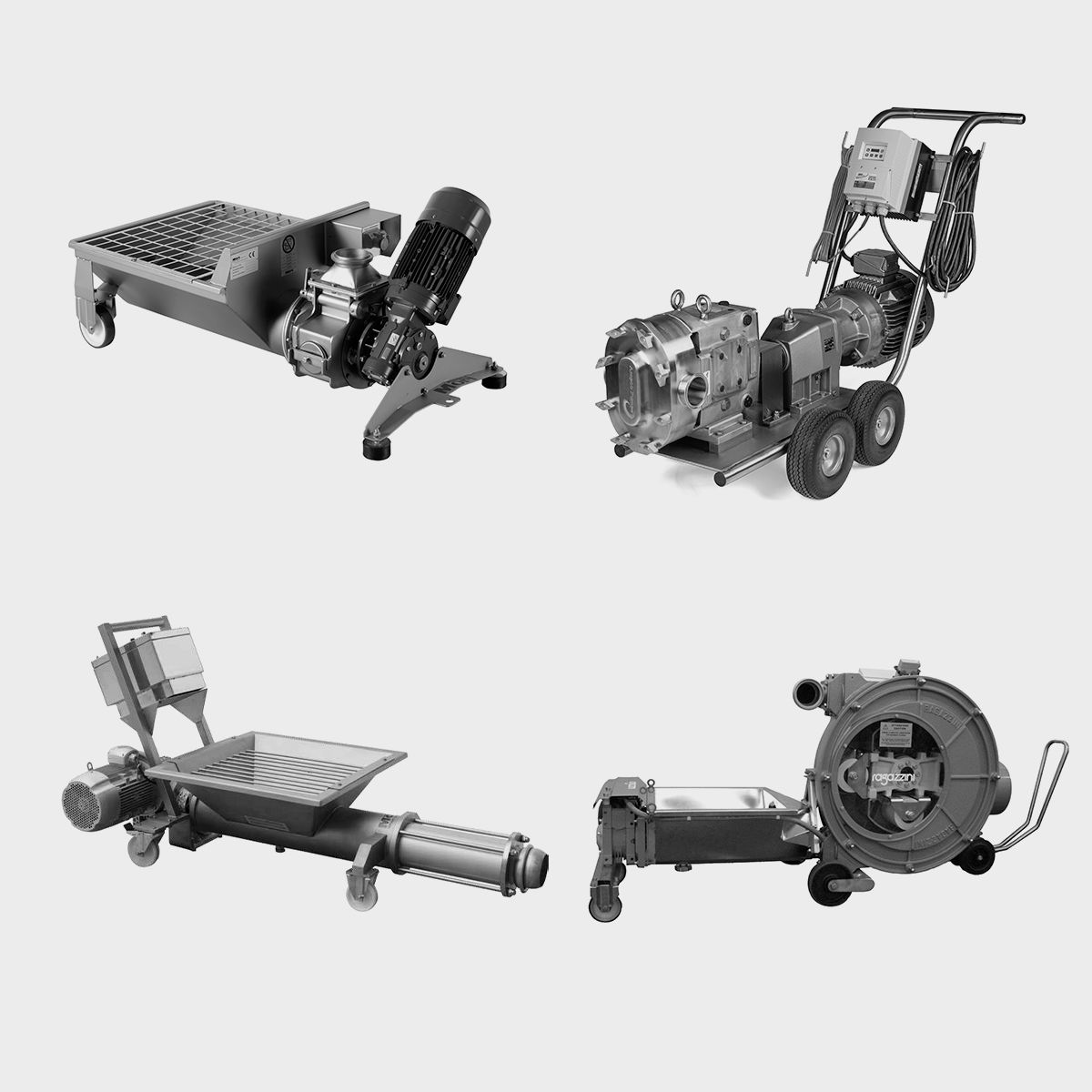
A must pump is, well, a must for wineries hoping to move any kind of volume of grapes. If you're moving grapes with bins alone (or, heaven forbid, buckets & shovels) you might not realize just how much simpler a good must pump can make things. Let's take a look at what's out there and what we recommend. Although this article is focused on must pumps, what we say here can apply to nearly any semi-solid like beer/whiskey mash, etc. Care & Feeding of Must Pumps First things first: I often hear people looking for a must pump that is powerful enough to suck must directly out of a bin of grapes with a hose. Sadly, they are hunting for a unicorn. While we offer pumps that can pull a nearly perfect vacuum, you will be disappointed if you just stick a hose into a bin hoping to Hoover up all the grape must. It's more likely that the pump will suck up all the liquid and leave the solids behind. Must pumps need to be "fed" solids in order to work properly. You typ
00

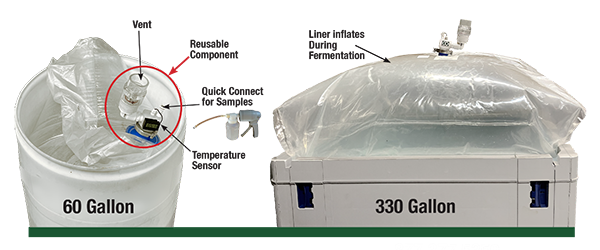
The makers of SmartBarrel Wine Storage system are proud to announce the introduction of GOlite, a new fermentation head that enables primary fermentation in SmartBarrel liners. It is suitable for use with grape juice (but not grape must), cider, mead and other liquid substrates. “We chose the GOfermenter system to minimize water use in our extreme desert location, but the benefits go far beyond water conservation,” avers Ann Torrence of Etta Place Cider in Torrey, Utah, “We are known for clean flavors because our fermentations are so hygienic in the bags, and we love the ease of clean-up when we are racking ciders.” The new add-on tool includes a temperature probe and a sampling port with a weighted ball for dipping into the fermenting liquid. A large relief valve permits the safe venting of gas from the primary fermentation. Its sealed liner condenses volatile aromatics back into the wine, enhancing the flavor profile of the final product. This new head also el
00