
Filter Post Type
NewsVideoProductEventLink
Sort:
Most Recent
1–10 of 13
March 10, 2026
SIP Certified is stepping into 2026 with a refreshed brand and redesigned website aimed at making sustainably produced wines easier for consumers to recognize and find. The updated visual identity and digital experience strengthen the connection between certified winegrowers and today’s sustainability-minded wine buyers—while maintaining the independent, science-based standards that have defined the program for decades. Research shows that 64% of consumers rank environmental sustainability as a top buying factor. As interest in responsible farming and “better-for-you” products continues to grow, wine buyers are paying closer attention to how their wine is produced. “Buyers are looking more closely at how their wine is grown and produced,” said Beth Vukmanic, Executive Director of Vineyard Team, the parent organization of SIP Certified. “SIP Certified has always represented accountability and science-backed standards. This update ensures that c
00
February 10, 2026

After 30 years of moving up and to the right, the American wine industry hit a wall. Not a temporary slowdown or a soft patch. A structural shift that requires a fundamentally different marketing playbook. 2025 was the reality check. 2026 is the year wineries either adapt or watch their customer base age out beneath them. The data is now unambiguous: wine sales dropped approximately 6% in 2024, marking the steepest decline in decades according to SipSource industry data. More troubling than the headline number is what's driving it. This isn't a recession blip or a bad vintage. It's a fundamental realignment of who drinks wine, how they buy it, and what they expect from the brands they choose. Here are the five trends reshaping the US wine market and what they mean for your brand's survival. The Demographic Disruption The wine industry built its growth on one generation: Baby Boomers. That generation is now aging out. The Wine Market Council's 2025 U.S. Consumer Ben
00
December 9, 2025
New release highlights the company’s environmental milestone reinforcing its commitment to replacing its main energy source with a hybrid solution December 9, 2025 (Fairfield, CA) – Leading premium glass bottle maker Saverglass, part of the Orora Group, proudly announces the successful transition of its North American manufacturing site’s shift to a very low carbon electricity source. With this change, Saverglass continues to advance its externally validated SBTi greenhouse gas reduction roadmap and take a step closer to its global target of achieving Net Zero greenhouse gas emissions by 2050. Matt Wilson, Senior Vice President Americas at Saverglass comments, “We have achieved a milestone in Saverglass’ CSR efforts to reduce our environmental footprint. Our Acatlan, Mexico facility has transitioned from carbon-based electricity to very low carbon electricity. The change has enabled us to reduce our site’s CO2 emissions by 30%&rdquo
00
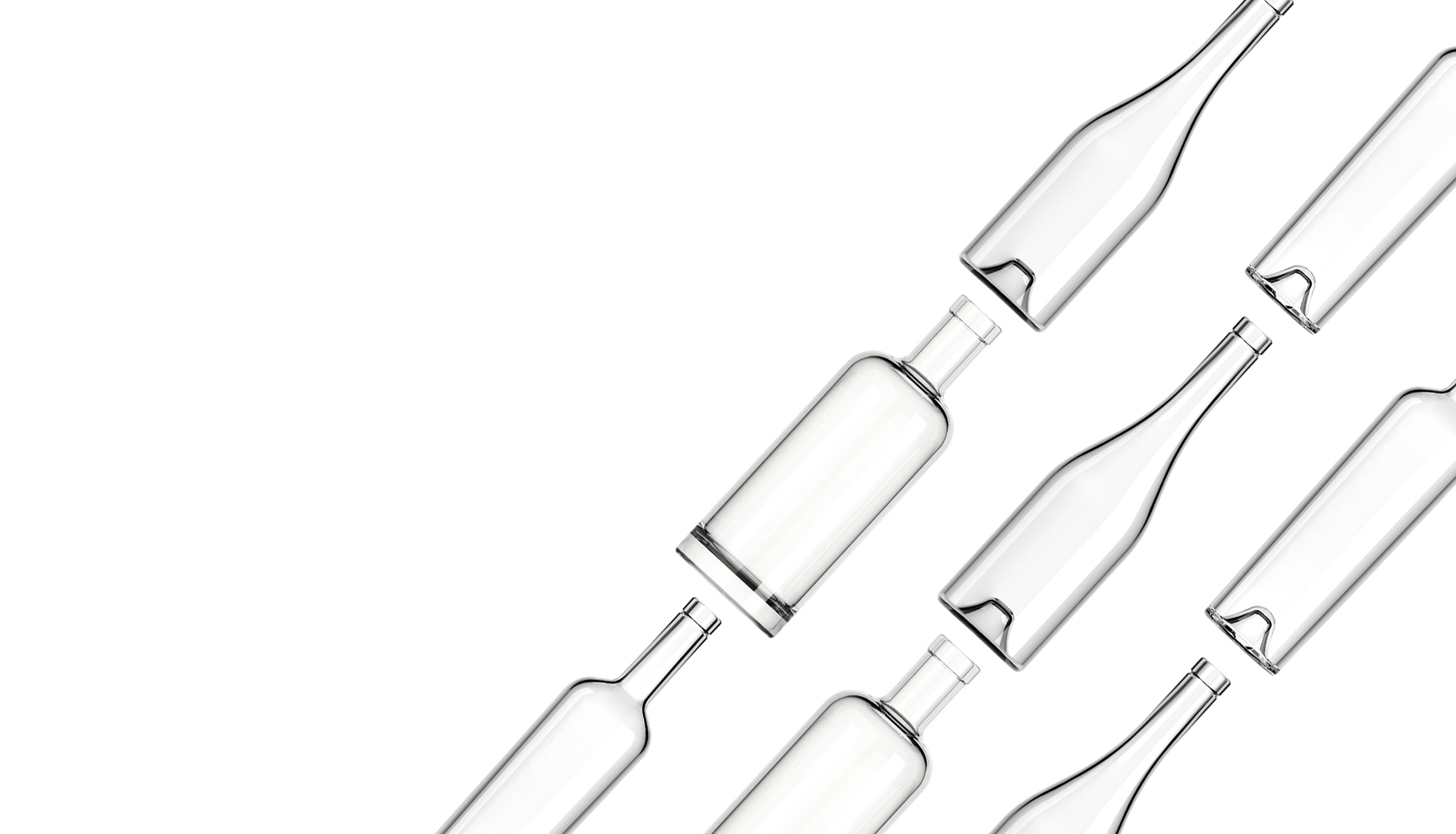
Why is wine packaging important? There are many different practical functions of wine packaging. First and foremost, it protects the wine and acts as a vessel to transport your wine from the winery to the customer. You want to ensure that your wine is of good quality and that the packaging facilitates optimal storage. Wine packaging also acts as a quality cue for consumers. You want the consumer’s eye and hand to be drawn to the bottle on the shelf, choosing your bottle over your competitors. “Shelf appeal” is one of the most important considerations when choosing packaging for your next project. 5 Ways to Improve Your Wine Packaging 1. Different sized wine bottles You are most likely familiar with the standard 750mL wine bottle. They are excellent for dinner parties and social gatherings where they can be shared and enjoyed with your friends and family. However, our society is drinking less – 18% less than in 2004. With many people choosing to drink less, there
00
August 19, 2025
For Immediate Release Release highlights the company's expertise in sustainably designed and produced glass bottles reinforcing its commitment to offering uniquely shaped packaging Leading premium glass bottle maker Saverglass, part of the Orora Group, proudly announces the addition of the GOLDEN RESERVE glass bottle collection to its local spirits portfolio. Available for all colored spirits and ready to drink offerings, these new and available shapes are designed to cause pause. Earlier this year Saverglass introduced the MALTY bottle, the first in the collection. With its short bulbous neck shape and multi-color offering of pristine White-Flint, warm Amber and a rich Dark Amber, it also lends itself perfectly for cream liquors and premium ready to drink cocktail offerings. New and available in the collection are the BARLEY bottle and the CASK bottle. The BARLEY glass bottle, inspired by the barley grain, features a non-traditional silhouette with a carefully
00

You can glean a lot of information about a wine from the label. The next time you walk down a wine aisle, you may notice that you feel comfortable with the common terms and symbols like vintage, place of origin, and percent alcohol, but feel some confusion when you see some of the increasingly present ones like natural, vegan, and organic. In this week’s Marketing Tip, we’re giving you a green wine glossary: 5 common wine designations defined so you’ll wonder no longer. Your Green Wine Glossary Vegan Not every wine fits a vegan lifestyle. During the winemaking process, small particles can cause haziness or unwanted flavor properties. Winemakers can add a fining agent that will bind to these tiny particles and make them large enough to be filtered out. Many fining agents are animal-based – for example: egg whites, casein, and gelatin. Wine that was fined with any of these materials cannot be considered vegan. Vegan wines include those that
00
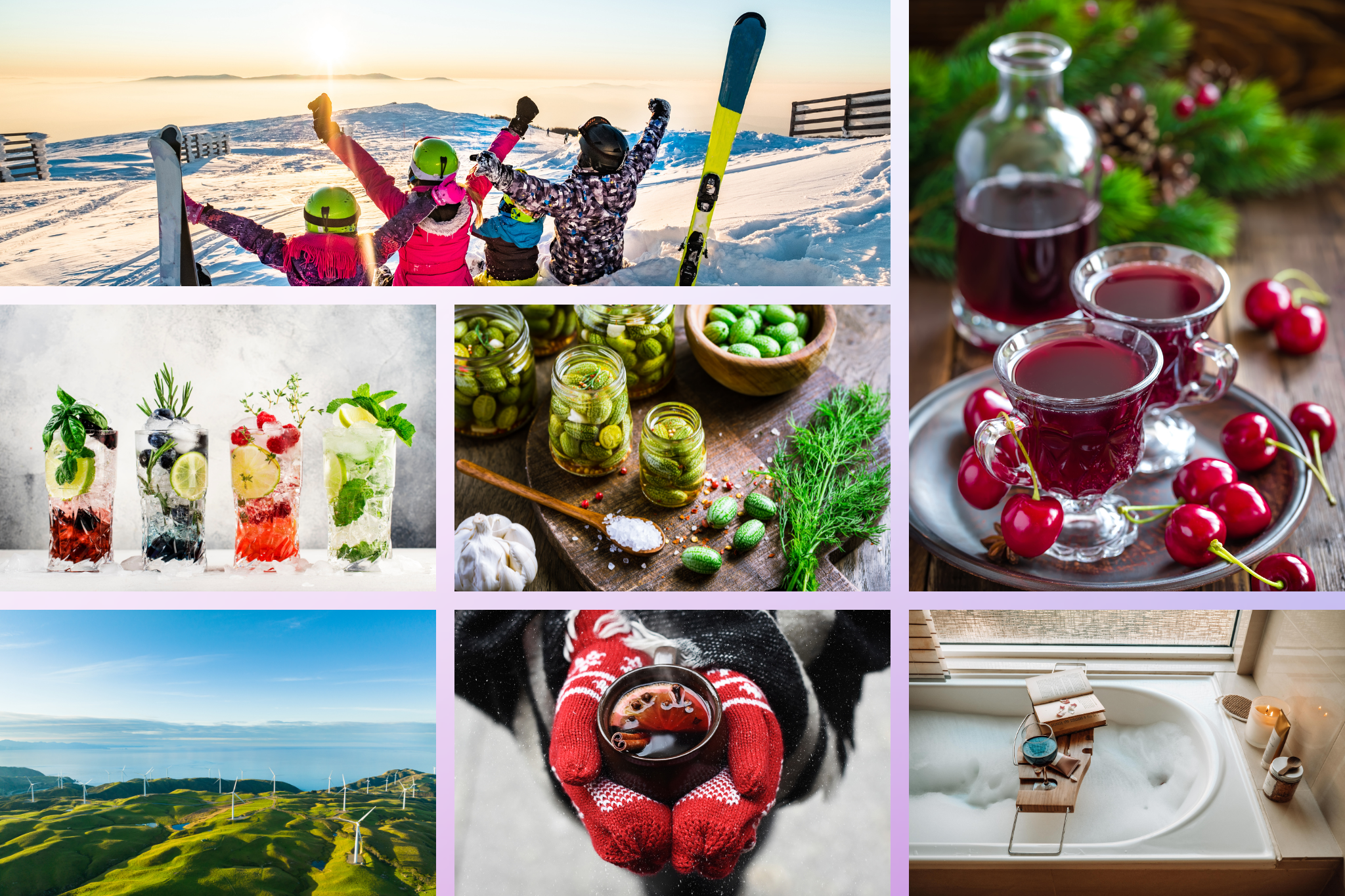
Every year, Pinterest Predicts drops its trend report, and this year’s insights are bigger than just what’s trending on the platform—they reflect broader cultural shifts that wineries can tap into across their marketing, experiences, and product development. With Pinterest’s track record of predicting trends with 80% accuracy, these insights are worth paying attention to, not just on Pinterest but across platforms like Instagram and TikTok, and even in your tasting room. Here’s how wineries can creatively use these 2025 trends to attract attention, engage audiences, and stay ahead of the curve. Why Pinterest Trends Matter for Wineries Trends aren’t just fleeting moments—they shape what your customers are looking for and how they connect with your brand. Pinterest isn’t just a visual discovery platform; it’s where people go to dream, plan, and shop. With over 500 million monthly users, it’s a massive pool of inspiration.
00
January 14, 2025
Planning a year’s worth of winery marketing campaigns might seem overwhelming, but it doesn’t have to be! This guide offers 60 winery marketing campaigns—a mix of traditional ideas, trending concepts, and fresh ways to tie into wine holidays and cultural moments. Whether you tackle five campaigns or all 60, you’ll find plenty of ways to connect with your audience, build loyalty, and sell more wine. January – Fresh Starts and Cozy Comfort Start the year by replenishing wine racks, embracing wellness trends, and celebrating comfort. Restock the Wine Rack: Give customers a reason to restock their post-holiday shelves with irresistible case discounts. January Blues Buster: Warm up dreary winter days with a winery marketing campaign focused on bold reds and bubbly wines paired with hearty recipes. Dry January Wellness Kits: Stay on-trend with non-alcoholic bundles featuring sparkling water, herbal teas, and a voucher for tastings next month. Super Bowl Prep: Fo
00
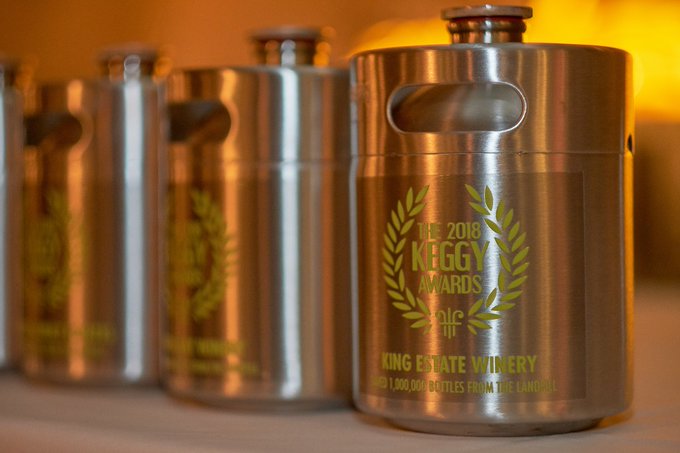
The last day to vote will be June 24th. The account with the most votes will win this year's award! Click here to vote now, and share with friends and family to vote too.
00
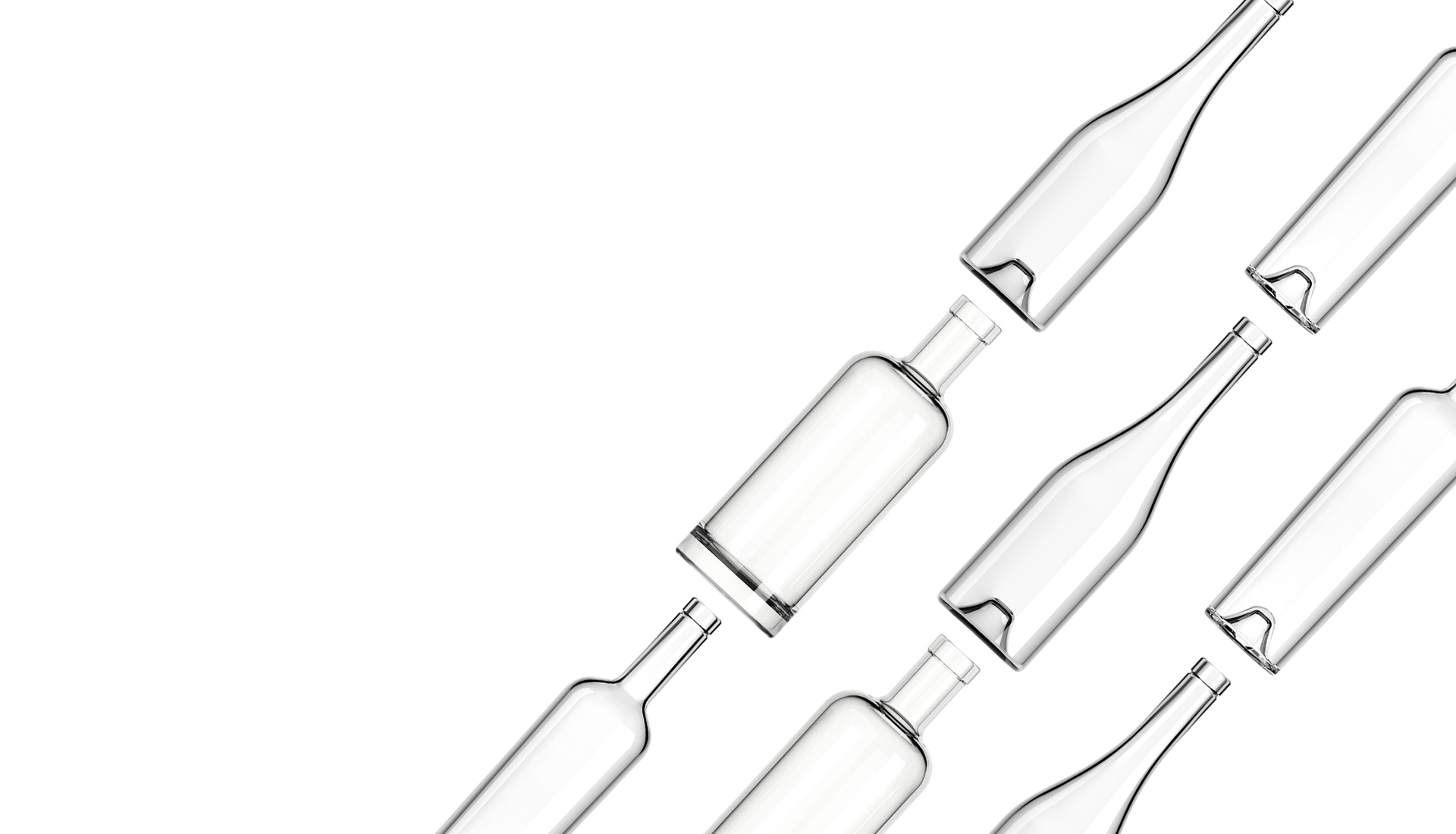
Why is wine packaging important? There are many different practical functions of wine packaging. First and foremost, it protects the wine and acts as a vessel to transport your wine from the winery to the customer. You want to ensure that your wine is of good quality and that the packaging facilitates optimal storage. Wine packaging also acts as a quality cue for consumers. You want the consumer’s eye and hand to be drawn to the bottle on the shelf, choosing your bottle over your competitors. “Shelf appeal” is one of the most important considerations when choosing packaging for your next project. 5 Ways to Improve Your Wine Packaging 1. Different sized wine bottles You are most likely familiar with the standard 750mL wine bottle. They are excellent for dinner parties and social gatherings where they can be shared and enjoyed with your friends and family. However, our society is drinking less – 18% less than in 2004. With many people choosing to drink less, the
00