
Filter Post Type
NewsVideoProductEventLink
Sort:
Most Recent
1–10 of 72

January 21, 2026

Strategic consolidation in Sonoma County positions the company for continued innovation and growth Rack & Riddle, the leading custom sparkling wine producer in the United States, has announced a strategic facility realignment to strengthen long-term growth, increase efficiency, and accelerate innovation. The plans include developing a new Sparkling Innovation Park (SIP) embedded within its Healdsburg site, consolidating key operations into a single, world-class location. The Lodi facility, which was added as part of the acquisition of Weibel Family Winery in 2023, will be permanently relocated to Healdsburg. The Rack & Riddle Geyserville and Alexander Valley operations will not be impacted by this consolidation. Sparkling wine continues to be the third largest wine type in the U.S., behind only Cabernet Sauvignon and Chardonnay, and sparkling wine is outperforming still wines in scanner data. Rack & Riddle has steadily innovated and grown along with market shifts and demand
00


The Actionable Version (Yes, Another One — But Hear Us Out) It wouldn’t be the end of the year in beverage alcohol without a million prediction articles telling you what might happen next. You’ve probably already read a few that say consumers will drink less, premiumize more, and still somehow want everything new, nostalgic, global, and convenient at the same time. All of that may be true — but this isn’t another “interesting but abstract” trends piece. This one is about what’s actionable right now for: Makers who need flexible, reliable distribution, and Buyers who want to keep their sets fresh, differentiated, and relevant in 2026 Here’s what we see coming — and how to actually do something about it. 1. Volume Isn’t Growing — but Opportunity Is Getting More Targeted Overall volume across many beverage alcohol categories remains flat or slightly down. At the same time, Buyers are still actively looking for n
00


WHY DEMOGRAPHICS STILL MATTER IN WINE At first glance, it may seem logical to take a broad approach to wine marketing—after all, shouldn’t the goal be to sell wine to anyone who’s willing to buy it? Not exactly. In practice, marketing to “everyone” is a fast track to appealing to no one. You water down your message, misfire your tactics, and wind up wasting both budget and energy trying to reach people who were never going to buy from you in the first place. Smart marketing is selective, not scattershot. And that’s where demographics come in. At their core, demographics are just the quantifiable details about your customers—things like age, gender, income, education, and marital status. But in the hands of a capable marketer, demographics become strategic tools. They help decode how different consumers make decisions, what cultural cues they respond to, and how best to approach them with offers they’ll actually care about. Wine, with all
00


Why is wine packaging important? There are many different practical functions of wine packaging. First and foremost, it protects the wine and acts as a vessel to transport your wine from the winery to the customer. You want to ensure that your wine is of good quality and that the packaging facilitates optimal storage. Wine packaging also acts as a quality cue for consumers. You want the consumer’s eye and hand to be drawn to the bottle on the shelf, choosing your bottle over your competitors. “Shelf appeal” is one of the most important considerations when choosing packaging for your next project. 5 Ways to Improve Your Wine Packaging 1. Different sized wine bottles You are most likely familiar with the standard 750mL wine bottle. They are excellent for dinner parties and social gatherings where they can be shared and enjoyed with your friends and family. However, our society is drinking less – 18% less than in 2004. With many people choosing to drink less, there
00
October 21, 2025

A WINERY GUIDE TO AVAILABLE RESEARCH You know what’s better than spending ten grand on a focus group where Jan from accounting tells you your wine label “feels aggressive”? Doing your homework first. And no, we don’t mean journaling your feelings over a glass of Pinot. We mean secondary research—the overlooked, underloved MVP of marketing insight. While everyone else is out there reinventing the wheel with a clipboard and a budget they don’t actually have, smart marketers are quietly unlocking industry goldmines using data that’s already been collected. It’s like discovering your neighbor’s Wi-Fi is open and they happen to stream all the same shows you like—only more legal. Let’s break down this not-so-secret weapon. THE BOUGIE STUFF: COMMERCIAL SUBSCRIPTION DATA If you’ve got champagne dreams and a caviar budget, welcome to the gated community of NielsenIQ, IRI, Forrester, and Gartner. These firms offer beautif
00

October 9, 2025
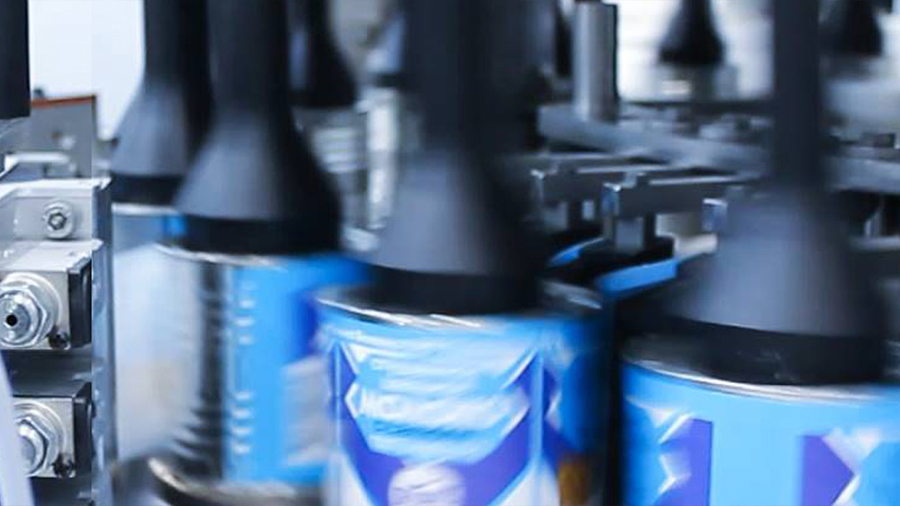
For small and growing beverage brands, the path from hand-applied labels to a streamlined automated labeling line is a natural part of scaling up. Whether you produce wine, craft beer, spirits, or are part of the surging categories like canned cold brew, kombucha, infused seltzers, or functional beverages, the shift to automation can be a turning point in both brand presentation and operational efficiency. But how do you know when it’s time to make that leap? Recognizing the Signs That You’ve Outgrown Manual Labeling Early on, hand-labeling or using semi-manual applicators might be sufficient. Or perhaps you’re purchasing preprinted or wrapped cans for just one or two SKUs. Small batches and local distribution don’t always demand high-speed or consistency. However, as demand grows, manual labeling or purchasing pre-printed packaging can quickly become a bottleneck or weakness. Signs it may be time to upgrade include: Increasing Order Volumes: When your team spen
00


We love the Midwest winemaking community! This past summer Laffort® USA have been lucky enough to visit and share information about our innovations with talented winemakers from Wisconsin to Illinois to Indiana to Michigan. We've tasted fantastic expressions of everything from Seyval Blanc to Cabernet Franc. And did we mention the ciders, fruit wines, and canned cocktails? The beverage scene in the Midwest is such a dream. Here's wishing all our winemaking friends in the Midwest a fantastic harvest! We’re proud to support your work to produce the best wines possible. Here’s to continued innovation, collaboration, and raising a glass together in the heart of the Midwest! Special shout outs to Wollersheim Winery and Distillery, Butler Winery and Vineyards, and Lake Michigan College's Wine & Viticulture Program! Thank you all so much for hosting us!
00

Navigating a path forward amid the headwinds Welcome to the Ciatti Global Market Report on Substack – a new home, but with the same incisive and actionable market intelligence as before. The latest pricing tables, collectively now called the Global Pricing Grid, will be published separately in a few days. The bulk market was quiet globally through July into early August, as is typical when the Northern Hemisphere is on its summer holidays and/or preparing for harvest. However, the quietness exceeded normal levels in some countries, and speaks to a feeling – borne out by some export statistics – that 2025 has seen an intensification of the sluggishness that has characterised the bulk market since the end of the pandemic’s retail demand spike. The same period last year was also slow, but August 2024’s Global Market Report was able to state: “Shorter crops and the return of China as a buyer in Australia have helped make the landscape app
00

System Account
System Account
0x010100043A3A8B2F2ED841920AEAB92B93F32F
Non-Saccharomyces Yeast Bioprotection and more Once overlooked, non-Saccharomyces yeasts have emerged as versatile tools that can significantly enhance wine aroma, acidity, mouthfeel, and overall quality. Discover how these unique yeasts are as varied in their applications and strain differences as their Saccharomyces cousins. READ MORE LEVEL2 SALVA™ BIOPROTECTION SALVA offers specific bioprotection against Brettanomyces, including SOâ‚‚ resistant strains. Learn More LEVEL2 FLAVIA™ ENHANCE AROMA AND TEXTURE FLAVIA increases expression of terpenes and thiols (varietal aromas), increases roundness due to mannoprotein release. Learn More LEVEL2 INITIA™ BIOPROTECTION INITIA consumes oxygen, suppressing the growth of microorganism and
00

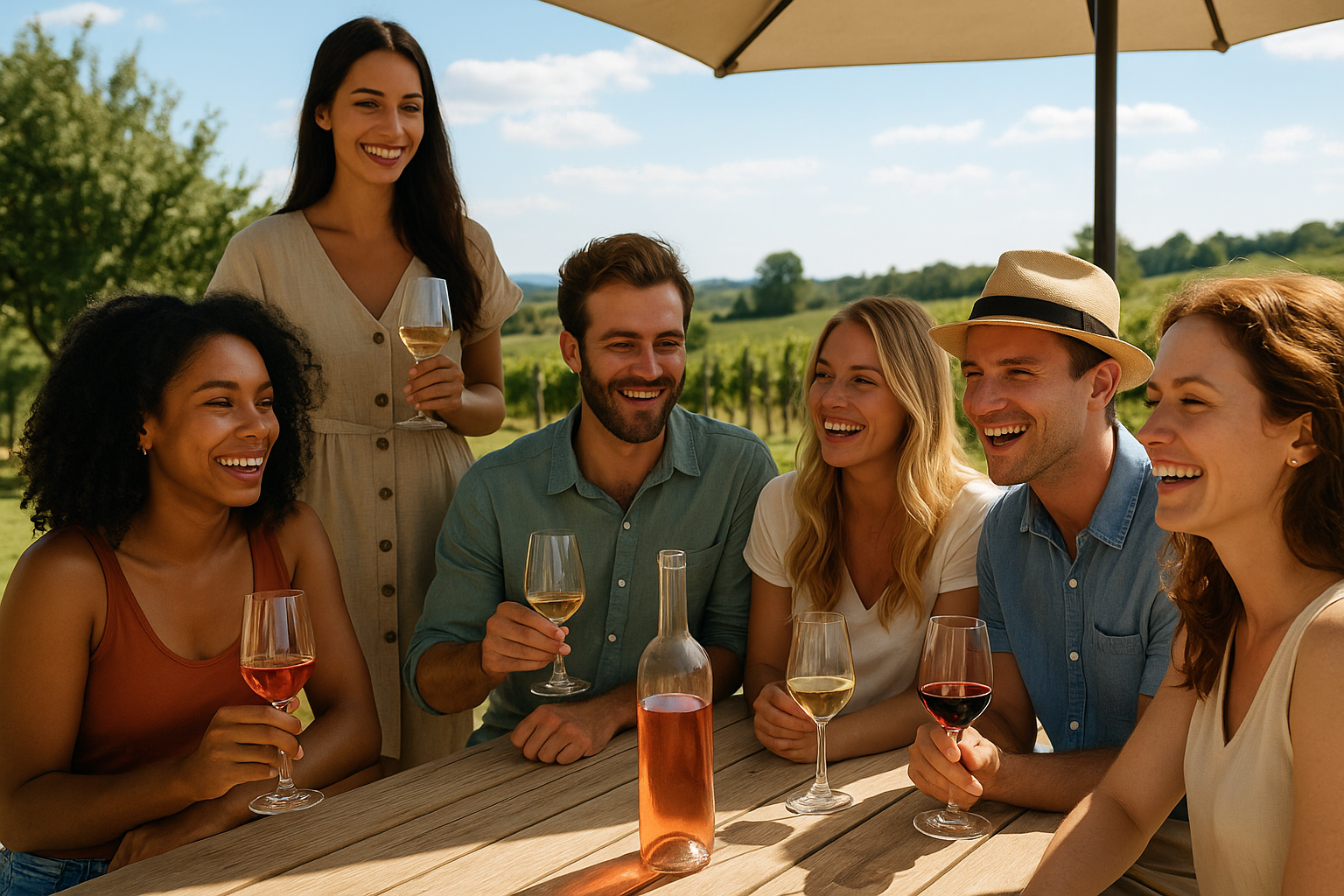
Summer winery marketing strategies are essential for staying competitive during travel season and warmer weather. As customer habits shift and traditional foot traffic slows, wineries must find new ways to stand out. The good news? With the right mix of creativity, personalization, and tech-driven tools, summer can be one of your most profitable seasons yet. Here are five innovative, customer-centric strategies to help your winery sell more and build deeper relationships this summer. 1. Rethink Summer Shipping: Flexibility Is the New Fast Wine and heat don’t mix. But neither do frustrated customers nor surprise shipping delays. In 2025, the most successful wineries are leaning into flexibility, clear communication, and smarter logistics to keep orders flowing and customers happy. 🔄 Give Customers Control Let your customers decide when and how they receive their wine. Integrate tools that allow post-purchase adjustments, like scheduling a fall delivery or choosing a local picku
00