
Filter Post Type
NewsVideoProductEventLink
Sort:
Most Recent
1–2 of 2

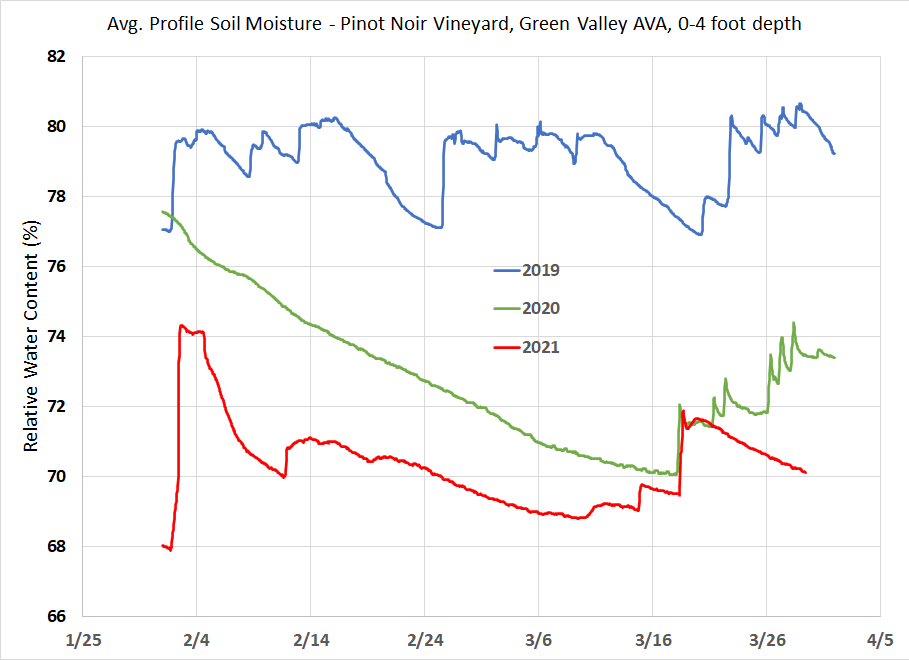
The following is an excerpt from a recent blogpost. Read the full article here. Happy budbreak! Actually “budburst”, as I’m told that is the more accurate term. Or perhaps you’re in the Southern hemisphere and are celebrating the end of harvest…good for you, mates. Archive the crap out of this post. For the rest of us though, a toasty winter has brought an early start to the season. Grape growers everywhere are wringing their hands over frost, but they may be overlooking an equally important vineyard activity that could make or break the season: irrigation. We write A LOT about irrigation. It’s kind of our thing. For good reason though. Controlling water stress is a great way to improve the quality of your grapes. Too much stress too early however, can severely limit canopy development and/or yield. We wrote about the possible need to do a winter irrigation here, but that was a few months ago and frankly we were hoping for more rain. Most place
00
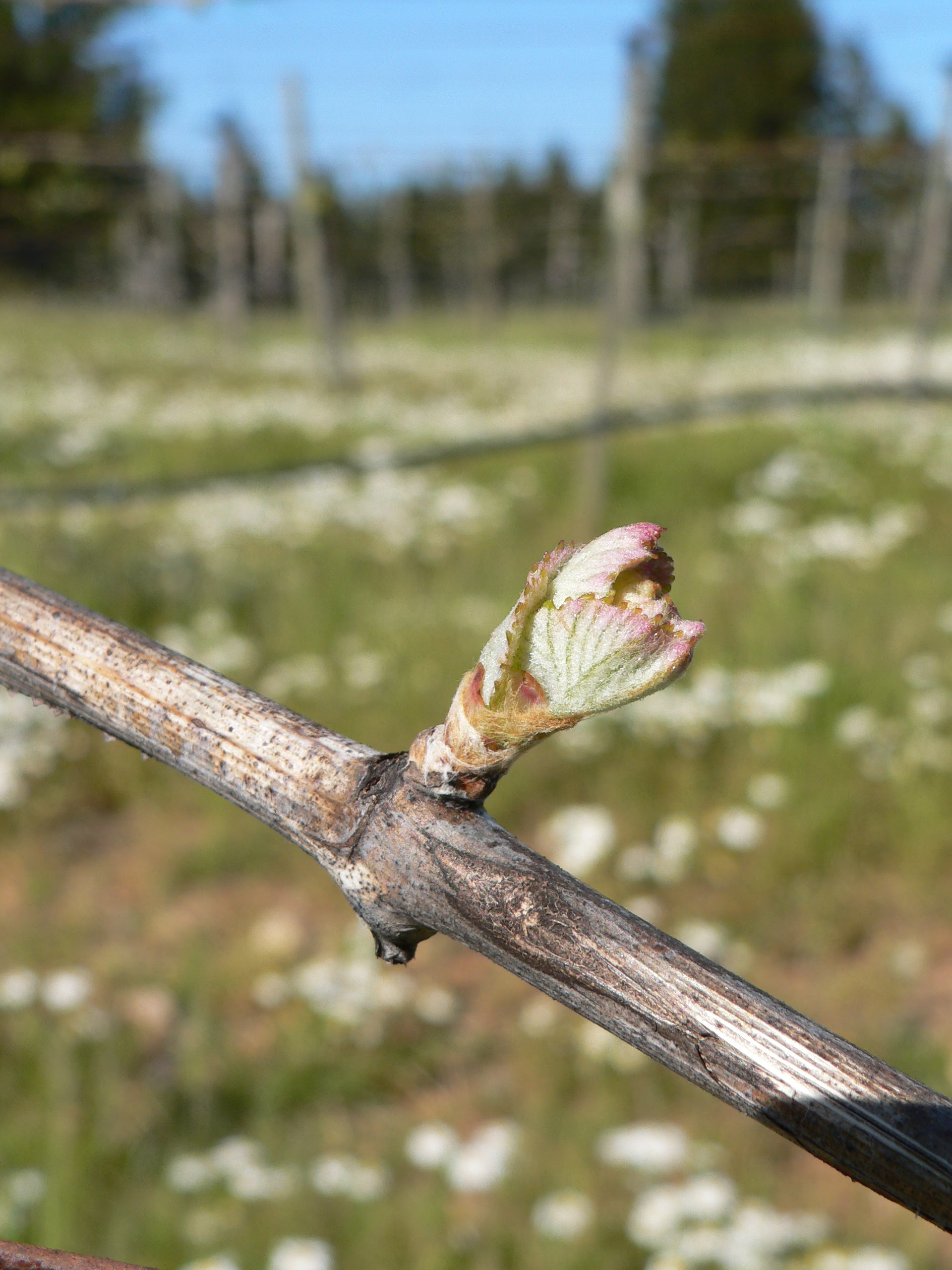
Management of vineyard nutrition is not an exact science, but nutrient/fertilizer management is not something that should be handled generically either. It’s quite easy to approach fertilization with off-the-shelf blends that your distributor carries and those may be quite adequate. Or they may not be. As for most of viticulture, timing is everything. So, the application of nutrients has a time element. Instead of my typical approach of discussing the topic nutrient-by-nutrient, I’ll discuss them instead by phenological stages. Budburst At budburst (some people told me that ‘budburst’ was more accurate than ‘budbreak’ so I’m trying to use that term when I remember to), soil is cold and roots are just emerging from dormancy and the vine is not doing a whole lot of uptake of anything. So, fertilizer applications now should be limited. However, I have found that vineyards who lack in vigor benefit from a small application of nitrogen at budburst.
00