
Filter Post Type
NewsVideoProductEventLink
Sort:
Most Recent
1–2 of 2

September 18, 2023

Afternoon Brief, September 18th
MONDAY, SEPTEMBER 18 TRENDING STORY Tributes Paid to Murdered Sicilian Wine Professional The murder of Cantine Colomba Bianca marketing manager Marisa Leo by her ex-partner has sent shockwaves through […]
WineAmericaSmith Madrone VineyardsNational Association of Wine RetailersBlack Pig Meat CoThree Sticks WineWorld Bulk Wine ExhibitionThe El Dorado EightEl Dorado AVAwine2wineGary Farrell WineryMulti-Color CorporationThe Wine GroupGlobal PackageAndavi SolutionsGrand Cru Custom CrushEnartis USAWashington Wine Industry FoundationSevenfiftyTank Garage WineryBlundstoneDecanter
00

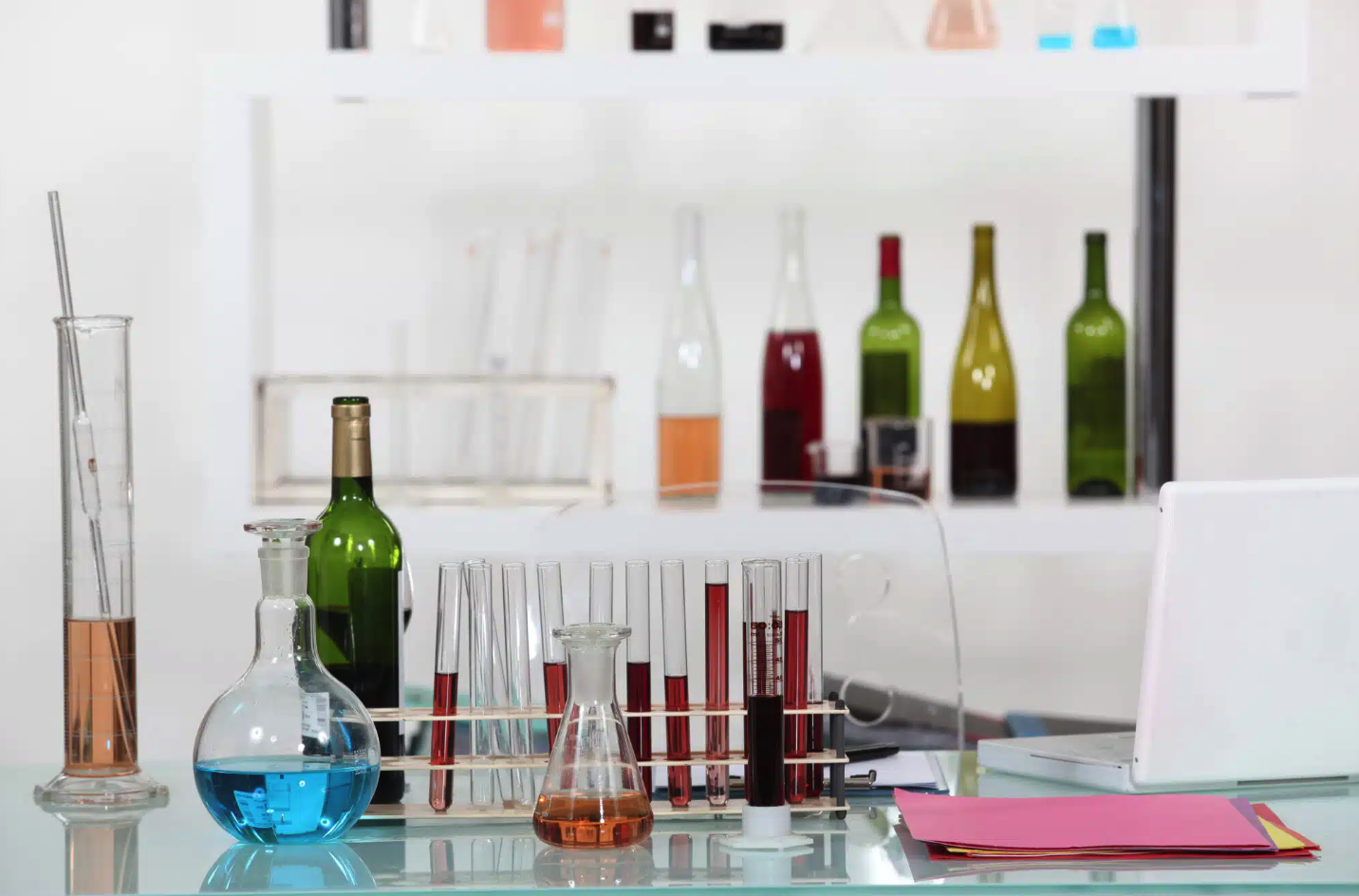
Scram, Spoilage! Understanding Wine Chemistry to Maintain Stability. No one wants spoiled wine and your winery’s microbial landscape shouldn’t have you shaking in your Blundstones. Although it is impossible to maintain a truly sterile cellar, monitoring specific analyses can effectively diagnose and prevent problems at all stages of winemaking. A good quality control program incorporates reactive lab analysis in the event of a problem and routine analysis of key parameters to track trends over time. In this article, we’re going to discuss 4 key parameters and why they should be measured throughout the winemaking process. Volatile Acidity (VA) What is Volatile Acidity? Volatile acidity refers to the steam-distillable acids present in wine, primarily acetic acid but also lactic, formic, butyric, and propionic acids (Buick and Holdstock 2003). VA is often measured as acetic acid (the primary component) because acetic acid is more easily and accurately measured than VA.
00