
Filter Post Type
NewsVideoProductEventLink
Sort:
Most Recent
1–10 of 58

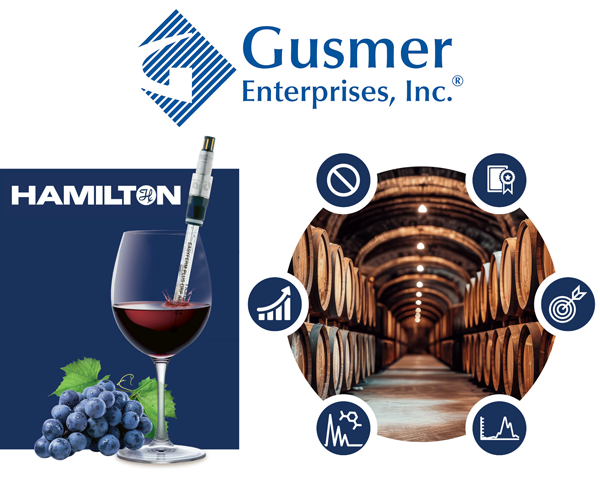
The concept of Oxidation Reduction Potential – or ORP – isn’t revolutionary science; it’s been known throughout the winemaking and brewing communities for more than 80 years. ORP measures electron pressure; the tendency of a system to gain or lose electrons. Positive ORP, an electron-accepting process, creates an oxidizing environment, while negative ORP, an electron-donating reaction, creates a reducing environment. The effects of ORP chemical reactions on fermentation processes have been observed for decades. What’s groundbreaking for today’s modern winemaking community is that two top-notch, fermentation specialist companies have teamed up on the ability to accurately measure ORP dynamics in wine must, which vastly improves the potential for production winemaking controls across the board. Gusmer Enterprises, the leading manufacturer, supplier and innovator of products and services to beverage industries since 1924, is partnering with Hamilton Company, global pioneer in process ana
00
April 22, 2026

Listen now: Ciatti's Glenn Proctor speaks to Liquid Assets Glenn Proctor, partner at the Ciatti Company, was a guest on Rabobank’s latest Liquid Assets podcast – titled “Will the US wine industry ever recover from the current glut?” – discussing the current and future state of the Californian wine industry with Jeff Bitter of Allied Grape Growers and podcast hosts Stephen Rannekleiv and Bourcard Nesin. Listen Now Glenn set out bulk-wine inventory levels as of the month of March 2026 and the 12 months to March (“it has been extremely high as to where we would usually sit”), delved down into bulk inventory by vintage year (“inventory isn’t going down but some of it is getting older, making it less marketable as you go into the future”), and outlined the tough realities of the current marketplace: “One of the biggest challenges we have: Those who’d be a buyer in a normal market are currently a seller, they’ve got grapes or bulk wine to sell.” With Jeff, Glenn discussed the recently-publi
00

Divergan F (PVPP), BASF’s unique polymerization process produces the purist polyvinylpolypyrrolidone, which is completely insoluble in must and wine. Divergan F is selective in binding phenolic species such as catechins and leucoanthocyanidins with minimal effect on flavor and aroma. Key Features Correct and stabilize color in wine, particularly white and blush wines Help prevent “browning” and “pinking” Freshen slightly oxidized wines Reduce astringency and bitterness in red and white wines Unmask fruity character Improve mouthfeel and finish of wine Treat press juice prior to fermentation to reduce astringency and bitterness Learn More
00

January 14, 2026

Event Type: Webinar
Location: Online
Date: 2/11/2026
For the fourth consecutive year, four seasoned wine industry thought leaders return to examine the critical challenges and opportunities defining the wine landscape in 2026. Each panelist will share their most important predictions and trends that wineries need to understand to thrive in the year ahead. This engaging panel discussion offers multiple perspectives on the forces shaping our industry, equipping you with practical insights to make informed decisions and capitalize on emerging opportunities throughout 2026. Session Panel: Chris Bitter, Senior Wine & Grape Analyst / Terrain Philana Bouvier, President / Demeine Estates Bourcard Nesin, Industry Analyst / Rabobank Dale Stratton, Managing Director / Azur Associates Moderator: Damien Wilson, Faculty Director and Hamel Family Faculty Chair of Wine Business / Sonoma State University
00

October 20, 2025
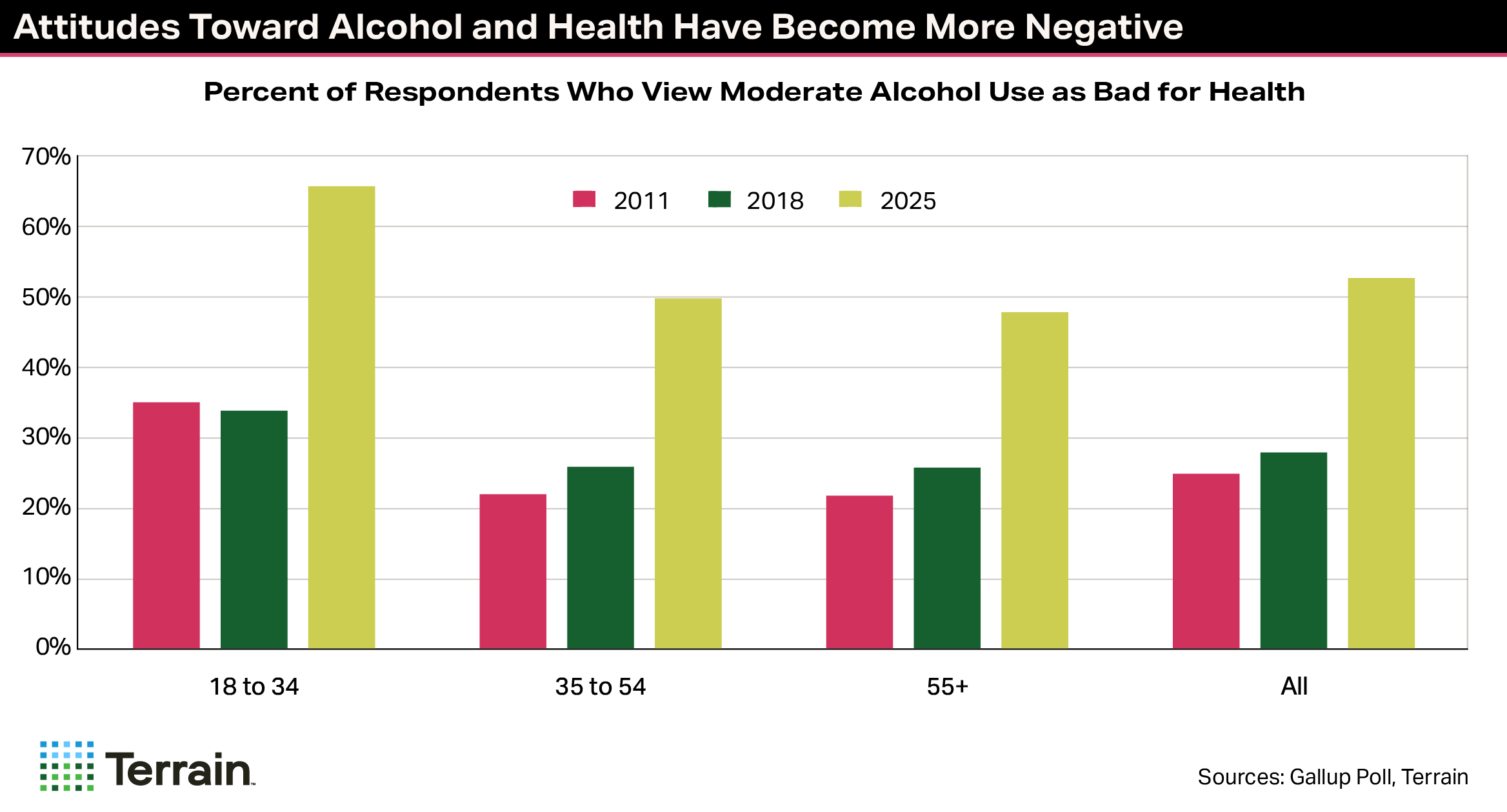
It’s no secret that people are drinking less. The consistent, downward trends in alcohol consumption are presenting significant challenges to the wine industry, which is already having to operate in a complex, competitive marketplace. In order to dissect what is happening in the world of wine and figure out how to make adjustments, industry leaders need solid information on which to base their current business practices and future projections. Fortunately, the industry has Terrain, a group of experts providing exclusive insights and forecasting to customers of American AgCredit and other participating Farm Credit associations in order to promote a more vigorous agricultural economy. Chris Bitter, Ph.D., a senior wine and grape analyst with Terrain and American AgCredit, has recently written two comprehensive articles for "Winescape", a publication that delves into current wine sales data and explores what those show about trending topics such as overall alcohol consump
00
October 7, 2025
In the Fall 2025 issue of Winescape, Dr. Chris Bitter, Senior Wine and Grape Analyst at Terrain, dives into the data behind the decline in alcohol consumption to find its root causes. In this episode of Expert Perspectives, he outlines the five major factors and what he thinks is the biggest driver.
00

October 1, 2025
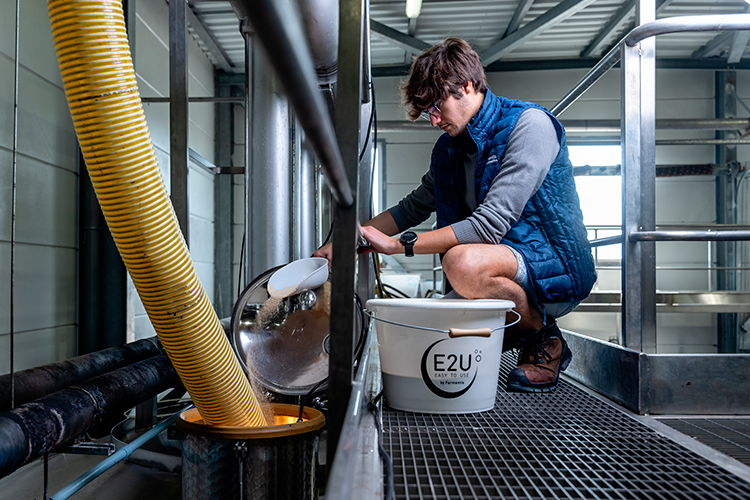
As a wine consumer, if you are looking for qualitative low-to-no-sulfite wines, you know it can be challenging. As a winemaker, if you are trying to craft wines with lower levels of sulfites, you know it is difficult to achieve. It requires a deep understanding of your processes, a solid knowledge of the science behind sulfites mechanisms of action, and continued efforts at all stages of your wine’s life cycle. The reasons why you are working on a low(er) SO2 winemaking program can be very diverse and multiple. You may be producing organic wines or simply trying to follow regulatory limits. You may be targeting to reduce the allergens in your wines or trying to use fewer chemicals in general. You may be worried about the negative effect that SO2 can have on your wines’ organoleptic qualities, or you are simply targeting to follow the overall health trend. In any case, Fermentis has solutions for you. As a global leader in the research and development of fermentation s
00
August 13, 2025
Divergan F (PVPP), BASF’s unique polymerization process produces the purist polyvinylpolypyrrolidone, which is completely insoluble in must and wine. Divergan F is selective in binding phenolic species such as catechins and leucoanthocyanidins with minimal effect on flavor and aroma. Key Features Correct and stabilize color in wine, particularly white and blush wines Help prevent “browning” and “pinking” Freshen slightly oxidized wines Reduce astringency and bitterness in red and white wines Unmask fruity character Improve mouthfeel and finish of wine Treat press juice prior to fermentation to reduce astringency and bitterness
00
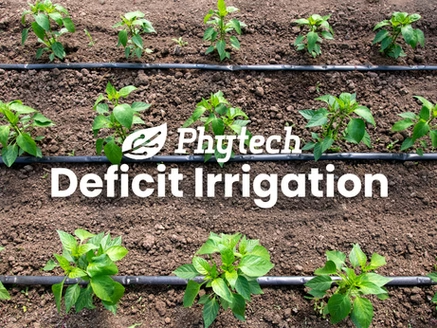
When water is limited, or fruit quality is on the line, deficit irrigation is one of the smartest tools in a grower’s arsenal. But like any sharp tool, it needs to be used with precision. Here’s what deficit irrigation is and why it matters. What Is Deficit Irrigation? Deficit irrigation is the practice of intentionally giving crops less water than they’d typically receive during select stages of development. The idea isn’t to deprive the plant, but to apply a mild, controlled stress that can slow vegetative growth or fruit expansion in ways that benefit the crop. Done well, this strategy can sharpen fruit quality, reduce disease pressure, conserve water, and even improve overall return on investment. Take apples, for example. Overwatering mid-to-late season can lead to oversized fruit with low calcium, making them more vulnerable to bitter pit. In peaches, too much late-season water can result in soft texture and poor color. Deficit irrigation allows y
00

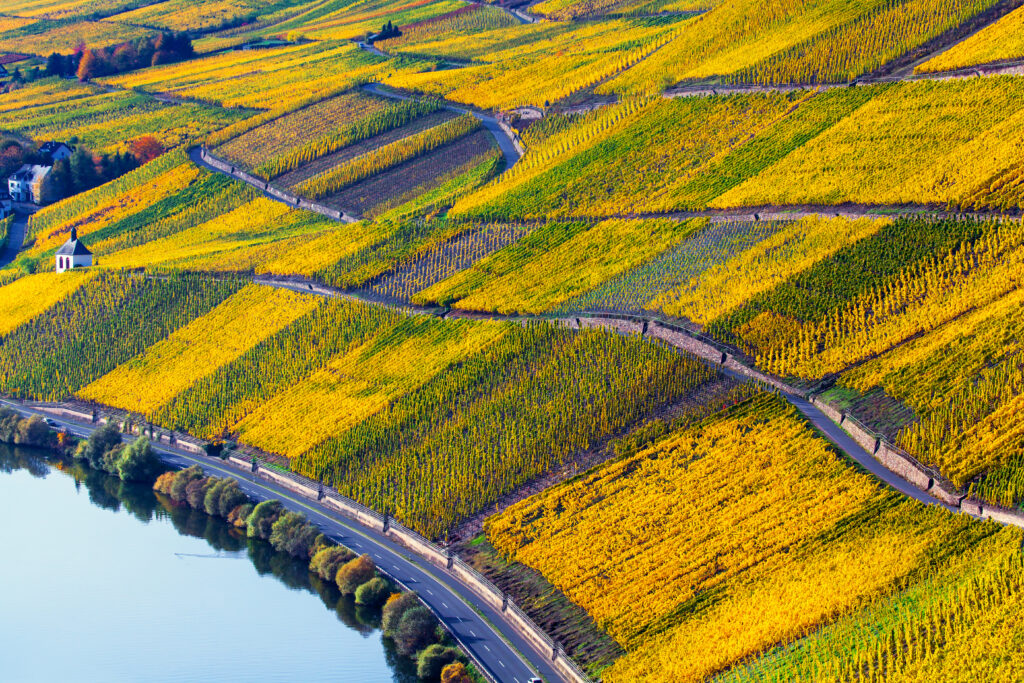
The conversations I have about quality tend to focus on red wine. This is especially true in California, where Napa Cabs have historically garnered high prices, followed up by Coastal Pinot noirs and red Rhones. Honestly, in most places I’ve been where the climate allows for ripening red grapes, the reds are the main event with the whites being more of a warm-up act or even an afterthought. As a result, we know a lot about how to grow red grapes for quality – and less about how to grow whites. Consumer tastes are shifting though, and the big reds of yore are taking a back seat. Drinkers want lower alcohol wines with a lighter style and wineries are taking fewer risks with wine they can turn around in under a year. As a result, white varieties are in hot demand. If you’re a grower who can’t sell your grapes, you may very well be considering grafting some of your reds over to white. So how do you grow a good white? In many ways whites are harder than their r
00