
Filter Post Type
NewsVideoProductEventLink
Sort:
Most Recent
1–10 of 10

Facebook/Meta: Turning Fans into Wine Club Members Expanding on insights from our Wine Club Scorecard, this post explores one of the most underused yet powerful tools for wine club growth: Facebook. While platforms like TikTok and Instagram often grab attention, Facebook remains one of the most effective drivers of wine club engagement and conversion when paired with Meta’s advanced targeting and advertising tools. With 72% of wine consumers aged 35–65 actively using Facebook, this is not just a social network—it’s an opportunity to build real relationships, deepen loyalty, and guide new members into your wine club. Yet most wineries still treat Facebook as a newsfeed instead of a growth engine. Sporadic posts, static bottle shots, and low engagement can’t compete with a thoughtful strategy that uses Facebook the way it was meant to be used: to connect, converse, and convert. Let’s explore how to turn Facebook into a true wine club acquisition chann
Wine Club GrowthWine Club MarketingFacebook for WineriesMeta AdvertisingWine Club AcquisitionSocial Media Strategy for WineriesDigital Marketing for WineriesWine Club RetentionFacebook AdsWinery Community BuildingCustomer EngagementHow to Grow a Wine Club with FacebookBest Facebook Strategies for WineriesWinery Marketing Tips 2025Using Meta Ads to Increase Wine Club MembershipWine Industry Marketing InsightsWine Club ScorecardWIN Series 2025DTC Wine MarketingvinSUITE Insights
00

July 2, 2025
The clink of glasses, the warmth of late afternoon sun across the vines—these are the moments that define a winery. But digital marketers can get stuck in the rut of Facebook posts and Instagram stories that have become repetitive and rote. How do you translate the sensory magic of a tasting room into strategies that make visitors show up in person? Take a look at some marketing channels that are not as used by wineries, where old-school storytelling and next-gen tech converge to give you a competitive edge. Connected TV: Your Vineyard in 4K Another banner ad, another still photo, another yawn. Sometimes the channel itself can leave you feeling confined to content that lacks vitality. If you’re facing that, and you’ve got the budget, think about going big on video and distributing it via Connected TV.. Connected TV (CTV) lets you beam the romance of your winery directly into living rooms, framed by the cinematic power of streaming. Think smart TVs, Roku, Apple TV&
00
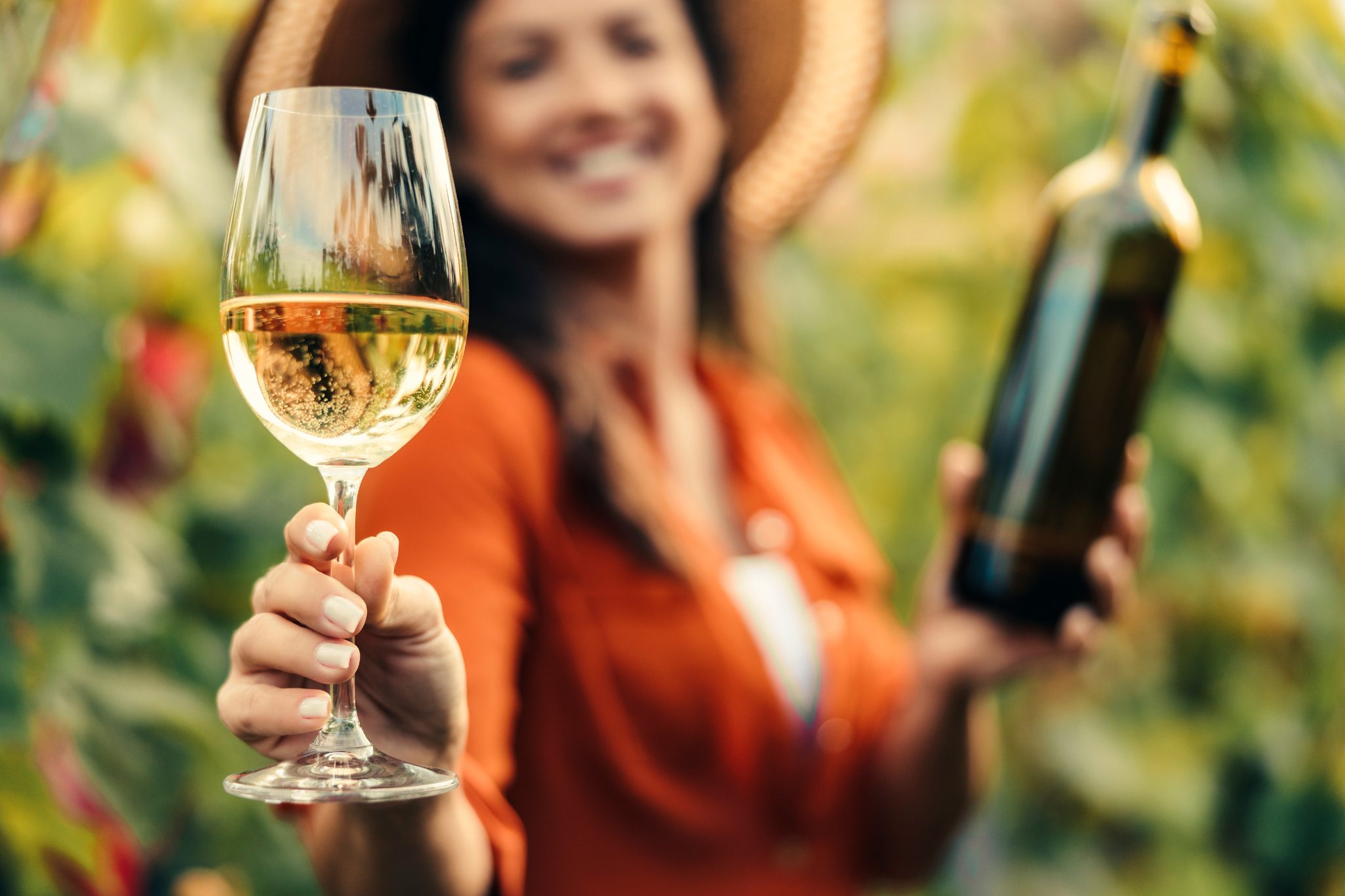
It’s the same conversation in boardrooms, discussion boards, symposiums, and industry reports: “Younger consumers just aren’t drinking wine like previous generations.” Sure, the concern is valid. But the narrative misses key nuances. The reality is that younger consumers are still just that—young. Their drinking habits, lifestyle priorities, and financial realities don’t yet match those of past generations at the same life stage. But instead of writing off Gen Z or younger Millennials, the wine industry needs to adjust its approach. The traditional playbook doesn’t account for how younger consumers live, what they value, or how they engage with brands. If wineries want to stay relevant, it’s time to rewrite the script. 1. Younger Consumers Will Age Into Wine—Just Like Boomers Did A common misstep in the industry’s current panic is comparing a 23-year-old Gen Zer to a 45-year-old Gen Xer. The latter has had decades to develop
00
October 16, 2024

As the busiest time of year for wineries approaches, it’s critical to plan ahead for the holiday season, specifically the OND period (October, November, December). With so many opportunities—Black Friday, Cyber Monday, Thanksgiving, Christmas, and New Year's—wineries need to strategically market to capture sales and build lasting customer relationships. Here’s a detailed guide, based on our Holiday Marketing Webinar, to help you create campaigns that will maximize your success this holiday season. Why Holiday Marketing is Critical for Wineries The holiday season often represents the most lucrative time of year for wineries, with up to 30% or more of annual sales generated during OND. This period provides opportunities for increased engagement, new customer acquisition, and deeper loyalty with existing customers. The biggest reason for the spike in holiday sales is the gifting mindset. During the holidays, customers are not only buying for themselves but als
00
September 23, 2024
While winery eCommerce has been around for a while, many wineries did not fully embrace this direct-to-consumer (DTC) channel until they were forced to during the pandemic. Some wineries have adapted quickly, leveraging modern technology and eCommerce platforms to thrive, while others have struggled to keep up with the fast-paced world of digital marketing and SEO. Thanks to the rise of eCommerce giants like Amazon, consumers expect seamless, fast, and personalized experiences. Wineries face the added challenge of shipping regulations, compliance, and managing perishable goods like wine, but SEO (Search Engine Optimization) can help them stand out and thrive in this competitive market. In the United States, the eCommerce share of wine sales grew from only 0.3% in 2018 to nearly 3% in 2022. The eCommerce channel promises to be lucrative, too. The top five wine and liquor online stores in the U.S. together generated more than one billion dollars in eCommerce net sales in 2022. For long-t
00

With so many wineries vying for customer attention, personalization in marketing is no longer a luxury—it’s a necessity. Tailoring your marketing efforts to meet the individual preferences and behaviors of your customers improves loyalty and enhances their overall experience with your brand. Personalization is now woven into everyday interactions, from the ads we see on social media to the offers we receive from our favorite brands and wineries are no exception. For wineries, personalized marketing is a powerful tool that can drive customer loyalty, increase engagement, and grow wine club memberships. In this article, we’ll discuss how to implement personalized marketing for customers of all ages and at every stage of the purchasing journey. Building Stronger Customer Relationships Through Personalization While Millennials and Gen Z have made headlines for demanding authentic, personalized experiences from brands, older generations have also grown accustomed to perso
00
In the wine industry, customer retention is the cornerstone of long-term success. Increasing your wine club membership and customer retention by just 5% can lead to a 25% to 95% boost in profitability. But how do you transform first-time visitors into loyal customers and, more importantly, committed wine club members? Let’s explore tailored strategies to keep customers returning to your winery, boosting repeat business, and maximizing their lifetime value (LTV). Distinguishing Returning Customers from Repeat Customers In the context of a winery, it’s essential to differentiate between returning and repeat customers. A returning customer has visited your tasting room or purchased your wine before and has decided to return for another experience. They might have made two or three purchases. On the other hand, a repeat customer is one who consistently supports your winery, regularly visits your tasting room, and ideally becomes a dedicated wine club member. These custom
00

The winery eCommerce landscape is constantly evolving, creating both challenges and opportunities for wineries looking to boost their online sales. With the rise of direct-to-consumer (DTC) sales channels, wineries have a golden opportunity to expand their reach and connect with their customers in more meaningful ways. Below are some tips to help wineries enhance their online presence and sales. Understanding the Current eCommerce Landscape The global pandemic has significantly accelerated eCommerce adoption across various industries, including the wine industry. Consumers now expect a seamless online shopping experience, whether they’re buying clothes, groceries, or wine. For wineries, this shift presents a unique opportunity to expand their reach beyond the tasting room and into the homes of wine lovers worldwide. The Rise of Wine Clubs Models: Winery eCommerce Staples Wine clubs are at the forefront of winery eCommerce strategies, offering a steady revenue stream and a dire
00

In the evolving wine industry, wine clubs are no longer just subscriptions; they've become essential tools for revenue forecasting and DTC growth. As 2024 unfolds, wine clubs take center stage, necessitating wineries to retain their core audience while strategically captivating Gen Z and Millennials. This article delves into innovative strategies to optimize wine clubs and cater to diverse demographics. Digital Dominance: Online Acquisition Tactics Leverage Social Media Advertising: Engage potential members through targeted social media ads. Platforms like Instagram and Facebook allow wineries to create visually appealing content, showcasing exclusive benefits and promotions for club members. Interactive Website Experience: Enhance your winery's online presence by creating an interactive and user-friendly website. Implement features like virtual tastings, personalized recommendations, and easy sign-up processes to attract and convert visitors into wine club members. Op
00


FIVE SURPRISING MARKETING STRATEGIES TO INCREASE SALES BY DAN PENDERGAST It is a natural reaction – when you need cash, the gut reaction is to turn to marketing and demand more. More emails, more social media posts, more ads, and more offers. But the volume of marketing does not have an equal or parallel relationship to results. If you send twice as many emails, you may get less than twice as many sales, and a 20% discount will likely deliver less than double the sales of a 10% discount. Furthermore, marketing isn’t turnkey and often takes months (or years) of consistency to witness results. So why execute marketing if you can’t count on it to provide sales? Marketing provides your product (wine) with a brand. A brand is a reason to buy your wine and charge a specific price for your wine above other wines. Without marketing, there’d be no brands; without brands, all wines are the same. Marketing can even create value beyond the product. Take Barefoot, for examp
00