
Filter Post Type
NewsVideoProductEventLink
Sort:
Most Recent
1–10 of 41


For most wineries, marketing still follows a familiar path: email campaigns, wine clubs, tasting room experiences, and social media. These channels continue to drive direct-to-consumer sales, but they are also becoming increasingly saturated. Reaching new customers often requires more content, more spend, and more competition for the same audience. At the same time, another force is shaping consumer behavior at scale—film and television. A single streaming series can influence travel, dining, fashion, and brand awareness almost overnight. Within those moments, wine is already present. It appears in dinner scenes, celebrations, restaurants, and quiet evenings at home, serving as a natural extension of lifestyle and hospitality. Historically, however, the bottles used on screen have rarely represented real wineries. That is beginning to change. Wine product placement is emerging as a viable and strategic marketing channel for wineries looking to expand beyond traditional touchpoin
00

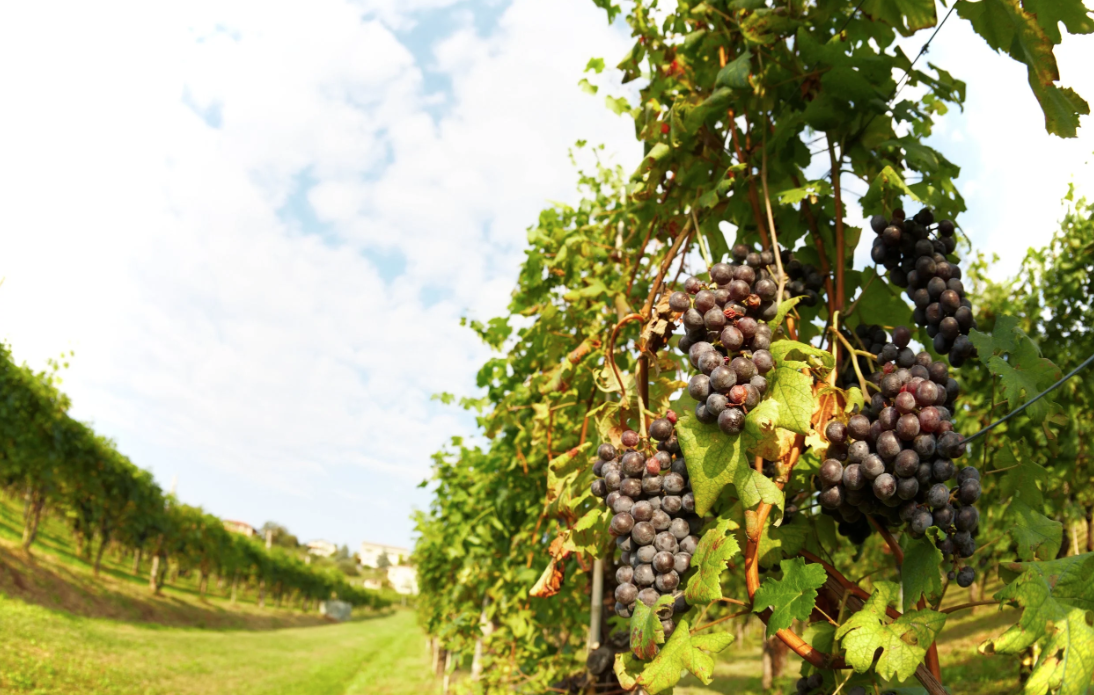
The weather is shifting, trip-planning season is underway, and tasting room traffic is about to pick up. This is the good news. The bad news? If you're reading this and thinking "we'll get to our spring marketing when spring gets here," you're behind. The tasting rooms that stay full from April through June aren't the ones with the best wine or the prettiest views. They're the ones that showed up in someone's planning process three weeks before the trip happened. People don't stumble into wine country on a whim and wander from door to door the way they did fifteen years ago. They research. They scroll. They book. And if your winery isn't visible and compelling during that research window, you're invisible when it counts. The hotel industry figured this out years ago. Marriott doesn't wait until summer to market beach properties. They start running "book your getaway" campaigns in late winter, because they know the booking win
00

March 25, 2026
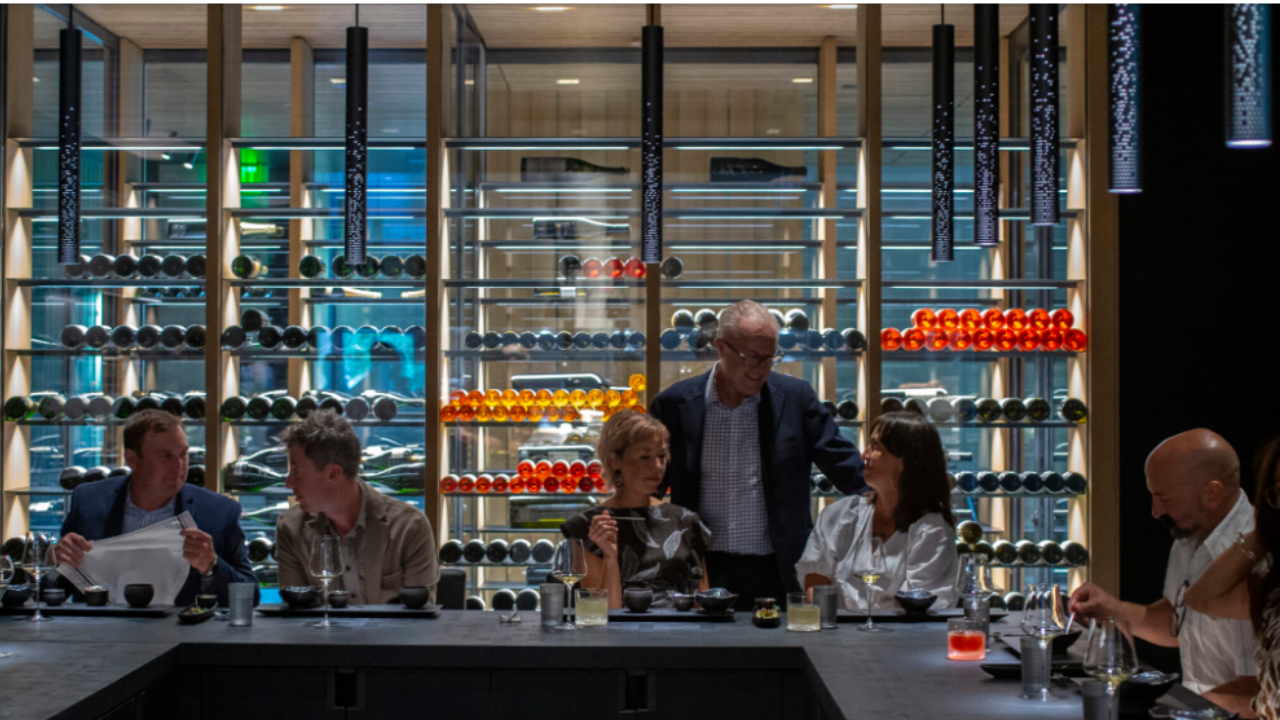
Michelin-Winning Maître d’ Nick Peyton Bids Adieu - Sonoma County Winegrowers
Nick Peyton, Sonoma County hospitality icon and co-owner of Cyrus Restaurant, retires after a celebrated career shaping Wine Country dining. Discover his legacy, Michelin recognition, and impact on Sonoma County’s wine and culinary scene.
00

February 17, 2026

TMC Financing Celebrates 2026 Coleman Award Winners, Recognizing Excellence Across SBA Lending TMC Financing is pleased to announce that several members of its team, along with the company itself, have been honored as part of the 2026 Coleman Report SBA Lender Awards. These recognitions highlight organizations and individuals whose achievements in SBA lending strengthen small business communities and expand access to long‑term, affordable financing. TMC Financing has long been committed to empowering entrepreneurs across its footprint, and this year’s awards reflect both strong FY25 production and meaningful growth in new markets. TMC Financing earned the SBA Underserved Market Lender of the Year award after completing a record‑setting FY25 with 548 SBA 504 loans and more than $2.4 billion in total project financing, supporting over 7,000 jobs. This recognition underscores the company’s continued efforts to reach more businesses with stable, fixed‑r
00

Dry January is no longer just a health challenge or a new-year reset—it’s a global movement. But here’s the kicker: savvy brands know that real success in the no- and low-alcohol (No/Low) category comes from building momentum well beyond one month. At BevZero, we help our clients turn the buzz of January into a sustainable, year-round beverage strategy using expert product development, cutting-edge dealcoholization services, and full-spectrum beverage solutions. Let’s talk about how. Why Dry January Is Only the Beginning Dry January consistently delivers a spike in consumer interest, online searches, and sales for No/Low products—especially non-alcoholic wines, beers, and spirits. But interest doesn’t flatline in February. In fact, there are multiple high-impact moments throughout the year where brands can meet growing demand: Spring (March – May): Holidays like St. Patricks, Easter, and Mothers Day can be a great time to provide low or no
00

December 15, 2025
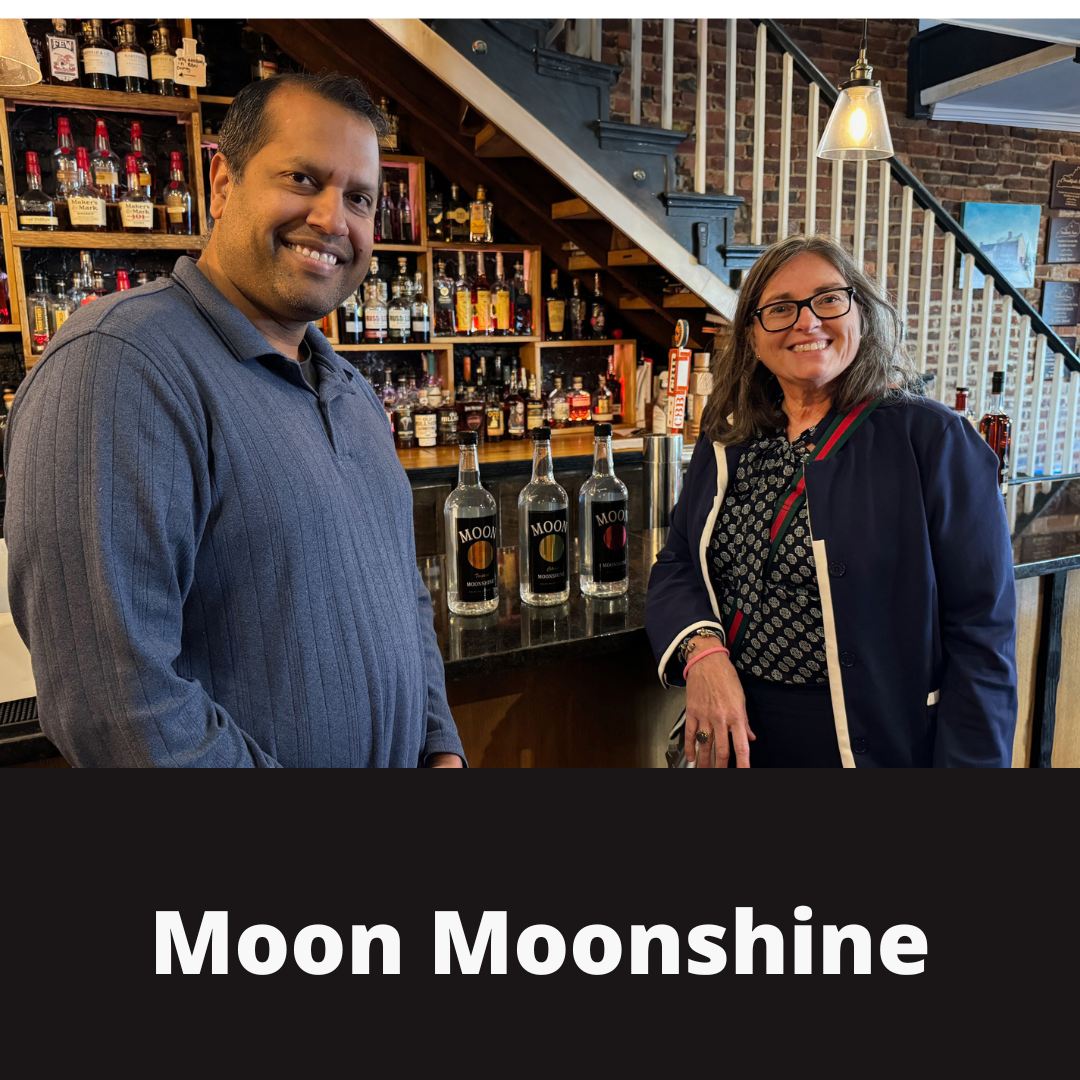
Forget the harsh, high-proof jars of yesteryear. This is Moon Moonshine, a modern spirit for a modern drinker: smooth, flavorful, mixable, and built for today’s drinkers. It’s low sugar, low calories, no artificial ingredients, and has a lighter, smoother finish than most tequila or whiskey. Crafted in Kentucky with non-GMO corn, premium limestone and shale–filtered spring water, and distilled in copper pot stills, Moon Moonshine delivers a clean, contemporary take on America’s original spirit. Three all-natural flavors—Citrus, Berry, and Tropical—come in at 35% ABV. Launched just four months ago, the brand is already picking up major traction in Florida. College bars, beach bars, cocktail bars—they’re all leaning in. And with good reason: Moon Moonshine is easy, versatile, and profitable for Buyers. “Moon Moonshine takes a timeless spirit and gives it a bold, modern twist. We wanted a people-forward brand that’s s
00

July 9, 2025

Enhanced Bird Deterrent Technology for Vineyards Takes Flight with New Identity When the grapes are ripe and the birds are hungry, there’s no better vineyard protection than a sharp-eyed peregrine falcon soaring above the vines. Just a glimpse of this bird of prey sends starlings and other destructive flocks fleeing. Historically, wineries have installed netting to try to protect their crops, especially their most prized grapes. While effective, netting is also expensive, and installation and removal are labor-intensive. Other safeguards, such as cannons, broadcast distress calls, streamers or stationary decoys, offer fleeting results and can be intrusive. Ten years ago, Falcon Crop Protection developed an innovative and cost-effective solution: realistic kites that mimic the shape and predatory movements of a peregrine falcon as it soars from a tall fiberglass pole. With just a slight breeze, the kite takes flight and patrols all day, triggering birds’ natural f
00

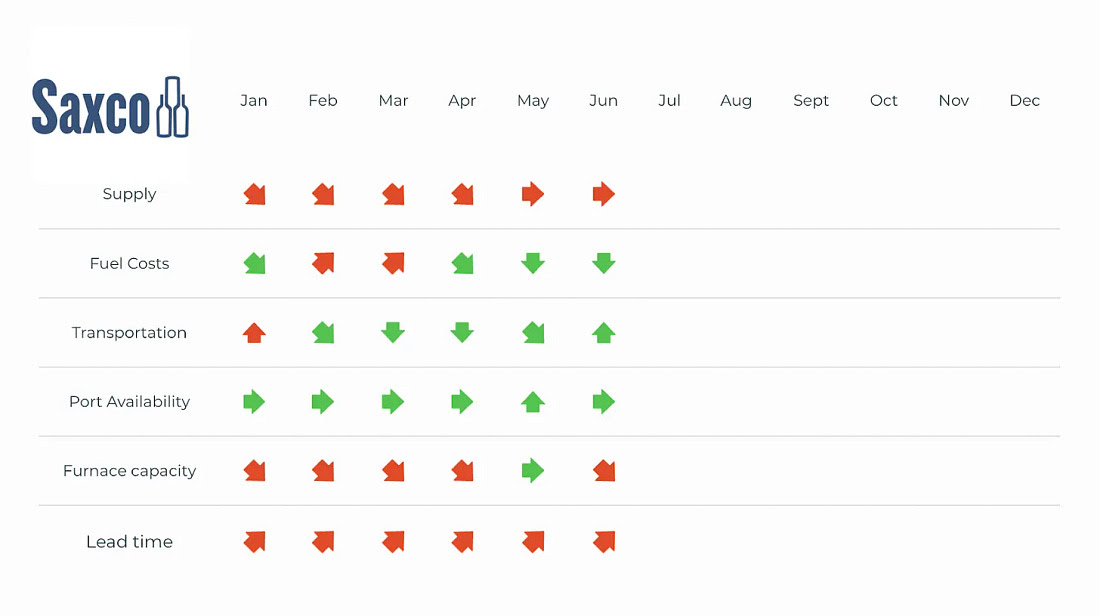
As we move into the summer shipping season, the overall supply chain remains relatively stable – though a few indicators are beginning to shift. Here’s what we’re seeing across the key areas impacting glass packaging and logistics. Glass supply is holding steady, with no significant disruptions reported across domestic or international sources. Availability has remained neutral for several months now, though specific bottle types and molds still see some intermittent constraints. That said, there is a growing awareness in the industry of potential pressure on furnace capacity later this year. Conversations are underway about potential closures in Q4, which could result in tighter availability in early 2026 if demand remains stable or increases. Diesel prices edged downward in May, offering slight relief for overland freight. The national average fell from $3.567 per gallon in April to $3.499 in May. This small but welcome drop comes at a time when other transportation
00

It’s the same conversation in boardrooms, discussion boards, symposiums, and industry reports: “Younger consumers just aren’t drinking wine like previous generations.” Sure, the concern is valid. But the narrative misses key nuances. The reality is that younger consumers are still just that—young. Their drinking habits, lifestyle priorities, and financial realities don’t yet match those of past generations at the same life stage. But instead of writing off Gen Z or younger Millennials, the wine industry needs to adjust its approach. The traditional playbook doesn’t account for how younger consumers live, what they value, or how they engage with brands. If wineries want to stay relevant, it’s time to rewrite the script. 1. Younger Consumers Will Age Into Wine—Just Like Boomers Did A common misstep in the industry’s current panic is comparing a 23-year-old Gen Zer to a 45-year-old Gen Xer. The latter has had decades to develop
00

November 25, 2024

The fog along the California coast is alive — it flows from the Pacific Ocean up through passes in the protective coastal ranges and into the valleys like a tide. It rises into the hills and breathes before slowly receding to the valley floors and retreating through the mountains, across the sands and into the ocean waters. Toward the north, these fogs nurture the redwoods, and all along the coast, they provide relief from hot daytime temperatures for many wine country vineyards. The Niner Estate vineyards are near Paso Robles, about 20 miles from the Pacific Ocean. They are protected from the cold maritime winds by the Santa Lucia mountain range that parallels the coastline. One of the valleys the fog creeps through is the nearby Templeton Gap. For over a decade, Niner Wine Estates’ winemaker Patrick Muran has been crafting the Fog Catcher Bordeaux blend that he says is “named after the cool banks of fog we often see drifting over our vineyards on early mornings in
00