
Filter Post Type
NewsVideoProductEventLink
Sort:
Most Recent
1–10 of 10
August 27, 2025

Event Type: Webinar
Date: 10/23/2025
Learn how data-driven approaches can provide accurate, real-time data that supports long-term groundwater sustainability & better decision-making, and improves recharge outcomes. Groundwater recharge is a crucial strategy for managing water resources sustainably, making the ability to monitor and manage recharge efforts in real time more important than ever. Join our free 45-minute Thought Leader webinar to learn how data-driven approaches can provide accurate, real-time data that supports better decision-making, improves recharge outcomes, and supports long-term groundwater sustainability. Presented by Kassy Chauhan, Special Projects Manager at Fresno Irrigation District (FID) and Executive Officer of the North Kings Groundwater Sustainability Agency (GSA), and Christopher Lundeen, Engineering Technician III at FID. Webinar Topics An overview of California’s Sustainable Groundwater Management Act (SGMA) and the development of GSAs Implementing and leveraging monitoring
00

June 28, 2024
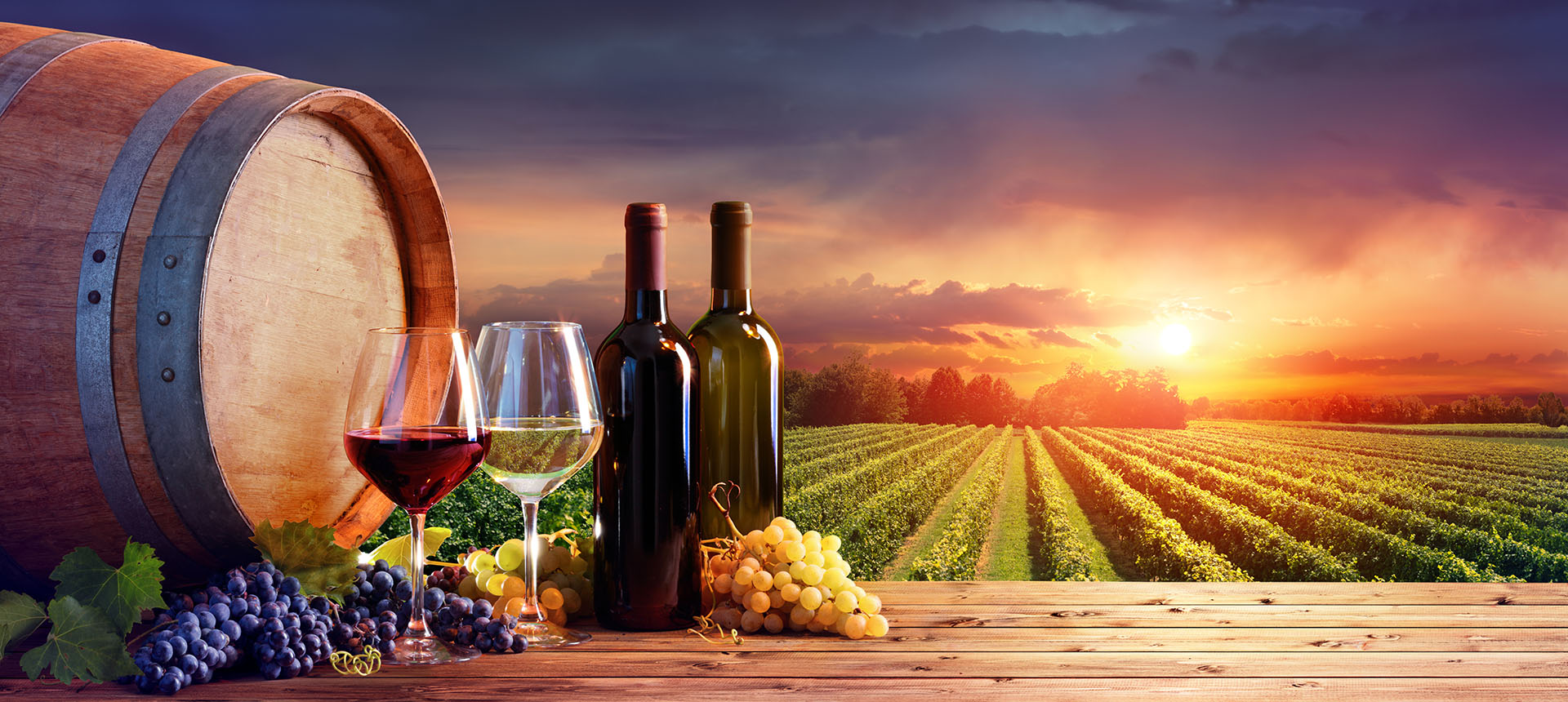
How much water does it take a winery to produce a bottle of wine, and how does that contribute to the cost of the entire winery operation? Knowing your operation’s water footprint has never been more important. As climate change drives droughts and water scarcity, water becomes more expensive to buy, and regulations regarding winery processes and wastewater become more restrictive. All of this has the potential to increase the total cost of production, especially when considering the discharging fees of the wastewater. If a winery reviews and reduces their water consumption/water footprint, they can reduce costs both in production and in treating the winery wastewater. The less wastewater produced, the lower the cost is to treat the water. CALCULATION OF THE WINERY WATER FOOTPRINT The water footprint of a business is simply how much freshwater is used, both directly and indirectly, to produce the product or service of that business. It is generally measured in liters or ga
00
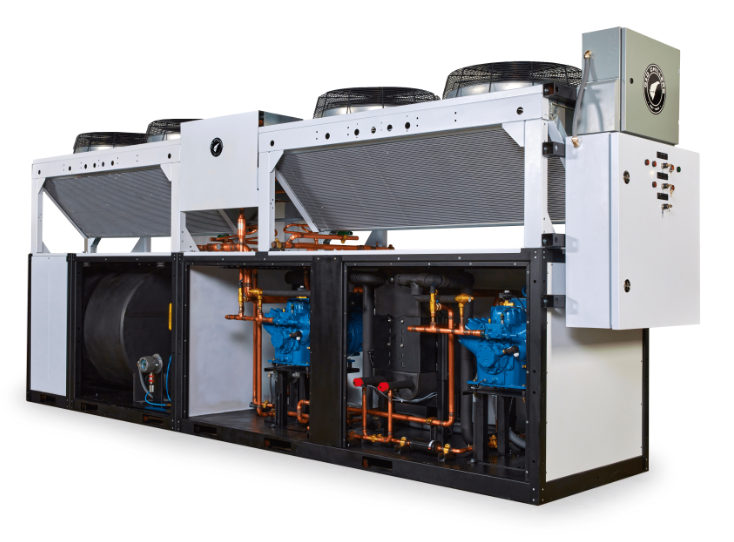
An Introduction to Propane, A Natural Refrigerant with Near-Zero GWP by Paul Johnson, G&D’s Director of Technology and R&D The refrigeration industry has been turned on its head recently with new and upcoming refrigerant regulations. For the last thirty years, we’ve navigated the tightening of environmental regulations – first focused on reducing a refrigerant’s ozone depletion potential (ODP); and now focused on reducing the refrigerant’s global warming potential (GWP). This constant progression, incrementally reducing the impact our chillers may have on the environment if a leak were to occur, has pushed our industry to improve the technology we use, and lessen our environmental impact. Twenty years ago, when we were in the process of moving away from the old industry standard, R22, we tried to predict which refrigerant would ultimately win out. Which refrigerant had the potential to be &ldq
00

March 12, 2024
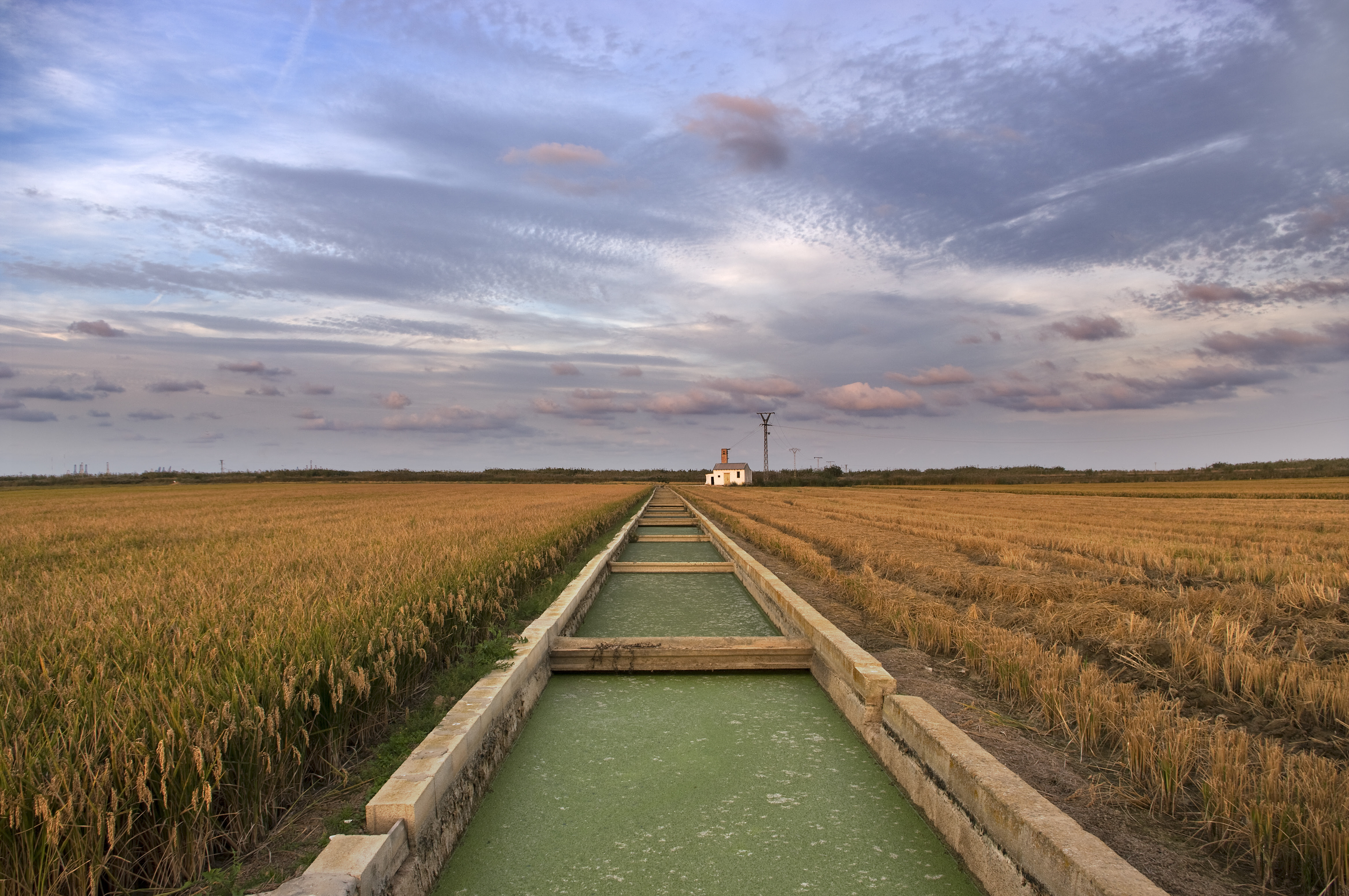
"GROUNDWATER . You can't see it, but millions of Californians depend upon it as a vital source of water for their homes and businesses." Those are not my words but the introductory words for the promotional video that appears on the SGMA (Sustainable Groundwater Management Act) website1 . The statement is a rather simply worded way to convey the obvious: that groundwater is vital to our livelihood here in California, and especially important to honoring and sustaining our agricultural heritage. While groundwater provides needed sustenance for numerous rural, as well as urban communities, it is agriculture that demands the lion's share of the resource. Central Valley agriculture turns to groundwater pumping whenever drought or poor rainfall years reduce the availability of surface water deliveries. Cries for construction of more reservoirs to capture and store more stormwater and snowmelt so that canals can be filled with more water are always being heard. Yet, apart f
00
February 27, 2024
I recently had the opportunity to sit down with Timothy Parker of Parker Groundwater Consulting in Sacramento, CA. Loni Lyttle: So, I wanted to talk to you today about groundwater recharge. California, along with the rest of the western United States has been in a long drought and is facing serious issues with groundwater depletion not to mention subsidence, where the land is actually sinking due to overdrafting the aquifer. But then we get these two wet years in 2023 and 2024 (so far) with above average rainfall. I think this lulls people into a sense of security about California’s water situation and I’m not sure it’s that simple. I’m not a hydrogeologist so I wanted to get in touch with someone who knows more on the subject. Tim Parker: You are right – the surface water reservoir drought is over but our groundwater reservoirs are still in drought conditions. So there’s a lot of recharge going on and we don’t always know how
00
How much water does it take a winery to produce a bottle of wine, and how does that contribute to the cost of the entire winery operation? Knowing your operation’s water footprint has never been more important. As climate change drives droughts and water scarcity, water becomes more expensive to buy, and regulations regarding winery processes and wastewater become more restrictive. All of this has the potential to increase the total cost of production, especially when considering the discharging fees of the wastewater. If a winery reviews and reduces their water consumption/water footprint, they can reduce costs both in production and in treating the winery wastewater. The less wastewater produced, the lower the cost is to treat the water. CALCULATION OF THE WINERY WATER FOOTPRINT The water footprint of a business is simply how much freshwater is used, both directly and indirectly, to produce the product or service of that business. It is generally measured in liters or ga
00
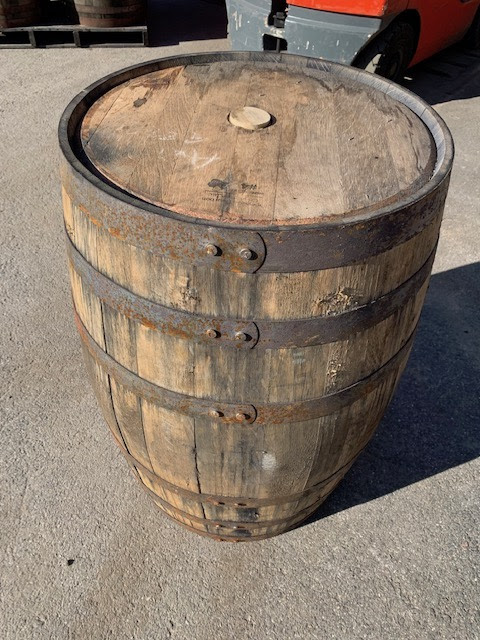
Seriously, these barrels still have so much rum in them, it's technically illegal to fill them without draining them first. But that part's between you and the TTB... Made from a volcanic aquifer and aged in American Oak barrels creating a smooth taste with a long-lasting sweet finish. Head Bungs: Can be Leak Free Sealed™ upon request, and we'll even add a fresh new side bung for ya! Black Strap Molasses Rum Type: Rum Ex-Bourbon Oak: American Size: 53g BUY NOW
00

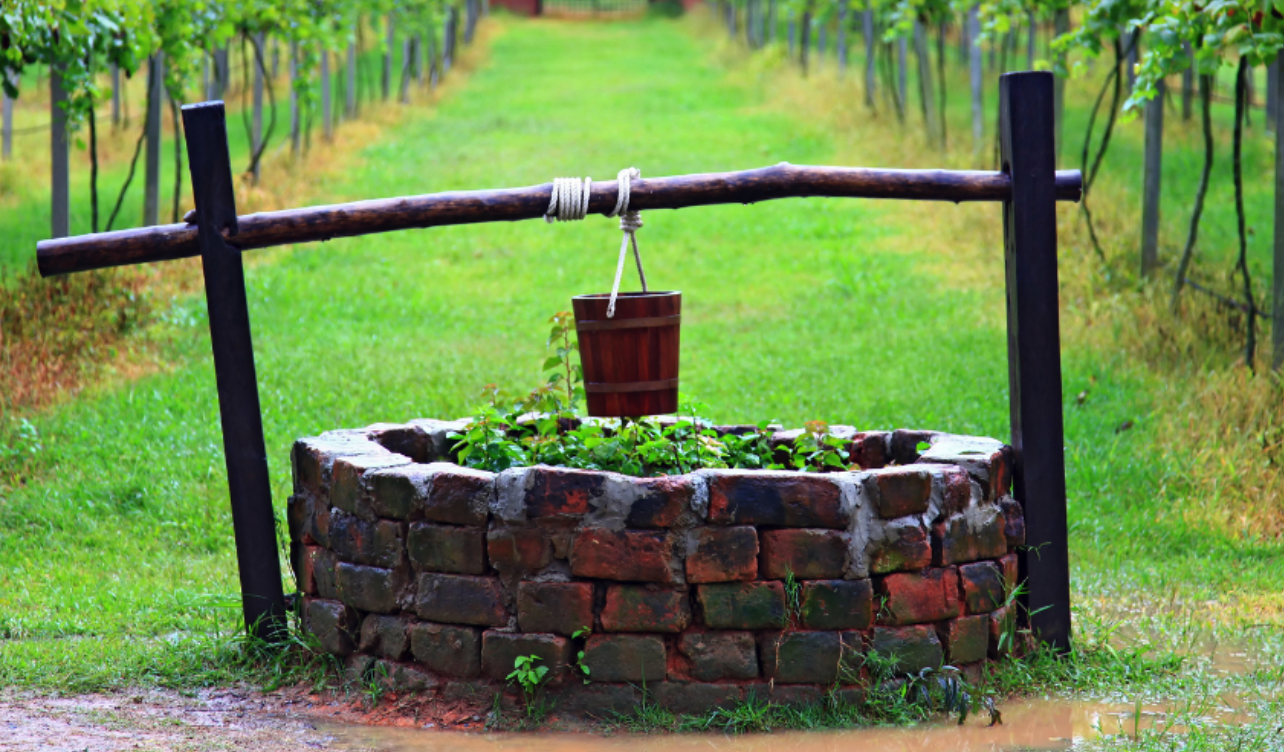
The West Coast has been enjoying all this rain – well over 150% of normal by some accounts. In true WISE fashion, there is a lesson to be learned as we typed this to the sounds of the storm outside. A common question on the news reports has been “Will all this rain eliminate the West Coast droughts?” and the answer has two parts. First, yes, surface level reservoirs are refilling (albeit a bit too quickly). Local water tables and wells are absorbing some of the deluge. However, there is a deeper issue, and one that resonates. Are the deeper aquifers being recharged and refilled? What does rain have to do with leadership? The analogy is clear. Are we refilling our own “hospitality wells” – which is to say “Are we taking this slower time of year to refill our own hospitality heart”? It goes even deeper, to our own company aquifer that runs far deeper. Are we as an organization taking the time to absorb all that is being offered, so we can
00
February 7, 2023
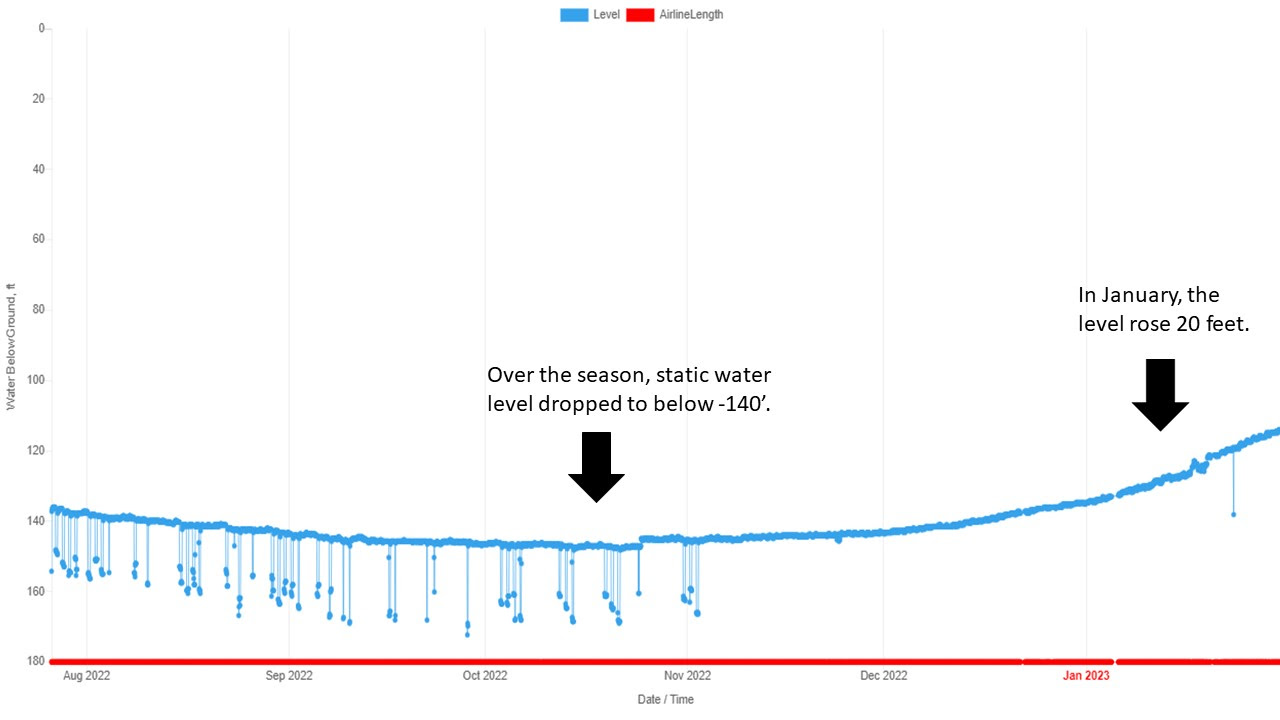
California was hit by some torrential rain in January. In our last post, we explored how that rain had affected soil moisture. In some cases, the water percolated right through and left the soil dry again. In other cases, the rain filled the soil to field capacity. It all depends on the soil’s water holding capacity. The rain we get now probably won’t have much of an effect on the coming season. By the time we get shoots pushing, even heavier soils will most likely need some water. That is assuming we don’t get some rain in the early Spring, when it really matters. Heavy rains can fill ponds as well as underground reserves of water. That’s where winter rain becomes important. Soil moisture in the early part of the season helps establish a canopy. At some point though, you may need to irrigate. It’s hard to do that if you don’t have any water. Last year Advanced Viticulture started an exciting partnership with The Well Bubbler. This device measures we
00

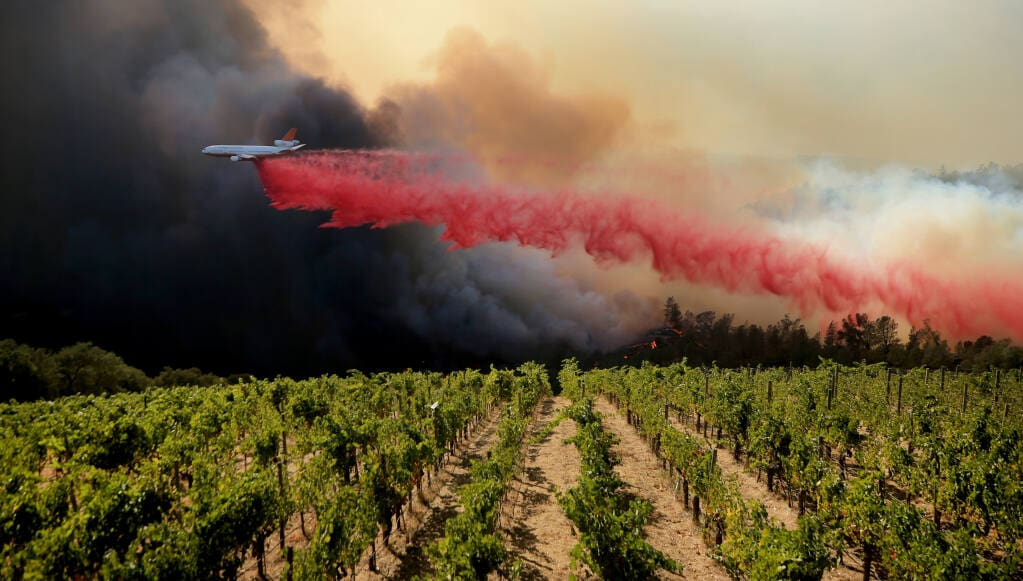
The wine industry’s innovation journey to solve winemaking issues begins with partnerships The impact of wildfires on grapes, wine and the bottom line is a steadily growing worry for the West Coast wine industry. Recent heavy winter rains are refilling reservoirs and aquifers, which will help alleviate, but not eliminate, wildfire risk. On the other hand, there will be more “dry grass” — the perfect fuel for wildfires to propagate. “Unfortunately, It’s very difficult to predict wildfires, and when they happen, one of the biggest problems is smoke taint in the wine, especially in California, Oregon, and Washington,” says Antonino Li Brizzi, CEO of Della Toffola USA, which serves the wine community. “Even half an hour of contact with the smoke caused by wildfires can be enough to contaminate the grape and the wine, making it unpleasant or frequently unsellable. Some of our customers have faced the risk of losing a vintage, which would impac
00