
Filter Post Type
NewsVideoProductEventLink
Sort:
Most Recent
1–8 of 8

April 9, 2026
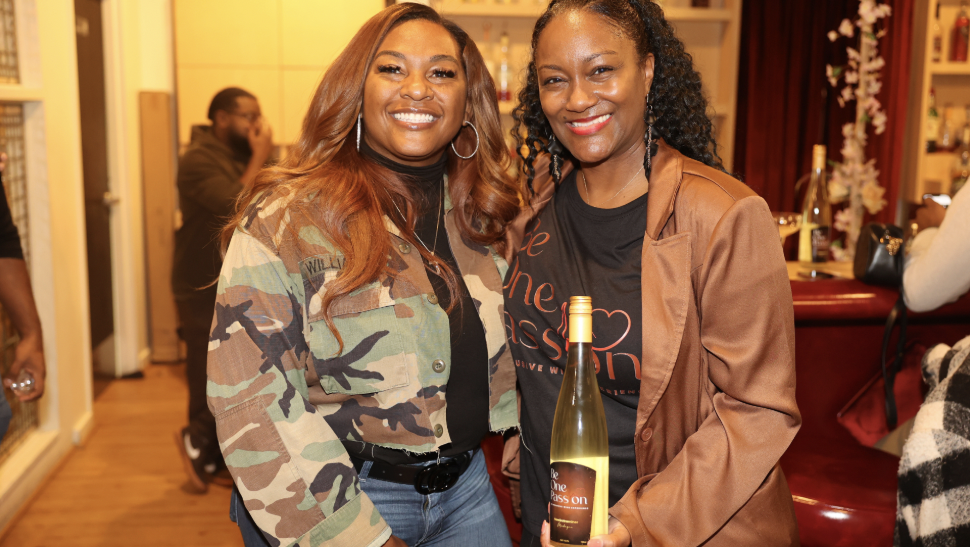
Michigan-based boutique wine brand brings its signature Gewürztraminer and curated tasting experiences to Illinois, DC, Maryland, and California Traverse City, MI and SAN JOSE, CA — April 9, 2026 — BeOnePassion, a Michigan-based boutique wine brand known for its vibrant Gewürztraminer and experience-driven approach to wine, today announced it has selected LibDib as its distribution partner to expand into four new markets: Illinois, Washington, DC, Maryland, and California, alongside its home market of Michigan. This expansion marks a significant milestone for BeOnePassion as it introduces its wines to a broader audience of buyers and consumers who value premium wines as part of a social, curated lifestyle experience where storytelling, aesthetics, and connection are as important as what’s in the glass. At the center of the launch is BeOnePassion’s signature Gewürztraminer, produced in Michigan’s renowned Old Mission Peninsula. The wine
00
Every winemaker knows that fermentation is a delicate dance between art and science. Behind every great wine lies a thriving microbial ecosystem—some organisms we invite, others we need to keep far away. Mastering that balance is what separates clean, stable wines from those plagued by faults, spoilage, or inconsistency. Fermentation: Harnessing the Right Microbes During alcoholic fermentation, controlling microbial populations ensures your chosen yeast strain dominates the process. This helps achieve a complete and predictable transformation of sugars into alcohol and COâ‚‚ without unwanted by-products that can dull aroma or flavor. In malolactic fermentation, Oenococcus oeni converts malic acid to the softer lactic acid, reducing sharpness and enhancing mouthfeel. But MLF is also a vulnerable moment: the wine’s natural defenses are low, and spoilage microbes can easily gain ground. When MLF isn’t desired, those bacteria must be inhibited completely to protect the wi
00
August 18, 2025
After a wet winter and a slow start to spring, California is now experiencing an unusually cool summer. While the extended hang time may sound ideal at first glance, many winemakers are concerned, and for good reason. Persistent cool, damp weather during the growing season brings with it an entirely different set of vineyard and cellar challenges, from disease pressure to delays in ripening. If you haven’t already, it’s time to start thinking about how this season’s cooler conditions may affect your fruit, and how to plan ahead to protect your wine’s quality. What’s the Problem with a Cool Summer? Cooler-than-average temperatures, especially when paired with humidity or late rains, can lead to several problematic outcomes in the vineyard: Delayed Ripening: Grapes take longer to reach phenolic maturity, and sugar accumulation may lag behind flavor development. This can result in unbalanced fruit and longer hang time on the vines. Increased Disease Pressure:
00

September 6, 2024
Spontaneous malolactic fermentation can be risky business for winemakers as it offers very little control over the microflora in wine. Some concerns include: Variable speed of MLF VA production Biogenic amines (e.g. histamine) Risk of MLF in the bottle (CO2!!) Opportunity for spoilage microbes like Brettanomyces, Acetobacter, and undesirable LAB species Unwanted sensory flavors Managing these risks is crucial to ensure consistent and high-quality wines.
00

This late 2023 vintage is showing some challenging conditions, especially for the ML Bacteria and the completion of the malolactic fermentation (MLF). We have solutions to help you successfully complete the MLF. MASTER MLF WEBINAR Co-inoculation with Oeno1 - Great solutions for the last lots coming in Co-inoculation, conducting alcoholic and Malolactic fermentation at the same time, offers numerous benefits: Creates an ideal environment for ML Bacteria, with lower alcohol, more nutrients available, less bacteria inhibitors, and warmer temperatures. Minimizes the risk of contamination and spoilage. Reduces oxidation risks. Less bound SO2, resulting in more efficient sulfiting and lower total SO2. Produces fresh, fruity, clean wines with better balance and fuller body. Saves time and costs Addressing concerns about acetic acid production is crucial when choosing the yeast/bacteria combination. Oeno1 is a robust Oenoccocus Oeni strain, selected fo
00


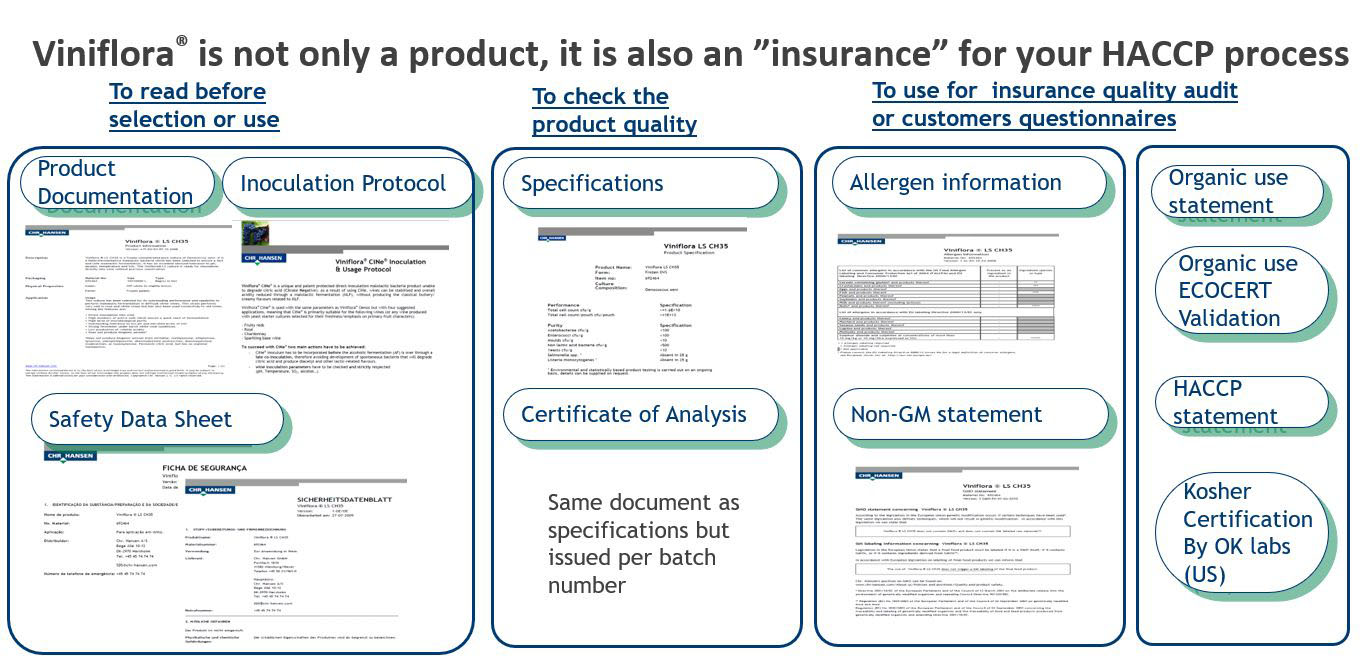
CHR. HANSEN WEBINAR: THE USE OF NON-SACCHAROMYCES YEASTS IN WINEMAKING Explore the yeast landscape – Saccharomyces cerevisiae and beyond How, when, and why to apply non-Saccharomyces yeast How non-Saccharomyces yeast can provide a positive sensory impact and be used as a tool against spoilage Selecting the proper Viniflora yeast strain for your wine Using pre-fermentative yeast to protect the must by preventing the growth of unwanted yeast and bacteria Differentiating your wine by aroma intensification, acid production, and mouthfeel perception through biological means CHR. HANSEN WEBINAR: MASTERING MALOLACTIC FERMENTATION Differences between various O. Oenococcus oeni strains Process of testing antibiotic resistance and biogenic amine production of bacteria How to select the proper Viniflora® bacteria strain for your wine The magic number of cells needed to start converting malic acid to lactic acid Best practices for troubleshooting stuck malolactic ferme
00

June 8, 2022
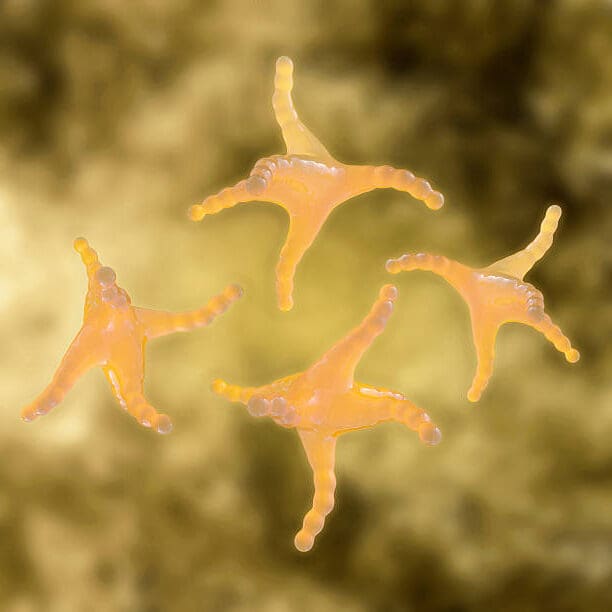
Biogenic Amine Toxicity: A Reality for Histamine-Sensitive Consumers
What are biogenic amines and why can they be a problem? By Deborah Parker Wong Most informed wine consumers have accepted the fact that sulfur isn’t the root cause of […]
00
As we are getting close to the end of harvest, we start to see slower end of fermentation. Toward the end of fermentation, the conditions for yeasts are not at their best: Low viable yeast population, Slow yeast metabolism, High alcohol, Low nutrients, Low temperature and Residual sugars… Waiting is not without consequences… A sluggish or stuck fermentation is an open door for microbial contaminations, which often result in VA production, Brett taint, biogenic amines, mousiness, … thus reducing wine quality. A sluggish or stuck fermentation also have some economic impact as it causes delay in production and requires specific wine treatments, labor intensive. Be proactive, don’t wait and finish fermentation right away. We have developed a successful, simple approach to finish fermentation, prevent stuck fermentation without the hassle of a restart. We recommend a late inoculation with 30 g/hL of L.A Bayanus, simply rehydrated with 30 g/hL of OenoStim
00