
Filter Post Type
NewsVideoProductEventLink
Sort:
Most Recent
1–10 of 43

For most wineries, marketing still follows a familiar path: email campaigns, wine clubs, tasting room experiences, and social media. These channels continue to drive direct-to-consumer sales, but they are also becoming increasingly saturated. Reaching new customers often requires more content, more spend, and more competition for the same audience. At the same time, another force is shaping consumer behavior at scale—film and television. A single streaming series can influence travel, dining, fashion, and brand awareness almost overnight. Within those moments, wine is already present. It appears in dinner scenes, celebrations, restaurants, and quiet evenings at home, serving as a natural extension of lifestyle and hospitality. Historically, however, the bottles used on screen have rarely represented real wineries. That is beginning to change. Wine product placement is emerging as a viable and strategic marketing channel for wineries looking to expand beyond traditional touchpoin
00
Your next customer will see your winery before they ever taste your wine. They'll see it on Instagram while planning a weekend trip. They'll see it on your website while deciding whether to book a reservation. They'll see it in an email while considering whether your wine club is worth joining. And in every one of those moments, they're making a decision based on what your visuals tell them about who you are. This isn't a trend. It's how people buy now. According to a 2023 study by Cloudinary and Harris Poll, 75% of online shoppers say product photos are the most influential factor in their purchase decisions. That number holds across categories, and it holds in wine. The difference is that wineries aren't just selling a product. They're selling an experience, a place, a feeling. Which means your visual content has to do more work than a product shot on a white background. It has to make someone want to be there. Most wineries know this on some level. Fe
00
February 10, 2026
After 30 years of moving up and to the right, the American wine industry hit a wall. Not a temporary slowdown or a soft patch. A structural shift that requires a fundamentally different marketing playbook. 2025 was the reality check. 2026 is the year wineries either adapt or watch their customer base age out beneath them. The data is now unambiguous: wine sales dropped approximately 6% in 2024, marking the steepest decline in decades according to SipSource industry data. More troubling than the headline number is what's driving it. This isn't a recession blip or a bad vintage. It's a fundamental realignment of who drinks wine, how they buy it, and what they expect from the brands they choose. Here are the five trends reshaping the US wine market and what they mean for your brand's survival. The Demographic Disruption The wine industry built its growth on one generation: Baby Boomers. That generation is now aging out. The Wine Market Council's 2025 U.S. Consumer Ben
00
“Peer to peer.” What are my neighbors doing? How are my neighbors doing, in relation to my winery? I’m all for running your own race, and doing what’s right for your own brand and your own business. I also understand that we live in a tight, relational ecosystem of wine. What’s happening with your peers matters and it can provide important perspective and context for what’s happening with you. This week I’d like to hover over two peer-to-peer perspectives. First up, our latest “snapshot” from January, highlighting key metrics across our entire dataset. For the first time we’re also including the WISE Triple Score, thanks to our newest partnership with the WISE team. Important takeaways from this community snapshot: Wineries gathered more customer data this January than last January, successfully building their databases for future marketing efforts. Winning wineries convert improved data capture and club conversion
00
January 30, 2026
This blog post summarizes the process by which licensed wineries can obtain local government approval for events in Napa County held pursuant to their California Department of Alcoholic Beverage Control (“ABC”) Type 93 Estate Tasting Permit. As discussed in our prior post, last year Governor Newsom signed into law AB720, granting California wineries that hold an ABC Type 02 winery license the ability to host events, up to 36 times per year, where they exercise tasting room privileges for wine manufactured by or for the winery on either: (1) property adjacent to the licensed premises or (2) a nonadjacent vineyard provided that such property or vineyard is owned by or under the control of the winery. (Cal. Bus. Prof. Code 23399.03.) Neither ABC nor Napa County have provided guidance as to what degree or proof of “control” is required. Under AB 720, these new Type 93 estate tasting events are also subject to local land use controls that can “restrict, but no
00
January 26, 2026

I’m pleased to introduce VINTAGE², a new education system created specifically for wineries that want to better understand how AI is reshaping marketing, communications, and brand visibility. VINTAGE² is not a tool or a software platform. It’s a practical, 101-level learning framework designed to help wineries evaluate how consumers now discover wine and wine experiences, what’s working in their current digital presence, and where AI can play a useful role without overwhelming teams or replacing what makes wine brands human. Why now? Because search behavior is changing quickly. Consumers are increasingly asking AI systems to recommend wineries, experiences, and bottles, and those systems can only surface brands they clearly understand. VINTAGE² is for winery owners, marketers, tasting room leaders, and communications teams who want a clear starting point to explore AI thoughtfully, at their own pace. Learn more here: https://weinheimergroup.com/vintage2
00
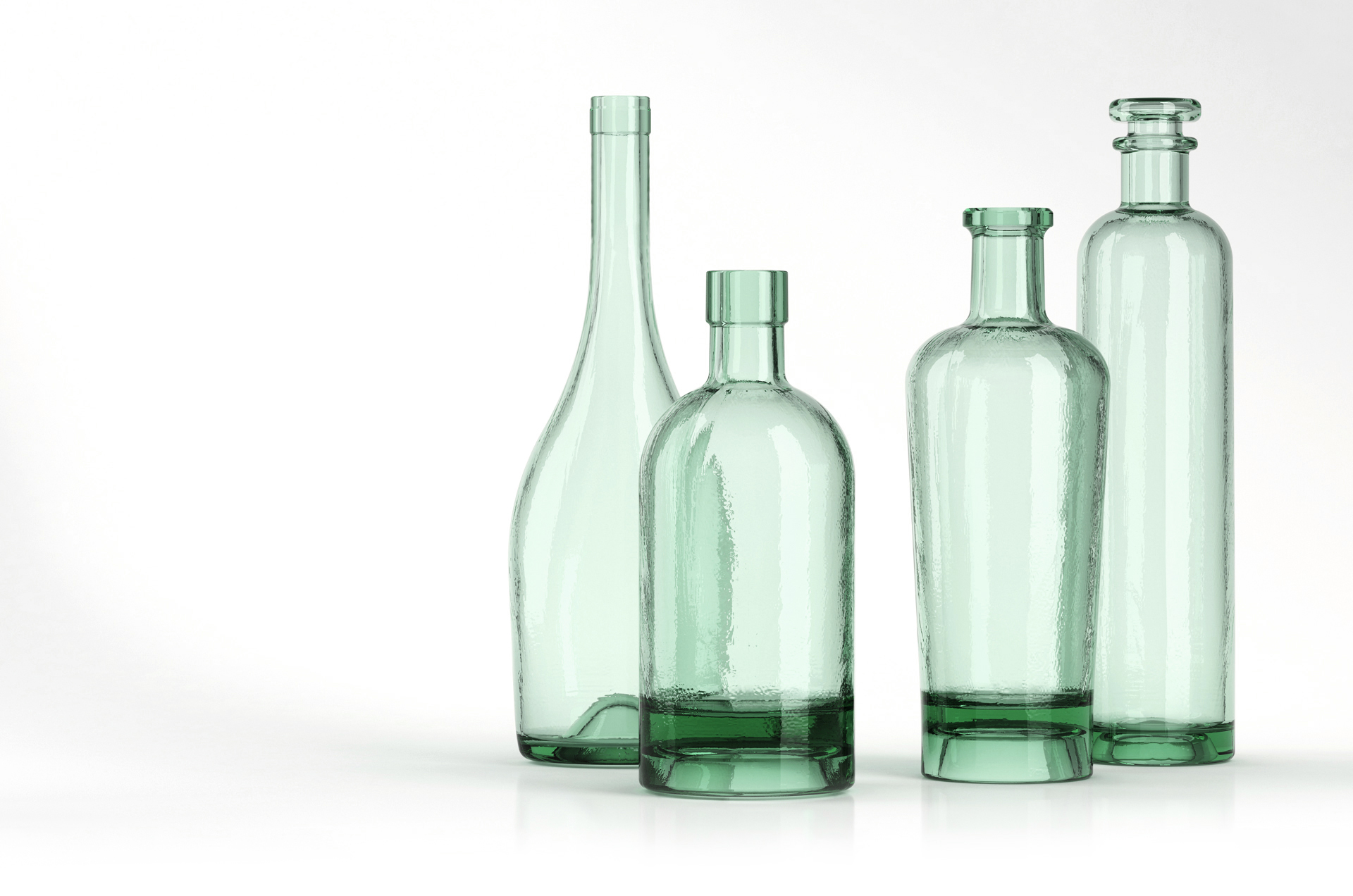
The global shift toward sustainability is palpable across nearly every sector. Within the wine and spirits industries, this movement has gained remarkable traction, driven by consumers’ increasing demand for environmentally responsible products. More pressure for industry to put sustainability at the center of all operations but also provides opportunities for businesses to flourish by staying ahead of the trends in innovative and sustainable advancements. Here are four sustainability trends to keep an eye on: Regenerative practices for wine and spirits Recent years have seen a boom in conscious agricultural practices through the philosophy that all aspects of agriculture are connected. This philosophy emphasizes the careful utilization of land management to restore and regenerate the ecosystems and land we use, leaving it in better health for future generations. Regenerative principles are a push back against traditional industrial agriculture practices which are respons
00

For years, discounting has been the default lever wineries pull to spark sales and reward loyal customers. But in today’s crowded marketplace, deep discounts can erode brand value and condition customers to buy only when the price drops. There’s a better way: loyalty points programs. Retention, without discounting, comes from making customers feel known, valued, and part of something special. They’ll stay not because it’s cheaper, but because it’s theirs. Instead of discounting away margin, wineries can encourage repeat visits and purchases by offering rewards that feel aspirational, personalized, and memorable. Loyalty points add up over time, giving guests a reason to come back again and again, all the while protecting your brand’s premium image. 10 Reasons Why Loyalty Points Work Shift from price to experience. Points reward frequency and engagement, not bargain hunting. The program should reinforce experience, access, and emotional loyalty, not
00
Bottle360: Redefining DTC Wine Sales Proven Bottom-Line Results The trend toward wine subscriptions and modernized membership formats relies on personalization. That means wineries need to tailor their messaging, pricing and communications to individual wine consumers. Making personalization flexible, is the most sought-after function in Direct-to-Consumer (DTC) programs, but many users find that their software makes it hard to accomplish. Bottle360 is tackling this challenge. “The tools a winery needs to boost new consumer sales and earn repeat orders have to be highly flexible to personalize customer experiences but also match the individuality and uniqueness of each winery,” says Katherine Adams, the CEO and founder of Bottle360. “That is why we focused on developing the right tools that offer versatile ways for the winery to transform how they connect with their potential customers and foster deeper loyalty with existing ones. Our goal is to increa
00

One standard marketing principle is “Don’t market to yourself.” In other words, just because a message or strategy makes sense to you, it does not mean it will resonate with your audience. We are human, and it is easy to fall into the trap of viewing the category, consumer, or competitive set in a way that may be informed but not relevant to the marketing challenge ahead. For instance, you may be considering Chardonnay as your competition, but consumers are making purchase decisions between your Chardonnay and all white wines on the shelf under $15. Talking directly to your customers is invaluable for confirming theories and aligning your messaging. Conducting research yourself—directly and intentionally—is often the most reliable way to avoid internal bias and align your strategy with actual consumer perspectives. One of the most accessible and common forms of primary research for wineries involves reaching out to their wine club members. Many wineries c
00