
Filter Post Type
NewsVideoProductEventLink
Sort:
Most Recent
1–10 of 23

October 21, 2025
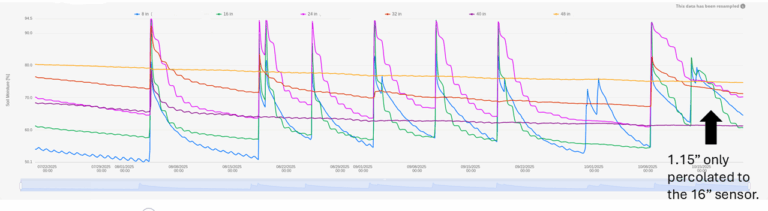
Hear me out Up and down the California Coast, we got some rain last week. Up North, places got around 1.3” with up to 2” closer to the ocean. Down south in Paso Robles, we’re looking similar numbers of between 1.5” and 2”. So, one would naturally think that if we were irrigating post-harvest (as we highly recommend), we can stop now. As you may have suspected by the title of this article, that may or may not be the case. Profile Picture Here at AV, we love looking at soil moisture charts. However, in the case of rainfall, it can be misleading. Looking at the graph below, you can see that irrigations produce a clear spike indicating how deeply water percolated and how long it took to be completely depleted by plant roots. Rain doesn’t deliver the same concentrated volume you’re used to getting with a drip emitter. Therefore it doesn’t infiltrate the soil in the same way. You may see shallower percolation from the inch plus of rain we got
00
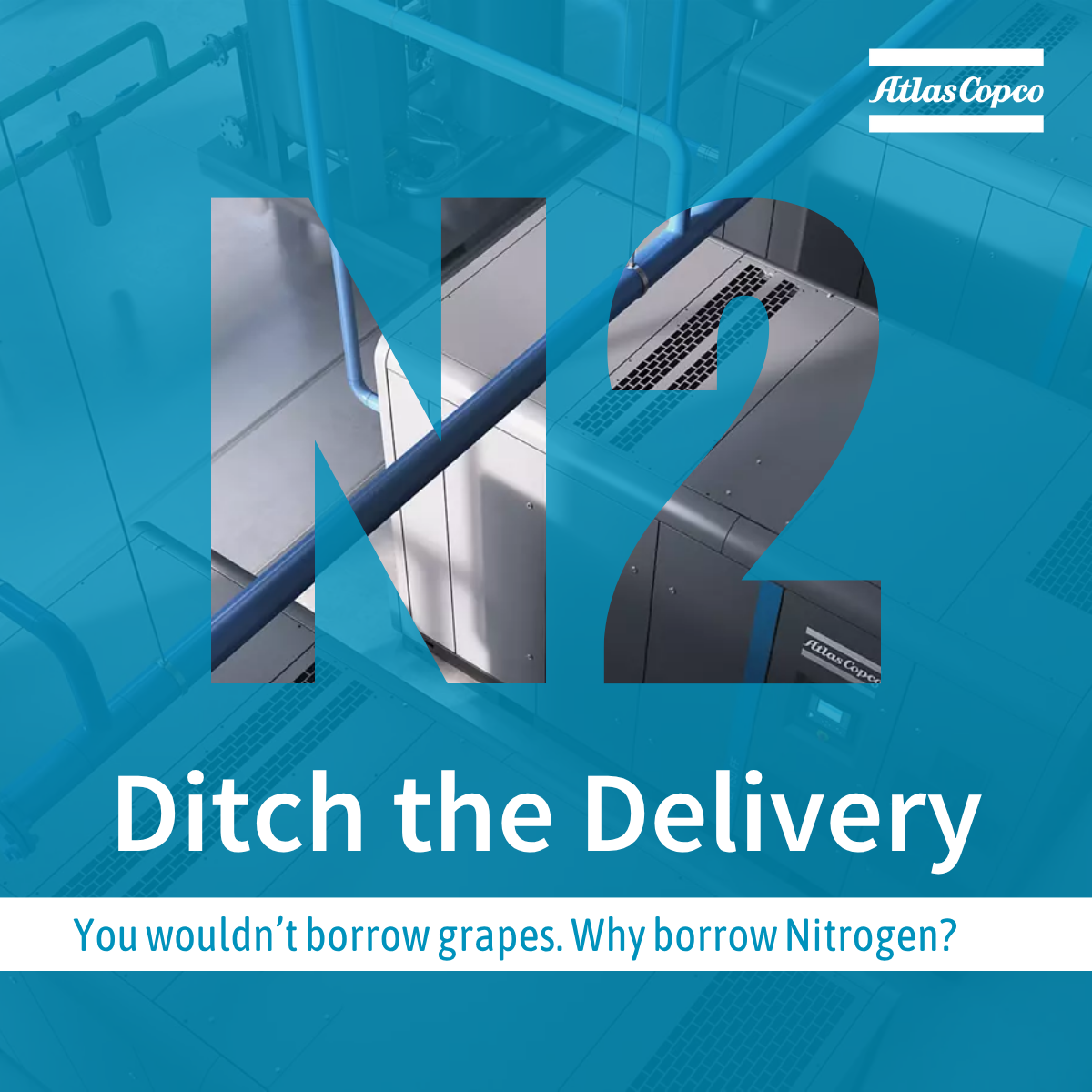
Ditch the Canisters, Improve the Quality Why let bulky nitrogen tanks and unpredictable delivery schedules disrupt your winemaking process? Atlas Copco’s nitrogen generators put you back in control, right on site. With reliable, high-purity nitrogen available 24/7, you can protect your wine from oxidation at every stage, from fermentation to bottling. Say goodbye to rental fees, downtime, and the space-eating cylinders. Rather, say hello to a safer, more efficient cellar. Your Wine Deserves the Best Generating nitrogen onsite means fewer interruptions, better wine stability, and a more sustainable operation. Whether you're blanketing tanks, purging lines, or preserving headspace during bottling, Atlas Copco’s PSA and membrane nitrogen generators deliver what your wine needs, when it needs it. Already have an air compressor? You’re halfway there. Let’s level up your wine protection with a nitrogen generator.
00
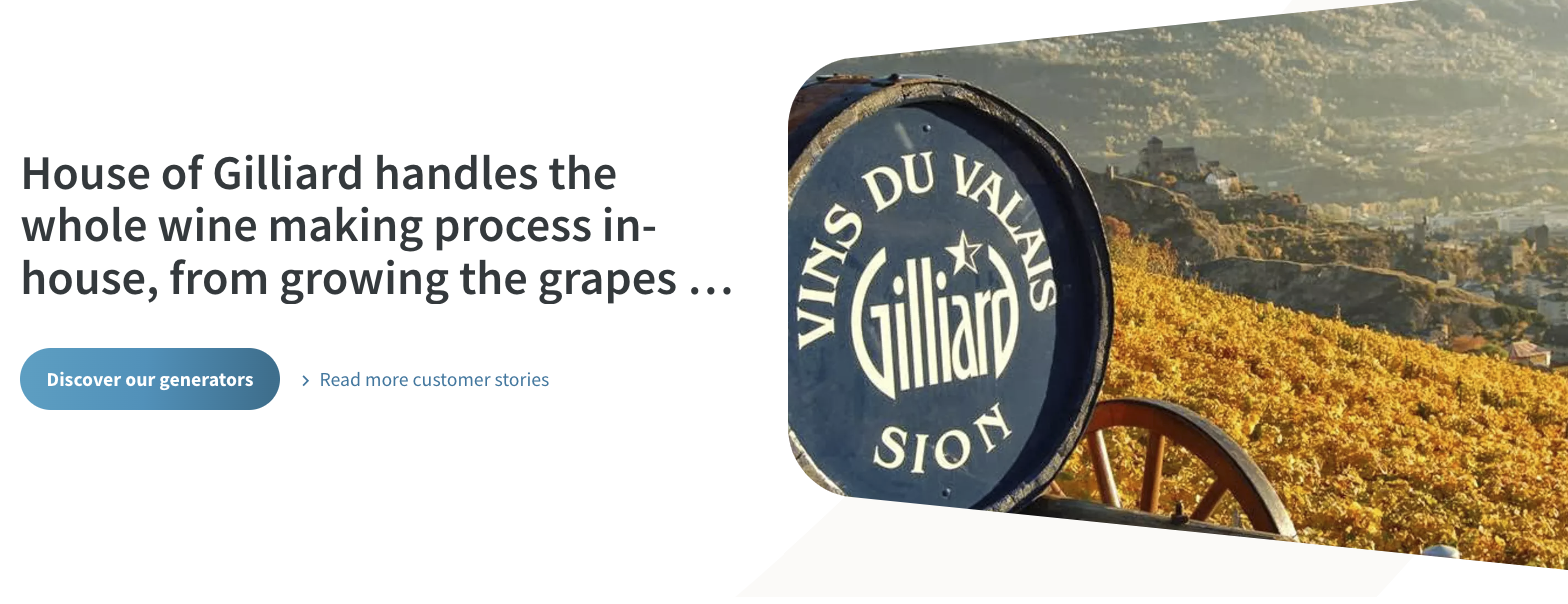
House of Gilliard The tradition of the House of Gilliard in Switzerland goes back to the 19th Century, with the today famous Dôle des Monts wine. The winery handles the whole wine making process in-house, from growing the grapes to bottling. Achieving wine of the highest quality requires a command of the whole production process. Gilliard’s wine masters rely on Atlas Copco to help them with this task. The House of Gilliard has equipped its production site with two Variable Speed Drive (VSD) compressors and a nitrogen generator. Thanks to this installation, the wine house has on-site nitrogen and does no longer need to purchase nitrogen in cylinders. The advantages are obvious: the Gilliard house saves time, money and energy thanks to its on-site nitrogen. Nitrogen, the hidden ingredient Cultivating grapes, harvesting and wine making: the delicate process of producing wine always ends in bottling, which requires compressed air and nitrogen. The compressed air powers vario
00

April 7, 2025
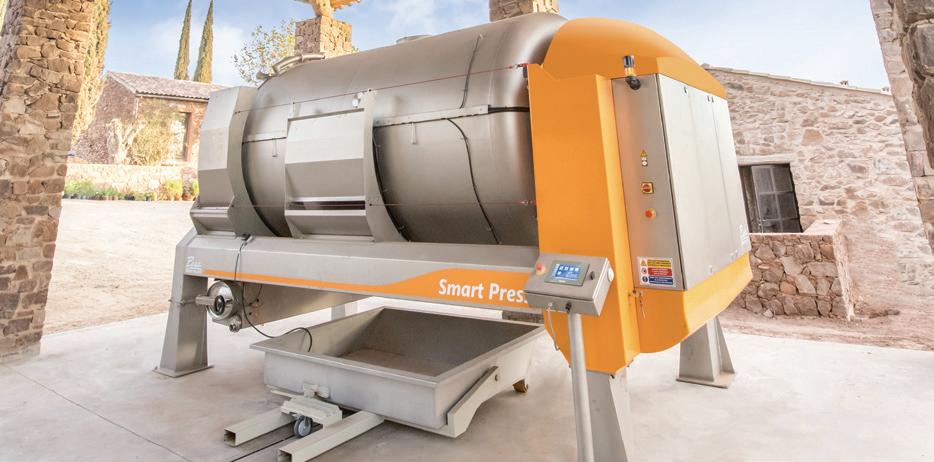
The new Smart Press range of pneumatic presses meets the needs of the most demanding winemakers. These presses are equipped with the latest innovations. The Fast Press drainage grids and the smart pressing system allow optimal use of the press to extract high quality juices. The Smart Press range of pneumatic presses, from 20 to 150 hl, with open or closed cage, meets the needs of all types of cellar. The Smart Press by Pellenc is designed with one goal in mind: to deliver exceptional juice quality while optimizing time, energy, and labor. From the first drop, juices are directed into a closed, inerted vat, protecting delicate aromas and preserving vibrant color. Easy Press 2 smart pressing cycles maintain consistent quality, while self-filtering through the press cake ensures clear, non-cloudy juice. With built-in Ingas and Enoxy+ systems, oxidation is minimized at every stage, resulting in better-protected, more valuable juice. Beyond quality, the Smart Press is a cost-effective solu
00
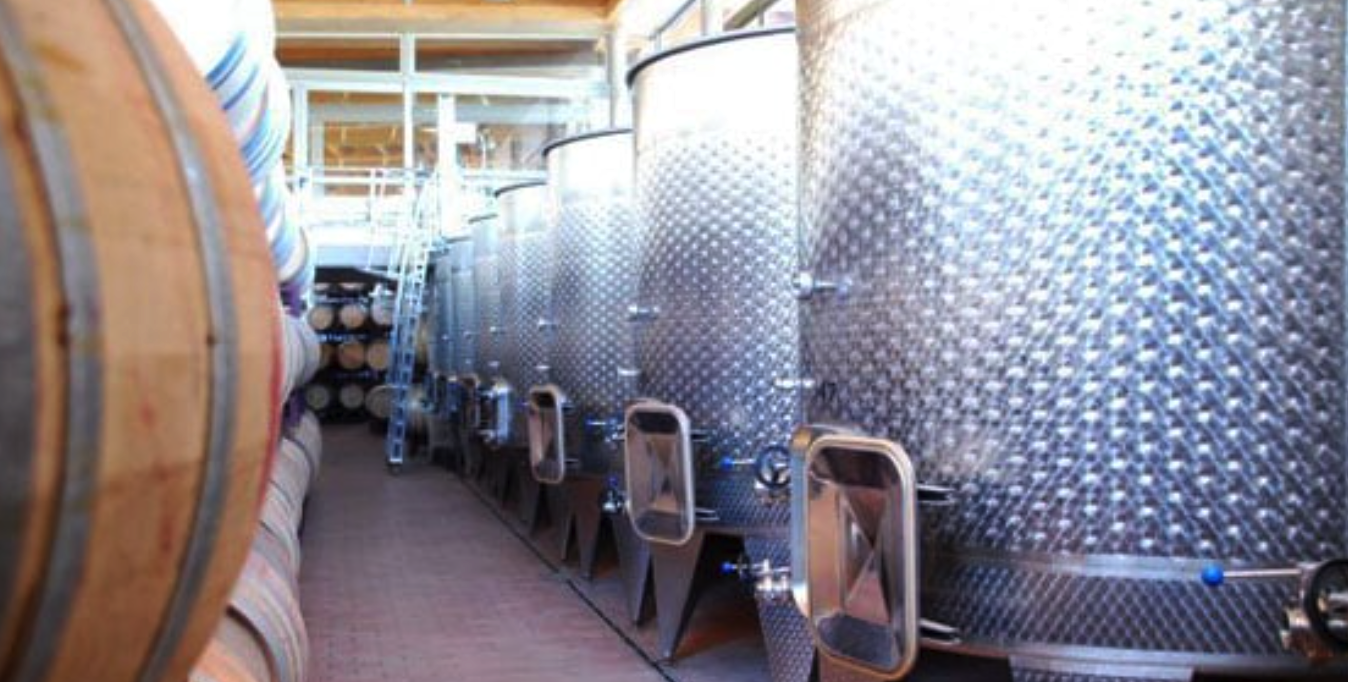
When it comes to winemaking, the tools and techniques used behind the scenes can significantly influence the quality of the final product. Air compressors are a versatile and indispensable part of the process. From maintaining a pristine production environment to aiding in critical processes, they play a key role in ensuring wine quality. In this guide, we’ll explore how air pressure impacts wine quality and how winemakers can effectively use air compressors to elevate their craft. The Role of Air Compressors in Cleaning and Sanitation Cleanliness is the foundation of great wine. Any contamination during the winemaking process can ruin an entire batch. Air compressors assist in maintaining strict hygiene standards by powering tools used for cleaning barrels, tanks, and other equipment. Compressed air enables high-pressure washing systems to reach even the smallest crevices, ensuring that bacteria and residues are thoroughly removed. By maintaining an ultra-clean environment, win
00


Activated Sludge: A brownish flocculent of bacterial organisms developed in aeration tanks. Activated Sludge Process: Method of eliminating pollution in wastewater. Oxygen is released into tanks containing dissolved organic substances. Bacteria in the tanks break down the organic pollutants. Water is then separated from the activated sludge and discharged. Most of the sludge is reused in the treatment process; the remainder is disposed of per local wastewater regulations. Aeration: Process of bringing air into contact with a liquid. It can be developed using natural wind on a pond or by injecting air into an aeration tank. Aerobic Bacteria: Bacteria that require free oxygen for growth. Aerobic Wastewater Treatment: It uses bacteria to break down waste; the bacteria require the presence of oxygen to live and thrive. Anaerobic Bacteria: Bacteria that grow without the presence of free oxygen; it derives oxygen from breaking down waste Anaerobic Wastewater Treatment: Uses bacteria to brea
00
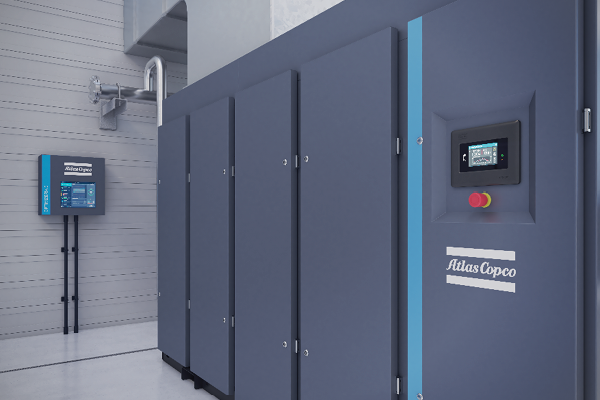
Controlling the oxygen level in wine is critical to the winemaking process. Too much oxygen can result in a shorter shelf life, color loss or browning, a shift from fresh and fruity to off-note aromas, a flat taste, and a thin, lackluster mouthfeel. Too little oxygen can lead to stuck fermentations, sulfury off-tastes, tannins that fail to soften, underdeveloped aromas, and a lack of complexity. The winemaker's solution is to eliminate oxygen in different stages of the winemaking process, including sparging, transferring the wine, and bottling. In sparging, nitrogen gas is bubbled through the wine to remove any suspended oxygen in the liquid. In the transfer process, nitrogen pushes the wine from vessel to vessel or into the final packaging. In bottling, nitrogen evacuates oxygen from the bottle's headspace to extend the wine's shelf life. There are many other applications, making nitrogen gas an essential tool in the cellar. Shrinking Nitrogen's Cost "The #1 con
00

Cheer to 30 Years! Thanks to our supporters and members, Vineyard Team has grown from a grassroots organization to a multi-award-winning leader in the sustainability movement. Since 1994, the non-profit has served farmers, winemakers, and industry partners by creating an educational network with the leadership of its staff and board of directors. We value your support over the last three decades and will continue to help you cultivate valuable relationships. Here is a Quarterly Update from our Executive Director, Beth Vukmanic: Events coming up in 2024… In 2023, we had 372 attendees at 8 Tailgates hosted by 7 venues (including one Webinar). 3/14 | Power Up: Sustainable Energy 4/10 | Vine to Wine Water Treatment 4/12 | Fungicide Spraying: Reduce Your Carbon Footprint & Financial Burden 5/15 | The Ins & Outs of Developing a New Vineyard Site Get registered for all of this year's Tailgates today. Regulatory Relief Managers of SIP Certified vineyards can save ti
00
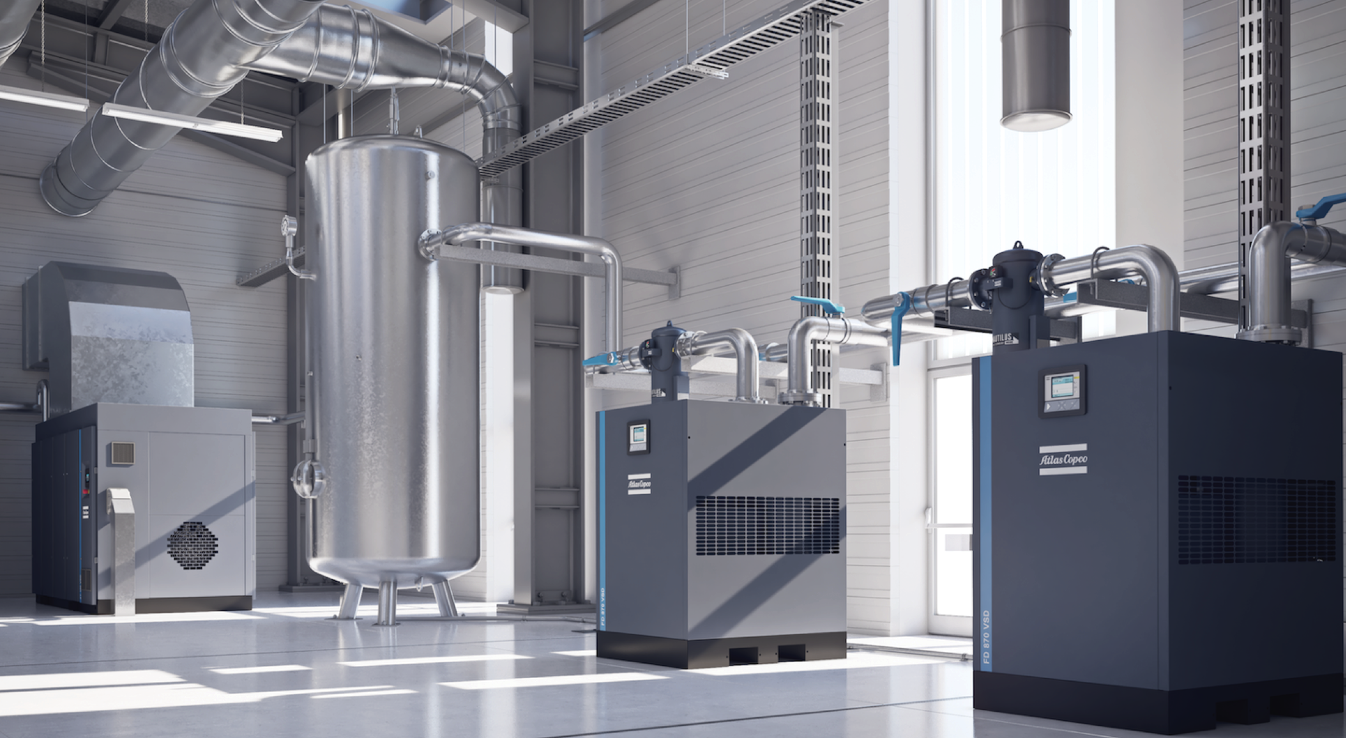
A new year means a fresh start and new resolutions. But have you thought about a resolution for your compressed air system? Doing so can lead you to energy recovery and added efficiency towards your operations. If you're not sure where to start, check out our five suggestions to think about as we kick off the new year. Take a look UP Your piping system could be the key to significant savings. With an air leak estimated to cost around $2,500 per year, those pipes are a potential goldmine for savings. Remember that not all air leaks are audible, so ultra-sonic equipment might be needed to inspect those pipes thoroughly. If you’ve never had an AIRScan, make 2024 the year to put that right. www.atlascopco.com/tagit Energy Recovery Did you know that an air compressor could also be the key to reducing fossil fuel usage? By reusing the heat of compression, you can get a head-start on the need for warm water and, as one example, save thousands on your heating bill. In many instances
00
If your business is a regular nitrogen consumer, you’re likely aware of the challenges of bringing in bottled nitrogen. As many wineries have already done, it may be time for you to consider on-site nitrogen generation and the economic and environmental wins that come along with it. The good news about generating on-site nitrogen is that you’re halfway there if you already have an air compressor. You only need a connected nitrogen generator unit to generate your nitrogen in-house.
00