
March 1, 2026
Cyber Week Winery Marketing Strategies to Boost Holiday SalesCyber Week Winery Marketing: Planning Smarter, Selling Stronger
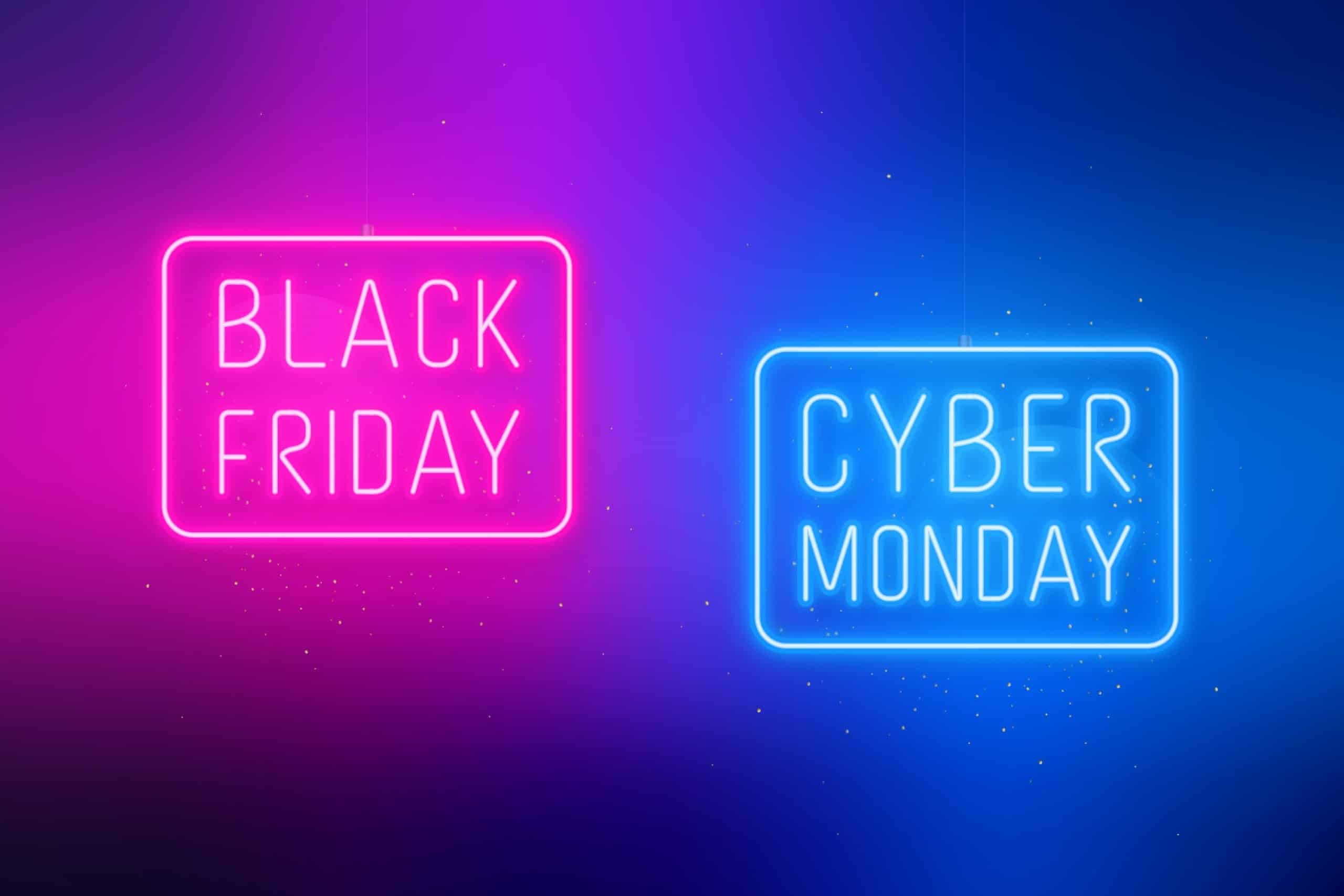
Cyber Week is almost here, and consumers are primed to buy. For wineries, it’s not just a chance to move inventory — it’s a chance to win new fans, reward loyal members, and end the year strong.
The goal isn’t simply to discount — it’s to strategically position value, create urgency, and make buying feel effortless. Whether you’re a small family-run tasting room or a multi-location brand, these proven strategies will help you get the most out of the week.
1. Build Anticipation Before the Week Begins
Cyber Week success starts long before Friday. The wineries that win start warming up their audience early — building curiosity, boosting email sign-ups, and reminding people why they love their brand.
Ideas to get the buzz going:
- Add a countdown banner or homepage teaser with “Our biggest offer of the year starts soon.”
- Send a “save the date” email to your list and wine club.
- Share short, behind-the-scenes videos on social — prepping shipments, wrapping bundles, or labeling bottles.
- Offer a sneak peek or early RSVP for club members (“Want first access? Join our club by Tuesday!”).
Tip: Use pop-ups to build your email list as traffic rises — offer early access or a small reward for signups.

2. Create a Plan for the Whole Week — Not Just One Day
Cyber Week isn’t a one-and-done sale. The best-performing wineries map out the entire week with a clear rhythm that keeps customers coming back.
Example timeline from the playbook:
- Tuesday: Wine Club early access (limited bundles, member-only discounts)
- Wednesday: VIP/high-spender email (personalized recommendation + shipping perk)
- Friday: Black Friday launch to the public (limited quantity messaging)
- Saturday: Small Business Saturday focus on local pickup and gift sets
- Monday: Cyber Monday flash sale or “final hours” push
Each day gives a different audience a reason to act. It also keeps your brand top of mind all week long.

3. Offer Value That Feels Intentional
Shoppers expect deals during Cyber Week — but how you structure those deals determines whether it builds loyalty or cheapens your brand.
Instead of blanket markdowns, create offers that tell a story or solve a problem:
Smart offer ideas:
- Themed bundles: “Wines for the Holiday Feast,” “Holiday Hosting Kit,” or “Sparkling Wine Lovers.”
- Tiered discounts: “Buy 3, save 10% — buy 6, save 20%.”
- Free shipping threshold: “Free shipping on orders over $150.”
- Gift with purchase: A tasting voucher, branded wine key, or handwritten note from the owner.
Position these as exclusive moments, not clearance events — something only available once a year.

4. Polish Your Digital Shelf
Think of your website as your tasting room — every touchpoint should make it easy (and enticing) to buy.
Quick win checklist:
- Update product photography with holiday-themed imagery or background color.
- Write fresh, holiday-specific copy for bestsellers (“Perfect for your holiday table” or “A cozy red for winter nights”).
- Add a dedicated Cyber Week landing page with all offers in one place.
- Use countdown timers on banners and product pages to build urgency.
- Double-check that your mobile checkout is flawless — fast load, quick pay options, and clear shipping cutoffs.
If you’re on Corksy’s web platform, tools like countdowns, banners, and holiday pop-ups can be added in minutes — no plugins or coding.
5. Segment and Automate Your Campaigns
You don’t need a massive marketing team to pull off a big Cyber Week campaign — automation can do the heavy lifting.
Ways to simplify and personalize:
- Schedule emails ahead: pre-sale announcement, launch, reminders, “final hours.”
- Use tags or filters to send specific offers to club members, high spenders, or past buyers.
- Turn on abandoned cart emails — even a 24-hour reminder can recover lost sales.
- Automate post-purchase thank-yous with pairings or serving ideas.
Tip: Corksy’s automation tools make these flows easy to build and personalize without leaving your dashboard.
6. Leverage Social and Paid to Build Momentum
Cyber Week is noisy, but the right combination of content and ads can keep your winery visible.
Organic ideas:
- Post daily on Instagram or Facebook Stories with reminders, bundle features, and short countdowns.
- Go live from the tasting room or share quick “team pick” videos.
- Encourage fans to tag you when they open their orders — social proof sells.
Paid ideas:
- Retarget people who visited your site in November but haven’t purchased.
- Boost your top-performing organic post instead of starting from scratch.
- Run an “early access” ad for club signups the week before Black Friday.
If your ads, emails, and website all tell one consistent story, shoppers will remember — and trust — your brand faster.
7. Make Post-Purchase Communication Personal
The sale isn’t the end — it’s the start of your next relationship.
A well-timed follow-up can turn a Cyber Week buyer into a year-round customer.
Post-sale best practices:
- Send a thank-you email that includes serving suggestions or winemaker notes.
- Follow up with a club invitation two weeks later.
- Add new buyers to a holiday gifting drip (great for New Year promotions).
- Ask for a quick review or social tag to build momentum for next year.

Small touches build long-term loyalty — especially when your competitors go silent after the sale.
8. Measure What Worked and What Didn’t
Once the rush slows down, take time to look back.
Use your sales reports, email metrics, and web analytics to understand what moved the needle.
Ask yourself:
- Which products or bundles performed best?
- What messages got the most clicks?
- Which day of Cyber Week drove the most conversions?
That data is your foundation for next year’s playbook.
If you’re using Corksy, the analytics dashboard gives you these insights instantly — sales by product, discount code performance, customer spend, and more.
The Takeaway: Plan Early, Personalize Often, and Keep It Human
Cyber Week is the most profitable time of the year for wineries — but it’s not about shouting the loudest. It’s about planning smart, communicating clearly, and using data to make each interaction more personal.
Whether you sell 500 cases a year or 50,000, these same fundamentals apply. Start early, stay consistent, and keep the customer experience front and center.
📘 Download the Corksy BFCM Playbook for the full checklist, timeline, and real examples from wineries that nailed Cyber Week last year.
🷠Want to see how Corksy’s tools can simplify your holiday campaigns? Book a quick demo and we’ll walk you through how to segment, automate, and sell more wine this season.
March 1, 2026
Transform Your Winery into a Must-Visit Destination with 10 Innovative StrategiesOver the past few years, wineries have seen tasting room visits decline as consumer habits shift. With more options than ever, visitors are looking for something special—experiences that go beyond just sampling wine. For many wineries, this means rethinking how they engage guests and creating a place people want to come back to.
This guide explores how wineries across the country are turning their tasting rooms into destinations—balancing local charm, modern convenience, and genuine hospitality.
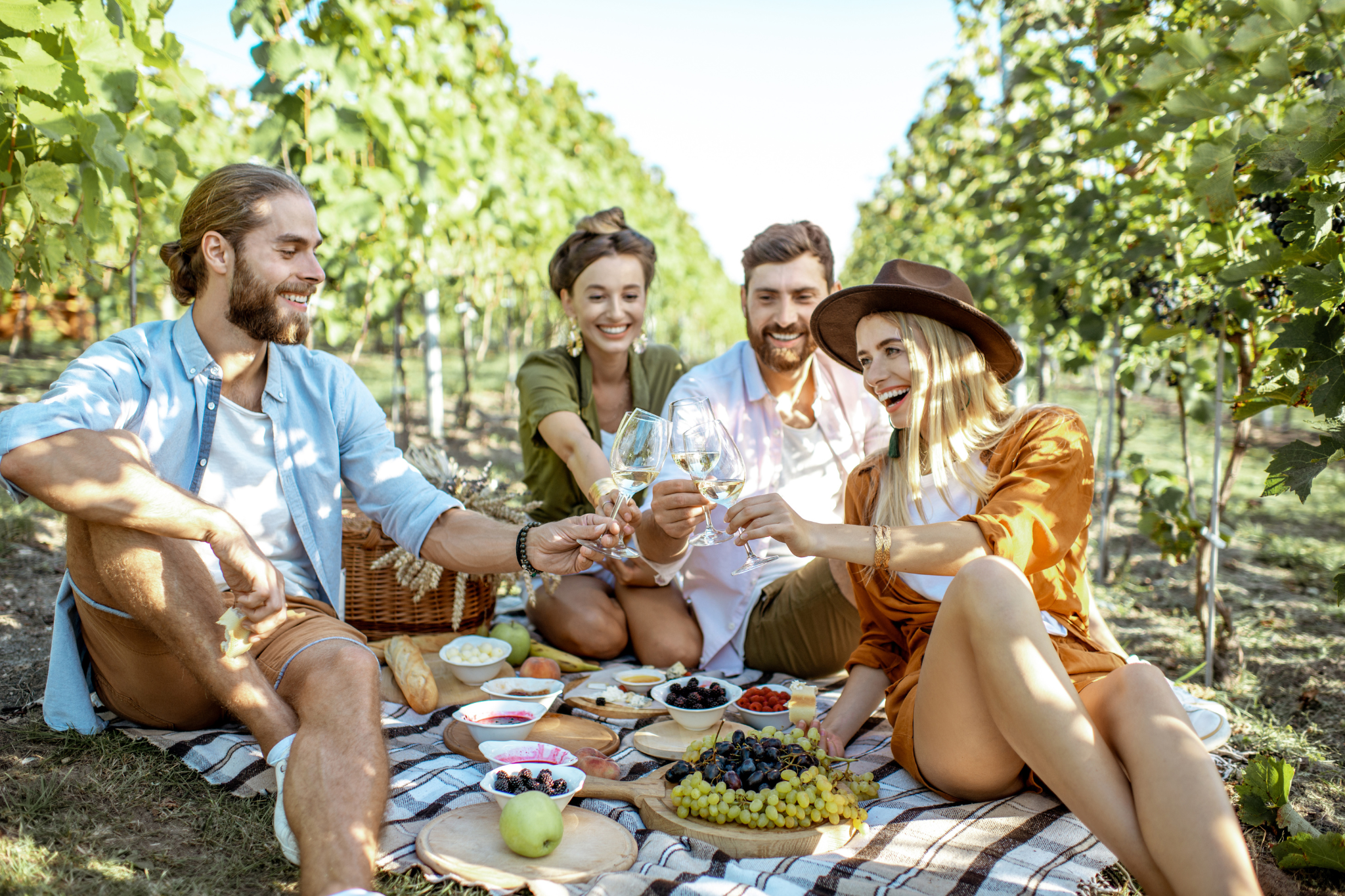
Create Unique, Social Experiences
In today’s market, wineries that stand out provide more than just a tasting—they create memorable, shareable experiences that make guests want to stay longer and come back.
- Enhancing the Atmosphere with Music: Music adds energy and can make an ordinary tasting feel like an event. Hosting live music, whether it’s a local band or acoustic performer, brings people together and keeps them engaged. Many wineries schedule music on weekends to attract crowds, letting guests relax, sip, and enjoy the vibe.
- Hands-On Winemaking Events: Take the guest experience a step further by offering interactive sessions like blending workshops or harvest activities.
- Curated Pairing Dinners: Partner with local chefs to create pairing dinners that go beyond typical food and wine pairings. These can feature seasonal ingredients and creative presentations, like smoky effects or special lighting, making the meal an unforgettable experience. It’s an elevated, modern approach that resonates with guests looking for something unique to post and share.
- Personalized Tastings for a Tailored Experience: Many wineries have moved away from traditional tastings, but there’s still value in offering a more personalized option. Creating a dedicated space or reserving private areas for more formal tastings gives guests a deeper connection to the wine.

Curate Instagram-Worthy Spaces Without the High Cost
Wineries don’t need million-dollar buildouts to be photo-worthy.
Many emerging regions embrace rustic charm—polo fields in Virginia, metal barns in Texas, and lakeside patios in Michigan. It’s not about grandeur; it’s about authenticity.
Use what makes your winery unique to craft a memorable, photo-ready experience.
- Highlight Unique Spaces & Decor: If your winery has distinctive features—like a rustic barn, scenic overlook, or historic architecture—lean into those qualities. Adding simple decor touches like creative seating, string lights, or vintage furniture can make a big impact.
- Utilize the Landscape: Some of the best photo ops are already part of your surroundings. Beautiful vineyard views, cozy barrel rooms, and outdoor patios are natural backdrops that encourage guests to snap and share. Set up comfortable spaces in these areas to make your winery an inviting destination that shines on social media.
- Storytelling Through Every Touchpoint: Your winery’s story is part of what makes it unique. Make sure visitors can experience it everywhere, from your website to the tasting room. Consider using iPads, screens, or wall displays to showcase your vineyard’s history, sustainability practices, or winemaking philosophy. Giving guests a way to connect with your story on their own makes the experience more meaningful.
Welcome Families and Pet Owners with Inclusive Spaces
As visitation declines in some regions, wineries that adapt to meet the needs of younger consumers are seeing a positive shift. Many young adults today have families and pets, and they’re searching for relaxed, family-friendly destinations where everyone can enjoy themselves. By creating a welcoming environment, wineries can tap into this growing demographic, which values shared experiences over traditional wine tastings alone.
- Family-Friendly Days or Hours: Offering specific family-friendly hours or designated days of the week can create an inviting atmosphere for guests with kids. Wineries in places like Texas and Virginia have successfully boosted visitation by providing kid-friendly spaces, outdoor games, and picnic areas that let families relax and enjoy the day. Simple touches like this show younger visitors that your winery welcomes families and creates a stress-free space for everyone to unwind.
- Dog-Friendly Areas: Many guests want to bring their pets along, so adding dog-friendly patios or outdoor areas is an easy way to attract more visitors. With pet-friendly zones, your winery becomes a go-to spot for dog owners who want to relax with a glass of wine in hand and their furry friends nearby.
Corksy clients in these markets are using Corksy GO to simplify service in open-air environments—taking orders, managing tabs, and selling bottles on the go, whether guests are at picnic tables or seated near the stage.
 Corksy GO allows wineries to sell anywhere, any time with built-in LTE and wi-fi options.
Empower Wine Club Members as Ambassadors
Your wine club members are some of your best advocates. Turn them into organic ambassadors by giving them reasons to bring friends and family, naturally expanding your reach through genuine connections.
- Invite-Only Perks: Elevate the experience for club members by creating exclusive, invite-only spaces or events, like private tasting lounges, seasonal parties, or behind-the-scenes tours. When members have access to special areas or experiences, they’re more likely to share the experience by inviting friends along to join the fun.
- Fun Referral Incentives: Instead of standard discounts, try unique rewards like a complimentary glass for each new friend they bring, or access to limited-release wines. You could even offer a “Bring a Friend” day, where members can bring a guest to enjoy exclusive benefits, turning every visit into a memorable experience.
- Member-Hosted Events: Allow wine club members to host small gatherings or private events at your winery with discounted group rates or a complimentary tasting for their group. This can make members feel valued while introducing your winery to new guests in a relaxed setting.
- Friends-and-Family Membership Trials: Offer club members the chance to gift a short-term "trial membership" to friends or family. This lets guests experience club perks for a limited time, making them more likely to join after enjoying the exclusive benefits. Tip: Do this during a typically "slow" month to increase sales by allowing non-members to use membership benefits for a week.
Rethink Your Reservation Policy and Operating Hours
Flexibility can make your winery more accessible, especially for spontaneous visitors or locals. While some wineries require reservations, loosening this policy can open the door to a broader audience.
- Open-Door Policy: Evaluate whether you need reservations at all, or if you can keep a flexible walk-in policy, particularly during off-peak hours. Letting people drop in without booking in advance can encourage spontaneous visits, especially from locals.
- Hybrid Reservation Options: If reservations are necessary, consider a hybrid model where some areas remain reserved for walk-ins. This way, guests still have the option to drop by, while pre-booked visitors enjoy guaranteed spots.
- Flexible Hours: Extending your hours for evenings or weekdays can bring in guests looking to unwind after work or visit during quieter times. “Local Nights” with special discounts or live music can add to the appeal, encouraging midweek visits.
- Regularly Walk the Customer Journey: Periodically experience your winery from a guest’s perspective. Test the entire journey, from navigating your website and making a reservation to parking and entering the tasting room. This practice helps identify any areas that could be improved to create a smoother, more enjoyable experience for visitors.
Streamline with Self-Serve and Prepaid Options
Managing staffing levels can be challenging—especially if you currently operate by appointment only and are wanting to accept walk-ins. By adding self-serve options, you can enhance the guest experience and create a more efficient, flexible operation.
- Wine-by-the-Glass Stations: Set up dedicated areas where guests can easily grab a glass or bottle without needing full-service attention. This allows visitors to enjoy a relaxed, self-paced experience, perfect for busy times or when staffing may be limited.
- Prepaid Self-Serve Stations: Some wineries are investing in prepaid pouring stations like this one, where guests can swipe a card or wristband to sample wines by the ounce. While these stations come with upfront costs, many see them as a worthy investment to reduce staffing needs and provide guests with a unique, interactive way to explore wines. It’s also a great conversation starter that appeals to tech-savvy visitors and encourages a leisurely pace.
Expand Your Drink Options to Welcome All Guests
Adding non-alcoholic options and a variety of other drinks can make your winery more inviting for everyone. Offering non-alcoholic wine, mocktails, or wine slushies gives non-drinkers and designated drivers something to enjoy beyond just sodas and water.
- Non-Alcoholic and Mocktail Options: Including non-alcoholic wines or custom mocktails makes sure non-drinkers feel part of the experience. It’s a simple way to ensure everyone has something interesting to sip on, even if they aren’t drinking alcohol.
- Wine Cocktails and Slushies: Wine-based cocktails and slushies can add a fun, seasonal twist to your menu, especially in the warmer months. These unique options often attract younger crowds and create photo-worthy moments that guests love to share.
- Local Beer or Cider: Carrying a few local beers or ciders is a great way to cater to different tastes, drawing in visitors who might not typically stop by a winery. This flexibility broadens your appeal across generations and gives everyone a reason to enjoy your space.

Engage Your Local Community with Partnerships and Events
Getting involved locally is a great way to make your winery a real part of the community. By teaming up with nearby businesses, artists, and vendors, you can create events that attract locals and new visitors alike.
- Local Vendor Pop-Ups: Invite local artisans, food trucks, or musicians to set up at your winery. These events bring a fresh crowd and make the atmosphere lively and welcoming. Guests get to enjoy more than just wine—they experience a bit of the local flavor and community.
- Inventory Discount Days: To boost weekday visits, consider hosting discount days where locals or wine club members can get special deals on select bottles. It’s a simple way to show appreciation to your community, keep foot traffic steady, and clear out older inventory at the same time - a win-win!
- Engage Locally Through Events and Partnerships: Local events are a great way to reach new audiences. If allowed, set up a booth at your local farmer’s market or participate in regional festivals to showcase your wines. Also, building relationships with tour operators, local hotels, or Airbnbs can put your winery on the map for visitors, who may include you in their travel plans.
Boost Your Visibility with Local SEO and Google My Business
Making sure people can find your winery online is key to bringing in real-world visitors. Local SEO and an updated Google My Business profile can help you stand out and attract more guests.
- Keep Google My Business Updated: Regularly update your Google My Business profile with upcoming events, special offers, or unique experiences. When someone searches for local things to do, having all the latest info on your profile makes it easy for them to choose your winery.
- Use Local SEO: Include location-based keywords on your website and blog, like “family-friendly winery near [city]” or “dog-friendly winery in [region].” This helps you show up in local searches and reach people who are already nearby and looking for a place to visit.
Elevate the Experience with Food Options
Adding food to the mix can turn a tasting into a full experience, keeping guests around longer and giving them more reasons to visit. Even if health codes or building regulations prevent a full menu, there are plenty of ways to offer something satisfying.
- Grab-and-Go Options: Pre-packed items like charcuterie boxes, cheese plates, or small snacks are easy to manage and pair well with wine. They’re convenient for guests and keep things simple on your end.
- Food Trucks and Pop-Ups: Partner with local food trucks or pop-up chefs for a rotating selection of foods, creating something new and exciting each time guests visit. This can attract both wine lovers and locals who come for the food but stay for the wine.
- Allow Outside Food: If you’re open to guests bringing their own picnics, make it clear on your website so they know what to expect. Guests appreciate the flexibility, and it makes your winery feel even more welcoming.

Conclusion
Creating a destination winery goes beyond great wine; it’s about building an experience that keeps people coming back. From family-friendly spaces and local partnerships to self-serve options and memorable food pairings, these strategies make your winery a place people want to visit, stay awhile, and bring friends back to.
All of these are great suggestions, but the customer experience often hinges on the staff. Make sure they’re trained on the winery’s history, understand the 5-10 rule (acknowledging customers within five feet and smiling within 10), and are knowledgeable about the wines. A warm, welcoming staff can make a first-time visitor feel at home and eager to return.
Of course, balancing all these elements requires the right tools. Corksy can help streamline everything from managing reservations and keeping track of club members to running a POS system that works for both tastings and retail. With CRM capabilities and a web builder designed with SEO in mind, Corksy helps make it easier to stay organized and get noticed online. By keeping everything under one system, you’re free to focus on what really matters: creating an experience that resonates with every guest who walks through the door.
March 1, 2026
Younger Consumers & Wine: 7 Proven Marketing StrategiesIt’s the same conversation in boardrooms, discussion boards, symposiums, and industry reports: “Younger consumers just aren’t drinking wine like previous generations.” Sure, the concern is valid. But the narrative misses key nuances. The reality is that younger consumers are still just that—young. Their drinking habits, lifestyle priorities, and financial realities don’t yet match those of past generations at the same life stage.
But instead of writing off Gen Z or younger Millennials, the wine industry needs to adjust its approach. The traditional playbook doesn’t account for how younger consumers live, what they value, or how they engage with brands. If wineries want to stay relevant, it’s time to rewrite the script.

1. Younger Consumers Will Age Into Wine—Just Like Boomers Did
A common misstep in the industry’s current panic is comparing a 23-year-old Gen Zer to a 45-year-old Gen Xer. The latter has had decades to develop wine preferences, disposable income, and a lifestyle where wine fits naturally. The younger consumer? They’re still figuring things out.
But here’s the thing—this isn’t new to this generation.
Boomers weren’t drinking Bordeaux and Burgundy in their 20s. In the 1970s and 80s, their go-to drinks were beer and spirits, with brands like Budweiser, Miller, and Jack Daniel’s leading the way. When they did drink wine, it wasn’t $100 Napa Cabs—it was cheap, approachable, mass-market brands like Mateus Rosé, Blue Nun, and Riunite Lambrusco.
As they aged into their 30s and 40s, their disposable income grew, their tastes evolved, and they started drinking more premium wines. This shift was helped by key moments in wine history, like the Judgment of Paris in 1976, which put California wines on the map and helped normalize wine as an aspirational yet accessible beverage.

Fast forward to today—why would we expect Gen Z’s path to look any different?
They’re starting with canned wines, easy-drinking rosés, and White Claw-adjacent wine spritzers—just like Boomers started with sweet, entry-level wines. That doesn’t mean they won’t eventually graduate to a Cab Sauv, but their lifestyle, budget, and interests don’t align with traditional wine marketing yet.
Instead of lamenting that they’re not cellaring Bordeaux at 22, the industry should focus on meeting them where they are and evolving with them—just like it did with previous generations.
The Judgment of Paris in 1976 changed perceptions of wine forever. Now, nearly 50 years later, we’re at another turning point—but instead of waiting for a ‘moment,’ wineries need to actively shape how younger consumers engage with wine.
2. The Old Playbook Doesn’t Fit Today’s Lifestyles
For decades, the wine industry followed a structured marketing model:
- High-end, aspirational messaging
- Traditional pairing rules
- Wine-first events and experiences
But Gen Z operates differently. Their 20s aren’t about settling down early, hosting dinner parties, or buying cases of wine for a well-stocked cellar. They value experiences over possessions and are more likely to be traveling, working remotely, and prioritizing social time.
And let’s address the big misconception—Gen Z isn’t skipping wine because they’re broke. They’re skipping wine because it doesn’t fit into how they currently spend their money.
This is the generation dropping $200+ for Coachella tickets, Taylor Swift concerts, and global travel. They spend on boutique fitness classes, Airbnb getaways, and high-quality coffee. They’re willing to pay for what matters to them.
It’s not about affordability—it’s about priorities. So the real question is: ‘Why isn’t wine making the cut?
The answer? It’s not speaking their language.
- They don’t want to feel excluded by stuffy wine messaging.
- They’re looking for experiences first, and if wine happens to be there—great.
- They aren’t drawn to outdated marketing tropes about luxury and exclusivity.
This is why natural wine bars, canned wines, and alternative formats are thriving—because they fit seamlessly into how Gen Z consumes. Wineries need to lean into where and how this generation is already spending money, instead of dismissing them outright.
The problem isn’t that they can’t buy wine. The problem is the industry hasn’t given them a compelling reason to.
3. Make Wine More Approachable (No, Really)
Younger consumers weren’t raised on Robert Parker scores and Bordeaux classifications. They don’t need a masterclass in tannins—they need a reason to care.
Look at What Works: The Yellowtail x Domino’s Example
Yellowtail’s recent collaboration with Domino’s was brilliant. Why?
- It removed the pretentiousness around wine.
- It said, “Wine can be casual, fun, and totally normal with pizza.”
- It reinforced the idea that wine isn’t just for special occasions—it’s for whenever.
This is exactly why canned wine, wine spritzers, and single-serve bottles are thriving—because they fit into how Gen Z already drinks. Instead of forcing them into traditional formats, these products meet them where they are, making wine more accessible in the same way craft cocktails in a can or hard seltzers have.

New Playbook: Wine Fits Your Lifestyle, Not the Other Way Around
Forget the old-school rules. Wine should be as flexible as the consumer.
- Rosé + porch nights = perfection.
- Canned white wine + beach day = effortless.
- Big, bold red + bonfire = cozy fall vibes.
- Bubbles + pickleball victory = celebratory.
- Your glass + après ski = winter perfection.
Wine isn’t one-size-fits-all. Consumers should feel like they’re choosing the moment, not following a rulebook.
Wine should feel personal, casual, and adaptable—not like an intimidating, rules-based club.
4. Rethink the Way We Talk About Wine
Let’s be honest: most wine descriptions sound like they were written for a sommelier exam.
- “Firm structure with notes of graphite and leather.”
- “Elegant yet powerful, with stewed plum and baking spice.”
- “Unctuous mouthfeel with lifted acidity.”

No 25-year-old is thinking, ‘You know what I need? A hint of graphite and leather.’
Wine marketing needs to shift from intimidating to inviting. Instead of making consumers feel like they need a degree in enology to enjoy a bottle, brands should focus on making wine descriptions relatable and easy to digest.
Stop Talking At Consumers—Make It Make Sense
If wine descriptions were written the way people actually talk, they’d look more like this:
- Instead of “medium-bodied with bright acidity,” → “Light enough for a second glass, bold enough to impress your wine-snob friend.”
- Instead of “aromas of stewed plum and baking spice,” → “Like drinking a warm hug on a cold night.”
- Instead of “unctuous,” → Just… don’t.
Consumers aren’t looking for a lecture on tasting notes. They want descriptions that help them imagine the experience.
Think Beyond Fancy Glassware
Wine marketing still leans heavily on polished table settings, perfect charcuterie boards, and scenic vineyard backdrops.
But let’s be real—younger consumers aren’t hosting formal dinner parties every weekend. They’re:
✅ Sitting on the couch with takeout
✅ Pregaming for a concert
✅ Hanging out at a pickleball tournament
And yet, so many brands refuse to show wine in these real-life settings.
The message? “This isn’t for you.”
That needs to change.
- Show wine at a tailgate, a bonfire, or a game night.
- Show wine in a plastic cup at a music festival.
- Show wine on a beach, at a house party, or in the hands of people just having fun.
People drink wine how they want to, not how we tell them to. The brands that lean into that will win.
Make Packaging Part of the Experience
For Millennials and Gen Z, packaging isn’t just functional—it’s part of the experience.
- Unboxing videos are everywhere on social media, and brands that invest in aesthetically pleasing, memorable packaging get free exposure.
- Subscription box culture is thriving, and wineries that design fun, interactive packaging can take advantage of this trend.
- Sustainability matters. Younger consumers care about recyclable, minimal-waste packaging, making it a key selling point.
- Modern, bold designs win. Bright colors, sleek typography, and minimalist yet striking aesthetics resonate with younger buyers.

5. Digital Marketing: Go Beyond Facebook & Instagram
If your winery’s digital presence is limited to Facebook and Instagram, you’re already behind.
- TikTok (within compliance) is shaping trends and introducing new brands to consumers.
- YouTube remains an untapped goldmine for storytelling—behind-the-scenes footage, winemaker chats, and lifestyle content.
- Pinterest is where people plan their dream dinners, vacations, and weddings—why not position your brand there?
Younger audiences aren’t passively scrolling—they’re searching for engaging content. Be part of their world, not an afterthought.

6. Rethink Events: Make Them About What Consumers Love (Not Just Wine)
For years, wineries have structured events around wine first, everything else second. But what if we flipped that?
Host events people already love—and add wine.
- Pickleball tournament with rosé slushies (post-game, of course)
- Sunset yoga followed by a wine flight
- Vinyl night where guests bring records & sip natural wine
- Trivia night with themed wine pairings
- Mini ‘Judgment of Paris’ blind tastings where guests pick the winners
Wine can enhance experiences without being the entire experience.

7. Wine Clubs Need a Refresh
Wine clubs are due for an evolution. The old-school model of three bottles per quarter, automatically billed is losing appeal. Younger consumers want:
- Customization – Let them swap bottles or choose frequency.
- Experiential perks – Priority access to fun events, not just discounts.
- Flexibility – Subscription models that adapt to their lifestyle.
Think about how younger consumers engage with brands like HelloFresh or Netflix. Personalization, ease of use, and a sense of belonging are key.
8. Get Playful: Marketing That Feels Fun
Wine marketing doesn’t have to be serious all the time—in fact, the brands that embrace creativity and interactivity are the ones capturing younger audiences.
Think about how people discover fashion, travel, and food—it’s not through static ads. It’s through immersive, engaging experiences that feel tailored to them. Wine should be no different.
Instead of treating wine as something exclusive and polished, brands should make it dynamic and shareable:
✅ Instagram-worthy packaging that makes people want to show it off.
✅ Interactive online quizzes that help customers find their perfect wine match.
✅ Behind-the-scenes winery content on YouTube that feels like an inside look, not a sales pitch.
Tailor Your Marketing by Platform
Different platforms require different tones and strategies:
- Facebook: Best for polished storytelling and brand authority.
- YouTube: A goldmine for immersive, long-form content (like behind-the-scenes winery tours).
- Instagram: Visually aspirational—lean into lifestyle-driven content that sells a vibe.
- TikTok: Playful, trend-driven, and ideal for quick, engaging wine hacks or fun pairings.
Younger consumers engage with brands differently on different platforms—meet them where they are, and make it fun.
9. Why Emerging Wine Regions Are Thriving
Napa will always be a bucket-list destination, but younger consumers are branching out—and wine regions that offer a more relaxed, approachable experience are thriving.
There’s a reason wine regions outside of Napa are seeing spikes in visitation:
- Family-friendly, dog-friendly experiences
- No reservation-only policies
- Affordable tastings
Remember: When Boomers started drinking wine, wine tastings were mostly free. The barrier to entry was low, allowing people to explore wine without intimidation or financial hesitation.
Today, a Napa tasting can easily run $80+. That’s a tough sell for a young consumer who might not even know if they like wine yet. Now, regions that keep things casual and let people discover wine without pressure are pulling in the next generation of drinkers.
Lowering the barrier to entry brings more people into the fold.
The Bottom Line: Wine Needs to Evolve, Not Panic
The next generation of wine drinkers isn’t rejecting wine—they’re just engaging with it differently. Wineries that adapt their marketing, experiences, and messaging to meet younger consumers where they are will be the ones that thrive.
At Corksy, we help wineries modernize their DTC strategy with flexible tools for e-commerce, wine clubs, POS, and digital marketing—all designed to make selling wine easier in today’s landscape.
Want to attract and retain younger wine consumers? Let’s chat. Learn more at Corksy.io. 🚀
March 1, 2026
Valentine's Day Marketing: 14 Strategies to Capitalize on Love and WineValentine’s Day isn’t just for flowers and chocolates—it’s also a prime opportunity for wineries to boost sales, attract new customers, and strengthen existing relationships. This holiday of love lends itself perfectly to creative marketing initiatives that showcase wine as the ultimate romantic gift or experience. Here’s how wineries can make the most of Valentine’s Day.
1. Embrace Online Sales with a Valentine's Day Theme
Ensure your website is ready to entice Valentine’s shoppers. Update your homepage with romantic visuals and feature special offers prominently. Simplify navigation to make shopping easy, especially for those making last-minute purchases. Incorporate Valentine’s Day-themed SEO keywords to improve search visibility and draw in gift-seekers. Don’t forget to clearly display shipping deadlines and offer expedited options to capture late buyers.
Tip: Use Corksy’s personalization tools to create pop-ups or banners highlighting Valentine’s deals and deadline reminders.

2. Valentine's Day Customer Acquisition
Valentine’s Day is an excellent time to engage new audiences. Run paid ads on social media tailored to demographics seeking romantic gifts or experiences. Partner with influencers to showcase your offerings, leveraging their reach to bring new eyes to your winery. Additionally, consider Pinterest for both organic posts and paid promotions. With its highly visual platform and active planning-focused audience, Pinterest can be a powerful channel to reach shoppers looking for unique Valentine’s gift ideas or date inspiration.
Example: Create eye-catching pins with romantic wine pairing ideas, bundled gift sets, or Valentine’s-themed tasting events. Promote these with Pinterest ads to expand your reach and drive traffic to your site.

3. Valentine's Day Bundles at Varied Price Points
Create curated gift bundles to appeal to a wide range of budgets. Pair your wines with chocolates, candles, or other romantic items. Offer options from affordable pairings to luxurious experiences. For a playful twist, include a “Dozen Roses” bundle—a case of Rosé wines packaged beautifully as a nod to the classic Valentine’s bouquet.
Example: A “Sweetheart Bundle” with a bottle of wine and artisan chocolates, a “Luxury Romance Package” featuring a premium wine, glasses, and a scented candle, or the “Dozen Roses” featuring 12 bottles of Rosé wines.
4. Gift-Wrapping: A Sweet Add-On
Enhance the customer experience with complimentary or add-on gift-wrapping services. Ready-to-gift packaging can be the deciding factor for busy or indecisive shoppers. Display wrapped bundles prominently in your tasting room and online store.

5. Personalization in Your Valentine's Day Marketing
Personalization is key to standing out. Offer customized labels with romantic messages or names, either as an online feature or an in-person option. This adds sentimental value and turns a bottle of wine into a cherished keepsake.
Tip: Use Corksy’s CRM tools to remember customer preferences and suggest personalized gifts based on past purchases.
6. Use Email and SMS to Seal the Deal
Last-minute Valentine’s Day shoppers are your secret weapon—and it’s all about reaching them at the right moment. Combine email campaigns with SMS follow-ups to maximize impact. Start with engaging emails featuring romantic pairings, exclusive offers, and heartfelt testimonials. If certain customers haven’t opened their emails or made a purchase, use tools like Klaviyo or RedChirp to send an SMS that says, “It’s not too late! We’ve got your perfect Valentine’s Day gift ready.”
Tip: Pair this approach with Corksy’s tools to segment customers and automate personalized outreach for high-conversion results.
Example: Send an email with recipes for romantic dinners paired with your wines, followed by an SMS offering expedited pickup or delivery for their last-minute gift needs.
7. Create Urgency in Valentine's Day Offers
Last-minute shoppers thrive on urgency—so make it work for you. According to U.S. News & Report, nearly half of U.S. spending on Valentine’s Day flowers, candy, and cards occurs between February 11 and February 14. This last-minute rush is your opportunity to shine. Drive conversions by emphasizing scarcity and time sensitivity. Flash sales with countdown timers or highlighting limited stock can create a sense of FOMO (fear of missing out) and spur purchases. Pair urgency with targeted messaging to make your offers irresistible.
Example: Use phrases like “Only 24 hours left to grab the perfect Valentine’s Day gift!” in both emails and SMS. Add urgency-based banners on your website with live timers to build excitement.
8. Valentine's Day Themed Events
Events like wine tastings, dinner pairings, or couples’ tours can create memorable experiences and deepen customer connections. Promote these events through email, social media, and your website.
Example: Host a “Wine & Chocolate Pairing Night” or a “Love in the Vineyard” evening with guided tastings.
9. Community Engagement in Valentine's Day Marketing
Expand your reach by partnering with florists, chocolatiers, or gift shops for cross-promotions. Bundled offers that include wine and complementary products can drive sales and foster community goodwill.
Example: Create a “Love Local” package featuring a bottle of wine, locally made chocolates, and a bouquet from a nearby florist.
10. Analyze Your Valentine's Day Marketing Success
Track the effectiveness of your Valentine's Day marketing strategies. Understanding what resonates with your audience will help refine your approach for future campaigns.
11. Creative Campaigns to Enhance Valentine's Day Marketing
To further elevate your Valentine's Day marketing, consider these unique campaign ideas:
- "Love Bubbles Over" Flash Sale: A 24-hour sale on all sparkling wines can be a major draw, promoted through social media and email alerts, highlighting the celebration of love.
- "Pair Your Love with Our Wine" Bundles: Offer themed bundles that include wine, chocolates, and other romantic accompaniments, creating a complete Valentine's Day package.
- “Roses are Red, Rosé is Divine”: Promote Rosé wines as a fun alternative to traditional flowers.
- “Sparkling Countdown”: Highlight different sparkling wines each day leading up to Valentine’s Day, offering discounts or pairing suggestions.
- “Last-Minute Lovers” Specials: Cater to late shoppers with sweet wine deals or pre-wrapped options.

12. Themed Decor in Your Tasting Room
Decorate your tasting room with romantic themes to set the mood for Valentine’s visitors. Soft lighting, floral arrangements, and cozy seating can create an inviting atmosphere. Display gift bundles and themed offers prominently to catch the eye.
Example: Set up a photo booth with Valentine’s props and encourage visitors to share their pictures on social media, tagging your winery.
13. Celebrate Galentine’s Day
As Leslie Knope from Parks and Recreation famously declared, Galentine’s Day is the best day of the year! Celebrate February 13th by hosting an over-the-top, fabulous event for friends to gather and toast their amazing friendships. Think waffles and wine pairings (because why not?), DIY charcuterie workshops, or even a “Sip and Paint” night featuring vibrant, friendship-themed artwork.
Example: Offer a “Besties Bundle” with sparkling wine, fun drinkware, and a Galentine’s playlist to make every friend group feel like they’re the stars of their own sitcom.

14. Highlight Self-Love
Valentine’s Day isn’t just for couples—it’s also a time to celebrate self-love and care. Create messaging and offers that resonate with those who are single, have lost loved ones, or simply want to treat themselves. Promote wine as the ultimate companion for a cozy night in or a solo celebration of life’s joys. Self-love bundles can include a bottle of wine, a scented candle, bath salts, and a heartfelt note encouraging customers to prioritize themselves.
Tip: Share stories or testimonials from customers about how they’ve embraced self-love, showing your winery as a supportive and inclusive brand.
Final Thoughts
Valentine’s Day is a chance to celebrate love and elevate your winery’s marketing. By embracing creativity, personalization, and strategic promotions, you can create memorable experiences that keep customers coming back. With tools like Corksy’s, it’s easier than ever to implement these strategies and make your winery a destination for Valentine’s Day magic. Chat with a growth specialist to learn more about Corksy's all-in-one winery solution today.
March 1, 2026
How to Attract Younger Wine Audiences: 20 Small Shifts for Big ResultsThe wine industry is steeped in tradition, but let’s be real—it’s time to shake things up. Younger demographics aren’t buying into the same old wine marketing tricks or outdated experiences. Want to grab their attention (and their dollars)? Then it’s time to think bold, fun, and modern.

You Don’t Have to Do It All—Start Small and Stay True to Your Brand
Attracting younger wine lovers doesn’t mean you need to overhaul everything or abandon your roots. Instead, consider making a few strategic shifts that align with your brand. Maybe your website keeps the traditional tasting notes, but you have fun with social media. Maybe your weekends are reserved for 21+ reservation-only tastings, but your weekdays are more relaxed and family-friendly. The key is finding what works for you and your audience. Now, let’s dive into some ideas.
1. Flex Your Wine Club Options
Your wine club isn’t working for everyone. Sure, your loyal members love their quarterly shipments, but new customers? They want options. Be the Spotify of wine clubs—not the CD collection nobody wants anymore.
- Budget-Friendly Clubs: Offer a $50/month option. It’s a low-risk way for younger customers to try your wines.
- Perks on Perks: Add experience-based benefits. Points that build toward private tastings, harvest parties, or even weekend stays at the vineyard.
- Mix-and-Match Models: Let members pick their wines, skip months, or even pause their membership without a hassle.
- Learn more wine club tips & tricks in our Wine Club Playbook.
2. Ready-to-Drink Beverages & Wine Cocktails Are Your New BFFs
RTDs (ready-to-drink cocktails and wines) are blowing up—and you need to get on board. Seriously, this category isn’t just sticking around; it’s thriving. Embrace it or risk getting left behind.
- Launch a Line: Try canned wines, wine spritzers, or wine-based cocktails. Think rosé lemonade or a spiked sangria in a can.
- Make It Fun: Market these as the perfect poolside, camping, or concert companion.
- Don’t Wait: Your competitors are already doing this. The window for being “ahead of the curve” is closing fast.
- Wine Cocktails: Stop thinking “rosé slushies only” (although who doesn’t love one on a hot day?). High-end wine cocktails featuring garden-fresh herbs, artisan syrups, and unexpected flavor profiles can elevate your brand.
- Host Mixology Nights: Offer cocktail-making classes with a sommelier or mixologist to show off your wine’s versatility.

3. Price for New Customers
Your $200 bottle of cabernet is incredible, but most people aren’t spending that on their first purchase. Meet new customers where they are—without cheapening your brand.
- Attainable Luxury: A $20–$30 price point for an entry-level wine can pull in younger buyers who might later splurge on your premium options.
- Tiered Pricing: Create entry-level tasting options that attract newer audiences while maintaining premium offerings.
- Take a Note From Designers: Just like Gucci has Bloom perfumes and Mercedes-Benz has the C-Class, you can create lower-tier products that maintain your brand’s prestige.
- Follow Industry Leaders: Take a cue from brands like Caymus, which offers lower-priced wines such as Bonanza and Conundrum, or Duckhorn’s Decoy line. These accessible options complement their signature, higher-priced wines and make their brands more approachable to a wider audience.
4. Reimagine the Tasting Room
Younger generations want experiences, not just wine. Make your tasting room the ultimate hangout spot.
- Kid-Friendly Hours: Dedicate certain times to family-focused events.
- Dog-Friendly Zones: Think patios with dog bowls, treats, and shade. Tail wagging = happy customers or even a dog park, like Keswick Vineyards offers.
- Ditch Exclusivity: Spontaneous visits are trending. Use technology to streamline reservations but allow walk-ins when possible.

5. Ditch the One-Size-Fits-All Marketing
Younger generations don’t just live in their inboxes. If email is your only way of connecting with them, you’re missing opportunities.
- YouTube Presence: Go beyond advertising and create your own YouTube channel. Share behind-the-scenes footage, wine tutorials, pairing tips, and vineyard stories to engage a wider audience.
- Reddit & Discord: Build communities on platforms like Reddit or Discord to foster genuine discussions and connect directly with wine enthusiasts. Have you searched your winery on these platforms?!
- Slide Into DMs: Use Instagram or Facebook Messenger to answer questions, solve problems, and drive sales.
- Community Building: Create private Facebook Groups or Instagram Channels for wine enthusiasts or club members to connect and learn from each other.
- TikTok Trends: Share quick, fun videos like wine pairing hacks, behind-the-scenes moments, and vineyard tours. Fun, raw content wins every time.
6. Fix Your Website (Seriously, Fix It)
When was the last time you tried shopping on your own site? If it feels clunky or outdated, it’s turning people away.
- Mobile-First Design: If your site isn’t fast and intuitive on a phone, you’re toast.
- One-Click Payments: Add options like Apple Pay, Google Pay, or even PayPal.
- Freshen It Up: If your site still looks like 2013, it’s time for an overhaul. Corksy’s tools can help modernize your e-commerce game.

7. Talk With Them, Not At Them
Nobody cares about your awards anymore (ok, maybe wholesalers but that's a different convo). Younger customers want to know how your wine fits into their lifestyle—not why you think it’s amazing.
- Fun Pairings: “This Merlot + pepperoni pizza + a Yellowstone binge = best. night. ever.”
- Lifestyle Inspiration: Position your wines as part of everyday moments, like Netflix nights or weekend brunches.
- Conversational Copy: Ditch the jargon and talk to your audience like a friend.

8. Make Social Media Grainier
Perfection is out. Authenticity is in. Ditch the over-staged vineyard photos and give your audience a peek behind the curtain.
- Real-Life Moments: Show your team at work, goofy outtakes, or casual shots of customers enjoying your wine.
- User-Generated Content: Repost your customers’ photos. Nothing’s more authentic than real people showing love for your brand.
- Keep It Short: Quick Reels, TikToks, and Stories perform better than lengthy posts.
9. Sustainability Speaks Volumes
Younger consumers care about sustainability—and they want brands that care, too.
- Eco-Friendly Packaging: Switch to recyclable or biodegradable materials.
- Sustainable Practices: Highlight efforts like organic farming, renewable energy use, or water conservation.
- Transparency Wins: Share your sustainability goals and progress.
10. Diversity Matters
Representation is key. Make sure your branding and marketing reflect the diverse world of wine drinkers.
- Inclusive Campaigns: Feature people of different ages, ethnicities, and lifestyles.
- Collaborate: Partner with diverse influencers and creators in the wine space.
- Celebrate Cultures: Host events that spotlight different traditions and perspectives.
11. Bring in Influencers
Word-of-mouth is still king—only now, it’s on social media.
- Work With Micro-Influencers: Smaller creators often have highly engaged followers who trust their recommendations.
- Host Events: Invite influencers to your vineyard for exclusive experiences they’ll share with their audience.
- Track Results: Focus on influencers who drive clicks and sales, not just likes.
12. Meet Them Where They Are—Literally
Don’t wait for customers to come to you; go to them. Younger wine lovers value convenience and love discovering brands in unexpected places.
- Farmer’s Markets: Set up shop and offer tastings to locals who might not visit your winery.
- Pop-Up Tasting Rooms: Set up temporary tasting experiences at events, festivals, or even trendy urban locations.
- Retail Partnerships: Collaborate with community or corporate events to bring your wines to a broader audience.

13. Advertise Where They Spend Time
Younger generations are glued to YouTube, social media, and streaming platforms.
- YouTube Ads: Create engaging, short ads targeting lifestyle and food content.
- Sponsored Content: Partner with influencers to promote your wines in their videos.
- Geo-Targeted Ads: Use geo-targeted ads on Instagram and Facebook to reach potential customers near your winery or retail locations.
- See more tips on social media advertising for wineries here.
14. Host Unforgettable Events
Standard tastings are nice, but unique experiences are unforgettable.
- Murder Mystery Dinners: Pair wine with a thrilling, immersive story.
- Yoga & Wine: Host yoga classes followed by wine tastings.
- Seasonal Themes: Think pumpkin carving with wine or holiday cookie pairings.
- Games and Sports: Add activities like bocce, cornhole, or even pop-up mini-golf to your winery experience for an interactive and playful experience that creates a destination rather than a stop along the way.
15. Focus on Fun Pairings
Younger drinkers want more than just wine—they want an experience.
- Food Pairings: Suggest casual ideas like “Pinot Noir + burgers = magic.”
- Activity Pairings: “This rosé is made for backyard BBQs and summer playlists.”
- Playlist Pairings: Create Spotify playlists that match the vibe of your wines, adding an interactive twist.
16. Collaborate with Other Brands
Work with like-minded brands to expand your reach.
- Local Businesses: Partner with farms, bakeries, or restaurants to create cross-promotions.
- Lifestyle Brands: Collaborate with fashion or home goods brands for co-branded events or promotions.
- Cross-Industry Projects: Join forces with breweries or distilleries for fun, educational experiences.
17. Highlight Convenience
Younger audiences love easy, seamless experiences.
- Subscription Models: Offer auto-ship options for wine club members.
- Gift Sets: Create ready-to-gift bundles with wine and accessories.
- Effortless Booking: Use reservation tools that allow customers to book tastings or events in seconds.
18. Personalize Everything
Younger consumers expect marketing that feels tailored to them.
- CRM Tools: Leverage customer data to offer personalized recommendations or promotions.
- Dynamic Pop-Ups: Use website prompts that adapt based on a visitor’s behavior, like encouraging email sign-ups or offering discounts.
- Custom Notes: Include personalized messages with shipments to make customers feel special.
19. Get Creative with Packaging and Unboxing Experiences
Packaging isn’t just about protecting your wine—it’s part of your brand experience. Think about how many people love to share their unboxing moments on Instagram and TikTok. Your packaging can be the star of the show if you do it right.
- Branded Boxes: Your box should immediately tell your brand story. Use bold colors, your logo, and a tagline that sparks curiosity or excitement. Even a simple phrase like “Your next great moment starts here” can set the tone.
- Storytelling Inside and Out: Add messaging or imagery to the inside of the box. For example, include a thank-you note or a QR code that leads to a behind-the-scenes video of your winemaking process.
- Include Extras: Throw in small surprises like branded coasters, recipe cards, or even a handwritten note. These touches feel personal and memorable.
- Unboxing Experience: Make it easy and enjoyable to open. Use recyclable materials, tissue paper wraps, and elegant bottle holders. Think about every detail a customer might notice—from the sound of tearing the tape to the texture of the materials.
- Encourage Sharing: Add prompts like “Share your unboxing and tag us!” Include your branded hashtag to make it easy for customers to connect with you on social media.
20. Make It Easy to Share
Younger generations love sharing their finds online, and your winery can make it easier for them to showcase your brand to their friends and followers.
- Instagrammable Moments: Set up photo ops at your winery with scenic backdrops, unique décor, or fun props that make guests want to snap and share.
- Hashtags That Work: Encourage customers to use branded hashtags when posting about your wine.
- Create a Facebook Community: Build an online space where customers can share photos, reviews, and experiences with your brand. It’s a great way to foster loyalty and organic promotion.
- Leverage Pinterest: Share pairing ideas, recipes, and wine lifestyle content that users can save and reshare.
- TikTok-Friendly Tips: Even if you can’t post directly on TikTok due to regulations, encourage users to share their winery experiences and tag your brand. Their content can introduce your wine to entirely new audiences.
Final Thought: Start Small, Stay True
Remember, you don’t and likely shouldn’t do everything on this list. Choose shifts that align with your brand and goals. Maybe you keep the traditional tasting notes but bring a playful tone to your social media. Maybe your weekends are strictly 21+ reservation-only, but you welcome families and pets during the weekdays. Small changes can lead to big results—all while staying authentic to who you are as a winery. Good luck!
Ready to make these shifts happen? Let Corksy’s tools help you modernize your winery without losing what makes it special. Schedule a demo today!
March 1, 2026
Transform Your Winery into a Must-Visit DestinationOver the past few years, wineries have seen tasting room visits decline as consumer habits shift. With more options than ever, visitors are looking for something special—experiences that go beyond just sampling wine. For many wineries, this means rethinking how they engage guests and creating a place people want to come back to.
This guide dives into fresh ideas to help your winery stand out, turning it into a destination where visitors feel welcome, excited, and connected to what you offer.
Create Unique, Social Experiences
In today’s market, wineries that stand out provide more than just a tasting—they create memorable, shareable experiences that make guests want to stay longer and come back.
- Enhancing the Atmosphere with Music: Music adds energy and can make an ordinary tasting feel like an event. Hosting live music, whether it’s a local band or acoustic performer, brings people together and keeps them engaged. Many wineries schedule music on weekends to attract crowds, letting guests relax, sip, and enjoy the vibe.
- Hands-On Winemaking Events: Take the guest experience a step further by offering interactive sessions like blending workshops or harvest activities. For example, Keswick Vineyards' Consensus Blending Competition invites wine club members to be part of the winemaking process, creating a unique connection with the brand. These immersive activities make guests feel like insiders and foster loyalty.
- Curated Pairing Dinners: Partner with local chefs to create pairing dinners that go beyond typical food and wine pairings. These can feature seasonal ingredients and creative presentations, like smoky effects or special lighting, making the meal an unforgettable experience. It’s an elevated, modern approach that resonates with guests looking for something unique to post and share.
- Personalized Tastings for a Tailored Experience: Many wineries have moved away from traditional tastings, but there’s still value in offering a more personalized option. Creating a dedicated space or reserving private areas for more formal tastings gives guests a deeper connection to the wine.
Curate Instagram-Worthy Spaces Without the High Cost
Social media is essential for reaching younger audiences, and creating spaces people want to share online doesn’t have to be pricey. Use what makes your winery unique to craft a memorable, photo-ready experience.
- Highlight Unique Spaces & Decor: If your winery has distinctive features—like a rustic barn, scenic overlook, or historic architecture—lean into those qualities. Adding simple decor touches like creative seating, string lights, or vintage furniture can make a big impact.
- Utilize the Landscape: Some of the best photo ops are already part of your surroundings. Beautiful vineyard views, cozy barrel rooms, and outdoor patios are natural backdrops that encourage guests to snap and share. Set up comfortable spaces in these areas to make your winery an inviting destination that shines on social media.
- Storytelling Through Every Touchpoint: Your winery’s story is part of what makes it unique. Make sure visitors can experience it everywhere, from your website to the tasting room. Consider using iPads, screens, or wall displays to showcase your vineyard’s history, sustainability practices, or winemaking philosophy. Giving guests a way to connect with your story on their own makes the experience more meaningful.
Welcome Families and Pet Owners with Inclusive Spaces
As visitation declines in some regions, wineries that adapt to meet the needs of younger consumers are seeing a positive shift. Many young adults today have families and pets, and they’re searching for relaxed, family-friendly destinations where everyone can enjoy themselves. By creating a welcoming environment, wineries can tap into this growing demographic, which values shared experiences over traditional wine tastings alone.
- Family-Friendly Days or Hours: Offering specific family-friendly hours or designated days of the week can create an inviting atmosphere for guests with kids. Wineries in places like Texas and Virginia have successfully boosted visitation by providing kid-friendly spaces, outdoor games, and picnic areas that let families relax and enjoy the day. Simple touches like this show younger visitors that your winery welcomes families and creates a stress-free space for everyone to unwind.
- Dog-Friendly Areas: Many guests want to bring their pets along, so adding dog-friendly patios or outdoor areas is an easy way to attract more visitors. With pet-friendly zones, your winery becomes a go-to spot for dog owners who want to relax with a glass of wine in hand and their furry friends nearby.
Empower Wine Club Members as Ambassadors
Your wine club members are some of your best advocates. Turn them into organic ambassadors by giving them reasons to bring friends and family, naturally expanding your reach through genuine connections.
- Invite-Only Perks: Elevate the experience for club members by creating exclusive, invite-only spaces or events, like private tasting lounges, seasonal parties, or behind-the-scenes tours. When members have access to special areas or experiences, they’re more likely to share the experience by inviting friends along to join the fun.
- Fun Referral Incentives: Instead of standard discounts, try unique rewards like a complimentary glass for each new friend they bring, or access to limited-release wines. You could even offer a “Bring a Friend” day, where members can bring a guest to enjoy exclusive benefits, turning every visit into a memorable experience.
- Member-Hosted Events: Allow wine club members to host small gatherings or private events at your winery with discounted group rates or a complimentary tasting for their group. This can make members feel valued while introducing your winery to new guests in a relaxed setting.
- Friends-and-Family Membership Trials: Offer club members the chance to gift a short-term "trial membership" to friends or family. This lets guests experience club perks for a limited time, making them more likely to join after enjoying the exclusive benefits. Tip: Do this during a typically "slow" month to increase sales by allowing non-members to use membership benefits for a week.
Rethink Your Reservation Policy and Operating Hours
Flexibility can make your winery more accessible, especially for spontaneous visitors or locals. While some wineries require reservations, loosening this policy can open the door to a broader audience.
- Open-Door Policy: Evaluate whether you need reservations at all, or if you can keep a flexible walk-in policy, particularly during off-peak hours. Letting people drop in without booking in advance can encourage spontaneous visits, especially from locals.
- Hybrid Reservation Options: If reservations are necessary, consider a hybrid model where some areas remain reserved for walk-ins. This way, guests still have the option to drop by, while pre-booked visitors enjoy guaranteed spots.
- Flexible Hours: Extending your hours for evenings or weekdays can bring in guests looking to unwind after work or visit during quieter times. “Local Nights” with special discounts or live music can add to the appeal, encouraging midweek visits.
- Regularly Walk the Customer Journey: Periodically experience your winery from a guest’s perspective. Test the entire journey, from navigating your website and making a reservation to parking and entering the tasting room. This practice helps identify any areas that could be improved to create a smoother, more enjoyable experience for visitors.
Streamline with Self-Serve and Prepaid Options
Managing staffing levels can be challenging—especially if you currently operate by appointment only and are wanting to accept walk-ins. By adding self-serve options, you can enhance the guest experience and create a more efficient, flexible operation.
- Wine-by-the-Glass Stations: Set up dedicated areas where guests can easily grab a glass or bottle without needing full-service attention. This allows visitors to enjoy a relaxed, self-paced experience, perfect for busy times or when staffing may be limited.
- Prepaid Self-Serve Stations: Some wineries are investing in prepaid pouring stations like this one, where guests can swipe a card or wristband to sample wines by the ounce. While these stations come with upfront costs, many see them as a worthy investment to reduce staffing needs and provide guests with a unique, interactive way to explore wines. It’s also a great conversation starter that appeals to tech-savvy visitors and encourages a leisurely pace.
Expand Your Drink Options to Welcome All Guests
Adding non-alcoholic options and a variety of other drinks can make your winery more inviting for everyone. Offering non-alcoholic wine, mocktails, or wine slushies gives non-drinkers and designated drivers something to enjoy beyond just sodas and water.
- Non-Alcoholic and Mocktail Options: Including non-alcoholic wines or custom mocktails makes sure non-drinkers feel part of the experience. It’s a simple way to ensure everyone has something interesting to sip on, even if they aren’t drinking alcohol.
- Wine Cocktails and Slushies: Wine-based cocktails and slushies can add a fun, seasonal twist to your menu, especially in the warmer months. These unique options often attract younger crowds and create photo-worthy moments that guests love to share.
- Local Beer or Cider: Carrying a few local beers or ciders is a great way to cater to different tastes, drawing in visitors who might not typically stop by a winery. This flexibility broadens your appeal across generations and gives everyone a reason to enjoy your space.
Engage Your Local Community with Partnerships and Events
Getting involved locally is a great way to make your winery a real part of the community. By teaming up with nearby businesses, artists, and vendors, you can create events that attract locals and new visitors alike.
- Local Vendor Pop-Ups: Invite local artisans, food trucks, or musicians to set up at your winery. These events bring a fresh crowd and make the atmosphere lively and welcoming. Guests get to enjoy more than just wine—they experience a bit of the local flavor and community.
- Inventory Discount Days: To boost weekday visits, consider hosting discount days where locals or wine club members can get special deals on select bottles. It’s a simple way to show appreciation to your community, keep foot traffic steady, and clear out older inventory at the same time - a win-win!
- Engage Locally Through Events and Partnerships: Local events are a great way to reach new audiences. If allowed, set up a booth at your local farmer’s market or participate in regional festivals to showcase your wines. Also, building relationships with tour operators, local hotels, or Airbnbs can put your winery on the map for visitors, who may include you in their travel plans.
Boost Your Visibility with Local SEO and Google My Business
Making sure people can find your winery online is key to bringing in real-world visitors. Local SEO and an updated Google My Business profile can help you stand out and attract more guests.
- Keep Google My Business Updated: Regularly update your Google My Business profile with upcoming events, special offers, or unique experiences. When someone searches for local things to do, having all the latest info on your profile makes it easy for them to choose your winery.
- Use Local SEO: Include location-based keywords on your website and blog, like “family-friendly winery near [city]” or “dog-friendly winery in [region].” This helps you show up in local searches and reach people who are already nearby and looking for a place to visit.
Elevate the Experience with Food Options
Adding food to the mix can turn a tasting into a full experience, keeping guests around longer and giving them more reasons to visit. Even if health codes or building regulations prevent a full menu, there are plenty of ways to offer something satisfying.
- Grab-and-Go Options: Pre-packed items like charcuterie boxes, cheese plates, or small snacks are easy to manage and pair well with wine. They’re convenient for guests and keep things simple on your end.
- Food Trucks and Pop-Ups: Partner with local food trucks or pop-up chefs for a rotating selection of foods, creating something new and exciting each time guests visit. This can attract both wine lovers and locals who come for the food but stay for the wine.
- Allow Outside Food: If you’re open to guests bringing their own picnics, make it clear on your website so they know what to expect. Guests appreciate the flexibility, and it makes your winery feel even more welcoming.
Conclusion
Creating a destination winery goes beyond great wine; it’s about building an experience that keeps people coming back. From family-friendly spaces and local partnerships to self-serve options and memorable food pairings, these strategies make your winery a place people want to visit, stay awhile, and bring friends back to.
All of these are great suggestions, but the customer experience often hinges on the staff. Make sure they’re trained on the winery’s history, understand the 5-10 rule (acknowledging customers within five feet and smiling within 10), and are knowledgeable about the wines. A warm, welcoming staff can make a first-time visitor feel at home and eager to return.
Of course, balancing all these elements requires the right tools. Corksy can help streamline everything from managing reservations and keeping track of club members to running a POS system that works for both tastings and retail. With CRM capabilities and a web builder designed with SEO in mind, Corksy helps make it easier to stay organized and get noticed online. By keeping everything under one system, you’re free to focus on what really matters: creating an experience that resonates with every guest who walks through the door.
March 1, 2026
Holiday Marketing for Wineries: Boost Sales This Season with Proven Strategies
As the busiest time of year for wineries approaches, it’s critical to plan ahead for the holiday season, specifically the OND period (October, November, December). With so many opportunities—Black Friday, Cyber Monday, Thanksgiving, Christmas, and New Year's—wineries need to strategically market to capture sales and build lasting customer relationships. Here’s a detailed guide, based on our Holiday Marketing Webinar, to help you create campaigns that will maximize your success this holiday season.
Why Holiday Marketing is Critical for Wineries
The holiday season often represents the most lucrative time of year for wineries, with up to 30% or more of annual sales generated during OND. This period provides opportunities for increased engagement, new customer acquisition, and deeper loyalty with existing customers.
The biggest reason for the spike in holiday sales is the gifting mindset. During the holidays, customers are not only buying for themselves but also looking for thoughtful gifts. Wine is a perfect gift because of its versatility and universal appeal. Shoppers are searching for convenience, something they can easily purchase and present as a festive, elegant gift. Plus, many holiday gatherings, from Thanksgiving dinners to Christmas parties, often feature wine as a central component of the celebration.
However, with these opportunities come high customer expectations. Shoppers want seamless shopping experiences, fast shipping, and responsive customer service. If your winery fails to deliver on any of these fronts, you risk losing those customers for good. Studies show that three bad experiences are enough to turn customers away from a brand forever.

Planning Your Holiday Marketing Campaigns
The first step to holiday success is strategic planning. You need to look at the entire OND period and consider how your wines can fit into different occasions and celebrations.
Key Holidays to Target
- Thanksgiving: A perfect opportunity to promote wine pairings for holiday meals.
- Christmas & Hanukkah: Major gift-giving holidays that allow you to promote festive wine bundles.
- New Year's Eve: The perfect moment to market sparkling wines and party packs.
- Cultural Holidays: Consider campaigns that align with holidays like Diwali, Lunar New Year, or Global Champagne Day to engage diverse audiences.

Action Step: Holiday Bundles
- Bundles are the MVP of the holiday season. Customers love the convenience and value that bundles offer, and you can create themed sets for different budgets and occasions. For instance:
- A Thanksgiving Dinner Bundle that includes wines designed to pair with turkey and sides.
- A New Year’s Eve Sparkling Trio that helps customers celebrate in style.
- A 12 Days of Christmas Wine Set, with a new wine to open each day leading up to the holiday.
These themed bundles not only simplify the buying process for your customers but also provide higher-value orders for your winery.
Action Step: Holiday Gift Guides
- Creating a Holiday Gift Guide is another way to make shopping easier for your customers. Your gift guide can include categories such as:
- Gifts under $50
- Wine Lover’s Must-Haves
- Holiday Party Essentials
- Corporate Gifting Options
- Wine Club Memberships as Gifts
A well-organized gift guide—whether printed or digital—gives your audience an easy way to browse your holiday selections. Consider featuring this guide prominently on your website and promoting it through email and paid ad campaigns.

Action Step: Corporate Gifting
- You can offer corporate bundles that businesses can send to their clients and employees. Be sure to reach out to potential corporate clients early to secure orders before the holiday rush. Not sure where to start? Look at your vendor list and reach out to wine club members!
Black Friday & Cyber Monday: Strategies for Success
Black Friday and Cyber Monday are pivotal shopping days, offering wineries a golden opportunity to boost sales, acquire new customers, and deepen engagement with loyal ones.
Building Anticipation
- Start building anticipation early. Add a countdown banner to your website with text like, “Join our email list to be the first to know about our biggest sale of the year!” Use phrases like “The best offer of the year” to create urgency and drive signups.
- On social media, start teasing your holiday promotions in mid-November with posts like “Get ready for exclusive bundles and savings this Black Friday!” This not only builds excitement but also keeps your winery top of mind as customers begin their holiday shopping.
Segment Your Audience
- Early Access for Wine Club Members: Open your Black Friday sale early for your wine club members—starting as early as the Tuesday before Thanksgiving. This rewards their loyalty and ensures they get the first pick of your best offers.
- Target High-Spending Customers: On Wednesday, send targeted offers to your highest spenders who possibly aren’t part of your wine club. A personalized offer, like an extra discount or exclusive bundle, can encourage them to make a larger purchase.
Tailor Your Promotions
- To maximize sales, offer different promotions on Black Friday and Cyber Monday. For example:
- Black Friday: “25% off 6 bottles”
- Cyber Monday: “30% off everything with code CYBERMONDAY”
Offering variety will encourage customers to come back and shop more than once during the holiday weekend.
Use Email Segmentation and Pop-Ups
- Throughout Black Friday and Cyber Monday, segment your email campaigns strategically. Send a big push in the morning, followed by reminders in the afternoon, and a final “last chance” email in the evening to drive those last-minute purchases.
- Use pop-ups on your website to highlight flash sales or countdowns, keeping the sense of urgency alive throughout the holiday shopping frenzy.

Leveraging Social Media and Paid Promotions
Social media is one of the most powerful tools for building engagement and awareness during the holidays and should be . Platforms like Instagram, TikTok, and Facebook are ideal for visual storytelling and connecting with younger audiences. Use these platforms to attract newsletter signups with posts and advertisements teasing upcoming offers.

Instagram:
- Use Instagram Stories and Reels to showcase holiday-themed content, such as behind-the-scenes looks at your winery, wine pairings, or gift guides. This platform is perfect for quick, engaging content that keeps your audience informed and excited.
TikTok:
- TikTok is increasingly popular, especially among Gen Z consumers. Though there are some advertising restrictions for alcohol, wineries can still get creative with lifestyle content. Consider holiday wine party tips, wine pairing ideas, or gift suggestions for the season. Read our full article on TikTok advertising for wineries here.
Paid Promotions:
- Align your paid ads with holiday offers to increase traffic and sales. Paid promotions on platforms like Instagram and Facebook help you extend your reach and convert new customers. Don’t forget to sync your organic social media efforts with your paid ads for maximum impact.

Logistics & Customer Support: Preparing for the Holiday Rush
Logistics and customer service are just as important as your marketing efforts during the holiday season. Here’s how to ensure you’re ready:
Inventory & Shipping Readiness
- Make sure your best-selling items, holiday bundles, and gift sets are fully stocked. Don’t forget to order packaging and shipping supplies in advance—branded packaging can add a festive touch and enhance the customer experience.
- Clearly communicate shipping deadlines across your website, email, and social media. A countdown banner on your website (e.g., “5 days left to order for delivery by Christmas!”) can drive urgency and encourage last-minute purchases.
Streamlining Fulfillment
- Whether you handle shipping in-house or through a third-party logistics provider, ensure your fulfillment process is ready for the influx of holiday orders. Offering customers a choice between standard, expedited, or in-store pickup can improve their experience and increase conversion rates.
Customer Support
- During the holidays, customer service needs to be top-notch. Equip your team with the resources to handle increased inquiries, whether it’s about shipping, gift suggestions, or order changes. Personalized customer service during this busy time can lead to loyal, repeat customers.
Final Thoughts: Ready to Crush OND?
The holiday season is your winery’s golden opportunity to not only increase sales but also create lasting relationships with your customers. Whether through holiday bundles, early access for wine club members, or thoughtful email marketing campaigns, your strategy should focus on creating an experience that goes beyond the transaction.
By preparing early, segmenting your audience, and delivering a seamless customer experience, you can turn one-time holiday shoppers into loyal customers who return throughout the year.
If you missed our Holiday Marketing Webinar, you can still catch the full recording here and view our OND checklist here.
March 1, 2026
Why Mobile-Friendly Websites Matter for WineriesIn today’s digital era, a mobile-friendly website isn’t just a choice—it’s a necessity. For wineries, embracing mobile technology is crucial for enhancing visibility, engaging customers, and driving sales.
Google’s Mobile-Friendly Update since 2016 has emphasized the need to optimize websites for mobile devices, boosting rankings for mobile-friendly sites. With Google’s July 5th, 2024 mobile update, compliance becomes mandatory. Explore the impact on your website and discover actionable steps to stay ahead.
🌎 What Is Google’s Mobile-Friendly Update?
Google’s Mobile-Friendly Update was launched in 2016 to enhance the user experience for mobile users by prioritizing mobile-friendly websites in search results. The major updates include:
- 2016: Google announced that they would start mobile-first indexing websites.
- 2020: Google was able to make the mobile-first shift for 70% of websites.
- 2023: Google announced that mobile-first indexing was completed across all websites.
The update was introduced because mobile internet usage was skyrocketing, and Google wanted to ensure that its search results were relevant and useful for mobile users. By promoting mobile-friendly websites, Google aimed to enhance the overall user experience on mobile devices.

🔑 Google’s July 2024 Update: A Final Push Towards Mobile
Google will use only the Googlebot Smartphone to crawl and index websites. If your site is not accessible on mobile devices, it will no longer be indexed by Google.
- Complete Mobile Accessibility Required: Sites must be fully accessible on mobile devices to be indexed.
- No Indexing for Non-Mobile Sites: If your site doesn’t load or render on mobile, Google won’t index it.
- Exceptions: Some desktop crawling will continue for specific content like product listings and Google for Jobs.
In simple terms, “indexable” means that a website or webpage can be included in Google’s search index:
- If a site is indexable, it means Google can find it, understand its content, and list it in search results when people look for related information.
- If a site is not indexable, it won’t appear in Google’s search results, making it harder for people to find.

✅ How Does Google Determine If a Website Is Mobile-Friendly?
Google evaluates several factors to determine if a website is mobile-friendly:
- Responsive Design: Ensures the website adapts to different screen sizes.
- Ease of Navigation: Buttons and links should be easily tappable.
- Loading Speed: Websites should load quickly on mobile devices.
- Mobile-Specific Tags: Use of tags like the “viewport” tag to optimize display on mobile devices.
⌠Consequences of Not Having a Mobile-Friendly Website
Failing to optimize your website for mobile can lead to several negative outcomes:
- Poor User Experience: Difficult navigation and readability issues can drive visitors away.
- Lower Search Rankings: Non-mobile-friendly sites are penalized in mobile search results.
- Decreased Traffic and Engagement: Users may leave your site quickly if it’s not mobile-friendly.
- Reduced Revenue: Lower traffic and engagement can impact sales.
- Decreased Brand Credibility: An outdated website can harm your brand’s image.
ðŸ—£ï¸ Improving Your Website’s Mobile-Friendliness
Corksy offers a user-friendly website builder specifically designed for wineries. Here’s how it helps you stay compliant and optimize for mobile:
- Responsive Templates: Automatically adjusts your website’s layout for any device.
- SEO Tools: Built-in features to ensure your site ranks well on search engines (SEO tips here).
- Simple Navigation: Pre-designed templates with mobile-friendly navigation menus.
- Fast Loading Speeds: Optimized code and image handling to ensure quick load times.
- Regular Updates: Stay ahead of the latest SEO and mobile-friendliness requirements with automatic updates.

🇠Why This Matters for Wineries & Action Plan
For wineries, ensuring your site is mobile-friendly is critical. A site that isn’t accessible on mobile devices won’t be indexed, impacting your visibility and search rankings.
- Utilize Google PageSpeed Insights tool to ensure your website functions across devices.

- Utilize Google Search Console’s URL Inspection tool to verify Google’s ability to render your pages correctly.

- Reach out to the Corksy growth team to see how our innovative solutions can transform your winery’s digital presence and drive growth.
🌟 Conclusion
For up-and-coming & established wineries, investing in a mobile-friendly website is crucial. With Google’s emphasis on mobile optimization, ensuring your website provides a seamless user experience on all devices will help you rank higher in search results, attract more visitors, and ultimately drive more sales. Corksy’s website builder offers an easy and effective solution to achieve this, helping you stay compliant and competitive in the digital age.
March 1, 2026
Boosting Your Winery’s SEO: A Guide to Online Success
In today’s digital age, having a solid online presence is essential for businesses of all types, including wineries. Search engine optimization (SEO) is crucial for attracting organic traffic and increasing visibility in search engine results.
By implementing effective SEO strategies, your winery can connect with potential customers, increase brand awareness, drive more visitors to your websites, and, ultimately, sell more wine. This article will explore key steps to enhance your winery’s SEO and improve online performance.
🎯 Understand Your Target Audience
To optimize your winery’s SEO successfully, it is essential to have a clear understanding of your target audience. Identify the demographics, interests, and preferences of your potential customers. Consider age, location, wine preferences, and buying behavior. This knowledge will help you tailor your SEO efforts to meet their needs and preferences.
Read about our favorite audience listening tools that allow any winery owner to monitor and analyze online conversations related to their brand, products, or industry.
📜 Conduct Thorough Keyword Research
Keyword research is the foundation of effective SEO. Start by identifying relevant keywords and phrases that come to mind when you think about your winery (i.e. your wineries brand name, wine offerings).
Then think about keywords and phrases that your target audience is likely to search for when looking for wineries in your area or particular types of wines (i.e. wine tastings near me). Ask your team to contribute keywords and phrases, too.
Once you have your list, you can use online tools like Google Keyword Planner, SEMrush, or Ahrefs to assist in finding popular and relevant keywords related to wineries and wine-related topics. These tools will not only help you create your list of keywords but will also show you metrics for each keyword and phrase. The best keywords have a high search volume and low cost-per-click.
Now that you have your list of keywords and phrases, it’s time to incorporate them strategically throughout your website content, including page titles, headings, meta descriptions, and body text.
🌟 Create High-Quality Content
Developing high-quality, relevant, and engaging content is the most essential part of improving your winery’s SEO. Use the keywords you came up with in your keyword research to start creating content for your users.
🚨 Tip: We used the “Keyword Magic Tool“ from SEMrush for the keyword “red wine”. The long-tail phrase “how long is red wine good for after opening?” has a high monthly organic search volume and a lower percentage of keyword difficulty, indicating less competition and a higher chance of ranking on the search engine results page.
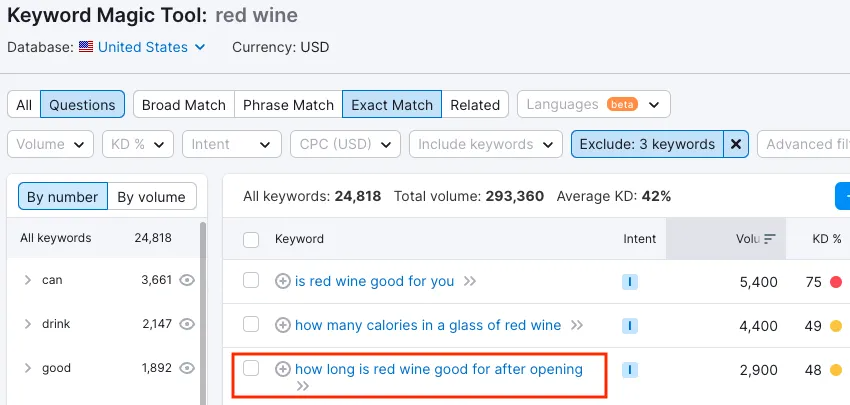
“How long is red wine good for after opening?” can be used to create a series of blog posts around:
- Tips & tricks for keeping red wine fresh for longer after opening
- How to decant wine for optimal enjoyment
- Favorite decanters of 2023
- & so on!
Additionally, your blog should be used to regularly publish informative articles about wine information, showcase what’s happening in the vineyard at different times of the year, highlight winemaking processes, and anything else your guests might want to learn about.
High-quality content not only attracts and retains visitors but also encourages them to share your content and link back to your website, thus improving your search engine rankings. Keep your content engaging to users by including photos, links, and videos.
Keep in mind that you should create content for your users rather than search engines. The top priority of search engine rankings is to serve users the most beneficial and relevant content, so creating informative content is crucial. Incorporate the relevant keywords naturally within your content, but avoid keyword stuffing, as it can have the opposite result and harm your SEO.
âš™ï¸ Optimize Your Website
To enhance your winery’s SEO, your website must be optimized for search engines to be able to understand your content effectively:
- Ensure that your site is mobile-friendly, as mobile searches have surpassed desktop searches in recent years.
- Optimize your website’s loading speed to improve the user experience, as faster websites tend to rank higher. Use Google’s PageSpeed insights tool to discover what your real users are experiencing and diagnose performance issues.
- Ensure your website has a clean, user-friendly navigation that encourages visitors to stay on your website.
Corksy’s website builder includes all of your technical SEO needs built into the back-end to ensure that your website is accessible to search engines while providing a superior user experience across any device.
🷠Leverage Local SEO
As a winery, you likely have a physical location. Local SEO optimization is essential to attract visitors who are searching for wineries or wine-related activities in your area. Claim and optimize your Google My Business listing, ensuring that your name, address, and phone number (NAP) are accurate and consistent across all online directories. Encourage your customers to leave reviews, as positive reviews can boost your local search visibility.
🚨 Tip: Include a note in your tasting room’s email receipt to encourage guests to leave a review with links to the common review sites, Google, Yelp, TripAdvisor, etc.
🔗 Build High-Quality Backlinks
Backlinks refer to sites that link directly to your content from their site. Like everything with SEO, there is a ranking system that the search engines use to determine if the backlink is from a reputable source.
Building high-quality backlinks from reputable websites is crucial for improving SEO. Seek opportunities to collaborate with influencers, bloggers, wine-reviewing sites, and wine enthusiasts who can promote your winery and link to your website.
Participate in industry events, competitions, and local wine festivals, which can lead to press coverage and valuable backlinks. Additionally, consider guest posting on relevant wine blogs or publications to expand your online presence and establish authority in the wine industry.
🚨 Tip: Set up Google Alerts for your wineries name to get emails when new results for your brand show up in Google Search. You can link to the publication that mentions your wineries name to increase your backlinks on-site, ultimately helping to increase your search engine rankings.
📢 Engage on Social Media
Don’t underestimate social media’s value to your SEO efforts. Create profiles on Facebook, Instagram, Twitter, and LinkedIn. Regularly share engaging and visually appealing content related to your winery, including photos, videos, event updates, and promotions.
Actively engage with your audience, respond to comments and messages promptly, and encourage social sharing of your content. Be sure to look at tagged comments and relative hashtags as well for user content and comments. Social media signals can indirectly influence your search engine rankings.
🚨 Tip: Encourage your guests and customers to share their experiences with your wine, tasting room, or events on social media with a branded hashtag. Share user-generated content on your profile to encourage more people to share (with permission, of course!).
📈 Monitor and Analyze Performance
To ensure the effectiveness of your SEO efforts, monitor and analyze Google Analytics to track important metrics such as organic traffic, bounce rate, time spent on site, and conversion rates.
Analyze this data to gain insights into user behavior, identify areas for improvement, and make data-driven decisions to optimize your winery’s SEO strategy continually.
🔊 Optimize for Voice Search
With the rise of voice assistants like Siri, Google Assistant, and Alexa, optimizing your winery’s SEO for voice search is becoming increasingly important.
Voice search queries tend to be longer and more conversational, so consider incorporating long-tail keywords and phrases into your content. Think about the questions your target audience might ask when searching for wineries or wine-related information, and provide concise, informative answers (hint: use those keyword research tools!)
📰 Stay Up-to-Date with SEO Trends
SEO is a constantly evolving field, with algorithms and best practices continuously changing. Stay informed about the latest SEO trends and updates to ensure your winery remains competitive. Follow reputable SEO blogs, attend industry conferences, and engage with online communities to stay up-to-date with the latest strategies and techniques. Adapt and adjust your SEO strategy accordingly to maintain your winery’s online visibility and drive continuous growth.
Remember, effective SEO is an ongoing process that requires continuous monitoring, analysis, and adaptation to stay ahead in the digital world.
March 1, 2026
Heatmaps: A Winery’s Secret to More SalesGrowing your winery’s online presence is essential, but increasing website traffic can be costly – especially when it comes to paid advertising. Since you can’t control the cost of acquiring new visitors, the best way to maximize your marketing budget is by improving your conversion rates, average order values, and long-term customer retention.
One powerful tool to help with this? Heatmaps. 🔥

Really – this data doesn’t lie. Heatmaps give you visual insights into how visitors interact with your website, showing where they click, scroll, and spend the most time. With these insights, you can refine your website’s layout to better engage potential customers, drive more wine club sign-ups, and increase online sales.
Discover three ways wineries can use heatmaps to optimize conversions. 🤘
1) Uncover “Dead Zones” & Boost Engagement
Heatmaps reveal what your visitors focus on – and what they ignore. Take a look at the example below:

When reviewing a heatmap, look for:
- Hot spots (red, orange, yellow areas): These indicate high engagement, such as frequent clicks or cursor movement.
- Cool spots (blue or no color): These are “dead zones” where visitors aren’t interacting.
By identifying these patterns, you can see whether visitors are focusing on the right elements or if important sections are being overlooked.
💡 How Wineries Can Apply This Data
Once you’ve analyzed your heatmap, use these insights to optimize your site:
- CTA Placement: If your “Join the Wine Club” or “Shop Now” button is in a low-engagement area, test moving it to a hot spot where users are already paying attention.
- Homepage Adjustments: If visitors are ignoring your featured wine section, you might need more engaging imagery, pricing visibility, or clearer descriptions.
- Tasting Room Bookings: If your “Visit Us” page gets clicks, but the booking button is in a dead zone, try moving it higher on the page or closer to the sections with high activity.
- Navigation Issues: If visitors aren’t clicking key menu links, your navigation might be too complex or missing what they’re looking for – consider renaming menu items or repositioning them.
By continuously testing and adjusting based on heatmap insights, wineries can improve their website experience, leading to higher wine club sign-ups, more tasting room bookings, and increased online sales.
2) Adjust Layout Using Scroll Depth
Not all visitors scroll to the bottom of your page. Scroll depth heatmaps show where most users stop reading, helping you optimize content placement.

â“What Is the Average Fold?
The average fold refers to the point on a webpage that is visible without scrolling when a visitor first lands on the site. Anything below this point requires the user to scroll to see it. Since different devices and screen sizes have varying fold placements, heatmaps help determine where most users stop scrolling and what content they actually see.
For example, if your wine club benefits or special promotions are placed far below the average fold and most visitors don’t scroll that far, they might never even see those offers.
💡 Applying These Insights
If customers aren’t scrolling far enough to see your limited-time wine bundle or special offer, you might:
- Move key promotions higher on the page so they are visible above the fold for most visitors.
- Add a call-to-action (CTA) that scrolls users down to important sections, like membership details or seasonal discounts.
- Use subtle cues like an arrow icon or “Swipe to Learn More” text to encourage scrolling.
For instance, if visitors stop reading just before your wine club benefits are listed, shifting that section higher could lead to more sign-ups.
By analyzing scroll depth and the average fold, wineries can ensure that high-value content is seen by more visitors, leading to better engagement and higher conversions.
3) Experiment with Calls-to-Action (CTAs)
Once you’ve identified the best places for your CTAs, test different variations to see what resonates with visitors.
- Try different CTA placements – such as adding “Join the Club” buttons near highly viewed sections.
- Test multiple CTA copy versions – for example, instead of “Subscribe to Our Newsletter,” try “Get Exclusive Wine Offers.”
- Consider using contrast and design elements to make buttons stand out more (we go over all things design elements in our on-demand Website Design 101 webinar)!
With Corksy’s website builder, wineries can easily test different CTA placements, colors, and copy – no developer needed. Ongoing testing and optimization help fine-tune your website, turning more visitors into loyal customers.
Time to Turn Up the 🔥

The cost of acquiring customers online isn’t likely to decrease, so making the most of your existing traffic is crucial. Heatmaps provide valuable data to refine your website layout, improve conversions, and increase sales – without spending more on ads.
And remember: Higher conversions alone aren’t the goal. Keep an eye on average order value and customer lifetime value to ensure your optimizations are driving sustainable revenue for your winery.
Want expert guidance on analyzing and optimizing your winery’s website? Let’s chat.
March 1, 2026
Crushing It: Boosting Your Winery’s Labor Day Weekend Sales 
Labor Day weekend is a prime opportunity for wineries to uncork their creativity and maximize sales. Whether your customers are visiting your tasting room in person or shopping online, this blog offers expert tips to maximize your sales during this holiday weekend.
Create Tempting Offers:
Entice customers with exclusive Labor Day promotions. Consider discounts on select bottles, bundle deals, or limited-edition releases available only for the weekend. Craft compelling messaging to highlight the value they'll receive.
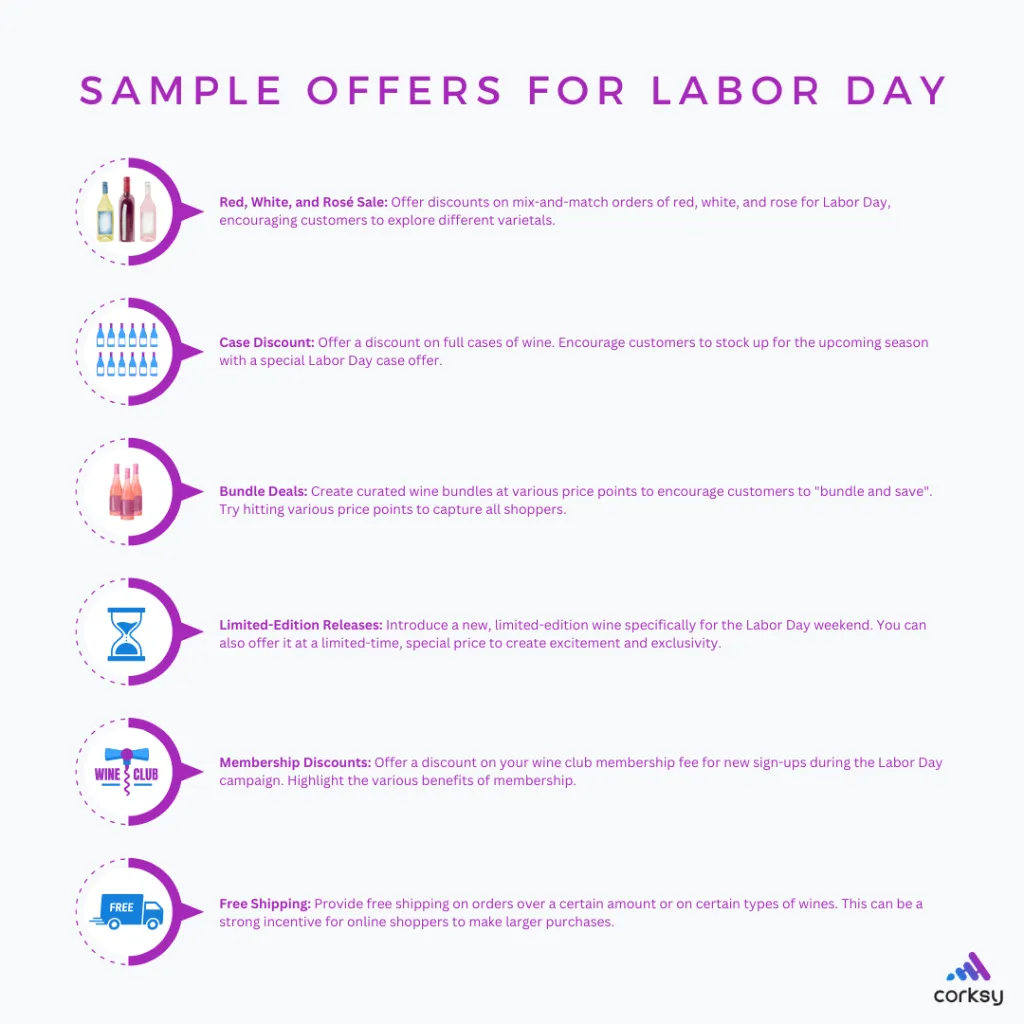
Offer Engaging Tasting Experiences:
For onsite visitors, design unique tasting experiences that highlight your Labor Day promotions. Create tasting flights showcasing wines that pair well with summer foods or have a refreshing twist, such as chilled rosés or crisp whites.
Create a Seamless Shopping Experience:
Ensure your website is user-friendly and mobile-responsive. Display Labor Day promotions prominently with pop-ups and banners and ensure a simple, clean checkout to reduce abandoned carts.
Capture Attention with Social Media:
Leverage the power of social media to create a buzz around your winery's Labor Day celebrations. Share visually appealing posts, teaser videos, and behind-the-scenes glimpses to engage your audience.
Email Marketing Campaigns:
Launch a targeted email campaign leading up to Labor Day weekend. Showcase exclusive offers, limited releases, and unique experiences to generate excitement and anticipation among your subscriber base.
TIP: Reward early shoppers by offering limited-time discounts on select wines for customers who purchase before the weekend.
Labor Day weekend is a golden opportunity to connect with customers and boost sales both in your tasting room and online. Remember, a blend of creativity, customer engagement, and wines will be the key ingredients to your success. Cheers to a fruitful Labor Day weekend!
March 1, 2026
Save Time While Maximizing Your Wine Club Revenue with Corksy’s Enhanced Club Tools
We're thrilled to unveil the latest upgrade to Corksy's Wine Club Solution, bringing you an even more seamless and efficient wine club experience from start to finish. Designed to save you time and resources, our wine club tool streamlines the club management process, making it easier than ever to provide exceptional service to your members while driving more revenue.
Build and Process in Five Minutes or Less
The end-to-end wine club experience has never been smoother. You'll be able to build, open, and process a wine club in under 5 minutes – yes, you read that right! Our platform also enables you to effortlessly add features to your club that cater to your winery's unique needs.

Increased Club Revenue
Our enhanced wine club module is designed to maximize your club's revenue potential. By giving customers the ability to customize, they're more likely to add to their shipment, and studies show they're more inclined to purchase additional wines during open club shipment months. You can even incentivize higher order values by including free shipping at a certain bottle or dollar threshold.

Streamlined Customer Selection
The Customer Selection page boasts a slick, user-friendly design, ensuring an intuitive and enjoyable experience. Customers can seamlessly customize and enhance their shipment packages, confirm payment and shipping information, and make changes up until the processing date. Auto-generated emails keep customers informed every step of the way – from selection saved to card processed and tracking details ready.


Corksy Takes Care of the Details
Simply create the package with chosen wines, then click "process card" on the closing date – that's it. Corksy handles order customizations, email notifications, history, addresses, payments, and integrates with Sovos and Avalara for compliance. You can also bulk-process cards, generate labels within the platform, or export for 3rd party fulfillment, saving time and reducing send-backs and failed payments.

Inventory and Revenue Management
Corksy tracks expected revenue based on default order volume and real-time customer customizations. This predictive capability allows you to strategize using upsell tactics, ultimately leading to increased case values. You can also maintain inventory predictability by capping the number of bottles available for purchase per order based on your current inventory. Inventory deductions are made per product once the card is charged, streamlining your operations further.

Experience the Future of Wine Club Management
Work smarter, not harder. Less time spent on administrative tasks means more time devoted to perfecting your wines and delighting your members. Say goodbye to headaches and hello to efficiency – it's time to elevate your wine club experience. For more information or to schedule a demo, reach out to our dedicated team today.

March 1, 2026
10 Tips for Wineries to Prepare for Black Friday and Cyber Monday
Black Friday and Cyber Monday are right around the corner and are not just for big-box retailers. Wineries can also tap into the holiday shopping frenzy by offering enticing promotions and engaging wine-loving customers. To help you make the most of this retail holiday and sell more wine, here are 10 valuable tips to prepare for Black Friday and Cyber Monday.
1. Plan Your Promotions in Advance
Start by strategizing your promotions well ahead of time. Consider discounts on wine bundles, exclusive releases, or special gift packages. Get creative with your offerings to entice customers.
In-Person Black Friday Sales Ideas:
- Wine Tasting Discounts: Offer special Black Friday discounts on wine tastings at your winery. Create packages that include tastings of your top wines or exclusive releases.
- Exclusive Release: Release a limited-edition wine exclusively available for purchase on Black Friday at your winery. Offer it at a discounted rate to entice customers.
- Gift Shop/Merch Discounts: Provide discounts on wine-related merchandise in your gift shop. This could include wine glasses, corkscrews, apparel, and more.
- Membership Deals: If you have a wine club, offer special incentives for signing up on Black Friday, such as waived shipping fees on new members’ first orders or additional benefits.
Online Black Friday/Cyber Monday Sales Ideas:
- Online Exclusive Bundles: Create special bundles available only on your website for Black Friday. Bundle together top-selling wines or create themed packs.
- Discounted Shipping: Offer reduced or free shipping on online orders placed on Black Friday. This can be a significant incentive for online shoppers.
- Limited-Time Discounts: Run flash sales with time-limited discounts on select wines throughout the day to create a sense of urgency. Offer additional discounts on volume limits, such as 30% off 12 bottles, encouraging larger average order values.
- Early Access: Provide your wine club members and VIPs early access to your Black Friday deals. Send out a dedicated email prior to Black Friday with a link to your offers.
2. Create a Sense of Urgency
Black Friday and Cyber Monday are all about urgency. Use limited-time offers to encourage customers to make a purchase. Countdown timers and phrases like "One-Day Deal" or “Ends at Midnight” can work wonders.
3. Optimize Your Website
Ensure your website can handle increased traffic. Test its speed and functionality to prevent crashes during the rush. Mobile optimization is crucial as well, considering the rise in mobile shopping.
Tip: Place a prominent Black Friday banner on your website's homepage to direct visitors to your special deals.
4. Announce Promotions in Advance
Tease your Black Friday and Cyber Monday deals via email and social media in the weeks leading up. This will create anticipation and excitement among your customers. Encourage followers to join your email list to get first access to your special offers.
Tip: You don’t need to share what the offer will be, but you can create anticipation with phrases like “Don’t miss our biggest sale of the year!” or “Only three more days until our Black Friday deals hit - you don’t want to miss this!”
5. Leverage Email Marketing
Email remains an incredibly powerful marketing tool. Send teaser emails leading up to Black Friday to get your customers’ attention and ensure they’re keeping an eye out for your email. Black Friday is a competitive day to grab attention as almost every retailer will be sending emails, too, so be sure to include your offer clearly in the subject line and have a simple CTA.
6. Engage on Social Media
Leverage the power of social media platforms to reach a wider audience. Share visually appealing posts and use relevant hashtags to increase visibility. Be sure to have a clear link to your website’s offers page to create a streamlined shopping experience.
7. Collaborate with Influencers
Consider partnering with wine influencers to promote your deals. Their reach and credibility can help you tap into new customer segments.
Tip: Don't be discouraged by a limited marketing budget. Look at your current followers and customers to see if you have any notable fans and reach out to them about collaborating. You know they already love your wine or brand so it should be a win-win!
8. Simplify the Checkout Process
Make sure the checkout process is smooth and hassle-free. The fewer steps it takes to complete a purchase, the better. A difficult or clunky checkout experience will likely cause your shopper to abandon their cart and move on to the next deal.
Tip: Use an eCommerce platform with a clean user interface and a one-step checkout process, like Corksy!
9. Provide Exceptional Customer Service
Customer service is a key differentiator. Be prepared for increased inquiries and orders. Respond promptly and professionally to build trust with your customers. This includes social media - be sure to engage and respond to customers’ direct messages and comments on all channels.
10. Run Paid Advertising Campaigns
Consider running targeted ads on platforms like Facebook and Instagram to reach a wider audience. Paid social ads are a great way to reach a large audience looking for wine deals during Black Friday and Cyber Monday. You can boost your sales and reach your marketing goals by running paid social ads on the right platforms and targeting your ads to the right audience.
Bonus Tip: Post-Holiday Follow-Up
Don't forget about your customers after the holiday rush. Send thank-you emails and offer incentives for future visits or purchases to keep the momentum going into the holiday shopping season!
March 1, 2026
Maximize Your Winery’s Impact This Black Friday & Cyber Monday
Black Friday and Cyber Monday are game-changing opportunities for wineries to boost sales, attract new customers, and build loyalty. Our comprehensive BFCM Playbook is your step-by-step guide to crafting successful holiday campaigns. From high-value offers that preserve your margins to targeted email strategies and effective paid media tips, this playbook is tailored to help wineries stand out during the busiest shopping season of the year. Learn how to convert one-time shoppers into lifelong customers with actionable insights and practical tips.

March 1, 2026
Maximizing Your Wine Club’s Potential: Strategies for Growth and RetentionWine clubs are essential for many wineries, providing a reliable revenue stream, helping with financial forecasting, and creating a community of brand ambassadors. Club members often account for a significant portion of wine sales, both within and outside their allotments, making clubs a critical aspect of a winery’s success. This guide provides unique ideas for enhancing your wine club, including experiential benefits, loyalty rewards, and sales strategies for growth, both online and in person.

Create Unique Wine Club Offerings
With so many wine clubs to choose from, let’s start with what makes your wine club unique. To truly stand out and captivate your wine club members, pushing the envelope on exclusivity and personalization is key. Here are some innovative ideas to elevate your wine club’s offerings:
Enhanced Experiential Benefits
- Collaborative Experiences: Forge partnerships with local artisans, chefs, and businesses to create one-of-a-kind experiences. Collaborating with local hotels or bed and breakfasts to create a special package exclusively for wine club members is a great way to increase your offerings and encourage out-of-town members to visit more, strengthening their relationship with your winery.
- Winemaker-Led Travel Tours: Organize annual wine-focused travel tours led by your sommelier or winemaker to renowned wine regions around the world. This could include private tastings at exclusive wineries, vineyard tours, and wine-pairing dinners with local cuisine, offering an unforgettable experience that also educates members about global wine cultures.
- Wine and Wellness Retreats: Combine the enjoyment of wine with wellness activities such as spa treatments, meditation sessions, and yoga classes set in your picturesque vineyard. These retreats offer a unique way to experience wine in the context of relaxation and health, which can be attractive to many demographics, including the Gen Z audience.
- Wine Club Members’ Day: Designate a day where wine club members can access the winery or a special part of the vineyard not open to the public. Combine this with early access to new releases, creating a sense of exclusivity and belonging.
Distinctive Brand Offerings
- Library Access: Allow members to purchase from your winery’s vintage library, giving them the opportunity to taste the evolution of your wines over the years. This can be an exclusive benefit that appeals to serious wine collectors and enthusiasts. If you have enough older vintages stored, consider offering a vertical tasting event of a particular wine.
- Wine Futures Program: Offer members the chance to buy futures of your most anticipated releases at a special pre-release price. This not only secures sales for you but also gives members the thrill of anticipation and the joy of being among the first to taste new vintages.
- Custom Label Creations: Expand beyond standard custom labels for events by offering members the chance to design a wine label for a personal vintage. This could be an annual competition where the winning design is featured on a limited-release wine exclusively available to club members.
Implement Effective Loyalty and Rewards Programs
A robust loyalty program can significantly enhance member retention and spending. Consider the following ideas:
Refined Discount and Reward Systems
- Dynamic Discounting: Implement a dynamic discount system where members unlock higher discount tiers not just through longevity or spend levels, but also through engaging with your brand in meaningful ways, such as attending events, participating in surveys, or social media sharing.
- Exclusive Merchandise and Experiences: Rather than standard discounts, offer points that can be redeemed for exclusive merchandise, private events, or even a day spent with the winemaker. This strategy encourages engagement and spending while offering rewards that money can’t typically buy.
- Anniversary Rewards: Celebrate membership anniversaries with special rewards. For example, on their first anniversary, members could receive a custom-engraved wine glass. Five years might earn a private vineyard tour and tasting for them and their friends. These milestones reinforce the value of long-term membership.
In-Person Strategies for Wine Club Growth
Enhancing the visibility and appeal of your wine club during in-person visits is key to converting visitors into loyal members. Here are strategies to promote your wine club effectively and seamlessly integrate the signup process:
Staff Training and Engagement
- Educate Your Team: Ensure that all staff members are well-versed in the benefits and offerings of the wine club. Training should emphasize how to communicate these advantages in a way that aligns with visitors’ tastes and interests.
- Engagement Training: Teach staff to recognize opportunities for mentioning the wine club naturally during interactions, focusing on how membership enhances the wine experience.
Streamlined Signup Processes
- Point-of-Sale Integration: Utilize a point-of-sale system, like Corksy, which offers a seamless sign-up process for the wine club. This makes it easy for staff to introduce the club and for visitors to join on the spot.
- Accessible Marketing Materials: Place brochures, flyers, and signage in strategic locations around your winery. These materials should clearly highlight the perks of joining the wine club and how to sign up.
- QR Codes on Tasting Flights: Incorporate QR codes that lead directly to the wine club signup page into your tasting flights. This provides a simple, tech-savvy way for interested visitors to learn more and join instantly.
- Reservations Tool Promotion: If reservations are required for tastings or tours, include information about the wine club in the reservation tool or confirmation emails. This primes visitors to consider membership before they even arrive.
Exclusive Experiences and Areas
- Member-Only Areas: Establish areas exclusive to wine club members, such as a private tasting room or a scenic spot within the vineyard. This tangible benefit not only makes current members feel special but also entices non-members with a glimpse of what they’re missing.
- Special Offerings for Members: Provide offerings that are exclusive to members, such as limited-release wines, members-only events, or first access to new vintages. Highlighting these exclusives during tours and tastings can motivate sign-ups.
Leveraging Events for Sign-Ups
- Event Incentives: At winery events, offer special incentives for guests who sign up for the wine club on the spot. This could be a discount on their current purchase, a free gift, or an exclusive experience.
- Showcase Member Benefits: Use events as a showcase for wine club benefits. This could include setting up a booth or area where visitors can learn about the club, meet current members, and taste wines exclusive to the club.
Digital Strategies for Wine Club Growth
Digital channels offer a powerful platform for wine club growth, providing opportunities to reach a broader audience and keep current members engaged. Here’s how to optimize your online presence for wine club promotion and member retention:
Email Marketing with Segmentation
- Targeted Email Campaigns: Segment your email list to send tailored messages. Prospective members should receive emails highlighting the benefits of joining your wine club, with a clear call-to-action (CTA) for easy signup. For current members, periodically remind them of their exclusive benefits to keep them engaged and feeling valued.
- Personalization: Use data to personalize emails further, such as suggesting wines based on past purchases or inviting members to events based on their location. This approach makes each communication feel more relevant and engaging.
Leveraging Social Media
- Showcase Club Offerings: Regularly post about current wine club offerings, upcoming events, and behind-the-scenes content on your social media channels. This visibility helps draw attention to the exclusive aspects of being a member.
- Engagement and User-Generated Content: Encourage interaction by engaging with members’ posts, commenting, and sharing. Promote the use of a specific hashtag for your wine club to easily find and feature user-generated content, showcasing real member experiences.
- Exclusive Social Groups: Create private social media groups, such as a Facebook group or an Instagram “Close Friends” list, for wine club members. Use these platforms to share exclusive updates, early-release information, and special content that keeps members engaged and fosters a sense of community.
Website Optimization for Wine Club Signups
- Prominent Website Placement: Ensure that joining the wine club is a prominent feature in your website’s navigation. This makes it easy for visitors to find and consider joining.
- Streamlined Signup Process: Design the signup process to be as straightforward as possible. Clearly outline the benefits, using visuals where possible to illustrate what members will receive. Ensure that terms and conditions are transparent and easily understandable.
- Testimonials and Social Proof: Feature member testimonials prominently on your wine club page and across other parts of your website. Positive reviews and testimonials can significantly influence prospective members by showcasing the value and enjoyment current members find in the club.
Creating a Community Online
- Private Facebook Group: A members-only Facebook group can serve as a digital hub for your wine club, where you can post updates and exclusive offers, and engage directly with members. This fosters a stronger community feeling among members.
- Instagram Stories for Members: Utilize the “Close Friends” feature on Instagram to share exclusive content with wine club members. This could include sneak peeks of upcoming releases, special offers, or behind-the-scenes looks at winery operations.
In conclusion, the key to wine club growth lies in creating compelling offerings, leveraging data for personalized experiences, implementing effective retention strategies, and using social media to build a vibrant community. By focusing on these areas, clubs can not only attract new members but also ensure long-term engagement and loyalty.
Interested in learning how Corksy can help you achieve your wine club growth and retention goals? Schedule a call with one of our Growth Specialists today here.

February 11, 2026
Building Profitable Promotion Strategies for Modern Winery Direct-to-Consumer SalesMost wineries don’t have a promotion volume problem.
They have a promotion design problem.
When you look closely at wineries delivering strong margins alongside steady consumer sales growth, patterns start to appear. Not because those promotions are trendy or copied from competitors, but because they are intentionally designed to drive revenue while protecting long-term customer behavior and brand value.
Modern promotion strategy is not about running more campaigns.
It is about structuring incentives that influence how, when, and why customers buy.
Across the strongest performing wineries, promotions are increasingly treated as part of the revenue model rather than just part of the marketing calendar. They shape demand, influence order composition, and support long-term customer value.
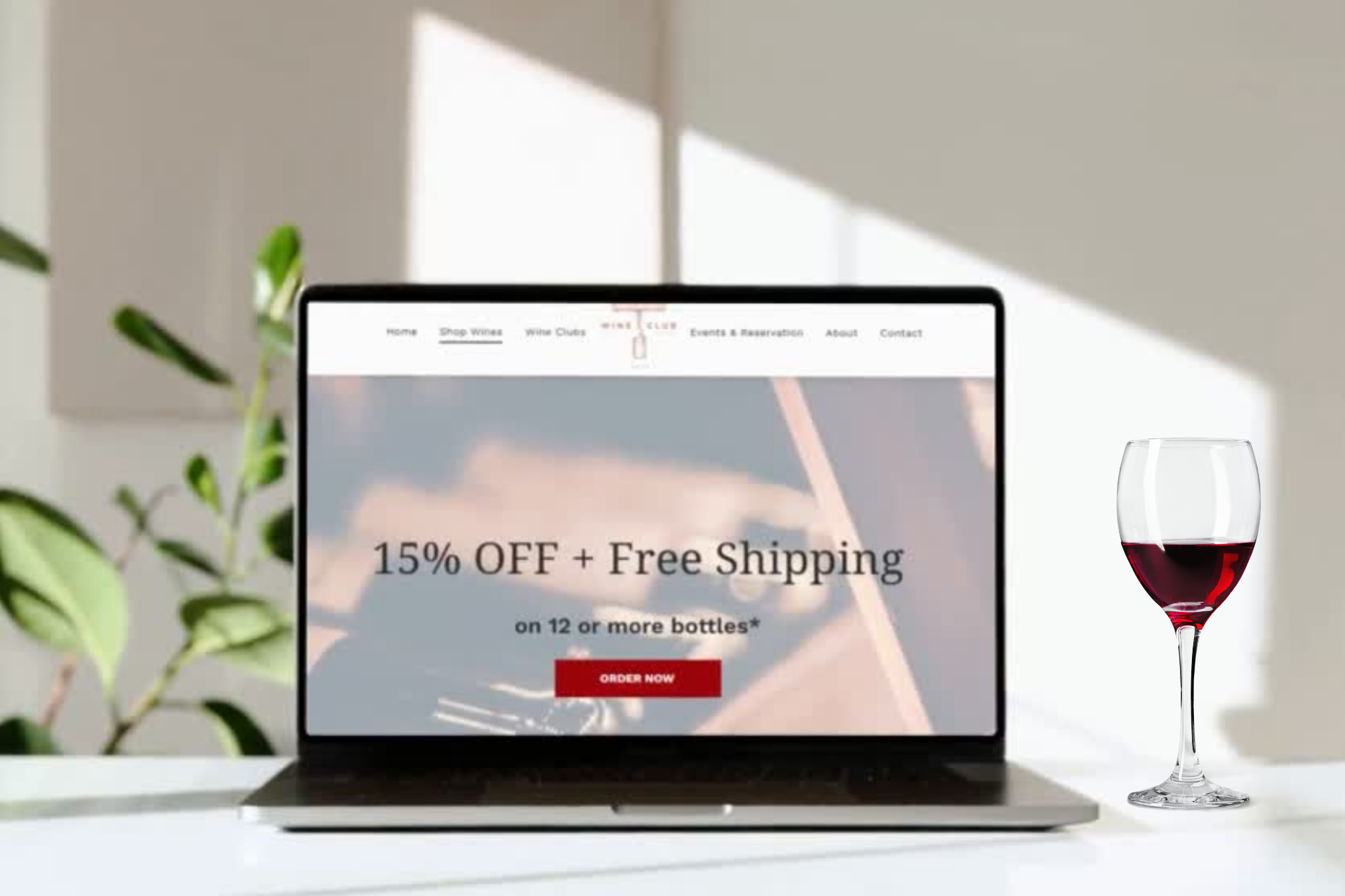
Why Promotion Strategy Is Really Revenue Strategy
Promotions are no longer just marketing tactics.
They are one of the most controllable levers inside a winery’s DTC P&L.
For most wineries, shipping is one of the largest controllable cost centers in direct-to-consumer. When shipping is treated purely as a marketing incentive instead of a financial lever, margin erosion often happens quietly and incrementally.
In budget planning conversations, teams often focus on discount depth, debating whether an offer should be 15% or 20%. Meanwhile, shipping cost structure, fulfillment efficiency, and order composition are often having a much larger impact on profitability.
The wineries outperforming today are designing promotions to change customer behavior, not simply to increase short-term transaction volume.
That shift from campaign thinking to revenue engineering is becoming one of the defining characteristics of modern winery DTC strategy.
The Promotion That Shows Up Everywhere: Case Discount + Free Shipping Threshold
If there is one promotional structure that consistently performs across winery DTC, it is the combination of case incentives paired with a free shipping threshold.
Not because it is exciting.
Because it aligns with how consumers naturally prefer to purchase wine.
When structured correctly, this model typically drives:
- Higher average order value
- Increased case-building behavior
- Shipping positioned as a reward rather than a penalty
- Improved fulfillment efficiency
From a customer psychology standpoint, shipping often functions less like a cost and more like a trigger point. When customers feel they have “unlocked” free shipping, the purchase feels optimized, even if total spend increases.
The critical mistake many wineries make is trying to copy another brand’s exact thresholds or discount percentages. Effective thresholds are always relative to your own economics — including average order value, true shipping cost per package, and channel mix.
The goal is not to maximize discount depth.
The goal is to move the order composition just enough to change buying behavior while protecting margin.
Corksy’s discount engine was built to support this type of real-world winery logic, allowing wineries to structure case incentives, shipping incentives, and qualifying product rules without stacking disconnected promo codes or building one-off exceptions.
Free Shipping Is Never Free
Customers don’t think shipping should cost money.
Wineries cannot afford to treat it that way.
Across ecommerce industries, research consistently shows that customers are significantly more likely to complete purchases when shipping feels included, even when total order value is similar. This is not unique to wine, but wine’s weight, packaging, and compliance requirements make shipping economics especially sensitive.
The most effective shipping incentives are designed to achieve at least one measurable business outcome:
- Increase order size
- Drive movement of specific SKUs
- Encourage case-building behavior
- Reward high-value or high-tenure customers
If shipping incentives are not tied to a specific behavioral or financial outcome, they often become silent margin erosion.
Customers do not necessarily require free shipping.
They require shipping to feel predictable, fair, and earned.
Shipping-Structured Promotions That Change Buying Behavior
Not every shipping incentive should be “free shipping over X.”
Some of the highest-performing DTC programs use shipping as a behavior lever instead of a blanket incentive.
Examples that consistently perform:
- Flat-rate shipping for case purchases
- Shipping incentives tied to specific SKUs
- Seasonal shipping thresholds based on real carrier cost windows
- Club shipping structures that reward tenure or spend
Shipping is one of the largest controllable cost centers in winery DTC.
Treating it like a strategy lever, not just a promo toggle, is where many wineries protect margin without hurting conversion.
Flash Windows That Create Urgency (Without Training Customers To Wait For Sales)
Many wineries fall into one of two promotion traps:
Promotions run too long
Promotions run so frequently that customers stop reacting to them
In both cases, urgency disappears.
Short promotional windows create real decision moments. Instead of giving customers time to delay a purchase, they create a clear “buy now or miss it” signal, which is where urgency-driven conversion actually happens.
Flash windows tend to perform best when they are tied to something customers already care about, such as:
- Release days
- Event weekends
- Weather-driven buying moments
- End-of-quarter or end-of-vintage inventory moves
They are far less effective when used as open-ended discounts, such as running a blanket percentage-off promotion across an entire month.
A Simple Testing Framework
Many wineries see success starting with small, controlled flash tests before expanding.
For example:
- 2–4 hour release or promotion window
- Early access groups receive the strongest incentive
- Later buyers receive a smaller incentive or access-only benefit
This structure allows wineries to protect margin while still rewarding urgency. More importantly, it tends to create concentrated demand spikes instead of slow, margin-eroding discount periods.
When Every Promo Is Sitewide, You’re Probably Paying More for Sales Than You Think
Sitewide promotions are operationally simple.
They are rarely economically efficient.
When first-time buyers, occasional purchasers, and top-tier loyal customers all receive the same incentive, wineries often end up subsidizing revenue that would have happened without a promotion at all. Over time, this compresses margin and trains high-value customers to wait for offers they likely didn’t need.
More effective promotion structures typically introduce variation across customer and buying context, such as:
- Different incentives by customer segment
- Different incentives by channel
- Different incentives by timing or access window
This allows wineries to reward behavior strategically instead of applying blanket discounts across their entire customer base.
This is often the point where promotion strategy evolves beyond campaign planning and starts to resemble revenue design, where incentives are structured to influence buying behavior, protect margin, and reinforce long-term customer value.
Value-Add Promotions That Protect Price Perception
One of the most effective ways to protect brand value while still influencing purchase behavior is through value-add promotions, often structured as Buy X → Get Y.
Rather than increasing discount depth, value-add promotions focus on enhancing the perceived value of the purchase. This allows wineries to create incentive without directly lowering price, which helps preserve long-term price integrity and brand positioning.
Across winery DTC programs, value-add offers that consistently perform well include:
• Buy 6 bottles → library or small-production sample
• Buy a case → branded merch, event access, or experience add-on
• Buy a specific SKU → unlock early access, allocation priority, or exclusive content
When executed well, these promotions maintain brand value while still shifting buying behavior, often increasing order size or driving movement of strategic inventory.
Wine is particularly well suited for value-add promotions because experience, story, and access often carry as much perceived value as price itself. For many customers, exclusivity and connection to the brand can be a stronger motivator than an additional percentage off.
The Quiet Revenue Driver: Channel-Specific Promotions
NNot every promotion should exist everywhere.
One of the most common, and often invisible, sources of margin erosion in winery DTC programs happens when incentives designed for one channel are automatically extended across all channels by default.
Different buying environments create different customer expectations, different cost structures, and different margin realities. Treating every channel the same often means over-incentivizing customers in places where a promotion wasn’t actually needed.
Some of the most effective winery promotion strategies intentionally separate incentives by channel. For example:
- Farmers market or event incentives that are not available online
- Event-only wine club join bonuses tied to in-person experiences
- Ecommerce shipping promotions that do not impact tasting room pricing or POS margins
When promotions are structured at the channel level, wineries gain significantly more control over margin while still creating strong customer incentives where they matter most.
This is where many wineries quietly lose profitability when every successful promotion gradually becomes sitewide by default instead of remaining tied to the channel or behavior it was originally designed to influence.
Discount Depth Is Usually the Wrong Lever
When teams evaluate promotions, the conversation often starts with discount depth:
Should this be 10%, 15%, or 20%?
A more strategic question is whether the promotion needs to be a percentage discount at all.
Across high-performing DTC programs, the strongest performance gains often come from structural incentives rather than deeper price cuts. In many cases, small changes to how an offer is framed or delivered can outperform simply increasing discount percentage.
Some of the most effective levers tend to include:
- Shipping structure and thresholds
- Early or tiered access timing
- Exclusivity or allocation-style incentives
- Bundling and curated purchase pathways
These approaches allow wineries to influence buying behavior while maintaining price integrity.
In practice, margin protection typically comes from a promotion structure, not from reducing the price further. The wineries maintaining the strongest long-term DTC performance are usually the ones designing promotions around behavior and purchase context, rather than relying on deeper and deeper discounting.
You Cannot Copy Another Winery’s Promotion Math
There is no universal free shipping threshold, case discount percentage, or club incentive structure that works across every winery.
Promotion math only works when it is grounded in your own economics, including bottle price, average order value, shipping cost structure, club penetration, and channel mix.
Two wineries can run what looks like the same promotion on the surface and see completely different financial outcomes.
That’s because effective promotion design is always relative to your underlying unit economics and customer behavior patterns.
If someone offers universal promotion benchmarks without understanding your cost structure and buying patterns, they are guessing, even if the numbers sound reasonable.
The Pattern Many Wineries Fall Into (Without Realizing It)
Many wineries unintentionally train customers into predictable purchasing cycles.
When customers expect that:
- Every holiday includes a promotion
- Sitewide discounts appear regularly
- Another offer will always arrive in the next email
Promotions stop creating urgency and start functioning as a predictable calendar event.
The healthiest DTC programs typically share several characteristics:
- Fewer total promotions
- Shorter, more intentional windows
- Incentives tied to specific behaviors
- Strong protection of perceived brand value
The result is not lower sales volume.
It is typically stronger margin stability and more predictable revenue pacing.
The Operational Reality Behind Modern Promotion Strategy
As promotion strategies become more behavior-driven, operational complexity increases quickly.
Once wineries begin layering:
- Customer segmentation
- Channel-specific rules
- Time-based access windows
- Product-level qualification logic
- Shipping-based incentives
- Stacking rules and exclusions
Promotion management can shift from marketing execution into systems architecture.
Historically, many wineries managed this complexity using spreadsheets, overlapping promo codes, and manual overrides. Increasingly, modern winery commerce platforms are shifting toward structured promotional logic, allowing promotions to be built around real buying behavior rather than static discount rules.
This shift is less about technical sophistication and more about enabling wineries to run fewer, more intentional promotions with measurable financial impact.
The Bottom Line
The goal of modern promotion strategy is not simply to reduce discounting.
It is to make discounting intentional, measurable, and behavior-driven.
The most effective winery promotions consistently aim to:
- Change how customers buy
- Increase order size and efficiency
- Reward loyalty and tenure
- Move strategic inventory
- Protect long-term brand value
Across the industry, DTC promotion strategy is moving toward precision over volume.
And increasingly, the wineries maintaining the strongest margins are the ones treating promotions as part of their revenue architecture, not just part of their campaign calendar.
If you are evaluating how your current promotion structure is impacting margin, contribution, or long term customer behavior, it is worth taking a step back and mapping promotions against real order and shipping data.
At Corksy, we regularly help wineries analyze promotion performance across channels, customer segments, and order behavior to identify where revenue is being created versus subsidized. If you are pressure testing your current promotion strategy, we would love to connect and share what we are seeing across the broader winery DTC landscape.
January 12, 2026
Wine Clubs in 2026: The New Playbook for Modern Winery MembershipsThe wine club isn’t dying. It’s being rewritten.
Wine clubs in 2026 still matter, but the way wineries build and grow them has fundamentally changed.
What has changed is the lifestyle of the people in them.
In 2026, the strongest force shaping wine club behavior is the Millennial generation — not because they are the only wine buyers, but because the way they live, spend, and subscribe has become the default expectation for everyone else. They are running households, hosting friends, raising families, managing busy schedules, and making more intentional purchasing decisions than any generation before them.
That reality is quietly transforming what a wine club needs to be.
Why lifestyle now matters more than allocations
Wine clubs used to compete on bottles:
how many, how rare, how discounted.
That’s not how people experience wine anymore.
Most members don’t think in terms of allocations or case sizes. They think in terms of how wine fits into their lives — dinner with friends, a quiet night in, hosting, book club, holidays, weekends. And they don’t judge their winery in a vacuum.
They compare it, often subconsciously, to everything else they already subscribe to. From community-driven platforms like Peloton to creator memberships on Substack to the personalized experiences they get from services like Spotify, modern subscriptions have trained people to expect more than a product.
They expect to feel known.
They expect curation.
They expect a sense of belonging.
That mindset now carries over into how wine clubs are evaluated. A shipment that shows up every few months is no longer enough on its own. Members want their winery to feel like it understands their routines, their social lives, and the moments when wine actually shows up.
Wine clubs are becoming lifestyle memberships
Wine clubs are no longer just about what’s in the box. They are about what that box enables.
The wineries seeing the strongest engagement in 2026 are building clubs around real-life moments: hosting, family dinners, gifting, and social gatherings. That’s why wine club add-ons now go far beyond food alone.
Some wineries are offering:
- Wine plus charcuterie, candles, or flowers for hosting
- Wine plus bakery boxes or picnic kits for family weekends
- Wine plus chocolates or spa items for gifting and self-care
- Wine plus event access or tasting kits for experiences
These lifestyle bundles turn a wine club into something people actually use, not just something they receive. They also increase order values, pickup rates, and word-of-mouth — all without needing to discount the wine itself.

Community is the new retention engine
Discounts don’t create loyalty.
Relationships do.
Some wineries have quietly built 20-year wine club retention by focusing on one thing: getting their members to know each other. They host off-site tastings, regional meetups, winemaker dinners, and trips that bring members together outside the tasting room.
When people make friends through your winery, your wine becomes part of their social life. That’s far more powerful than any promotional offer.
Across the country, wineries in major wine regions are already experimenting with more experience-driven, community-focused wine clubs, from regional tastings and city pop-ups to winemaker dinners and member trips, as they look for better ways to build long-term loyalty.
Every wine club should have a place to hang out
Modern wine clubs are increasingly supported by private online communities. Not email lists. Not SMS campaigns. Real spaces where members can talk to each other.
Private Facebook groups, community platforms, or member forums give people a place to share what they’re drinking, post event photos, ask for pairing advice, and see what other members love. The winery becomes part of that conversation, rather than just another brand in the inbox.
This simple shift makes members feel like they belong to something, not just that they’re on a list.

Loyalty should grow over time
Wine clubs in 2026 are moving toward tenure-based rewards that get better the longer someone stays. That might look like higher discounts after multiple years, access to library wines, or special events reserved for long-term members.
People don’t stay just because the wine is good. They stay because they’ve earned something.
Take the wine club on the road
Your members don’t live at your winery.
So your wine club shouldn’t either.
Pop-up tastings, city dinners, and regional events turn a wine club into a relationship instead of a shipment. They also give members something to look forward to and a reason to bring friends into your world.

Gamified clubs keep people engaged
Modern wine clubs are starting to feel more like experiences than transactions. Points, levels, referral perks, tasting challenges, and unlockable rewards give members a reason to keep interacting with the brand between shipments.
It keeps the club top of mind and makes participation feel rewarding.
Gamified clubs keep people engaged
Modern wine clubs are starting to feel more like experiences than transactions. Points, levels, referral perks, tasting challenges, and unlockable rewards give members a reason to keep interacting with the brand between shipments.
It keeps the club top of mind and makes participation feel rewarding.
What wineries should do in the next 90 days
If you want your wine club to stay competitive into 2026, focus on five practical moves.
1. Add one lifestyle bundle
Choose one way to make your club fit into real life – hosting, family, gifting, or experiences – and launch it as an add-on or pickup option.
2. Create a private member space
Start a Facebook group, community space, or forum just for club members. Use it for sharing, early offers, and member-to-member connection.
3. Plan one off-site member event
Pick a city or region where many of your members live. Host a tasting, pop-up, or winemaker dinner and let members bring friends.
4. Add one loyalty upgrade
Introduce at least one tenure-based perk, anniversary reward, or status tier to give members a reason to stay longer.
5. Pressure-test your wine club platform
Ask whether your current system can handle multiple tiers, non-wine items, events, personalization, and engagement tracking. If it can’t, your wine club isn’t future-proof, no matter how good your ideas are.
Ready to modernize your wine club?
The wineries that will win in 2026 won’t just have better ideas, they’ll have the systems to support them.
Corksy helps wineries run flexible, modern wine clubs with:
- Multiple club tiers
- Add-ons and lifestyle bundles
- Event-based memberships
- Personalized offers
- Member data and engagement tracking
If you’re exploring how to evolve your wine club beyond shipments, we’d love to show you what’s possible.
October 14, 2025
Winery Website AI Optimization: 5 Proven Ways to Stay Ahead in 2025AI is changing how customers discover, research, and buy wine online — and that means your website strategy needs to change with it.
We’re moving beyond the days of traditional, keyword-heavy SEO. Today’s search landscape is driven by generative AI — platforms like ChatGPT, Perplexity, Bing Copilot, and Google’s AI Overviews — which don’t just show links. They summarize information, cite sources, and even recommend brands directly in the search results.
For wineries, that means success is no longer just about ranking on page one. It’s about becoming the trusted source these AI systems quote, reference, and build their answers from.
Here are five practical ways to make sure your winery’s site is ready for the AI era — and positioned to be discovered, cited, and recommended.

1. Make Sure AI Can Access and Understand Your Website
AI visibility starts with technical accessibility. If AI crawlers can’t reach or interpret your pages, they can’t include you in their answers — no matter how great your content is.
Start by checking that essential files like robots.txt and meta-robots tags allow known AI crawlers — such as GPTBot, Claude-Web, and CCBot — to index relevant sections of your site. Some companies are even using a new file called llms.txt, which works like robots.txt but gives large language models specific instructions on which pages to use for training or citation.
Also, make sure your canonical tags and redirect structures are properly configured so AI systems see the correct version of each page. And if important content is hidden behind login screens, paywalls, or JavaScript-only rendering, consider providing server-rendered versions or pre-rendered snapshots. Most AI crawlers can’t log in or execute complex scripts.
Finally, test your visibility directly. Search for your wine club page or tasting room info on AI platforms. If your site never appears as a cited source, accessibility may be the issue — and that’s the first thing to fix.
🷠Corksy Tip: With Corksy’s website tools, you don’t have to stress about technical setup. We automatically generate crawler-friendly files like robots.txt and llms.txt, use server-side rendering to make your pages easier for AI to read, and ensure your site architecture is optimized right out of the box — something most DIY builders don’t handle well.
2. Structure Your Content for AI (and Humans)
Once AI can crawl your site, the next step is making sure it understands what it’s reading. Large language models rely on structure, hierarchy, and semantics to decide which information is trustworthy and relevant.
That means your content needs to be organized clearly. Use strong heading hierarchies, clear introductions, and concise summaries. Put a brief, direct answer near the top of every page or section — AI systems love definitive statements they can quote.
Breaking content into short paragraphs with clear subheadings also helps. And don’t forget structured data: adding schema markup (like Article, FAQPage, or HowTo) tells AI exactly what a page is about. Internal links between related topics strengthen your site’s authority and context, and regularly updating your content with timestamps signals freshness — another ranking factor for AI.
These adjustments don’t require rewriting your entire site. A few structural improvements can dramatically increase the odds of your content being cited.
🷠Tip: With Corksy, your website automatically includes many types of schema markup — from product pages to events and blog posts — without you having to write a single line of code. That gives AI the context it needs to trust and surface your content, putting you ahead of wineries still relying on outdated site structures.
3. Build Credibility With Transparency and Data
AI systems prefer trustworthy, verifiable information — and that means credibility matters more than ever.
Start by backing up your claims with real data and citing reputable sources. Instead of writing, “wine club members are more loyal,” say, “According to WineBusiness.com, wine club members spend 2.5x more per year than non-members.” Specific, sourced statements like this are more likely to be quoted by AI.
Adding author bios, including your winemaker’s credentials or your team’s experience, also builds authority. Referencing respected organizations — even indirectly — helps AI connect your content to known knowledge graphs. And don’t underestimate the power of digital PR: features, interviews, and guest articles on external sites all strengthen your authority signal.
Finally, transparency counts. Note when your data was last updated, how you collected it, or the sample size behind any insights. In AI-driven search, credibility and verifiability are the new ranking currency — just as Google’s familiar E-E-A-T (Experience, Expertise, Authoritativeness, Trustworthiness) principles suggest.
🷠Tip: Your website is only as powerful as the story it tells. Corksy makes it easy to showcase your credibility — from adding winemaker bios and sourcing notes to embedding press mentions and reviews — helping AI understand why your winery is a trusted authority worth recommending.
4. Write for AI Query Patterns — Not Just Keywords
AI search doesn’t work like Google did 10 years ago. It doesn’t just match keywords — it interprets intent and natural language.
To align with that, start studying how people phrase questions in AI chat tools. Run prompts like “What’s the best wine club in Virginia?” or “How does a tasting room visit work?” and see which phrasing gets the best results. Then, use those conversational patterns in your headings and copy.
Framing your page titles as direct questions (“How does a wine subscription work?”) and answering them clearly helps AI recognize your content as relevant. Cover related follow-up questions too — AI tools prefer pages that address a full topic cluster rather than just one angle.
And instead of repeating the same keyword over and over, use natural variations and synonyms. AI understands context, so variety builds stronger topical authority.
🷠Tip: Corksy gives you complete control over your site’s content — so you can easily update headlines, page copy, and CTAs to reflect conversational search trends. Combined with our built-in SEO tools, it’s simple to stay aligned with how people are actually asking questions today.
5. Measure AI Visibility — and Keep Iterating
Optimizing for AI isn’t a one-and-done project. Like wine itself, it’s a process that gets better with time — and feedback.
Track when and where your content shows up in AI results. Tools like Semrush’s AI suite can help monitor citations across platforms like Google AI Overviews, Bing Copilot, and Perplexity. You can also manually test prompts and record when your winery is mentioned.
Watch for indirect signals, too. If more people start searching your winery name or wine club by brand, it’s often because AI is citing you. And remember — even if total traffic dips due to zero-click results, the visitors you do get are often more qualified. Track metrics like time on page, scroll depth, and conversions, not just raw clicks.
Finally, refresh older content regularly. Update stats, refine messaging, add new examples — and keep testing new approaches. The goal is steady improvement, not a one-time fix.
🷠Tip: With Corksy, you can quickly update and publish content as often as you need — no developer required. That means you can iterate in real time, respond to changing AI trends, and keep your website fresh and competitive all year long.
The New Goal: Be Referenced, Not Just Ranked
AI search is already reshaping how people discover and trust information — and it’s only accelerating. Google’s AI Overviews now appear in more than half of all search results, and the company is building an AI-only search mode that prioritizes summarized answers over traditional links.
For wineries, this means that simply ranking isn’t enough anymore. Your content needs to be accessible, understandable, and authoritative enough to be used by AI systems — not just seen by them.
By focusing on five key areas — technical accessibility, structured content, credibility, conversational language, and ongoing iteration — you can ensure your winery is visible, trusted, and recommended in the AI era.
💡 Want to know how your site stacks up? Get a free website audit here and uncover opportunities to improve visibility, engagement, and sales.
If you want to dive deeper into common winery website errors and how to fix them, check out our recent AI-Ready Winery Webinar where we explored the biggest pitfalls and opportunities we’re seeing across the industry.
September 24, 2025
Top 10 Winery Website Fixes (in an AI era)
Your winery’s website is the digital front door to your brand — and in the age of AI, it’s more important than ever to get it right. Join experts from Corksy, Duda, and Insites as we reveal the top 10 most common winery website mistakes (and how to fix them), share how AI is reshaping discoverability, and show you simple steps to boost traffic, sign-ups, and sales. You’ll walk away with a clear action plan to make your website work harder for your business.
September 17, 2025
Building Loyalty That Lasts: Retention Strategies for WineriesIn today’s competitive DtC wine market, the real driver of growth isn’t just acquiring new customers — it’s keeping them. Retention leads to higher lifetime value, stronger conversion rates and more predictable revenue. But customer loyalty isn’t automatic. From the first tasting room visit to their latest online order, every touchpoint matters. The right mix of personalized experiences, seamless technology and regulatory compliance can mean the difference between one-time buyers and lifelong customers.
Join Corksy and Sovos ShipCompliant for an actionable conversation on how wineries can maximize retention strategies that work both front-of-house (POS, e-commerce, marketing, wine clubs) and behind-the-scenes (shipping compliance).
We’ll cover:
- How AI-powered segmentation drives engagement and reorders
- Ways modern POS tools increase conversion rates and create personalized experiences
- Making signups and repeat purchases seamless across POS, website and mobile
- Communication strategies that keep your winery top of mind year-round
- Why referrals and transparent policies build loyalty and trust
- How shipping compliance and upfront transparency prevent friction and protect customer relationships
There will be plenty of time for Q&A, so bring your questions! Can’t attend the live webinar? Register anyway and we’ll send you the recording to watch at your convenience