

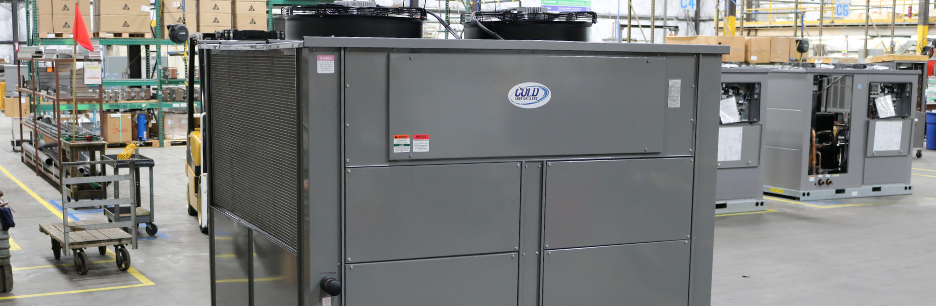
Buying used industrial equipment is common, and chillers are no exception. With potentially lower costs and faster availability, it can seem like a great deal. But is it the right move for your operation? Let’s walk through it together.
The Refurbishment Process for Chillers
Not all used industrial chillers are the same. Some are sold “as-is,” while others go through a refurbishment process. A properly refurbished chiller typically includes:
- A full inspection of key components (compressor, evaporator, condenser, controls)
- Replacement of worn parts (seals, gaskets, fans, etc.)
- Refrigerant recharge and leak testing
- Updated wiring and controls if needed
- Full performance test before shipping
Here’s the difference: a used water chiller might have been sitting in a warehouse for years. A refurbished one has been cleaned, tested, and often upgraded by professionals – either from the original manufacturer or a qualified third party.
Refurbishment isn’t a guarantee of perfection, but it greatly reduces the unknowns.
What You Should Know Before Buying a Used Chiller
There are a few key areas you’ll want to look at before signing off on a used unit.
1. What’s Your Application?
- Mission-critical process like MRI cooling or high-precision manufacturing? You’ll want maximum reliability.
- Less critical jobs like comfort HVAC or seasonal use? A used unit could be just fine.
Think about your tolerance for downtime. If a chiller failure means lost product or compliance issues, used may not be the best path.
2. How Old is the Unit & What’s its History?
Chillers typically last 15 to 25 years with good care. But that’s not a promise. Ask these questions:
- How many operating hours does it have?
- Was it used indoors or outdoors?
- Was it part of a high-stress application (24/7 process cooling)?
Chiller maintenance logs can be gold here. A five-year-old chiller with clean records is usually a better bet than a 12-year-old unit that’s been idle.
3. Can You Still Get Parts?
This is a big one. If the manufacturer no longer supports the model, servicing it can be a challenge. Some parts (especially older compressors and control boards) can be hard or expensive to find.
Make sure the unit is still supported, or that your service provider can work on it using third-party or compatible components.
4. How Efficient is it?
This part can hit your budget long-term. Older chiller systems often have:
- Lower EER/SEER ratings
- Outdated refrigerants (like R-22, which is being phased out)
- Less efficient compressors
If energy usage matters to you (or if local codes are tightening) you’ll want to do the math on total cost of ownership. A cheap chiller that doubles your power bill isn’t such a deal.
5. Any Warranty?
Used = typically no warranty.
Refurbished = maybe a short-term or limited one.
That matters if anything goes wrong post-install. If you’re on your own for parts and labor, make sure the price reflects the risk.
Q&A: Used vs. Refurbished vs. New
Q: Is a used chiller always cheaper in the long run?
A: Not necessarily. Upfront, yes. But higher energy costs or repair bills can add up fast.
Q: Are refurbished chillers reliable?
A: They can be. It depends who did the refurb and how thorough the process was.
Q: When is new the better choice?
A: If your application is critical, or if you want the latest in energy efficiency and tech, new is often worth the investment.
When a Used Chiller Makes Sense
- You’re on a tight budget
- It’s for temporary use or backup
- Your process isn’t high-risk
Let’s say you’re expanding your warehouse and just need seasonal cooling. A reliable used unit could be a great fit.
When You Should Stick With New
- Your application is critical to health, safety, or production
- You need guaranteed uptime
- Your team can’t afford unexpected repairs
For example, if a chiller failure means halted production or equipment damage, new is almost always safer.
Used chillers aren’t ideal for every situation. The right move depends on your process, budget, and tolerance for risk. If you’re considering a used or refurbished unit, make sure it’s been inspected, tested, and priced according to its condition and supportability.
Contact Cold Shot Chillers Today to Learn More
Looking for a reliable air-cooled and water-cooled chillers? If you’re exploring pre-owned units or need a custom new build for your application, Cold Shot Chillers can help.
We offer:
✓ Expert-inspected used water chillers
✓ Fully refurbished units with limited warranties
✓ Custom new chillers designed to spec
Contact us Today to discuss your industrial cooling needs and get matched with the right system.
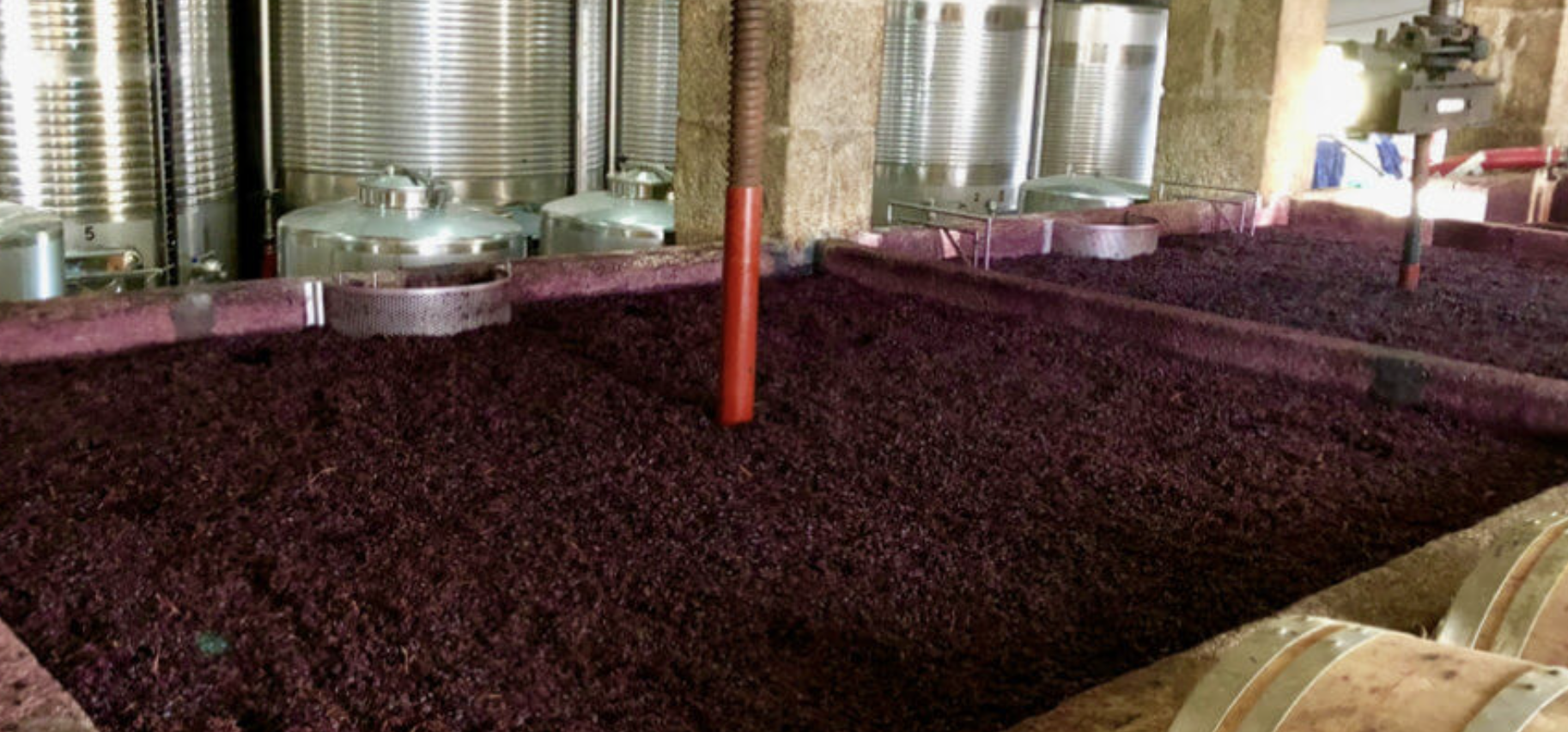
The process of making wine is deeply influenced by several factors, including grape fermentation, yeast strain, and fermentation temperature. Among these, temperature control methods are essential for achieving a well-balanced and high-quality finished wine.
Attempting to ferment wine in extreme conditions (either too cold or too hot) can negatively impact the entire fermentation process, resulting in poor flavor development and an unbalanced profile. Understanding the best temperature for fermentation based on the type of wine being produced ensures that complex flavors, aroma retention, and structural integrity are preserved.
What is the Best Temperature to Ferment Wine?
Finding the best temperature for wine making is not a one-size-fits-all approach. Different wines require different conditions for fermentation, which is why winemakers must carefully monitor and regulate temperatures throughout the process.
As a general rule, red wines ferment at higher temperatures for shorter periods, while white wines ferment at lower temperatures over extended periods. The temperature range significantly affects chemical reactions, such as how yeast interacts with sugars to produce alcohol and carbon dioxide, as well as the retention of volatile aromatics that contribute to the wine’s final taste and bouquet.
Red Wine Fermentation Temperature
For most red wines, fermentation occurs between 70°F and 85°F. This range allows for optimal tannin extraction and deep color development, which are essential for achieving the bold, structured characteristics of red wine.
If temperatures rise too high (approaching 90°F) the wine may develop an undesirable cooked or boiled flavor. To avoid this, winemakers often use temperature control methods such as wine coolers or a heating device to maintain stability throughout the entire fermentation process.
White Wine Fermentation Temperature
The fermentation vessel and temperature settings for white wine are quite different from those used for red wines. White wines typically ferment at cooler temperatures, usually between 45°F and 60°F, over an extended period to preserve their volatile aromatics and delicate complex flavors.
For example, the Sauvignon Blanc fermentation temperature is one of the lowest among white wines, typically ranging between 42 °F and 50 °F. This low-temperature fermentation ensures that the wine retains its crisp, fruity notes rather than allowing the yeast to produce overpowering esters.
How Fermentation Temperature Affects the Final Product
The temperature at which fermentation occurs impacts several key characteristics of the finished wine, including:
- Residual Sugar – Cooler fermentation slows down yeast activity, which can leave behind more residual sugar, creating a slightly sweeter wine.
- Aroma Retention – Lower temperatures preserve volatile aromatics, allowing for a more fragrant and nuanced wine.
- Tannin Extraction and Color Stability – Higher temperatures in red wine fermentation enhance tannin structure and deepen color intensity.
- Balance of Chemical Reactions – Temperature influences how yeast strains interact with sugars and acids, affecting acidity levels, alcohol content, and body.
By mastering temperature control methods, winemakers can fine-tune their craft, ensuring that each bottle of wine maintains its intended character, structure, and complex flavors.
How Do Wineries Control Wine Fermentation Temperature?
Since temperature fluctuations can disrupt fermentation and impact the finished wine, winemakers use various temperature control methods to maintain stability. These methods include:
- Fermentation Vessels with Cooling Jackets – Stainless steel fermentation vessels equipped with cooling systems help regulate temperatures throughout the entire fermentation process.
- Wine Coolers and Chillers – These are used to prevent overheating and to maintain the best temperature for both red and white wines.
- Heating Devices for Cold Climates – In cooler environments, a heating device may be used to ensure the yeast remains active and continues to convert sugars at an appropriate rate.
- Careful Grape Selection and Processing – The temperature of grapes before fermentation begins also affects the process. Some winemakers cool grapes before making wine to control the initial grape fermentation temperature.
Because the process of creating a high-quality wine is extremely sensitive, the best place to ferment wine would be within a controlled environment incorporating a winery chiller unit.
A glycol chiller unit can be employed to ensure an optimally regulated fruit wine fermentation temperature.
Using a mixture of glycol and water (33% glycerol solution) confers several benefits:
- Glycol has antifreeze properties, so it can be cooled to subzero temperatures without freezing and clogging up the chiller tubing
- It can provide additional lubrication for the chiller pump
- Glycol can hold heat longer than water resulting in greater heating/cooling efficiency
How Does A Winery Chiller Work?
A glycol chiller system is a refrigeration unit that works by cooling a tank of propylene glycol which is then pumped through a circuit of tubing connected to its input and output components.
When this tubing is connected to a heat exchanger on a fermentation vessel, the chilled glycol circulating though it pulls heat away from the process and reduces the fermentation temperature.
How a Winery Chiller Regulates the Fermentation Temperature
When chilled glycol is used as a coolant, it can be very effective in reducing the temperature at which fermentation occurs. However, there is still a tendency for the heat exchange process to overcool the fermenting wine, if left unchecked. This scenario is undesirable, as very low temperatures may shut down the process entirely.
Therefore, it is essential to maintain the temperature of the fermentation vessel at a specific level, which can be done in either of two ways.
1. Use Manual Shut-off Valves
Manual regulatory valves installed in a chiller system can be periodically opened or closed, depending on changes in the fermentation temperature. A major drawback to this approach is that it requires constant monitoring to be effective. Thus, the human error factor can compromise the quality of the final products.
2. Automated Regulation
This method uses a temperature-controlled solenoid valve connected to the tubing which is attached to the heat exchanger and a temperature probe installed in the wine fermentation vessel through a thermal well.
This mechanism will open or shut off automatically in response to changes in the temperature within the fermentation process, maintaining the temperature at a pre-programmed level.
Can a Winery Chiller Also Heat?
In addition to the refrigeration unit in standard winery chillers, some variants have a heating system pre-installed.
This modification is especially useful when fermentation is done under cold weather, for example, during winter in colder climates. Ordinarily, the low ambient temperature may slow or halt the fermentation process altogether, resulting in a poor-quality wine in these scenarios.
Cold Shot Can Meet Your Winery Process Chilling Needs
For over three decades, Cold Shot Chillers has been a trusted industrial chiller manufacturer of high-reliability closed-loop chillers for various production processes. We offer a wide selection of air-cooled chillers and water-cooled chillers suited for medium to large scale winery applications. Our highly motivated and experienced staff are available to offer invaluable advice to guide you to the chilling option best suited to your industrial process.
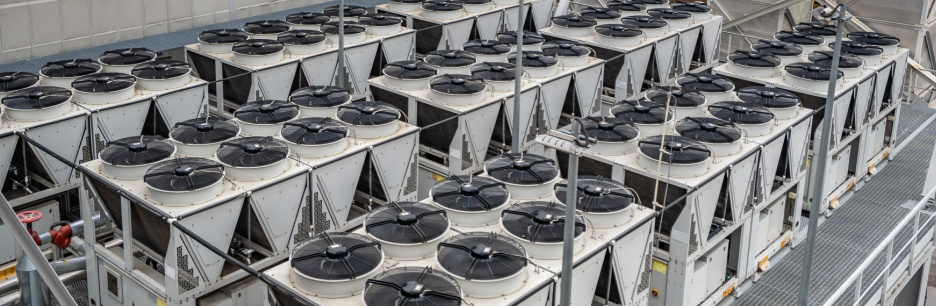
Many manufacturing and processing companies rely on industrial chillers to provide cooling for everything from machinery to finished goods. However, these systems use a lot of electricity, accounting for a large portion of energy use. Finding ways to make chillers run more efficiently is more important than ever. Here are some tips for increasing water and air-cooled chiller efficiency in 2025.
Why Optimal Chiller Efficiency Matters for Your Operations
Improving chiller efficiency can save money on electricity and reduce energy waste, which in turn helps lower carbon emissions.
Therefore, reducing the energy consumption of your industrial chiller benefits the environment by lowering greenhouse gas emissions and other pollutants. In addition, companies that can effectively use industrial chillers can gain a competitive advantage by reducing their production costs. This can ultimately help them become more profitable and sustainable in the long run.
How to Calculate Chiller Efficiency
Calculating chiller efficiency is easy when you use a formula based on the “coefficient of performance” (COP). COP measures the ratio of the cooling provided by the chiller (refrigeration effect) to the electrical energy it consumes. Both values are expressed in kilowatts (kW). This ratio helps determine how effectively the chiller uses energy.
For example, if an industrial chiller produces 3,000 kW of cooling while consuming 500 kW of electrical energy, its COP will be:
3,000 kW / 500 kW = 6
This means that the chiller produces 6 kW of cooling for every 1 kW of electricity consumed.
For the imperial calculation, you first have to convert BTU to kW. If your chiller’s total cooling is measured in BTU, multiply it by 0.000293 to convert it to kW before using this chiller efficiency formula.
6 Ways to Maximize Chiller Efficiency
The following tips can help maximize the efficiency of your industrial chiller:
1. Conduct Routine Maintenance
Keep a record of the system’s condition so you can easily detect any common chiller problems with the system. This will allow you to perform regular chiller maintenance to ensure that the unit operates at peak efficiency and reduces the likelihood of a breakdown.
A few examples of important maintenance include:
- Inspect and clean condenser coils regularly
- Check refrigerant levels and refill if needed
- Monitor and replace air or water filters
- Verify pump operation and inspect for leaks
- Test electrical connections and control panels
It is preferable to have a qualified technician perform the chiller repairs and preventative maintenance, particularly for tasks requiring technical knowledge, such as refrigerant handling.
2. Maintain Proper Refrigerant Levels
We mentioned refrigerant checks in routine maintenance — now let’s break down why keeping proper refrigerant levels is so important.
The efficiency of a chiller is closely related to how well the compressor can pump the refrigerant through the system. As a result, maintaining proper chiller refrigerant levels is critical to ensuring the compressor’s efficiency. Leaks are the primary cause of low refrigerant levels. So, make sure to monitor changes in refrigerant levels so that you can detect leaks.
3. Have An Effective Water Treatment Program
Open cooling sources in chiller condenser water loops can cause fouling and damage to the tubes, piping, and other materials. These may pit the tubes and decrease their effectiveness.
A cooling tower blowdown, for example, can assist in the removal of solids and contaminants. You can also carry out a visual inspection to ensure general water quality.
Expert Tip: Schedule a quarterly cleaning of cooling tower basins to remove debris and sludge that can harbor biological growth, improving overall system efficiency.
4. Don’t Neglect Fluid Quality
Chiller units have condenser and evaporator coils that require proper cleaning and monitoring. Impurities, scale, or debris can build up on condenser and evaporator coils, reducing heat transfer and forcing the system to work harder.
You should regularly test and treat the fluid to prevent corrosion, scaling, and biological growth. Use filtration systems to remove particles, and for water-cooled systems, add anti-scaling agents or biocides as needed. For glycol-based systems, monitor the concentration and replace degraded fluid to avoid damage.
Clean, properly treated fluid helps maintain efficient heat transfer and keeps the chiller running reliably.
5. Add a Variable Speed Drive (VSD)
Chiller motors are usually the largest single electrical load in a building. Most constant-speed compressors match capacity to load by using inlet vanes, which restrict the amount of gas that enters the compressor impellers.
However, this method isn’t very efficient at modulating chiller capacity. You can use variable speed drives to increase energy savings in the machine. They reduce the inrush current of the motor to nearly the same level as the amps used when operating at full capacity.
6. Increase Supply Temperatures
Most types of chillers are designed with a chilled water supply temperature to ensure proper dehumidification and an adequate supply of air temperature for occupant spaces during peak times. However, the system often fails to reach these peak weather conditions. Increased water supply temperature reduces the amount of energy required to transfer heat from the fluid to the refrigerant, resulting in higher water chiller efficiency.
Example: Raising the chilled water supply temperature by just 2°F can cut energy consumption by up to 3-5% in a commercial building without impacting performance during mild weather.
Get the Most Out of Your Chiller in 2025
Cold Shot Chillers is dedicated to ensuring that your business has access to the most efficient chillers for your operations. Upgrade to our dependable air-cooled and water-cooled chillers, designed to maintain ideal temperatures for your goods and machinery while maximizing energy efficiency.
Feel free to contact us today for more information about our high-efficiency chillers!
Why is propylene glycol so popular for industrial chillers? It is highly effective for freeze protection, making it a reliable solution for maintaining chiller systems in optimal condition. Let’s explore its benefits and best practices for use.
What is Propylene Glycol?
Propylene glycol fluid is an ideal solution for maintaining the right operating temperatures and preventing freezing in industrial cooling systems, like water chillers. Unlike water, propylene glycol has a lower freezing point, which makes it perfect for chillers that need to operate in colder environments.
How Propylene Glycol Works in Chiller Systems
In a chiller system, propylene glycol serves one main purpose: freeze protection. It circulates through the chiller, absorbing heat from the system’s components and releasing it into the atmosphere.
Simultaneously, the fluid’s antifreeze properties ensure the system doesn’t freeze in low temperatures. This is critical for maintaining continuous, reliable operation, particularly in environments where ambient temperatures drop significantly.
Why Use Propylene Glycol in Chillers?
Let’s take a look at some of the key benefits propylene glycol offers for your chiller system.
1. Freeze Protection
Of course the biggest advantage of using propylene glycol is its ability to prevent freezing in colder climates or in systems that operate at low temperatures. By lowering the freezing point of the coolant, it ensures that the fluid keeps moving through the system without the risk of ice formation, which can cause severe damage to the chiller.
2. Corrosion Inhibition
Many chiller components, such as heat exchangers and piping, are made from metals prone to corrosion. Propylene glycol chiller fluid is typically blended with corrosion inhibitors that protect these parts, extending the life of your equipment.
3. Non-Toxic and Safe
Unlike ethylene glycol, which is highly toxic, propylene glycol is safe for use in food and beverage processing environments. It’s non-toxic, making it the preferred choice in industries where contamination could pose a health risk.
Using Propylene Glycol in Your Chiller
Propylene glycol fluid is a great option for chillers, but here are a few tips to get the best performance:
- Proper Mixing Ratios – It’s essential to use the correct glycol-to-water ratio for your system. Too much glycol can decrease the heat transfer efficiency, while too little may not provide adequate freeze protection. Most systems use a 30% to 50% propylene glycol mixture, depending on the operating temperature.
- Regular Testing – Over time, the glycol concentration can change due to system leaks or water evaporation. Regular testing of the glycol mixture ensures that the fluid retains its protective properties.
- Corrosion Inhibitor Monitoring – Ensure that the corrosion inhibitors in your glycol mixture remain effective by monitoring their levels. Replenishing inhibitors as needed will keep your system running smoothly and prevent equipment damage.
Glycol Correction Factors
When using glycol in chiller systems, it’s important to account for capacity loss due to the fluid’s higher viscosity compared to water. To maintain efficiency, Cold Shot Chillers designs heat exchangers with 30% more surface area, ensuring full capacity when using a 30% water-glycol mix. If your glycol concentration exceeds 30%, contact us for guidance on the best chiller selection for your needs.
Is it Time to Consider Switching to Propylene Glycol?
If your current chiller system is prone to freezing issues or operates in a sensitive environment, it might be time to switch to propylene glycol chiller fluid. Whether you’re dealing with extreme weather conditions or you need a safer alternative to toxic coolants, propylene glycol can provide the protection and efficiency you need to keep your system running reliably.
If you’re looking to maximize your chiller’s performance, consider upgrading to Cold Shot Chillers’ propylene glycol chiller fluid.
Improve Chiller Performance with Cold Shot
Cold Shot Chillers offers INTERCOOL® P-300 Glycol, a high-performance, industrially inhibited propylene glycol fluid. Designed for demanding applications, this glycol delivers superior thermal stability, with an operating range from -60°F to 350°F. It’s formulated with advanced corrosion inhibitors and pH buffers, making it a reliable option for heavy-duty operations.
https://waterchillers.com/blog/propylene-glycol-fluid-for-chillers/
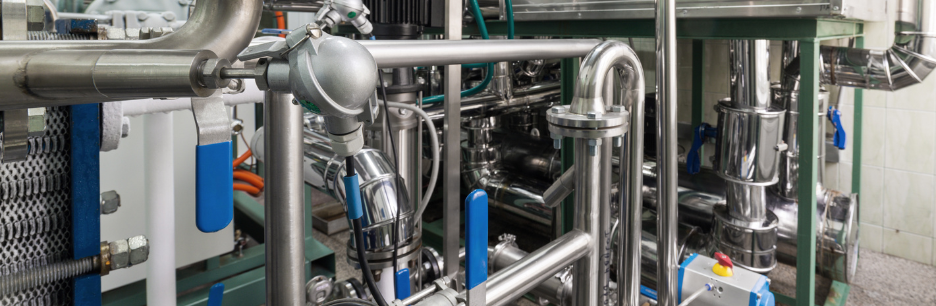
Close tolerance temperature control units are designed to maintain tight control over process temperatures, ensuring that operations run smoothly and meet the highest standards. Find out how these specialized systems are used to maintain product quality, improve efficiency, and protect your equipment.
Close Tolerance Temperature Control Units – An Overview
A close tolerance temperature control unit is a high-precision system that regulates temperature with an extremely narrow range of deviation. While standard temperature control units may allow for broader temperature swings, low temperature control systems are engineered to maintain the desired temperature within a tight window, typically within fractions of a degree. This precision makes them indispensable in industries where small temperature variations can lead to compromised product quality or equipment failure.
If you’re looking to upgrade your temperature control system, contact Cold Shot Chillers to learn more about our precision solutions.
How Do Close Tolerance Temperature Control Units Work?
Close tolerance systems work by continuously monitoring the process temperature and making rapid adjustments to maintain the setpoint. These units often feature advanced sensors and controllers that measure both the set value (desired temperature) and process value (actual temperature) in real time. A control valve regulates the flow of cooling fluid through a heat exchanger, ensuring the temperature remains within the precise range required for the process.
The system is designed to respond quickly to any changes, whether they are caused by fluctuations in load or external environmental factors. This constant adjustment is what allows these systems to keep temperatures so closely regulated.
The Cold Shot Chillers low temperature control system can deliver water temperatures down to as low as 33°F (near freezing). When properly sized and paired with one of our industrial chillers, the system can maintain temperatures within ±0.5°F of the set value. This constant adjustment is what allows these systems to keep temperatures so closely regulated.
How Close Tolerance Temperature Units Impact Your Process
Many processes depend on consistent, precise industrial cooling solutions. Here are a few reasons why low temperature control systems are critical:
- Product Quality — In industries such as pharmaceuticals, plastics, and food processing, even minor temperature deviations can compromise product integrity. Close tolerance temperature control units ensure that manufacturing processes operate under optimal conditions, safeguarding the quality and reliability of the end products.
- Process Efficiency — With better temperature management, industrial processes can run more efficiently. This can lead to reduced energy consumption and faster production times.
- Equipment Longevity — Sensitive machinery and equipment are protected from overheating and excessive wear, which can lead to costly repairs and downtime. By investing in temperature control systems, companies can extend the operational life of their equipment, making a more sustainable choice for their operations.
- Compliance — In regulated industries like food or healthcare, meeting strict temperature control requirements is essential for safety and compliance.
Cold Shot Chillers offers custom close tolerance temperature control systems that meet your exact specifications — learn more!
Applications of Close Tolerance Temperature Control Units
So, what industries benefit most from the precision of close tolerance temperature control units?
In the pharmaceutical industry, they ensure precise temperature control for chemical reactions and help maintain the stability of sensitive compounds.
In injection molding, these units regulate mold temperatures to ensure plastic products are formed correctly. (If the mold temperature fluctuates, it can lead to defects like warping or incomplete filling, ultimately affecting product quality and production efficiency.)
In the bakery industry, accurate temperature control is crucial for safety and quality, especially in processes like dough mixing. Any deviations in temperature can compromise food safety and shelf life, making reliable temperature control systems indispensable in the food industry.
Semiconductor manufacturing also heavily relies on close tolerance temperature control units. In this highly sensitive field, even minor temperature fluctuations can damage delicate electronic components, leading to defects and increased production costs.
Medical equipment, such as MRI machines, also requires precise temperature regulation to ensure optimal performance. Any temperature deviations can lead to malfunction or decreased imaging quality, underscoring the importance of reliable temperature control systems in medical applications.
Cold Shot Chillers Close Tolerance Solutions
When it comes to temperature control, precision is a necessity.
At Cold Shot Chillers, we specialize in providing low temperature control systems tailored to your industry’s specific needs. Our systems are designed with the latest technology to ensure maximum precision, reliability, and efficiency.
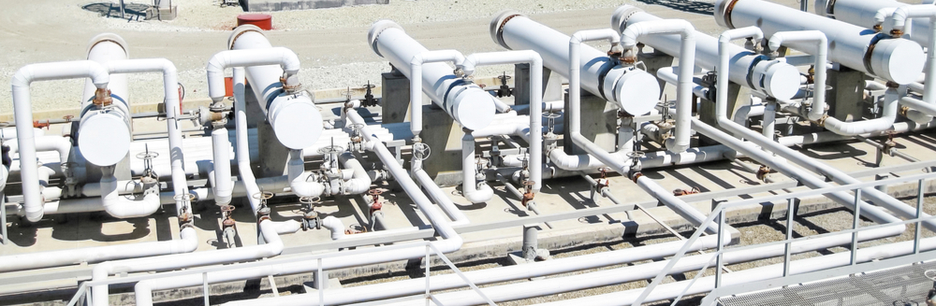
What are water-cooled condensers? How do they relate to water chillers? Well, they’re key to keeping industrial systems cool and running smoothly. Find out what makes these condensers so effective and why they’re a go-to for businesses that need reliable cooling.
What Are Water-Cooled Condensers?
A water-cooled condenser is a chiller component that removes heat generated by industrial or commercial processes. It plays a crucial role in maintaining optimal temperatures and ensuring the smooth operation of various systems.
How Does a Water-Cooled Condenser Work?
A water-cooled condenser works by removing heat from refrigerant vapor and transferring it to water. Here’s a breakdown of the process:
1. Refrigerant Vapor: The refrigerant, heated during the cooling process, enters the condenser as a hot, high-pressure gas.
2. Heat Exchange: Inside the condenser, the refrigerant vapor passes over coils or tubes filled with water. The water absorbs the heat from the refrigerant, causing the refrigerant to cool and condense into a liquid.
3. Heat Dissipation: The now-heated water is circulated out of the condenser and into a cooling tower or heat exchanger, where it releases the absorbed heat into the environment.
4. Cooling Cycle: The cooled refrigerant, now in liquid form, is then cycled back into the system to continue the cooling process, while the water is either cooled and recirculated or replaced.
This continuous cycle allows the condenser to efficiently remove heat, maintaining optimal temperatures in industrial and commercial applications.
Air-Cooled vs. Water-Cooled Condensers
In addition to water-cooled, there are also air-cooled and evaporative condensers. However, all condensers have a similar function, regardless of type. Their job is to cool a process or equipment by transferring heat away from a refrigerant gas.
Air-cooled condensers use ambient air to cool the refrigerant. Fans blow air over the condenser coils, which release heat from the refrigerant. This process effectively lowers the refrigerant temperature before it returns to the compressor.
Water-cooled condensers use water to absorb and remove heat from the refrigerant. Water circulates through a heat exchanger, picking up heat from the refrigerant and then transferring it to the outside environment via a cooling tower or similar system.
Benefits
- Indoor installation possible
- Quiet operation
- Energy efficient
- Long-lasting (with proper maintenance)
- Higher heat transfer rate
- Quick, hassle-free installation
- Shorter cooling time
- Low condensing temperature
- No external power needed
- Reduced operational costs
- Thermal energy recovery
- Suitable for large-capacity plants
- Compact size
How Water-Cooled Condensers and Chillers Are Related
An industrial chiller system’s condenser serves as a heat transfer device between a process and its external environment. Water-cooled chillers typically contain a condenser attached to a cooling tower.
The most common types of water-cooled chillers use water from an external tower to cool the gaseous refrigerant in the condenser. Once the heat is expelled, the refrigerant will undergo a phase change into a liquid to be recirculated into the system.
Types of Commercial Water-Cooled Condensers
There are three basic types of commercial water-cooled condensers:
1. Tube-in-tube condensers feature one tube inside another, with refrigerant flowing through the inner tube and water circulating around it. This design is compact and efficient, offering reliable performance in a small footprint.
2. Shell and coil condensers consist of one or more coils enclosed in a welded shell. It can be arranged horizontally or vertically and is generally the most compact and least expensive option.
3. Shell and tube condensers are one of the most common types used in commercial settings. They consist of a shell that houses a bundle of tubes. Refrigerant flows through the tubes while water circulates around them in the shell, transferring heat effectively. This design is robust and suitable for high-capacity applications.
Applications
Water-cooled condensers are utilized in a variety of popular industries, including medical manufacturing, dairy production, food processing, and brewing, to name a few.
- Drying: Used in processes that remove moisture from products, ensuring quality and stability.
- Process Heating: Supports heating needs in industrial processes, improving efficiency.
- Space Heating: Helps maintain comfortable temperatures in industrial and commercial spaces.
- Domestic Hot Water: Provides hot water for everyday use in kitchens, bathrooms, and other facilities.
- Wash Down Systems: Ensures effective cleaning in production areas by providing hot water on demand.
- Boiler Feedwater Treatment: Enhances the efficiency and longevity of boilers by treating the feedwater to prevent scale and corrosion.
Using an industrial chiller to provide cooling has numerous benefits. Water-cooled chillers produce consistent pressure and temperature for your processes, simplifying your job. In addition, these units recirculate the cooling water, minimizing overall water consumption, reducing costs, and helping the environment.
Partner with the Experts at Cold Shot Chillers
Wondering if a water-cooled condenser is right for your chiller system? Let us help! At Cold Shot Chillers, an industrial chiller manufacturer based in Houston, Texas, we have decades of experience in designing and manufacturing chillers. Our team can create equipment tailored to your specific needs.
Choosing a chiller can be tricky, given the variety of sizes and designs available. Whether you need a portable chiller unit for smaller operations or a large central chiller for cooling entire processes, we’ve got you covered.
Contact us online or call 1.800.473.9178 for a custom quote today!
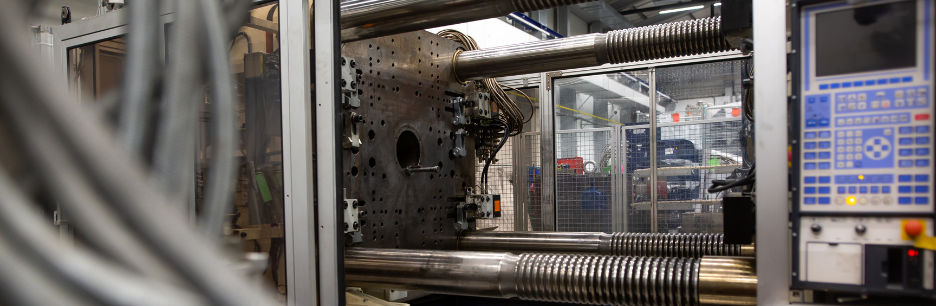
If you’re in the world of injection molding, you know how crucial it is to maintain precise temperatures throughout the process — and a key player in this equation is industrial chillers. Keep reading to learn why chillers are essential and how they enhance efficiency and quality in injection molding operations.
Why Chillers Matter in Injection Molding
Injection molding involves melting plastic pellets and injecting them into molds to produce a wide range of products. Maintaining consistent temperatures during this process is critical to achieving high-quality parts and preventing defects like warping or shrinkage.
Process chillers play a pivotal role in cooling the molds and ensuring that the plastic solidifies correctly before being ejected.
Injection Molding Process
The injection molding process consists of several key steps, each crucial to producing high-quality plastic parts.
- Injection: The first step involves injecting molten plastic material into a mold cavity under high pressure. Once the mold is filled, the injection phase concludes, and the cooling stage begins.
- Cooling: Cooling is perhaps the most critical phase in injection molding. Proper cooling ensures that the plastic solidifies uniformly, minimizing internal stresses and preventing defects like warping or shrinkage. Chillers are essential during this phase as they provide the necessary cooling to rapidly and consistently lower the mold temperature to the desired level. The system’s precise temperature control capabilities ensure optimal cooling rates, resulting in faster cycle times and improved part quality.
- Ejection: Once the plastic has solidified and cooled sufficiently, the mold opens, and the ejector mechanism pushes the finished part out of the mold cavity. Proper cooling facilitated by injection molding chillers ensures that the part retains its shape and dimensions, allowing for smooth ejection without damage or deformation.
How Chillers Enhance Efficiency
Industrial chillers are designed to provide precise and reliable cooling control, allowing for consistent temperatures throughout the injection molding cycle. Investing in the right water chiller unit brings several advantages that directly contribute to operational success and product quality:
- Consistent Cooling: A chiller system maintains precise temperatures, ensuring consistent cooling of molds. This consistency minimizes variations in part dimensions and reduces the likelihood of defects like warping or sink marks.
- Faster Cycle Times: Optimal cooling facilitated by a chiller system can lead to shorter cycle times. Quicker cycles translate to increased production throughput and overall efficiency.
- Improved Part Quality: Proper cooling provided by injection molding chillers results in improved part quality. Enhanced dimensional stability and reduced internal stresses lead to higher-quality finished products.
- Energy Efficiency: Modern water chiller systems are designed for energy efficiency, helping to lower operational costs by reducing energy consumption without compromising performance.
- Minimized Material Waste: By preventing defects such as warping and shrinkage, chillers reduce material waste. This not only saves on material costs but also supports sustainable manufacturing practices.
- Extended Tool Life: Consistent cooling and controlled temperatures extend the lifespan of injection molds, reducing the need for frequent mold replacements and maintenance.
- Process Control: Chillers offer precise temperature control, enabling operators to fine-tune cooling parameters for different materials and molds. This level of control enhances process repeatability and product consistency.
- Reduced Downtime: Reliable cooling provided by chillers helps minimize downtime due to mold-related issues, leading to increased production uptime and overall equipment effectiveness (OEE).
Incorporating a chiller system into your injection molding setup is a strategic investment that yields tangible benefits in terms of operational efficiency, product quality, and cost savings.
Cold Shot Chillers’ tailored chiller solutions maximize these benefits, empowering your injection molding processes to achieve optimal performance and success.
Explore Our Injection Molding Chillers
When selecting an injection molding chiller, factors such as cooling capacity, temperature control accuracy, energy efficiency, and footprint are crucial considerations. Our team of experts is here to guide you through the selection process, recommending the best chiller solution based on your specific requirements and budget.
Ready to optimize your injection molding processes with reliable cooling solutions? Explore our range of plastic processing chillers and discover how Cold Shot Chillers can help you achieve greater efficiency and consistency in your operations.
Contact us today for personalized assistance, and let’s take your injection molding processes to the next level!
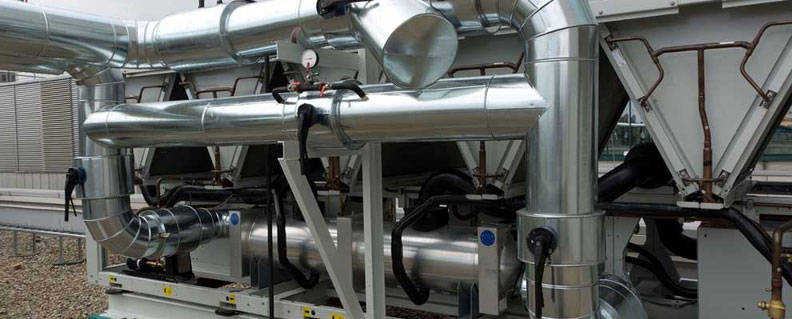
As a leading water chiller manufacturer, we understand the critical role that HVAC units play in various industrial settings. These systems are essential for maintaining optimal temperatures, ensuring the efficiency of operations, and protecting valuable equipment.
However, one aspect that is often overlooked is the importance of applying protective coating to HVAC systems. Below, we’ll explore why protective coating is essential for ensuring the longevity and performance of process cooling equipment in industrial environments.
What are Protective Coatings?
Protective coatings are specialized coatings applied to various components of heating, ventilation, and air conditioning systems to provide enhanced durability, corrosion resistance, and performance.
These coatings act as a barrier against environmental elements, chemicals, and pollutants, protecting critical components. Overall, protective coatings play a huge role in maintaining the integrity and functionality of process cooling systems in industrial and commercial settings.
Barrier Against Environmental Elements
Industrial facilities often face harsh conditions, including extreme temperatures, chemicals, and pollutants. Without adequate protection, HVAC units are susceptible to corrosion, rust, and degradation over time. By applying a protective coating, manufacturers can protect critical components of process cooling systems, such as coils, condensers, and cabinets, from the damaging effects of environmental exposure.
Humid Environments
This is especially important in places like water treatment plants or swimming pools, where humidity levels are high. A protective coating helps keep the system fully operational by preventing excess wear or degradation caused by the humid environment. Additionally, it extends the lifespan of individual parts, ensuring the system operates efficiently for longer periods.
Enhanced Durability and Resilience
Industrial environments pose unique challenges to HVAC systems, including heavy-duty usage, frequent operation, and contaminant exposure. Over time, these factors can take a toll on the equipment’s structural integrity, leading to premature wear and tear. The protective coating acts as a shield, reinforcing the surfaces of components and preventing premature degradation. As a result, process cooling systems can operate more efficiently and reliably, minimizing downtime and repair costs.
As an experienced chiller system manufacturer, Cold Shot Chillers recognizes the importance of quality coatings in enhancing the reliability and functionality of process cooling equipment. To learn more about how protective coating can benefit your commercial cooling equipment, contact us today.
Improved Energy Efficiency
Industrial facilities consume a significant amount of energy for heating, ventilation, and air conditioning purposes. Any inefficiencies or malfunctions in HVAC systems can lead to excessive energy consumption and increased operating costs. By applying a protective coating, manufacturers can optimize the performance of process cooling equipment, ensuring proper heat transfer, airflow, and thermal insulation. This, in turn, helps commercial and industrial facilities reduce energy consumption, lower utility bills, and enhance sustainability efforts.
Promotion of Cleanliness and Hygiene
Some workplaces are prone to the accumulation of dust, debris, and microbial growth, which can compromise the functionality of HVAC units and pose health risks to employees. Protective coating creates a smooth, non-porous surface that is resistant to dirt, mold, and bacteria, making it easier to clean and maintain process cooling equipment. By ensuring a clean and hygienic indoor environment, protective coating helps create a safer and more comfortable workplace for employees.
Discover Cold Shot Chillers Pro-Tec Coatings
Protect your process cooling equipment with Cold Shot Chillers’ advanced protective coating solutions. With Pro-Tec Coatings, operating efficiency on HVAC systems is improved by 9-15%, and the lifespan of heat exchangers is extended by at least five years. Other benefits include:
- Corrosion Protection: Pro-Tec Coatings provide superior protection against corrosion, extending the lifespan of HVAC units and reducing maintenance costs.
- Improved Energy Efficiency: Pro-Tec Coatings optimize the performance of process cooling systems, promoting proper heat transfer and airflow, which leads to improved energy efficiency and reduced operating costs.
- Customized Solutions: Cold Shot Chillers offers a range of Pro-Tec Coatings tailored to meet the specific needs of different systems and commercial applications.
- Long-Term Value: Investing in Pro-Tec Coatings from Cold Shot Chillers offers long-term value by protecting valuable assets, minimizing downtime, and optimizing performance.
- Expertise and Support: Cold Shot Chillers provides expertise and support throughout the coating application process, ensuring optimal results and customer satisfaction.
Contact us today to learn more about our comprehensive range of industrial cooling solutions and coating services!
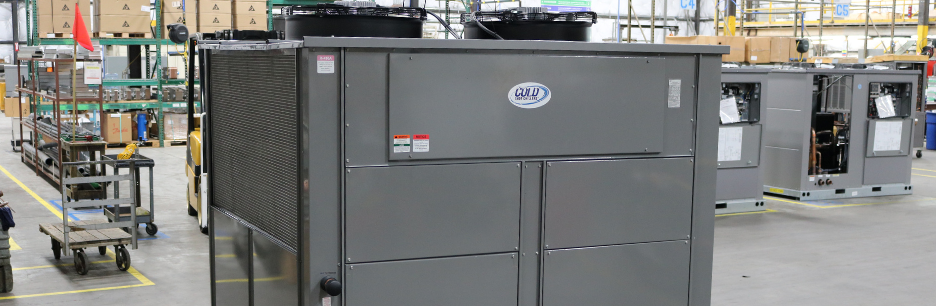
Whether you’re in manufacturing, data centers, food processing, or any other industry, the need for effective industrial cooling solutions is undeniable. But with so many cooling technologies and systems available, how do you find the right fit for your business?
The Importance of Industrial Cooling
Industrial processes can generate a significant amount of heat. Why is this a problem? Too much heat can lead to decreased efficiency, equipment malfunctions, and even safety hazards.
Industrial cooling systems are designed to regulate temperatures, ensuring that critical machinery and processes operate optimally. By doing so, they contribute to increased productivity, energy efficiency, and cost savings.
Comparing Cooling Technologies
Industrial process cooling systems encompass a variety of technologies designed to manage and maintain temperature in industrial settings. These systems are essential for ensuring the efficient and safe operation of machinery and processes. Here are some common types of industrial cooling solutions:
1. Air Cooling
Air cooling systems, like fans and air conditioning units, use the surrounding air to dissipate heat. They are cost-effective and work well in a variety of settings. However, their efficiency can be affected by high ambient temperatures.
2. Liquid Cooling
Liquid cooling systems use water or other coolants to remove heat from equipment. They are highly efficient and suitable for high-heat applications. Liquid cooling can be divided into direct and indirect systems, depending on whether the coolant comes into direct contact with the equipment.
Water chillers, specifically, are designed to cool water and then circulate the chilled water to absorb heat from industrial equipment or processes, effectively regulating temperature and preventing overheating.
3. Evaporative Cooling
Evaporative cooling relies on the principle of evaporating water to cool the air. It’s an energy-efficient solution, particularly in dry and hot climates. These systems are often used in data centers and industrial facilities.
Factors to Consider When Choosing Industrial Cooling Equipment
What should you know before buying an industrial cooling system? Key considerations include heat load, environmental conditions, energy efficiency, maintenance requirements, scalability, and the total cost of ownership. Each factor contributes to the suitability of a particular cooling solution for your business.
- Heat Load – Heat load refers to the total amount of heat generated by the equipment and processes in your facility. To choose the right industrial chiller, it’s crucial to conduct a detailed assessment of your heat load. This assessment involves calculating the heat output of individual machines and processes.
- Environmental Conditions – Consider the climate and surroundings of your facility. Some cooling technologies work better in specific environments. For example, air-cooled chillers are effective in locations with moderate temperatures, while water-cooled systems are suitable for areas with ample water resources.
- Maintenance and Reliability – Ensure that your chosen cooling system is reliable and easy to maintain to prevent downtime. Confirm that maintenance tasks, such as cleaning and component replacement, can be easily performed.
- Energy Efficiency – Opt for energy-efficient cooling solutions to reduce operational costs and environmental impact. Think about features like variable speed drives, precise temperature control, and heat recovery options.
- Scalability – Choose a cooling solution that can grow with your business and adapt to changing needs. Whether you require additional cooling capacity or need to downsize due to changing demands, a scalable system will help you optimize your investment.
- Cost of Ownership – Consider not only the upfront costs but also the long-term expenses associated with the chosen cooling system (energy consumption, maintenance, repairs, replacement parts, etc.).
Customized Solutions
Selecting the right industrial cooling equipment is a critical decision that impacts your business’s efficiency and bottom line. In many cases, companies require customized water-cooled chillers that perfectly align with their unique needs. This may involve a combination of cooling technologies, precise temperature control, or advanced monitoring and automation systems.
Get A Free Quote on Our Industrial Process Chillers Today
At Cold Shot Chillers, we understand the importance of finding the perfect cooling solution for your industrial processes. That’s why we offer a hassle-free way to get started. Whether you’re in manufacturing, food processing, or any other industry, our team is here to help you find the ideal industrial process chiller that meets your unique needs.
Getting a free quote is simple. Just reach out to us with your cooling requirements, and our experts will work closely with you to determine the most suitable type of chiller for your application. With our extensive experience and a wide range of chiller options, we’re committed to providing you with a customized solution that ensures the efficient and reliable operation of your industrial processes.
Ready to take the next step? Contact us today and receive a free quote on our industrial process chillers.