
Future-Proofing Winery Supply Chains
in a Volatile Market
Today’s wineries are collaborating with industry experts, reevaluating their marketing messages to grow a younger customer base and seeking innovative ways to cut costs as they contend with a challenging economy. Many are leveraging relationships with trusted business partners to help them adapt to changing consumer purchasing preferences, limit the impact of rising costs, and ensure consistent inventory amid tariffs and other disruptions, whether Section 301, anti-dumping, countervailing or the recent reciprocal tariffs.
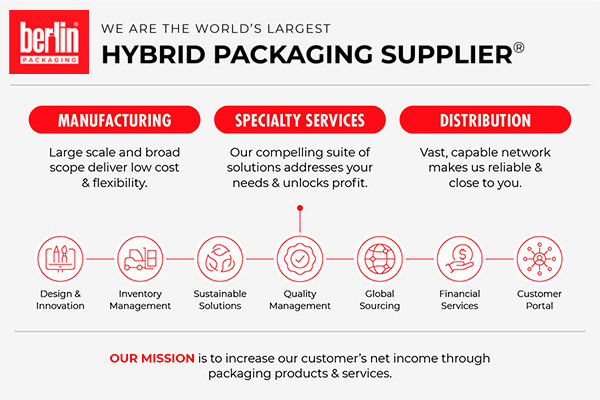
Berlin Packaging is the world’s largest Hybrid Packaging Supplier®, with extensive wine industry expertise and a suite of services to help their customers succeed in this ever-changing market. They partner with wineries and distributors of all sizes to deliver high-quality wine packaging solutions on time and within budget, despite ongoing challenges. “People in the winery business are very aware of what’s causing anxiety in today’s market,” says Paul Denton, a District Sales Manager in Berlin Packaging’s Napa office. “They see solid businesses closing tasting rooms and an uptick in consolidations. It's a time of great uncertainty, not only in the marketplace but also in the supply chain.”
Berlin Packaging’s scope is global, but its approach is local. Its 400,000-square-foot Napa facility is one of 30 warehouses in North America and more than 100 worldwide. Denton explains, “Nobody has a crystal ball to know what the next tariff is going to be, but we have a scale that most of our competitors don’t, which allows us to develop redundancies not only domestically but also around the world. The global reach of our highly diversified supply chain helps protect our customers' supply chains with redundancies that allow us to pivot quickly in times of economic disruption to mitigate the impact of global and domestic economic fluctuations.”
Denton adds that “Berlin Packaging has invested heavily in demand planning services to ensure continuity of supply.” The local team works closely with each customer to pre-plan, ensuring stock is sourced at the best costs, in inventory, and ready for repacking and delivery when needed. Its inventory management system is now available online for customers to track their orders 24/7. It also dedicates 25,000 square feet to an automated repack line, where it can pack glass into any desired configuration.
Berlin Packaging’s commitment to client success extends beyond supply chain management, warehousing, and demand planning to include other value-added services, like custom structural design, label design, and brand strategy. Their award-winning Studio One Eleven innovation division has a team of 125 industrial and graphic designers, engineers, business strategists, process consultants, and market researchers across nine locations worldwide. They provide their services at no cost to their customers in exchange for packaging supply contracts.
Berlin Packaging also adds immeasurable value with complimentary in-house glass testing in Napa and on-site bottling line quality assessments. Combined with strong supplier partnerships and supply chain expertise, they help customers maintain quality and continuity, even for products sourced elsewhere.
To learn more about how the local Berlin Packaging team can leverage its global scale to help your business increase its buying power, lower its costs, and protect its supply chain, visit our website or call 800.2.BERLIN.

The calendar flip from 2024 to 2025 heralded several new packaging regulations, rulemaking updates, and bills with significant implications for consumer packaged goods in North America and Europe.
Recent packaging legislation is reshaping packaging requirements for waste reduction, recyclable materials, circularity, and sustainability. However, actions by the Trump Administration may defer regulatory action at the U.S. federal level and shift packaging-related policies.
EPR Packaging Laws
Five U.S. states—California, Colorado, Oregon, Maine, and Minnesota—have passed extended producer responsibility laws for packaging. While each state's requirements vary, they share common goals of reducing packaging waste, enhancing recycling efforts, and holding producers (e.g., brand owners) accountable for the life cycle of their products.
Since the start of the year, nine states have introduced or re-introduced EPR packaging bills. They include Washington, Tennessee, Hawaii, New York, Connecticut, Nebraska, Illinois, Maryland, and Massachusetts. In November 2024, New Jersey introduced the Packaging Product Stewardship Act.
Oregon
In November 2024, Oregon finalized rules for its Plastic Pollution and Recycling Modernization Act. The updated EPR packaging rules, effective July 1, 2025, added covered product exemptions and calculated the costs the producer responsibility organization (PRO) will pay to recyclers or municipalities.
By March 31, 2025, producers must pre-register with and report their 2024 supply data to the PRO. In July 2025, producers will start paying fees to the PRO, and the EPR program will begin rolling out a list of acceptable recyclable materials to help local governments and businesses determine what is and what's not suitable for recycling in the state.
Large producers (top 25) must conduct life-cycle assessments (LCA) every two years on at least 1% of the covered products (SKUs) they sell or distribute in the state. These producers must disclose LCAs for 1% of their SKUs by Dec. 31, 2026. Furthermore, any producer can voluntarily perform an LCA to receive an eco-modulation fee adjustment.
Maine
In December 2024, Maine finalized rules for the state's EPR packaging law, which will take effect in 2027. Producer payments will directly reimburse local governments for waste management costs. The amount each producer pays will correspond to the volume it generates and the recyclability or reusability of its packaging.
Producers must make 50% of their packaging "readily recyclable, reusable, or compostable" by 2030. This percentage increases to 75% by 2040 and 100% by 2050. In addition, producers must reduce the weight of their packaging by 40% by 2040 and 60% by 2050. Calculated by weight for applicable packaging materials, PCR content should be no less than 10% by 2030, no less than 20% by 2040, and no less than 30% by 2050.
Colorado
In Colorado, producers will begin reporting their packaging volume in August 2025, submitting data covering Q1–Q2 of 2025. Producer fees, based on the quantity and weight of covered materials, must be paid by Jan. 1, 2026.
California
On Dec. 31, 2024, California released two new reports—Updates to Covered Material Categories and Source Reduction Baseline Report—related to its EPR packaging law (SB 54 Plastic Pollution Prevention and Packaging Producer Responsibility Act ("SB 54")), which comes into force on or before Jan. 1, 2027.
The Updates to Covered Material Categories lists 94 categories of packaging materials and types (e.g., plastic, glass, metal, paper and fiber, ceramic, etc.), with 45 considered "recyclable" and 11 deemed "compostable."
SB 54 requires a 25% source reduction in single-use plastic packaging and food service ware by 2032. The Source Reduction Baseline Report estimated the amount (i.e., total plastic components and total weight of plastic) of single-use plastic packaging sold, offered for sale, or distributed in the state in 2023.
According to the report, more than 2.9 million tons of plastic went into producing single-use plastic packaging and plastic food service ware. Collectively, these items consisted of 171.4 billion plastic components. Using these baseline figures, the PRO must reduce single-use plastics by approximately 725,000 tons and 43 billion components by 2032.
To continue selling plastic foam food service ware in California, producers must prove that all expanded polystyrene packaging and food ware meets a 25% recycling rate as of Jan. 1, 2025.
In early March 2025, Governor Gavin Newsom directed CalRecycle (i.e., the state agency responsible for overseeing SB 54) to restart the regulations because of cost concerns for businesses and consumers. In response to Newsom's action, CalRecycle stated it will work with various stakeholders in the next 12 months to develop rules that balance the need to cut plastic pollution while minimizing costs to families and small businesses.
The 2032 deadline of reducing single-use plastic by 25%, recycling 65% of single-use plastics, and ensuring 100% of single-use packaging is recyclable or compostable remains in effect.
Minnesota
In February 2025, Minnesota selected the Circular Action Alliance (CAA) as its initial PRO to implement the state's EPR packaging law. CCA also acts the PRO for EPR packaging programs in California, Colorado, and Oregon. In Minnesota, producers must register with the PRO by July 1, 2025.
Quebec
Similar to the U.S., Canada does not have a national or federal EPR packaging law. However, EPR programs are firmly entrenched in Canada. Many Canadian provinces and territories either operate or are working on packaging-related EPR programs.
On Jan. 1, 2025, Quebec instituted new rules for package recycling, making them universal for the entire province. Under the new EPR recycling program, consumers can now dispose of various types of containers, packaging, and printed materials in the same recycling bin. Exceptions include pressurized metal containers, polystyrene protective packaging, and biodegradable or degradable plastics.
Producers are charged fees for the expanded recycling program, with lower payments for packaging that's easily recyclable, lighter in weight, constructed of mono-material, and not over-packaged.
State PCR Content Laws
Five U.S. states mandate minimum PCR content requirements in plastic packaging. They include California, Connecticut, Maine, New Jersey, and Washington. Here's a rundown of several PCR rules taking effect this year:
- On Jan. 1, 2025, the minimum amount of PCR content in beverage bottles in California increased from 15% to 25%.
- In New Jersey, manufacturers/brand owners of products covered under the legislation must submit first-year compliance reports by July 18, 2025, and annually thereafter.
- In 2025, plastic packaging for household cleaners and personal care products in New Jersey must contain a minimum PCR content of 15%. This percentage increases to 25% by 2028 and 50% by 2031.
Single-Use Plastics Rules
Several states have passed laws restricting small single-use plastic bottles for shampoos and personal care products at hotels. On Jan. 1, 2025, New York banned these mini bottles for hotels with 50 and over rooms. For hotels with fewer than 50 rooms, the ban will go into effect in 2026. California has a similar law that took effect in 2023 (larger hotels) and 2024 (smaller hotels).
On July 1, 2025, an Illinois law will ban hotels with 50 or more rooms from offering small single-use plastic personal care bottles. On Jan. 1, 2026, the law will extend to hotels with fewer than 50 rooms. Washington state has a similar law that will take effect in January 2027. In response to these regulations, several major hotel chains have voluntarily agreed to remove the mini bottles in favor of wall-mounted refillable containers.
The EU's Packaging and Packaging Waste Regulation (PPWR) came into force on Feb. 11, 2025, with a general application date of PPWR provisions on Aug. 12, 2026. The new regulation aims to prevent and reduce packaging waste (EU member states must achieve a 65% recycling rate of all packaging waste generated by Dec. 31, 2025), make all packaging in the EU market economically recyclable by 2030, increase the use of recycled content in plastic packaging, decrease the use of virgin materials, and put the packaging sector on track to climate neutrality by 2050.
The new rules include certain restrictions on single-use plastics, such as pre-packed fruits and vegetables weighing less than 1.5 kg and individual portions of condiments, sauces, and sugar in hotels, bars, and restaurants. By 2029, 90% of single-use plastic and metal beverage containers up to three liters will have to be collected via deposit-return systems or other solutions that meet the collection target. Single-use plastic beverage bottles must contain at least 30% PCR content by 2030 and 65% PCR content by 2040.
PPWR calls for packaging reduction targets of 5% by 2030, 10% by 2035, and 15% by 2040, compared to 2018 numbers. It also supports reuse models, with at least 10% reusable packaging by 2030, and 40% by 2040 in specific categories. Forty percent of transport packaging used within the EU, including e-commerce, must be reusable by 2030. This reuse requirement rises to 70% by 2040.
The EU regulation addresses EPR by strengthening producer obligations to ensure end-of-life management of packaging materials, shifting financial and operational responsibility to manufacturers and importers, and incentivizing sustainable packaging designs through eco-modulated fees.
The information contained in this article is intended for general information purposes only and is based on information available as of the initial date of publication. No representation is made that the information or references are complete or remain current. This article is not a substitute for review of current applicable government regulations, industry standards, or other standards specific to your business and/or activities and should not be construed as legal advice or opinion. Readers with specific questions should refer to the applicable standards or consult with an attorney. It is the customer’s responsibility to determine whether its filled product is subject to any applicable government regulations and to ensure compliance with such regulations.
A look at the trends influencing wine packaging design & innovation.
Introduction
U.S. wine total volume is expected to remain relatively flat for the next several years, while value will grow due to price increases and the persistence of the premiumization trend. In the crowded and increasingly challenging wine market, effective package design can help a brand get noticed and appeal to consumers.
This report looks at several key trends impacting wine package design, from authentic storytelling to interactive engagement to environmentally and socially responsible solutions.
Authenticity
According to a recent GlobalData study, three out of four consumers consider product/brand authenticity essential or nice to have when making purchase decisions. This attitude is especially true among older generations and higher-income earners, a key demographic for wine sellers. Authentic brands are perceived as genuine, original, and transparent, providing quality assurance and trust. Euromonitor notes, “Currently, wine consumers in the U.S. highlight the benefits of a unique experience when it comes to wine. Since wine prices are already relatively high for consumers, they look for added value, and part of this is the need for authenticity and small-scale production.”
Consumers are increasingly interested in the story behind their wine, and packaging plays a key role in communicating an authentic narrative.
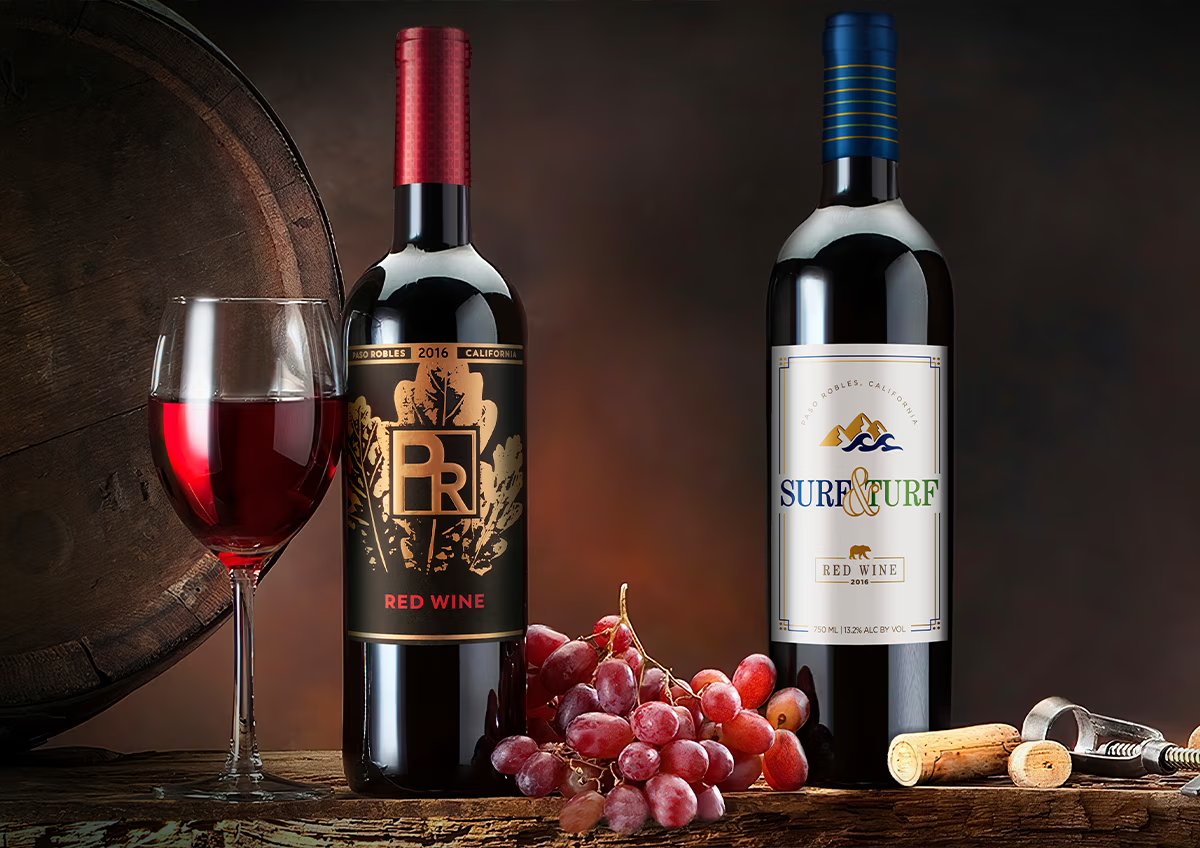
Whether focusing on a winery’s origins, regionality, heritage, production methods, or something else that makes the brand special, package design that shares an authentic message can connect with consumers and “humanize” the brand. Wine label designs with geographic motifs, map symbols, vineyard graphics, and more can help create a sense of place and communicate a regionality or local origin story. Studio One Eleven® developed packaging for PR, a Paso Robles red. The city is known for - and named after - its majestic oak trees. The Studio’s graphic designers created artwork that depicts the beauty and uniqueness of the oak leaf, creating a sense of place and authenticity for this California cabernet. A dramatic color palette of black, gold, and red reflects the wine’s robust, bold flavor, and elegant details like metallic foil and a patterned capsule suggest premium quality.
Transparency
Today’s consumers are increasingly health-conscious and paying more attention to the food they eat and the beverages they drink. They read labels carefully, scrutinize ingredient lists, and pay close attention to nutritional claims. People want to consume better, leading to a growing desire for healthier wines and improved ingredient transparency.
According to a study by the Wine Market Council, 38% of U.S. consumers believe that wines should include an ingredient list.
Given the consumer focus on health and wellness, packaging plays a key role in demonstrating a product’s health attributes. Beyond listing ingredients, label designs that clearly communicate calorie counts, lower ABV content, organic certifications, and more can appeal to health-conscious consumers and build trust. Studio One Eleven developed graphics for Chateau Diana’s non-alcoholic wine. The large zero graphic and prominent “Alcohol Removed Wine” statement quickly communicate the product’s alcohol-free positioning. Smart technology like QR codes allows brands to share detailed information about their products, production methods, ingredients, sustainability initiatives, and more to demonstrate transparency in a more expansive way.
Minimalism
The wine aisle is filled with package designs of all styles, and while that isn’t likely to change, minimalist design is gaining popularity. This refers to brand design that embraces a simple, subdued, and uncluttered aesthetic. For some consumers, minimalist design provides a small mental escape from today’s everyday stressors and a visual break from over-stimulation. For others, minimalism signals sustainability, and pared-back design without all the “bells and whistles” aligns with their values of conscious consumerism.
A recent Journal of Marketing study of 1,300 packages in the largest supermarket chain in the U.S. found that “consumers often assume that simple packaging signals few ingredients, which enhances perceived product purity.”
Minimal brand design is often associated with premium or “clean” products with higher quality or fewer ingredients. Being selective with front-of-pack copy and imagery maintains a minimal aesthetic that appeals to consumers. Custom and eye-catching bottles can nicely complement minimalist label designs. Studio One Eleven created a custom bottle for Rosae by Bodegas Arzuaga with vertical debossed ribbing that adds uniqueness while maintaining an elegant simplicity that elevates the minimalist label design.
Interactivity
A recent GlobalData study found that 42% of global consumers are always or often influenced by how digitally advanced or ‘smart’ the product or service is. As mentioned, QR codes can provide information about a wine or winery. They can also allow for personalized, customized, or seasonal content, including food pairing suggestions.
Younger consumers are especially interested, with one in four Gen Z and Millennials saying that interactive packaging is a key purchase driver.
Beyond QR codes, other innovative technologies can help create unique, immersive, and entertaining user experiences. 19 Crimes, Rabble, and Phantom are just a few brands using augmented reality to bring their wine labels to life. Technology-enhanced labels can also prevent counterfeiting within the fine wine industry by providing product tracing and authentication. According to Sommelier Business, the global market for counterfeit wine is estimated to be around $65 billion.
Responsible Design
Consumers want to support brands that align with their values and lifestyle choices, with ongoing demand for environmentally and socially responsible products. Using recycled materials, lightweight bottles, biodegradable inks, and sustainable labels can appeal to eco-conscious wine consumers. Berlin Packaging has a portfolio of sustainable wine packaging options, including our in-house carbon-reduced and compensated Aurelia wine bottle with a quantifiably lower environmental footprint than a conventional wine bottle. We produce Aurelia using furnaces powered by biomethane, a renewable energy source obtained from waste and certified by Eco Power. Along with the Aurelia, we offer the Helium Mixology bottle. Helium is made with lightweight and half-flint glass, which can incorporate up to 75% recycled glass.
Berlin Packaging has a dedicated team of sustainability experts to help brands meet their goals with our expansive suite of sustainability services ranging from quantitative assessments to sustainability communications strategies and more.
Inclusive and accessible design is also becoming important to socially-minded consumers. Studio One Eleven is proud to have designed the label for Flor de Chasna, incorporating braille to ensure the wines can be enjoyed by everyone. This thoughtful detail demonstrates the brand’s strong commitment to fostering inclusivity.

Reuse and refill systems, materials science and circularity are driving growth and differentiation
Sustainability in packaging is no longer “nice-to-have” — it’s a core expectation for businesses and consumers alike. As global regulations tighten, supply chains evolve and consumer preferences shift toward responsible products, brands are under pressure to deliver sustainable solutions without compromising performance or aesthetics.
At Berlin Packaging, we’ve made it our mission to help brands navigate this complex landscape. Below are some of the most pressing questions about sustainability in packaging and insights into how we’re driving innovation to meet the challenges of today and tomorrow.
Q: What sustainability trends are shaping the future of packaging?
Several key trends are redefining the landscape. The rise of reuse and refill systems is prominent, particularly in beauty, personal care, home care and even some food sectors. These systems reduce single-use waste and forge deeper consumer connections, but their success hinges on careful consideration.
Beyond reuse, we’re seeing a powerful move toward designing for circularity. Brands are actively rethinking packaging to maximize its potential for reuse, recycling or composting. This often involves adopting mono-materials to simplify recycling processes, using higher percentages of post-consumer recycled (PCR) content to drive demand for recyclables, or scaling material substrates that offer inherent sustainability advantages.
At Berlin Packaging, we’re helping brands navigate all of these trends. By taking a holistic approach, we ensure our clients are well-positioned to balance sustainability with market competitiveness.
Q: What are the biggest challenges brands face when it comes to sustainability?
One of the most daunting challenges is the sheer complexity of the regulatory landscape. Sustainability regulations are evolving rapidly and vary significantly across geographies. What works in Europe may not be compliant in North America.
Another key challenge is determining the optimal sustainability solution for a specific product and brand. Brands need to carefully evaluate factors like environmental impact, cost, performance and consumer appeal before making a decision. This requires a deep understanding of the entire packaging lifecycle.
Successfully sourcing sustainable materials also presents a significant hurdle. Securing reliable supplies of recycled materials at scale can be difficult, and ensuring ethical sourcing practices throughout the supply chain adds another layer of complexity.
We’ve evolved our sustainability offerings across our products, platforms and consulting services to address these challenges. Our goal is to provide our clients with the knowledge and tools they need to navigate the complexities of sustainable packaging successfully.
Q: How should brands approach sustainability in packaging?
Sustainability isn’t a one-size-fits-all solution. When working with a brand, we often start by conducting a comprehensive assessment of a brand’s existing packaging portfolio and supply chain. This allows us to identify opportunities for improvement across the entire lifecycle, from raw material sourcing to end-of-life disposal. Setting clear, measurable sustainability goals is also crucial. These goals should be aligned with the brand’s overall business objectives and should be ambitious yet achievable.
Q: What does sustainable innovation look like in packaging?
True sustainable innovation is a fundamental rethinking of the entire packaging system. For example:
- We’re developing systems that reduce waste while enhancing consumer convenience.
- We leverage cutting-edge material science, developing novel bio-based material solutions, advanced recyclables, paper-based options and more.
- Our teams ensure products can be easily recycled or repurposed.
- Digital technologies like QR codes enable transparent communication about sustainability impact.
Sustainability in packaging presents both challenges and opportunities, but with the right approach, it can become a powerful driver of growth and differentiation. At Berlin Packaging, we’re committed to partnering with brands to unpack their full sustainability potential while accelerating progress toward a circular economy.
To learn more about how we can help your business achieve its sustainability goals, visit berlinpackaging.com/sustainability.
About the author
Balaji Jayaseelan has 15+ years of experience leading sustainability, ESG and innovation strategy across startups and consumer brands.
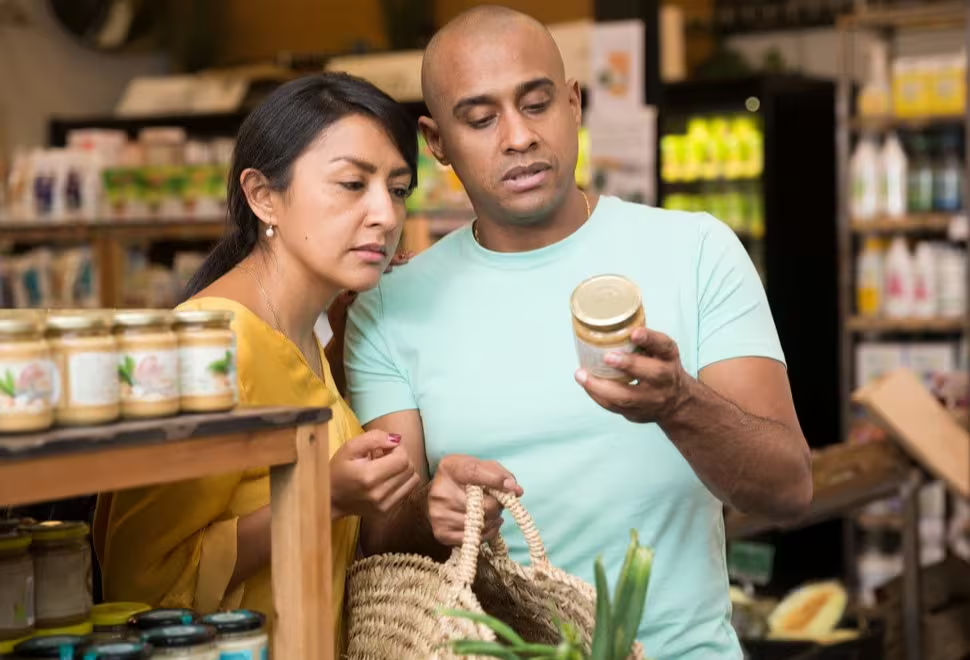
In an era where consumers are increasingly focused on diet to maintain a healthy lifestyle, the U.S. Food and Drug Administration (FDA) and other groups are taking steps to help Americans better understand food and beverage labels.
The agency's recalibration of the "healthy" labeling criteria and introduction of a front-of-pack nutrition label offer the potential to reshape food product development while empowering consumers to make more informed dietary choices.
Redefining 'Healthy'
The FDA's definition of "healthy" has remained mostly unchanged since the 1990s, leading to a disconnect between scientific advancements in nutrition and food marketing. Under the new labeling rule, foods labeled as "healthy" must align more closely with the 2020–2025 Dietary Guidelines for Americans.
The voluntary regulation goes into effect on April 28, 2025. Brand owners have three years to comply. There is no maximum or minimum type size for using the term "healthy" on packaging.
To qualify for the "healthy" label claim under the updated definition, a food product must contain a certain amount of food from at least one of the food groups or subgroups, such as fruit, vegetables, grains, legumes, fat-free and low-fat dairy, and lean game meat, recommended by the Dietary Guidelines. The food product also must meet specific limits for added sugars, saturated fat, and sodium.
With these changes, more foods that are key to healthy eating habits will qualify for the "healthy" labeling claim, possibly making them easier for consumers to identify when shopping. These foods include nuts and seeds, eggs, higher-fat fish such as salmon, olive oil, avocados, water, coffee, and tea.
In the past, products such as highly sweetened cereal, highly sweetened yogurt, fortified white bread, and snack bars high in added sugars met the "healthy" labeling criteria. Those products no longer qualify to use the "healthy" claim under the amended definition.
In addition to revising the "healthy" criteria, the FDA is actively developing a universal "healthy" graphic symbol that brand owners can display on the packaging. This visual cue would complement the term "healthy," making it easier for consumers to recognize foods quickly that align with the updated nutritional standards.
Front-of-Pack Labeling
Alongside the revamped "healthy" criteria, the FDA is considering a standardized Front-of-Pack (FOP) labeling system designed to provide quick, at-a-glance nutrition information. "If finalized, the proposal would give consumers readily visible information about a food's saturated fat, sodium, and added sugars content—three nutrients directly linked with chronic diseases when consumed in excess," stated the FDA.
The proposed FOP nutrition label, also referred to as the "Nutrition Info box," provides information on saturated fat, sodium, and added sugars content in a simple format showing whether the food has "Low," "Med," or "High" levels of these nutrients and their percent Daily Value (DV). It complements the FDA's iconic Nutrition Facts panel, which gives consumers more detailed information about the serving size, calories per serving, and the nutrients in their food.
A "Low" designation represents a 5% DV or below. A "Med" term signifies a 6% to 19% DV, while a "High" moniker indicates a 20% DV or above. The box would have to appear on the upper third of the principal display panel with a minimum 8-point type size.
In 2023, the FDA conducted an experimental study of nearly 10,000 U.S. adults to explore consumer responses to three different FOP labels. The study revealed that the black-and-white Nutrition Info scheme with the percent Daily Value performed best in helping consumers identify healthier food options.
If the proposal becomes law, it will require food manufacturers with $10 million or more in annual sales to add a Nutrition Info box to the front of most packaged food products three years after the final rule's effective date. Brand owners with less than $10 million in annual sales will have four years to comply.
The FDA will accept comments on the proposed rule until May 16, 2025.
'Alcohol Facts' and Allergen Labeling
Another U.S. government agency, the Treasury Department's Alcohol and Tobacco Tax and Trade Bureau (TTB), has recently proposed two new regulations for labeling malt beverages, wine, and distilled spirits.
In its Federal Register Notice No. 237, the TTB proposed an "Alcohol Facts" label disclosing the serving size, servings per container, alcohol content as a percentage of alcohol by volume, fluid ounces of pure ethyl alcohol per serving, calories per serving, and grams per serving of carbohydrates, fat, and protein.
The TTB proposed a compliance date of 5 years from the date of a final rule published in the Federal Register. Stakeholders can comment on the proposed rule until April 17, 2025.
TTB's other labeling proposal, Federal Register Notice No. 238, calls for mandatory allergen labeling on alcoholic beverages. Under the proposed rule, the label must declare milk, eggs, fish, crustacean shellfish, tree nuts, wheat, peanuts, soybeans, and sesame, as well as ingredients that contain protein derived from these foods, if used in the production of the alcoholic beverage.
Like the "Alcohol Facts" proposal, stakeholders have until April 17, 2025, to submit their comments on the allergen labeling rule. It also has a compliance date of 5 years from the date of a final rule published in the Federal Register.
The information contained in this article is intended for general information purposes only and is based on information available as of the initial date of publication. No representation is made that the information or references are complete or remain current. This article is not a substitute for a review of current applicable government regulations, industry standards, or other standards specific to your business and/or activities and should not be construed as legal advice or opinion. Readers with specific questions should refer to the applicable standards or consult with an attorney. It is the customer’s responsibility to determine whether its filled product is subject to any applicable government regulations and to ensure compliance with such regulations.
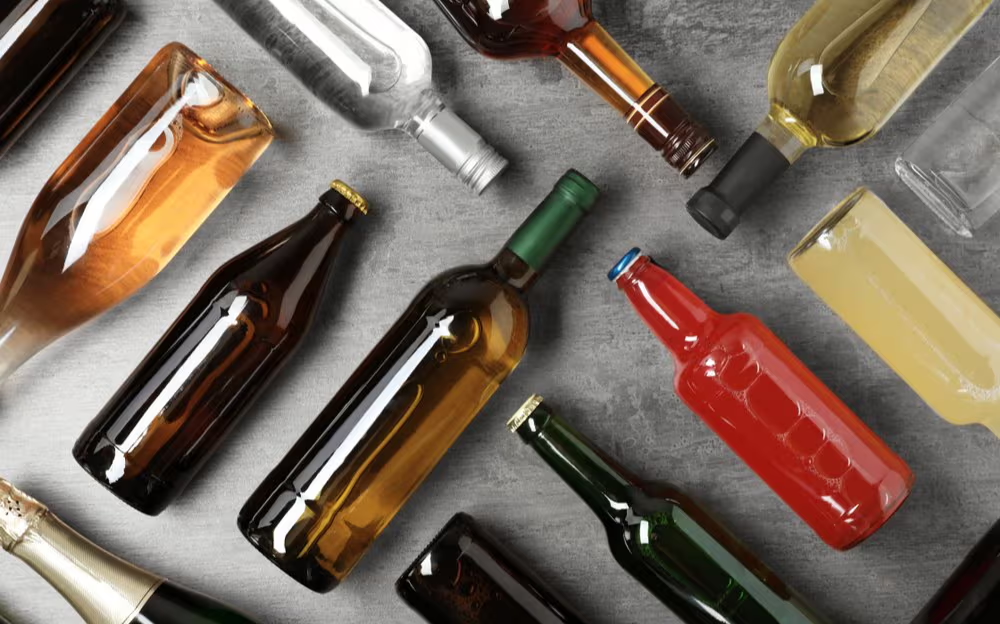
In January 2025, the U.S. Treasury's Alcohol and Tobacco Tax and Trade Bureau (TTB) issued a final rule to add 13 additional standards of fill (i.e., the amount of liquid in a container) for wine and 15 additional standards of fill for distilled spirits, allowing new packaging sizes and formats (e.g., glass for single-serve spirits-based drinks). This rule may reshape market dynamics, foster innovation, and enhance consumer choice.
Expanding the range of allowable container sizes enables the U.S. to align with global packaging standards, making it easier for domestic producers to compete internationally and for imported products to enter the market without costly repackaging. This regulatory shift also allows brands more agility to innovate with new product formats, particularly in response to trends such as premiumization and sustainability.
From a consumer standpoint, the expanded standards of fill offer an enhanced purchasing experience. Smaller formats cater to health-conscious drinkers and those seeking lower-cost entry points into premium categories, while larger formats provide value-driven options for social gatherings and bulk purchases.
Wine Packaging
Under the new law, wine producers can now package their products in 180 ml, 300 ml, 330 ml, 360 ml, 473 ml (16 oz), 550 ml, 568 ml (19.2 oz), 600 ml, 620 ml, 700 ml, 720 ml, 1.8 liter, and 2.25 liter sizes. These sizes are in addition to those approved and listed in 27 CFR 4.72.
Wine marketers can choose from a broader array of packaging options, enabling them to adapt to market demands and optimize their product offerings. The availability of more container sizes allows consumers to select product quantities that best suit their needs, preferences, and drinking occasions.
Spirits Packaging
Distilled spirits producers can now package their products in 187 ml, 250 ml, 331 ml, 350 ml, 355 ml (12 oz), 475 ml, 500 ml, 570 ml, 700 ml, 710 ml, 945 ml, 1.5 liter, 2 liter, 3 liter, and 3.75 liter sizes. These sizes are in addition to those approved and listed in 27 CFR 5.203.
Several of the new sizes for spirits support producers and consumers of ready-to-drink (RTD) cocktails. All standards of fill for distilled spirits are now approved for cans and containers other than cans, such as glass. According to the Glass Packaging Institute (GPI), the demand for spirits-based RTD cocktails has surged recently, with sales increasing by 226% between 2016 and 2021.
"The TTB's decision to modernize older regulations that had previously limited packaging options for certain spirits-based products acknowledges the importance of innovation, consumer choice, and environmental sustainability. It ensures a level playing field for all packaging materials," declared Scott DeFife, president of GPI. Historically, the 355-ml or 12-oz size for spirits-based products was restricted to metal or aluminum containers.
The information contained in this article is intended for general information purposes only and is based on information available as of the initial date of publication. No representation is made that the information or references are complete or remain current. This article is not a substitute for a review of current applicable government regulations, industry standards, or other standards specific to your business and/or activities and should not be construed as legal advice or opinion. Readers with specific questions should refer to the applicable standards or consult with an attorney. It is the customer’s responsibility to determine whether its filled product is subject to any applicable government regulations and to ensure compliance with such regulations.
Berlin Packaging, the world's largest Hybrid Packaging Supplier®, is honored to announce that it has been recognized as one of America’s Greenest Companies 2025 by Newsweek and Plant-A Insights Group, and in collaboration with GIST Impact.
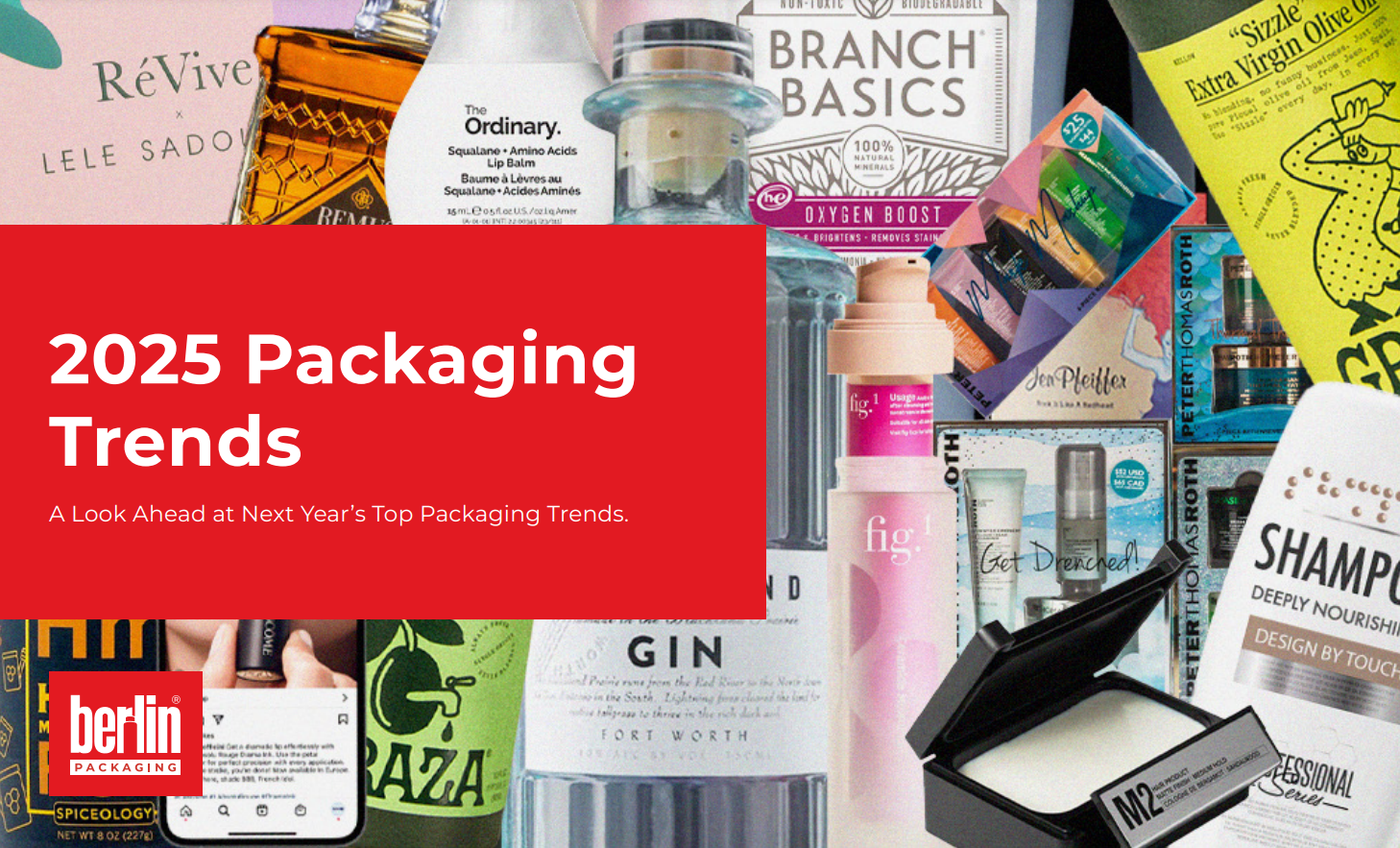
As the world’s largest Hybrid Packaging Supplier®, Berlin Packaging has leading insights and world-class expertise in the global packaging market. Here are the industry trends we’re tracking for 2025.
- Dynamic Disruption: Garnering attention in an increasingly crowded marketplace.
- Modern Minimalism: Adopting a “less is more” approach that resonates with today’s consumers.
- Interactive Experiences: Creating unique and engaging experiences through interactive packaging.
- Sensory Engagement: Embracing visual, tactile, audible, and olfactory elements to create enjoyment.
- Sustainability Innovation: Furthering sustainable packaging solutions through innovation.
Berlin Packaging, the world's largest Hybrid Packaging Supplier, collected a Bronze medal in the prestigious Supplier of the Year category at the 2024 Pentawards competition, honoring some of the world's most inspiring, innovative, and powerful designs in packaging. Pentawards, the leading global platform and community for packaging design, received more than 2,000 entries from 62 countries across the globe for their annual competition. Winners of the 2024 competition were selected from a shortlist of over 700 entries.
Berlin Packaging has provided packaging solutions to wineries, distributors, and brand owners for decades. We help brands succeed in the marketplace with superior, affordable packaging delivered on time and within budget. From market insights to sustainability strategies, stock options to custom design, Berlin Packaging has the experience and expertise to help companies build their bottom line.
Bottles & Closures
Stock Options
Custom Structural Design
Brand Strategy & Design
Sustainability Solutions
Inventory Management Services
Berlin Packaging
Unified Symposium Booth: 908
We Believe Anything Is Possible®
With over 100 years in the packaging industry, more than 2,000 packaging professionals and a global network of suppliers and warehouses, we offer 50,000+ SKUs of plastic, glass, and metal containers, closures, and dispensing systems across all markets for customers just like you.
Our Business Model
Berlin Packaging combines the best elements of manufacturing, distribution and logistics, and value-added service providers to deliver cost-effective packaging solutions to our customers. Our mission is to improve our customer’s net income through packaging products and services. We are the world’s largest Hybrid Packaging Supplier®