


March 1, 2026
ConeTech top 500 North Bay CompanyConeTech is proud to be recognized among the top 500 revenue producing companies of the North Bay by NorthBay Biz.

March 1, 2026
Stuck Fermentation - Spin It Back Restarting a sluggish or stuck fermentation using dealcoholized wine with the global rise of sugar and alcohol levels during recent years, the incidence of stuck fermentations has grown enormously.
When fermentation problems occur, it is imperative to act on them decisively and rapidly to pre-empt serious side effects like Volatile Acidity.
ConeTech’s Spinning Cone Columns have the unique ability to handle even partially fermented must containing substantial solids. This, plus the advisory service constantly available from ConeTech’s enologists, has enabled countless winemakers in different countries to solve completely this frustrating and serious problem.
Here is how we solve the problem.
- The winemaker sends ConeTech an amount (pre-agreed after specific consultation with ConeTech) of the “stuck” wine for dealcoholization. The amount will be determined by the specific situation.
- Once returned to the winery, this fraction must be kept separate – NOT blended back into a larger lot.
- Yeast is added to the dealcoholized fraction, plus any desired nutrients or fermentation aids normally used by the winemaker.
- Fermentation of the dealcoholized portion is restarted, and when the brix has been reduced by ± 50%, approximately one third of the stuck balance of the lot is added back.
- After that combination has fermented down to the desired level, another third is added until the same brix reduction is achieved – at which point the final third is added.
The importance of the 3-stage approach lies in strict avoidance of a high alcohol “shock” which could again stop fermentation. Obviously, the same temperature disciplines apply to this remedial process as to normal fermentation
Contact us for more information at 707-577-7500.
March 1, 2026
Optimizing Modern FermentationConeTech's Stephanie Goss will participate in a discussion of Optimizing Modern Fermentation at Napa Valley College July 17th..
Napa Valley College Foundation and BSG Wine Division | Napa present:
Thursday July 17th from 8:30am - 12:00pm
Napa Valley College Viticulture & Winery Technology Center
OPTIMIZING MODERN FERMENTATION
Successful fermentations today depend on integrating as many of the parameters involved as possible, not just focusing on a single aspect. All the parts need to be considered as a whole for today's fermentations to succeed. Vineyard issues, Brix, nutrient status, pH and winery processing protocols all have a strong impact on whether a wine fermentation will go dry... or not.... and what it will taste like.
Join Lisa Van de Water of the Vinotec Group to discuss 21st Century approaches to wine fermentation for fewer fermentation problems and better-tasting wine. A discussion on the use and value of different nutrients and technologies available will follow with these panel speakers:
George Vierra, Professor and Consulting Winemaker
Wayne Donaldson, International Winemaking Consultant
Stephanie Goss, ConeTech
Guillermo Soto, enologica Vason
Janos Radvanyi, Jr., PolarClad
Free seminar, lively discussion, coffee and treats. What could be better?
THURSDAY JULY 17TH
NAPA VALLEY COLLEGE VITICULTURE & WINERY TECHNOLOGY BUILDING
REGISTRATION & COFFEE
8:30 am
Event Starts 9:00 SHARP
INQUIRIES:
Doug Manning | c: 707.2569891 | e: dmanning@bsgwine.com
March 1, 2026
ConeTech Can Help with Stuck Fermantations!Only ConeTech’s unique technology can:
- Process fermenting wine, unfiltered wine, or wine with a high percentage of solids/turbidity
- Preserve 100% of the wine’s volatile aromatics and flavors
- Reduce the alcohol content of the stuck fermenting juice long enough to re-start the ferment
For more information please contact us at: info@conetech.com or (707) 577-7500
March 1, 2026
ConeTech Has High Proof Alcohol for Cleaning and Sanitation

ConeTech has available for cleaning and sanitation: 60%, 70%, and 85% neutral grape spirits.
Please contact Jessica Smith for any questions or to schedule
________________________________________
ConeTech Services Include:
Precision Alcohol Adjustment
Low and Zero Alcohol Wine Services
VA Removal Mobile Services
Solution for Stuck Fermentations
Sale of Premium California Grape Spirits
Juice Concentration
Wine Disposal
Ethyl Acetate Removal
FSO2 Removal
Purchase of High Proof Alcohol
For more information about our services:
Visit: www.conetech.com or Contact: Jessica Smith at 707-577-7508 / email jsmith@conetech.com
March 1, 2026
Do You Have Lees to Dispose of?
March 1, 2026
Maker Award for Best Manufacturing Process InnovationConeTech offers the highest quality alcohol adjustment in the wine industry using the Spinning Cone Column. And the North Bay Business Journal has recognized our Spinning Cone Column as a unique innovative technology with a Maker Award. The Spinning Cone Column does not use membranes found in other technologies such as reverse osmosis, consequently there are no damaging pressures or losses of flavor or aroma when using ConeTech's services. Our Spinning Cone Columns are also able to process solids, high turbidity and even fermenting wine. Therefore there's no need to filter before sending your wine to ConeTech.
We are also happy to offer a free alcohol Sweet Spot consulting service. Our team of winemakers will assist you through the process of finding the optimal %ABV for maximizing the quality of your wine. Call us and taste the difference for yourself.
Read what the North Bay Business Journal wrote about 'best manufacturing process innovation.'
March 1, 2026
ConeTech, Inc. dba Advanced Beverage Technologies Announces the Passing of Founder, Anthony C. Dann It is with great sadness that we announce the loss of our founder Anthony (Tony) C. Dann who passed away at his home in Carmel Valley, Ca. on Tuesday April 21, 2020.
Following a highly successful career in a series of senior marketing and CEO positions with major multinational consumer packaged goods companies, Tony entered the California Wine Industry in 1984 and in 1991 started what is known today as ConeTech. Tony identified a new use for existing technology that offered winemakers a tool to manage the alcohol in their wines while preserving all of the original flavors and aromas. He spent nearly 30 years dedicated to bringing the global wine industry, and more recently the spirits and beer industries, what he deemed to be “critical tools” to ensure quality, consistency and innovation providing cutting-edge technology and expertise with alcohol and flavor management.
Tony’s inherent entrepreneurial spirit led him to continually seek new innovative ways to meet the ever- changing consumer needs of the global beverage market.
This focused spirit and dedication to innovation and quality will continue to be at the forefront of decision making and strategic thinking of the management team of Advanced Beverage Technologies and its ConeTech subsidiaries and affiliates in Spain, South Africa and Chile as well as their sister companies PolarClad and BevZero. Advanced Beverage Technologies and all its subsidiaries will continue to be led by the current senior management team consisting of Debbie Novograd, President and Vice-Chairman of the Board of Directors, Jerome Eckert-Nathan, CEO and Secretary of the Board of Directors, and Katie Shannon-Ricci, CFO, supported by a talented team of key managers and staff located in California, Spain, South Africa and Chile.
March 1, 2026
Gaspar Roby New Chief Operating Officer of Advanced Beverage TechnologiesSanta Rosa, July 9, 2019 - I am delighted to announce the promotion of Gaspar Roby to the new position of Chief Operating Officer of Advanced Beverage Technologies.
Gaspar, a graduate of Universidad Nacional de Cuyo in Mendoza, Argentina, a Fulbright scholar and a graduate of the UC Davis Master of Science in Horticulture and Agronomy program, joined the company in early 2018 as Vice President of Operations. Prior to joining the company, he had an impressive career in his native Argentina and the United States in companies including Bodegas Navarro Correas, Diageo and Treasury Wine Estates. As Vice President of Operations, Gaspar quickly led the company’s global operations in the United States, Spain and South Africa through significant growth with a steady focus on quality, scalability and team development. In addition, Gaspar supported or managed a broad business development effort in Europe leading to full P&L responsibility for our Spanish subsidiary.
Gaspar’s promotion to the position of Chief Operating Officer reporting to me as Chief Executive Officer and, as needed, to Debbie Novograd as Deputy CEO, reflects our confidence in his ability to support or manage the execution of our ambitious domestic and international goals. Gaspar’s responsibilities will be comprehensive, covering international and domestic locations and multiple lines of businesses, including all the services, products and equipment we offer. As in the past, his role will include global operations responsibilities and, in some instances, full P&L ownership.
We congratulate Gaspar and wish him success in his new endeavors.
- Jerome Eckert-Nathan, Chief Executive Officer
March 1, 2026
ConeTech's Proven New Process for Smoke Taint Removal Out-of-the-box methodology. New analytics measuring measuring complete smoke taint profile (before and after). Removal of free and bound compounds
Contact us today to learn more: 707-577-7500 or jsmith@conetech.com
March 1, 2026
In Memoriam: Royden Keeley, Leading Light in PolarClad’s Journey February 26th – With heavy hearts, we bid farewell to Royden Keeley, the esteemed General Manager of PolarClad (subsidiary of BevZero), who passed away on February 2, 2024 at the age of 58 after a 20-month battle with brain cancer. Royden’s departure has left a profound void in the BevZero family and the industry as a whole.
A lifetime Sonoma County resident, Royden was born and raised in Santa Rosa and graduated from Santa Rosa High School in 1983. He spent the latter half of his life residing in Windsor. Royden joined PolarClad in 2006 and quickly moved to the position of general manager which he held for over 16 years.
Royden was more than a General Manager; he was the cornerstone of the PolarClad success story. His visionary leadership and unwavering dedication propelled the company to new heights during his tenure. Under his guidance, PolarClad flourished, emerging as a leader of high-quality tank insulation and mixers within the wine industry.
Beyond his professional achievements, Royden was cherished for his warmth, kindness, and sense of humor. He touched the lives of countless individuals with his genuine compassion and selflessness, leaving an indelible mark on everyone he encountered. Though he may be gone, his influence will endure, a testament to the profound impact of his presence.
Royden is survived by his beloved children, Travis Keeley, Jenee DuMolin and Derek Keeley, his granddaughter Anaya Hidalgo, his partner, Carolyn Miles, who assured his quality of life over the last 20-months, Denise Keeley, previous spouse and long-time friend, his older brother, Gary Keeley (Jill Keeley) and niece Elisabeth Keeley. He was preceded in death by his father, Earl Lloyd Keeley, and mother, Marion Ruth Weldon.
The family will be honoring Royden with a Celebration of Life on Sunday, March 3. Please reach out to family or friends for more details.
March 1, 2026
BevZero’s Signature PolarClad Tank Insulation Protects Wine Quality and Improves Businesses’ Bottom LineWith inflation on the rise and delays across the supply chain driving prices up, BevZero knows that our customers are looking after their bottom line now more than ever. We are proud to help them experience dramatic reductions in power usage and associated costs when processing and storing wines with our signature PolarClad technology, a tank insulation system which keeps wines cool – without additional refrigeration.
We had a chance to speak with Royden Keeley, General Manager of BevZero Equipment brand PolarClad, to learn more about PolarClad equipment. PolarClad Tank Insulation is a thermal barrier, or external paneling, consisting of a three inch-thick sheet of polystyrene foam with a durable skin of aluminum or stainless steel. PolarClad Insulation maintains an internal tank temperature, dissipates ambient heat, and offers a thermal barrier shell which is resistant to weather, birds, and pests. PolarClad’s panels can also be cut to the precise shape and curvature of each individual tank, and all materials are sourced and pre-fabricated in California.

The PolarClad Difference
“A lot of tanks are refrigerated using glycol refrigeration, or ammonia. We insulate the tanks similar to how a hot water heater is insulated.” explains Keeley. “What PolarClad does is laminate expanded polystyrene onto aluminum or stainless steel. This cladding system keeps things more temperature stable, it takes less energy, and it can hold that temperature for an extended period of time.”
Another key differentiator, according to Keeley, is that PolarClad insulation offers a seamless, attractive finish that can be customized to meet touring facilities’ needs. “We know that aesthetics is something that our customers appreciate about PolarClad. Our finished product can look like whatever the customer wants. We offer stock colors and can also custom color match a building or use various finishes of stainless steel,” continues Keeley.
While the looks are a bonus, the real benefit lies in the energy savings offered by installing PolarClad Insulation. “The most obvious benefit is energy savings,” says Keeley. “It’s pretty drastic the savings someone can experience by adding PolarClad to any type of normal tank,” he continues, citing that customers can expect to see a 96.5% reduction in energy costs when compared to traditional refrigeration storage.
“There are lots of other fringe benefits that go along with that too,” continues Keeley. “Your existing refrigeration equipment doesn’t have to work as hard, making it last longer and require less preventative maintenance, or perhaps allow expansion of the tank farm without having to invest in new or additional refrigeration equipment.”
While these energy-saving qualities boost customers’ bottom line, they also offer environmentally friendly benefits that speak to sustainably minded producers and contribute to a higher quality finished product. PolarClad’s energy reduction is not only good for the environment, but the system’s materials are also sustainable, 100% recyclable, free of HCFC, dyes and formaldehyde, and can contribute to businesses’ LEED credits.
Keeley also recognizes that increased fire activity in key wine production regions may result in rolling blackouts and ongoing power outages. “It’s a great peace of mind for many of our customers to know that in case the electric company shuts the power off and they have a full tank of wine, the PolarClad-insulated tank can hold that temperature for a week or two.”
For those who want an eco-friendly way to save both the environment and their wallet, contact the BevZero team to learn more about what solution may be right for your business.
For more information about PolarClad Tank Insulation contact Royden Keeley at Tel: (707) 577-7826 or email: rkeeley@polarcladinsulation.com.
March 1, 2026
BevZeros Do’s and Don’ts of Making Non-Alcoholic WinesThe Do’s and Don’ts of Making Non-Alcoholic Wines
How BevZero’s Team Can Help You Get It Right
Perhaps due to deep global cultural connections to the category, wine seems to be the most difficult in crafting a non-alcoholic version that mirrors the original. Consumers, especially those who love wine, are looking for NA wines that preserve the character and soul of the original wine rather than simply adding a lot of alcohol-free ingredients.
With that mission in mind, BevZero has been providing product development and dealcoholization services to customers building low- and no-alcohol brands for many years. Our team of global experts, including winemakers and food scientists, have gained valuable experience as to how to make the highest quality non-alcoholic products.
But before our talented team and powerful equipment can begin working its magic, BevZero has identified the most important factor in making a great no- and low- wine: Start with a great wine! Key elements that contribute to a great non-alcoholic wine include the original wine’s, flavor, aroma, mouthfeel, and aftertaste. The closer a non-alcoholic wine mimics these key factors the more satisfying the drinking experience. So how do we get there in creating a great NA wine?
To create a great NA wine, you have to first create a great wine.
Just like with any wine, a quality product starts in the vineyard. Selecting the best grapes that are ripe, healthy, and have good flavor will result in a premium wine and therefore a premium non-alcoholic wine. Additionally, using only the best winemaking practices and equipment, including the process to dealcoholize, will ensure your wine develops a complex and balanced flavor, which is not lost when alcohol is removed. Ideally, through the process, the less “intervention” of the wine, the better.
While dealcoholization can be considered an intervention, it is necessary to achieve a non-alcoholic product, when starting with a fermented wine. BevZero uses a method that is gentle and doesn’t affect the wines volatile flavors and aromas, which is key to maintaining the characteristics of the original wine. BevZero uses a vacuum distillation process that offers minimal intervention through low temperatures, short run times, and a single pass process. In this process, our experienced technicians and winemakers remove the alcohol while maintaining the aroma and flavor volatiles.
Some of the Challenges of No- and Low-
Because the removal of alcohol makes a significant structural change in the wine, other elements such as total acidity and tannins become concentrated, making the wine selection and technology management important in helping mitigate the changes with as little intervention as possible.
In addition to best-in-class equipment, an experienced team and starting with a high-quality product, BevZero has identified several other factors that are key in making great nonalcoholic wines:
- Fermentation provides important flavors and characteristics to the finished wine, so it’s important to make sure the wine was fermented cleanly. If there are flaws in fermentation, they’ll be amplified during the concentration that occurs in the dealcoholization process. Contamination by Brettanomyces or other undesirable yeast and bacteria can produce off flavors that remain in the wine. Wines that contain excessive sulfides should also be avoided.
- Wines starting with lower acidity are often better because the dealcoholization process concentrates the wine’s natural acidity. A high-acid wine will make a very sour non-alcoholic wine, which then needs to be balanced with sweetness or acid removal.
- Dealcoholization and formulation can both impact cold and heat stability, depending on the base wine and ingredients being added. BevZero recommends testing and confirming stability during development and production.
- Has the wine been fined with bentonite, proteins for tannin removal, or any other fining agents? This is helpful to know because some red wines can have filterability and tannin precipitation issues when dealcoholized; if they have been clarified or protein fined this can make them easier to work with.
- Be careful of extended maceration and oak content. In red wines, the phenolics will concentrate. These characteristics are great in a full-alcohol wine, but can be overwhelming when concentrated in a dealcoholized wine. Winemakers should consider using less new oak and lighter toasts when barrel aging wines intended for dealcoholization, or stainless steel aging and using oak extracts during product development.
- Analytics for the wine are very helpful including free and total SO2, pH, titratable acidity, sugar, volatile acidity, potassium, and copper. These can give the winemaker helpful indications of how well a wine will dealcoholize, how much adjustment it may need, and whether or not it is suitable for different packaging options, especially cans. For example, a high-copper wine will need to be fined to make it suitable for canning, while a high-sugar wine is more susceptible to microbial growth between dealcoholization and packaging. Additionally, high pH decreases the antimicrobial effectiveness of SO2, but a pH that is too low can increase the chances of reduction issues in canned products.
- It is essential to do trials before dealcoholization to provide a good vision of what kind of non-alcoholic product the wine will make. The BevZero team has the experience and equipment to help with this process.
- The best wine styles suited for non-alcoholic wines are very aromatic, full-fruit driven wines with medium acid, and red wines with soft tannins. Consider when creating a non-alcoholic white wine to blend in very aromatic wines, such as Gewürztraminer, Riesling, Viognier, or Muscat. Utilizing aroma boosting yeasts and other fruit-forward and big, aromatic winemaking and vineyard techniques are effective.
For more information on how BevZero’s experienced team can guide you through this complicated process, please email info@bevzero.com or visit bevzero.com.
March 1, 2026
Working with BevZero to Hit the “Sweet Spot” in WinemakingWorking with BevZero to Hit the “Sweet Spot” in Winemaking
The Problem
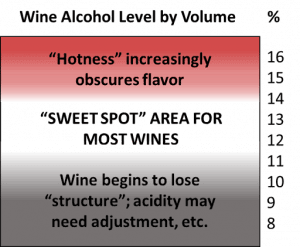
In many of the world’s grape-growing areas (e.g. California, Chile, Australia, Southern France, South Africa, Spain, etc.) increasingly hotter climate conditions have driven sugar and alcohol levels several points higher than are desirable for winemakers.
The Consequences
Higher sugar and alcohol levels can lead to stuck fermentations, over extraction of undesirable grape components near the end of fermentation, and a muting effect on the aroma and flavor of the wine that is found to be undesirable by consumers worldwide.
BevZero’s Answer
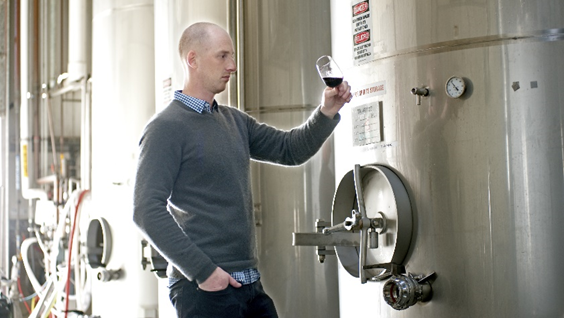
By precisely adjusting your wine’s alcohol content you can achieve harmony and balance with all the other components of the wine (the “sweet spot”), in a process completely controlled by the winemaker. In a Sweet Spotting Consultation, the winemaker visits BevZero where they taste a series of wines starting with the original product and working through increments of slightly adjusted alcohol levels to determine their desired final product.
The secret to achieving the sweet spot is BevZero’s gentle yet precise method of alcohol removal which uses a unique process of thin film vacuum distillation with a low temperature and short residence time. This highly selective separation process avoids thermal damage or stress to the wine. The process consists of five simple steps:
- BevZero receives only a small portion of the wine
- The wine’s delicate, volatile aroma compounds are captured and kept for later reintroduction to the wine
- The alcohol is removed
- The aroma compounds are put back into the wine
- The winemaker can blend the dealcoholized wine back into the original wine stock to achieve the desired alcohol level
It’s Simple!
Why Winemakers Keep BevZero in Their Toolbox
Alcohol adjustment gives winemakers control over some of their wine’s most vital characteristics. It reduces perceived heat from alcohol, which enhances consumer flavor perception. It can make wines feel brighter and increase the focus and purity of fruit by bringing alcohol levels into balance with other wine components. Being able to find tune alcohol levels during or after fermentation allows for picking decisions based on flavor development, pH, and phenolic maturity without having to pick early because of high Brix.
From the vineyard to bottling, winemakers can produce the flavor profiles they want without concern for the resulting alcohol level, which can be tuned to cater to various international markets and tax structures.
New Markets – Next-Gen Technology
Demand for low and no alcohol products has seen a surge in recent years and is expected to continue to grow rapidly over the coming decades. According to Nielsen, there was a 33% increase in the volume of low and no alcohol products through 2020. That number is expected to grow at an 11% CAGR through 2024, with especially notable growth in beer and wine. BevZero is meeting this demand with its experience, capabilities, and next-gen technology.
BevZero’s alcohol adjustment service can be used for the removal of alcohol (dealcoholization), down to 0.0% abv, while still maintaining most of the original wine’s volatile aroma compounds. BevZero’s expertise can help to develop and formulate excellent low and no products.
March 1, 2026
Four Ways BevZero Equipment Supports Your Winery’s Oak Plan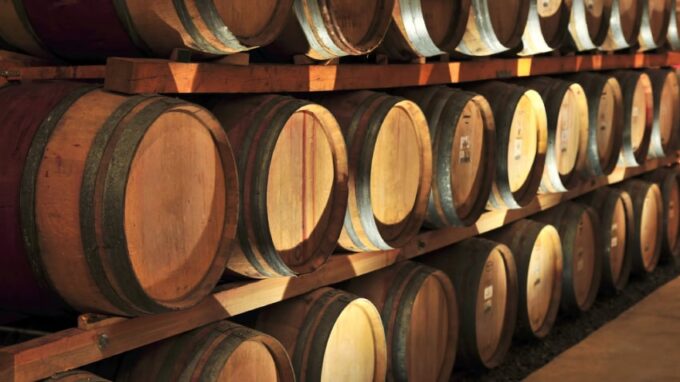 Oak plays a defining role in a wine’s character, from subtle vanilla and spice notes to deeper structural complexity. Whether your winery is aiming for a delicate touch or a bold, barrel-driven style, your oak plan is more than just a choice of barrels. It’s a strategy that blends sensory targets, timeframes, and production goals.
BevZero Equipment’s advanced beverage processing equipment, Vinfoil®, PolarClad®, Implen®, and ClearAlc®, works together to help winemakers execute that plan with precision, consistency, and efficiency. Here’s how:
1. Vinfoil Mixers: Even Oak Integration
When wine sits in tank with oak staves, chips, or other adjuncts, stratification can cause uneven extraction. Vinfoil Mixers gently circulate wine, ensuring every drop has equal contact with oak, resulting in:
- Balanced flavor development
- Consistent tannin integration
- Reduced maturation times without losing complexity
Example: A winery aiming for a round, well-integrated oak profile in three months instead of six can use Vinfoil to speed up and even out extraction, achieving target flavors faster while freeing up valuable tank space.
2. PolarClad Tank Insulation: Temperature Stability for Oak Goals
Temperature swings during fermentation or maturation can cause oak flavors to integrate too quickly or inconsistently. PolarClad tank insulation keeps tank temperatures stable, protecting the wine’s flavor evolution and preventing “over-oaking.”
Benefits include:
- Consistent extraction rates
- Protection of oak investment in barrels and adjuncts
- Year-round cellar condition control
Example: A winery producing Chardonnay with a subtle oak influence can maintain cool, slow-aging conditions to ensure the oak remains a background note rather than dominating the wine.
3. Implen UV-Vis Spectrophotometers: Data-Driven Oak Management
Oak integration is both an art and a science. With Implen UV-Vis spectrophotometers, winemakers can measure phenolic content, tannin levels, and color development in real time, giving precise data to decide when to rack, blend, or remove wine from oak contact.
Advantages:
- Avoid over-extraction and astringency
- Track oak impact against style targets
- Improve consistency across vintages
Example: A Cabernet producer monitors tannin evolution with Implen and removes the wine from oak exactly when structure and mouthfeel reach the desired point, no guesswork required.
4. ClearAlc Dealcoholization: Preserving Oak Character at Any ABV
Sometimes wines aged in oak end up with higher-than-desired alcohol levels, which can overshadow oak aromas or limit market opportunities. ClearAlc dealcoholization technology can adjust ABV while preserving the complexity gained from barrel aging.
Benefits:
- Keeps complex toast notes intact
- Balances alcohol for style preferences
- Meets legal and market ABV requirements without sacrificing taste
Example: A heavily oaked Chardonnay at 15% ABV can be reduced to 13% while keeping its creamy vanilla and nutmeg profile.
Your Oak Plan, Perfected
From enhancing extraction to ensuring stability, measuring progress, and fine-tuning alcohol balance, BevZero’s beverage processing equipment gives winemakers the control they need to bring their oak vision to life.
Whether you’re producing a lightly oaked Sauvignon Blanc or a barrel-aged red designed for aging, BevZero Equipment has the equipment, services, and global expertise to keep your oak plan on track, and your wine at its best.
Ready to strengthen your oak strategy? Contact BevZero Equipment online today or send us an email at info@bevzero.com to learn how Vinfoil, PolarClad, Implen, and ClearAlc can help you create wines that meet your oak goals, vintage after vintage.
February 25, 2026
The Wine Industry Slump Is Real. The Opportunity Is, TooTraditional demand for wine has softened, buyers are pickier, and “default growth” is basically gone. Meanwhile, the consumer mindset has changed dramatically—wellness, moderation, and “I want to drink less but still drink well” is becoming the new normal.
That combo is tough on the old playbook. But it’s also a huge opening for brands that are willing to pivot with intention (not panic).
At BevZero, we see this moment as a reset: a chance to meet people where they are now—and build a portfolio that survives the slump and comes out stronger on the other side with non-alcoholic products.
What’s Driving the Slump
A few things are happening at once:
- Wellness is influencing purchase decisions more than ever. People aren’t necessarily “anti-wine”, they’re just more mindful about alcohol consumption.
- Curiosity has matured into expectation. Today’s no/low-alc shopper isn’t experimenting anymore, they expect real wine character: aroma, varietal identity, balance, and mouthfeel.
- Shortcuts are getting exposed. There’s less patience for products that taste thin, oddly sweet, or overly “fixed.” Consumers can taste when quality wasn’t the priority.
“If you start with a bad wine, you’re going to have a terrible de-alc wine.” — Jerome Eckert-Nathan, President & CEO, BevZero
The Premium Pivot: No/Low-Alc Wine is Finally Growing Up
For a long time, no/low-alc wine got treated like a plan B.
Now? The best de-alc products are being built on purpose, because producers are realizing the category requires designing a great wine experience first.
We’re seeing the industry move toward:
- More intentional sourcing (varietals, ripeness windows, and grape profiles chosen with the final NA/low-alc target in mind)
- Less heavy formulation as consumers push for “cleaner” ingredient decks and fewer artificial flavors
- More credibility signals (including awards) proving premium results are achievable when the process is done right
So Where Does BevZero Fit In?
This is exactly what our team was built for.
When the market shifts, the brands that win are the ones that can move fast and keep quality high. That’s what our non alcoholic product services are designed to do: help you create premium no/low-alc wines that feel authentic to your brand story, without building costly infrastructure, guessing your way through technical decisions, or losing months in development.
BevZero’s Non-Alcoholic Production Services
Different producers need different levels of support; so we built a flexible, end-to-end approach. Depending on your goals, BevZero can support:
1) Product Development
This is where premium no/low-alc wine is won or lost—because you’re not just “removing alcohol.” You’re protecting aroma, mouthfeel, balance, and varietal character.
Our team can help with:
- product conceptualization and sensory goal setting
- identifying the right base wine
- benchtop development work (so you can test before scaling)
- nutrition panel support through certified labs (for label readiness)
2) Dealcoholization
We use very low temperature vacuum distillation to reduce alcohol while preserving natural aroma and flavor compounds—whether you’re aiming for lifestyle/low-alc or pushing into true non-alcoholic targets.
3) Bulk, Finished Product, and White/Private Label Options
Need speed to market? Want to expand a portfolio without reinventing your whole operation? We can provide non-alcoholic bulk product or finished formula options for branding, infusion, or private/white label needs.
4) Project Management + Supply Chain Coordination
From planning to sourcing to production/packaging coordination, we help keep timelines realistic and launches smooth—especially when you’re building something new alongside your core business.
Survive (and Thrive) Through the Slump
Here’s what we’d recommend if you’re staring down soft demand and wondering what’s next:
Step 1: Start with Your Brand
What does your winery stand for—heritage, sustainability, luxury, everyday enjoyment, food pairing? A no/low-alc extension works best when it feels like a natural evolution, not a bolt-on.
Step 2: Choose a Premium Target
When tasting your low/no-alc wine, you want consumers to say:
- “That’s actually wine.”
- “I’d pour that at a dinner party.”
- “I’d buy that again.”
That target shapes everything: varietal choice, ripeness, fermentation decisions, dealcoholization strategy, and how much (or how little) formulation you’ll need.
Step 3: Build Intentionally
This is where BevZero’s non alcoholic product services make the difference. We’re here to collaborate and engineer the path to your sensory goal, with quality leading the process.
A Quick FAQ
Is no/low-alc wine growing even if traditional wine is down?
In our day-to-day work, we’re seeing strong momentum driven by moderation and wellness—and increased expectations for quality. According to NielsenIQ, “As of the beginning of January 2026, the nonalcoholic wine market is up 29.1% with the overall wine market down 4.9%”
Can I make premium non-alcoholic wine from existing inventory?
Sometimes, but the best outcomes come from intentional planning and high-quality base wine. “Quality in, quality out” is real.
What's the benefit of using non-alcoholic product services instead of doing it in-house?
Speed, expertise, fewer technical missteps, and no need for major infrastructure investments—plus end-to-end support if you want it.
Pivoting in 2026? BevZero is The Smart Next Move
If the category slump has you thinking “we need a new growth lane,” you’re already asking the right question.
The next step is making sure your pivot is premium, on-brand, and built for today’s consumer.
If you want to explore what that could look like for your winery, check out:
- Dealcoholization Services
- Beverage Product Development
- White Label / Private Label Programs
- Winemaking & Harvest Support
- Low- and No-Alcoholic Product Services
BevZero’s non alcoholic product services can help you get from idea to a premium bottle—faster, cleaner, and with fewer costly detours.
Contact BevZero online and we’ll talk through what the next step looks like for your specific portfolio.
February 25, 2026
Jerome Eckert Nathan Talks Dealcoholization Tech's Impact on High-Quality Non-Alcoholic DrinksFebruary 16, 2026
Inside ClearAlc: The Tech Behind the Award-Winning Dealcoholization Equipment
In the world of low- and no-alcohol beverages, innovation isn’t a buzzword — it’s a necessity. After BevZero’s recent WINnovation award, spotlighting game-changing achievements in wine technology, it’s time we take you deeper into the system that’s redefining alcohol removal: ClearAlc.
Exclusively distributed by BevZero and engineered and manufactured by Tomsa Destil, ClearAlc is the next generation of dealcoholization equipment. It brings a blend of precision, sustainability, and versatility unique to the beverage world — and it’s earning attention for good reason.
Let’s open the hood on ClearAlc and explore what makes this technology not only unique but award-worthy.
What Is ClearAlc?
At its core, ClearAlc is a patented vacuum distillation system that removes alcohol from wine, cider, and spirits using a single-pass, high-efficiency process. But this isn’t just about pulling out ethanol — ClearAlc offers producers control over multiple product fractions, aroma preservation, and energy savings.
With model sizes ranging from 800 L/h to 3000 L/h, it scales from boutique producers to high-volume brands, delivering precise results every time.
Built for Excellence
ClearAlc is the result of 170+ years of engineering know-how from Tomsa Destil. Each unit undergoes lab-scale dealcoholization tests to verify performance before full deployment.
BevZero’s team of beverage scientists, engineers, and enologists ensures each installation integrates seamlessly with existing production workflows. Whether you’re just entering the NA space or expanding operations, ClearAlc is built to grow with you.
Stream Separation: A Hidden Advantage You Can Use
Unlike many systems that extract alcohol and discard the rest, ClearAlc provides valuable liquid streams that can be used creatively in your production process:
?Precision Fractionation
ClearAlc separates the dealcoholized product into multiple core fractions:
- Volatile Aromas (fraction 1 & 2): Volatile compounds are the essence of the original product. These delicate molecules are quickly captured and condensed for later reintroduction into the beverage, ensuring that the drink’s original aromatic profile is not lost during alcohol removal.
- Heavy Aromas A & B (fraction 3 & 4): Heavier compounds that may include flavor carriers; some producers reintroduce this portion to enhance mouthfeel.
- Spirits 92% ABV: The clean alcohol stream — highly rectified (up to 92% ABV) and suitable for reuse, flavor blending, or even resale.
- Dealcoholized Product: The now dealcoholized base wine is cooled and blended with its recovered aromas as desired.
This fractional control opens doors. Whether you want to capture key aromas for reintroduction, utilize ethanol for other products, or analyze your flavor profile more deeply, ClearAlc makes it possible.
? Aroma Recovery for Authentic Taste
Through BevZero’s expertise in aroma fractionation, ClearAlc preserves and optionally reintegrates volatile aromatic compounds — so your product doesn’t just taste similar to the original… it is the original, just with less alcohol.
This is especially critical in the competitive world of premium non-alcoholic wines and spirits, where aroma is everything.
Low Temperature, High Impact
Many dealcoholization processes use high heat that can strip flavor and damage product quality. ClearAlc does the opposite. Thanks to high vacuum operation, ClearAlc reduces the boiling point of alcohol, allowing evaporation at significantly lower temperatures.
? Why Low Temperature Matters
- Preserves fragile aroma/flavor compounds that would otherwise be lost
- Reduces thermal stress on the liquid, preserving structure and mouthfeel
- Minimizes oxidation and degradation, especially important for delicate white wines or aromatized spirits
This is a game-changer for producers seeking to compete at the top end of the alcohol-free market — because flavor fidelity isn’t optional, it’s essential.
Designed for Sustainability — Built for Growth
In today’s beverage industry, sustainability isn’t a trend; it’s a requirement. ClearAlc was built with this in mind:
- ✅ Minimal water use – Water is only required for vacuum pump purging.
- ✅ High energy efficiency – Optimal heat exchanger and optional heat pump reduce operational costs.
- ✅ Lower product losses – Get more yield per liter with less waste.
- ✅ Compact, skid-mounted design – Saves space and simplifies installation.
Pair that with remote data acquisition and automated control systems, and ClearAlc becomes more than a machine — it becomes a platform for innovation.
BevZero: The Power Behind ClearAlc
BevZero isn’t just a distributor — we’re your dealcoholization partner. With over 30 years of experience, including the pioneering of spinning cone column technology for use in the wine industry, we know what it takes to build category-defining beverages.
Here’s what sets BevZero apart:
- ?? Real experts: Our team includes winemakers, distillers, food scientists, and engineers.
- ? Global reach: We operate across the U.S., Spain, and South Africa.
- ? Turnkey service: From pilot testing to full integration into your facility, we support every phase of your production journey.
- ? Full product development: Want help creating a beverage from scratch? We offer concept-to-bottle services, including private label and white label programs.
Award-Winning, Future-Ready
ClearAlc’s spotlight in WINnovation isn’t just about the technology — it’s a recognition of BevZero’s continued leadership in a rapidly evolving industry.
In an age where consumers demand premium taste, clean labels, and sustainability, ClearAlc delivers. It doesn’t just remove alcohol — it unlocks new value at every stage of your beverage’s lifecycle.
Whether you’re creating your first non-alcoholic wine or scaling a line of better-for-you spirits, ClearAlc gives you the edge.
Ready to Innovate?
Reach out to BevZero today at info@bevzero.com or contact us online now to learn how ClearAlc can revolutionize your dealcoholization process — and help you launch the next generation of award-winning beverages.
January 17, 2026
Beyond Dry January: Building Year-Round Non-Alcoholic Success Dry January is no longer just a health challenge or a new-year reset—it’s a global movement. But here’s the kicker: savvy brands know that real success in the no- and low-alcohol (No/Low) category comes from building momentum well beyond one month. At BevZero, we help our clients turn the buzz of January into a sustainable, year-round beverage strategy using expert product development, cutting-edge dealcoholization services, and full-spectrum beverage solutions.
Let’s talk about how.
Why Dry January Is Only the Beginning
Dry January consistently delivers a spike in consumer interest, online searches, and sales for No/Low products—especially non-alcoholic wines, beers, and spirits. But interest doesn’t flatline in February. In fact, there are multiple high-impact moments throughout the year where brands can meet growing demand:
- Spring (March – May): Holidays like St. Patricks, Easter, and Mothers Day can be a great time to provide low or no alcohol options
- Summer: Think barbecues, beaches, and outdoor socials—non-alcoholic options are a must
- Sober October: Another global trend that mirrors January’s rise in conscious consumption.
- Year-end holidays (October–December): More people are choosing alcohol-free alternatives at festive gatherings, and many retailers are actively seeking NA SKUs.
- Wellness windows (March, May, September): Health awareness months that overlap with lifestyle purchasing shifts.
These are your brand’s chances to stay top of mind—not just trend-jumping, but trend-setting.
Planning Is Everything: Line Up Your Bottlings Early
If you want to capture attention during these moments, you can’t be reactive. You’ve got to be ready. That means:
- Aligning bottling timelines with demand spikes. Start development early so you’re retail-ready. 3-4 months in advance for production services, including sourcing of materials and ingredients. If you plan to develop a new SKU or brand, plan at least 6 months.
- Locking in seasonal SKUs and limited editions. Create excitement with summer rosés or holiday sparkling NA wines.
- Leveraging BevZero’s end-to-end production expertise to manage everything from concept to shelf.
Our global team works with clients across the U.S., Europe, and South Africa to pre-plan production calendars that align with retail and DTC marketing cycles.
From Concept to Bottle: Full-Service Beverage Solutions
At BevZero, we’re more than a service provider—we’re a partner in building brands that last.
Whether you’re new to the space or looking to expand a No/Low line, our turnkey beverage development services cover every step of the journey:
- Product formulation and benchtop sampling
- Nutritional labeling and compliance
- Supply chain and production services
- Flavor/aroma preservation through best-in-class dealcoholization
We specialize in tailored beverage solutions for wine, cider, and spirits—plus the rapidly growing infused functional drinks market. And because we own our processes, we move fast and deliver consistent, premium results.
Don’t Forget the Tech: In-House Equipment Options
Want to bring dealcoholization in-house? We’ve got you covered. BevZero is the exclusive distributor of the award-winning ClearAlc dealcoholization equipment—a next-gen system that gently removes alcohol while preserving flavor, aroma, and mouthfeel.
Why brands choose ClearAlc:
- Single-pass vacuum distillation
- Energy-efficient and sustainable
- Down to 0.05% ABV with precision
- Flexible and multiple separation of aroma streams
Whether you want to test the waters or scale big, we help assess your needs, install equipment, and provide technical training to ensure long-term ROI.
Dealcoholization That Preserves Flavor (And Reputation)
One of the biggest challenges in the No/Low category is preserving what makes a beverage special. BevZero uses Very Low Temperature Vacuum Distillation, a process we pioneered over 30 years ago. It allows for:
- Retention of volatile aroma compounds
- Custom alcohol reduction levels (0.5%, 0.05%, or even 0.02%)
- Minimal thermal damage—keeping that full-bodied flavor intact
We’ve helped dozens of global brands bring No/Low products to market without sacrificing quality or brand integrity.
Why Partner with BevZero?
We’ve been shaping the alcohol-free future for over three decades. With global facilities, a scientific team, and deep industry roots, BevZero is the go-to partner for scalable, sustainable beverage success.
Our competitive edge includes:
- Expertise across winemaking and food science
- Innovative technology that ensures quality and efficiency
- Flexible services from white-label wines to custom formulations
- Hands-on support from concept to final packaging
It’s more than just Dry January. It’s a movement. Let’s build your brand to lead it.
Ready to go beyond seasonal?
Contact us online or reach out at info@bevzero.com to start your year-round beverage success plan.