
Filter Post Type
NewsVideoProductEventLink
Sort:
Most Recent
1–10 of 40


Imagine your VP of Sales announcing they’ve ditched CRM for a Rolodex. Or your finance director saying Excel is too modern, so they’re switching to chalkboard. And yet, here we are — 2025 — squinting at billbacks for hours on end and sending reps to visit every retail account like the entire industry is running for sheriff. Automation isn’t new, but for the wine & spirits world, it might as well be black magic. We love to talk about efficiency, scaling, and modernizing — right up until someone proposes replacing busywork with bots. Suddenly, it’s “But our rep relationships!” or “This is how we’ve always done it.” As if nostalgia for manual labor is part of our brand identity. Let’s get one thing straight: no one’s asking you to hand your label design to Midjourney or let ChatGPT pick your clones. We’re talking about automating the parts of your business that drain time, w
00
January 22, 2026
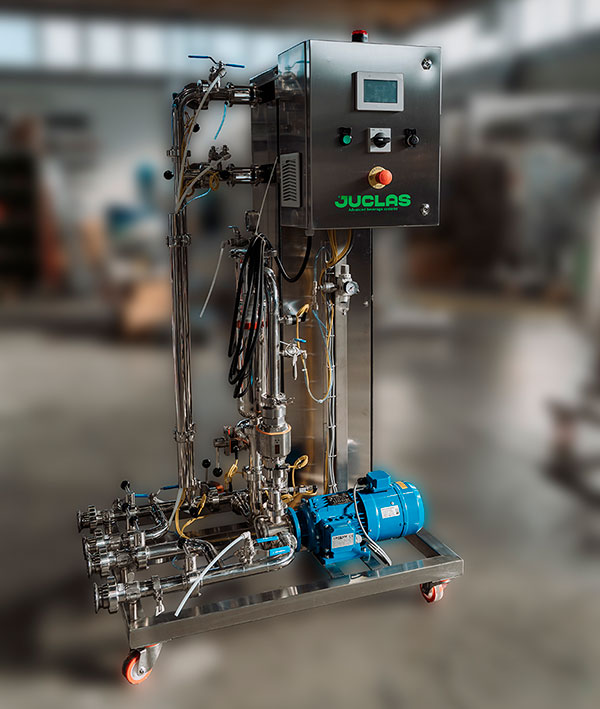
Techniques available to winemakers, especially for those crafting fine white and sparkling wines, have continued to evolve through the years, providing more sophisticated options for fine-tuning the style and complexity of their finished products. Winemakers frequently use cross-flow filtration for clarification and microbial stabilization of wine. The tangential flow of juice across the filter’s membrane surface limits clogging and allows continuous cleaning of the membrane. This technology is well-suited for wineries seeking very fine clarification during post-fermentation processing. However, its highly automated machinery can be too expensive for smaller wineries, and its high product loss level is more impactful for small batch processing of high-quality wines. “Today, these smaller wineries use cross-flows from mobile services or manual systems, very likely pad filters,” says Massimiliano Buiani, Chief Operating Officer for JUCLAS, USA. “Pad filte
00

The global shift toward sustainability is palpable across nearly every sector. Within the wine and spirits industries, this movement has gained remarkable traction, driven by consumers’ increasing demand for environmentally responsible products. More pressure for industry to put sustainability at the center of all operations but also provides opportunities for businesses to flourish by staying ahead of the trends in innovative and sustainable advancements. Here are four sustainability trends to keep an eye on: Regenerative practices for wine and spirits Recent years have seen a boom in conscious agricultural practices through the philosophy that all aspects of agriculture are connected. This philosophy emphasizes the careful utilization of land management to restore and regenerate the ecosystems and land we use, leaving it in better health for future generations. Regenerative principles are a push back against traditional industrial agriculture practices which are respons
00
August 8, 2025
A draft Napa County Regional Climate Action and Adaptation Plan (RCAAP) has been released for public comment. The draft and related documents can be found at https://climateactionnapa.konveio.com/ Comments are due by September 30, 2025. This draft has been in development for many years, and covers the County of Napa, the Cities of American Canyon, Calistoga, Napa, and St. Helena, and the Town of Yountville. It includes Greenhouse Gas (GHG) emission reduction targets of up to 85 percent by 2045. At the same time, it aims to achieve “carbon neutrality” by 2045, primarily by reforestation of burned areas of the County to promote natural carbon sequestration and removing GHGs from the atmosphere. The draft discusses 21 GHG reduction strategies with 46 GHG reduction measures across seven emissions sectors, (though the draft only quantifies the impact of 17 of those measures). The seven sectors, in declining order of their listed percentage of GHG Emissions, are: On-Road Tr
00
.jpg)
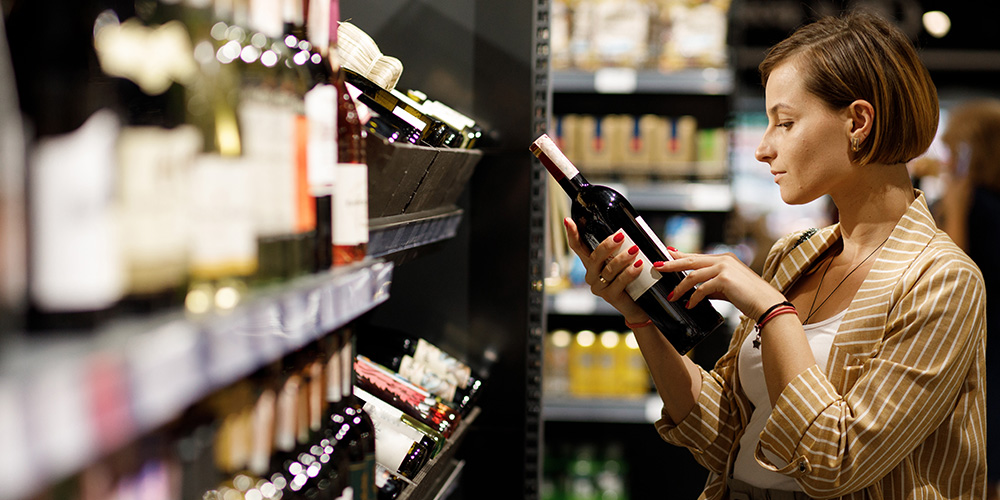
Choosing Wine is an Emotional Decision Red, white, or sparkling – when reaching for a bottle on the wine shelf, it’s not just about the grape, origin or vintage. The chosen wine stands out from the crowd and makes an impression visually and to the touch. Labels make all the difference. They highlight the quality of the fine drop, tell stories, and reflect character. On just a few square centimetres, they give a brand a distinctive face in a world of standard bottles. Whether and how this is perceived can significantly influence the product’s success. If the packaging doesn’t appeal, even the best wine inside won’t help. First Impressions Count Let’s be honest. First: the initial impression – the “moment of truth” – is crucial. Second: even well-known brands need to prove themselves on the shelf. Third: the traditional wet-glue label is no longer the benchmark. Pressure Sensitive Labels (PSL) demonstrate that an attractive app
00

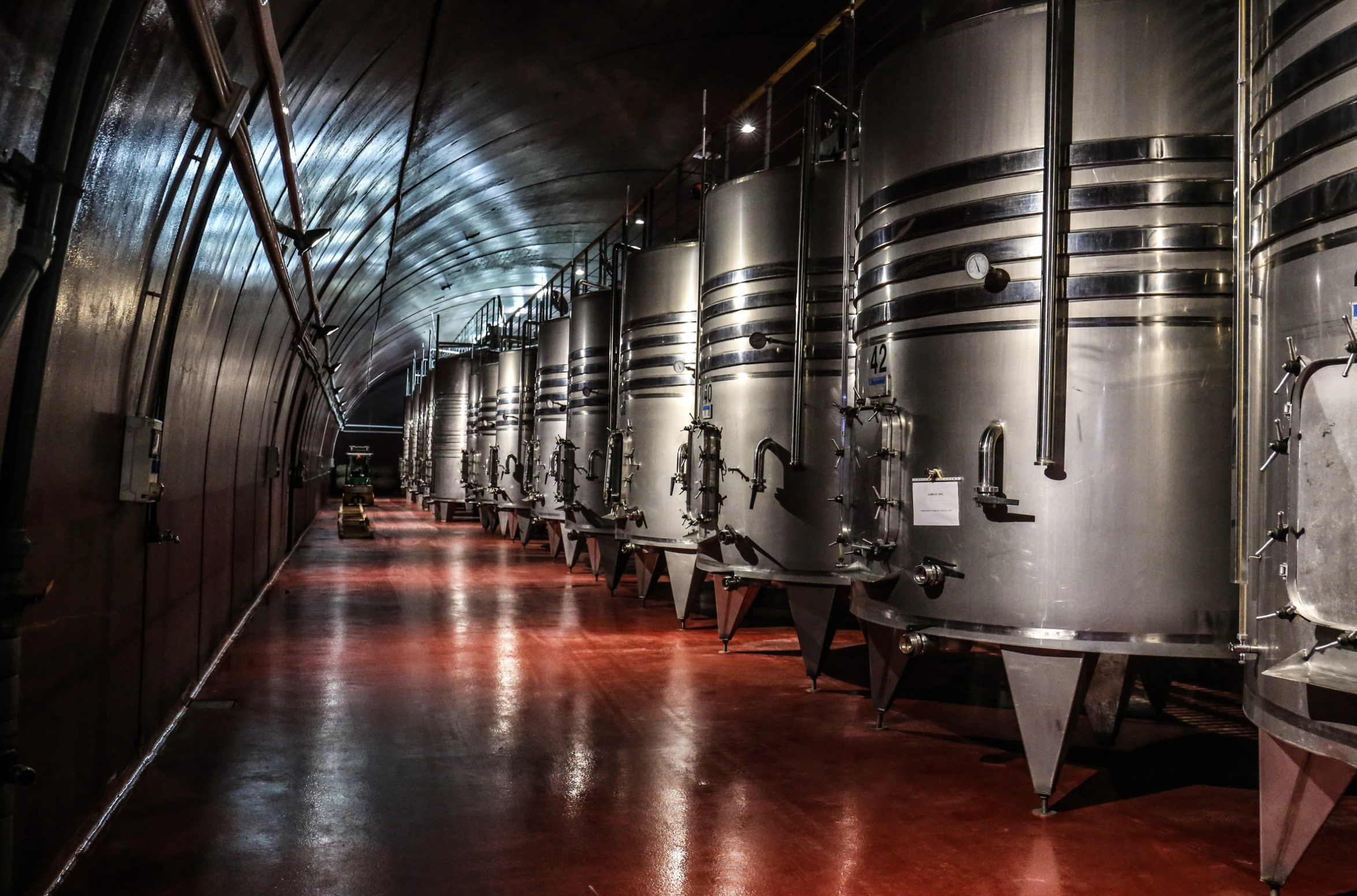
Businesses like wineries, breweries, and other manufacturers with high-strength wastewater streams generate specialized effluents. Since no two facilities or wastewater streams are exactly alike, they require proper treatment solutions tailored to their specific needs. Specialty Treatment Solutions (STS) is an industry leader in providing custom engineered wastewater treatment solutions for specialized commercial and industrial applications. We provide optimal wastewater treatment designed around the specifications of each client’s site and business needs while enhancing sustainability and meeting compliance standards. Why Is Custom Wastewater Treatment Important? Custom water treatment systems are crucial for effectively managing high-strength industrial wastewater streams with fluctuating loads and unique characteristics. They are designed around the specific treatment requirements, capacity needs, site layout, and sustainability goals of each facility. One-size-fits-all appro
00
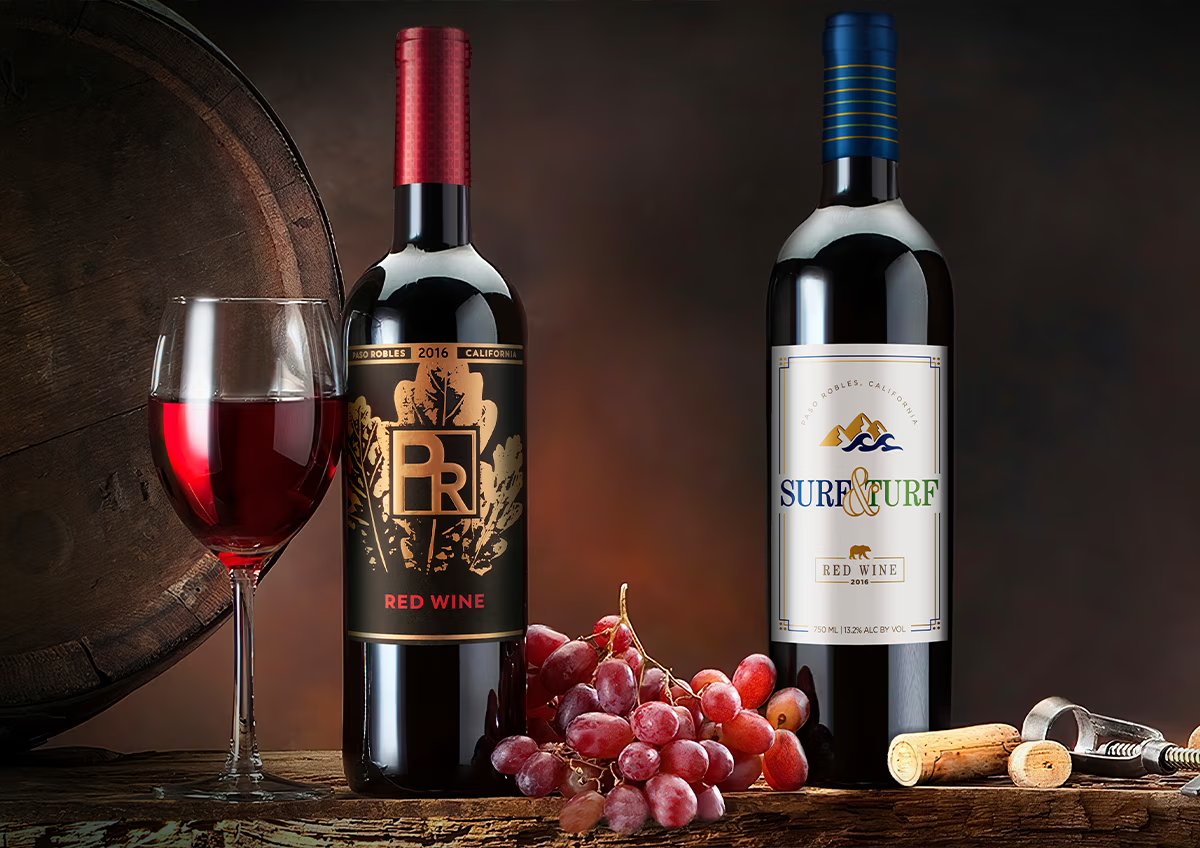
A look at the trends influencing wine packaging design & innovation. Introduction U.S. wine total volume is expected to remain relatively flat for the next several years, while value will grow due to price increases and the persistence of the premiumization trend. In the crowded and increasingly challenging wine market, effective package design can help a brand get noticed and appeal to consumers. This report looks at several key trends impacting wine package design, from authentic storytelling to interactive engagement to environmentally and socially responsible solutions. Authenticity According to a recent GlobalData study, three out of four consumers consider product/brand authenticity essential or nice to have when making purchase decisions. This attitude is especially true among older generations and higher-income earners, a key demographic for wine sellers. Authentic brands are perceived as genuine, original, and transparent, providing quality assurance and trust. Euromon
00
Time to reflect on how we are doing our part in the whole packaging value chain to drive circular initiatives â™»ï¸ and to decarbonize our operations. Here are a few selected highlights that underpin our ambition to be the label partner of choice when it comes to sustainability and responsibility. Our products are focused on reduce, reuse and recycle! By 2025, all customers of CCL will be able to choose label products and solutions that will not hinder consumer-packaged goods to be recyclable, reusable or compostable. We actively support reuse systems all over the globe Our iconic WashOff labels have supported the reuse systems of our customers for years - mainy global beer and water brands. But we have much more to offer to reuse schemes - think RFID tags integrated in labels and sleeves and IML (inmould labels), aluminium containers for reuse packaging and now also the technology to make it all work...through our relatively recent acquisition of CCL eAgile Inc., IT
00
April 22, 2025
Sonoma, CA, April 22, 2025 – Free Flow Wines announced the winners of the 12th annual KEGGY Awards, honoring wine on tap leaders for their extraordinary environmental impact and commitment to sustainability. For the first time, the awards are being celebrated in April to align with Earth Month, reinforcing Free Flow’s mission to drive a more sustainable future for the wine industry with reusable steel kegs – a truly zero-waste package. Additionally, Free Flow expanded award categories this year to also recognize winery partners who have saved over 50K and 2MM bottles from the landfill. “We changed the award schedule to Earth Month to reflect one of our core values: sustainability.” said Rich Bouwer, CEO of Free Flow Wines. “It is an exciting time to be talking about our wine on tap partners. Despite ongoing challenges in the alcohol beverage sector, keg shipments through Free Flow Wines have continued to grow—proving that wine on tap is n
00
November 8, 2024
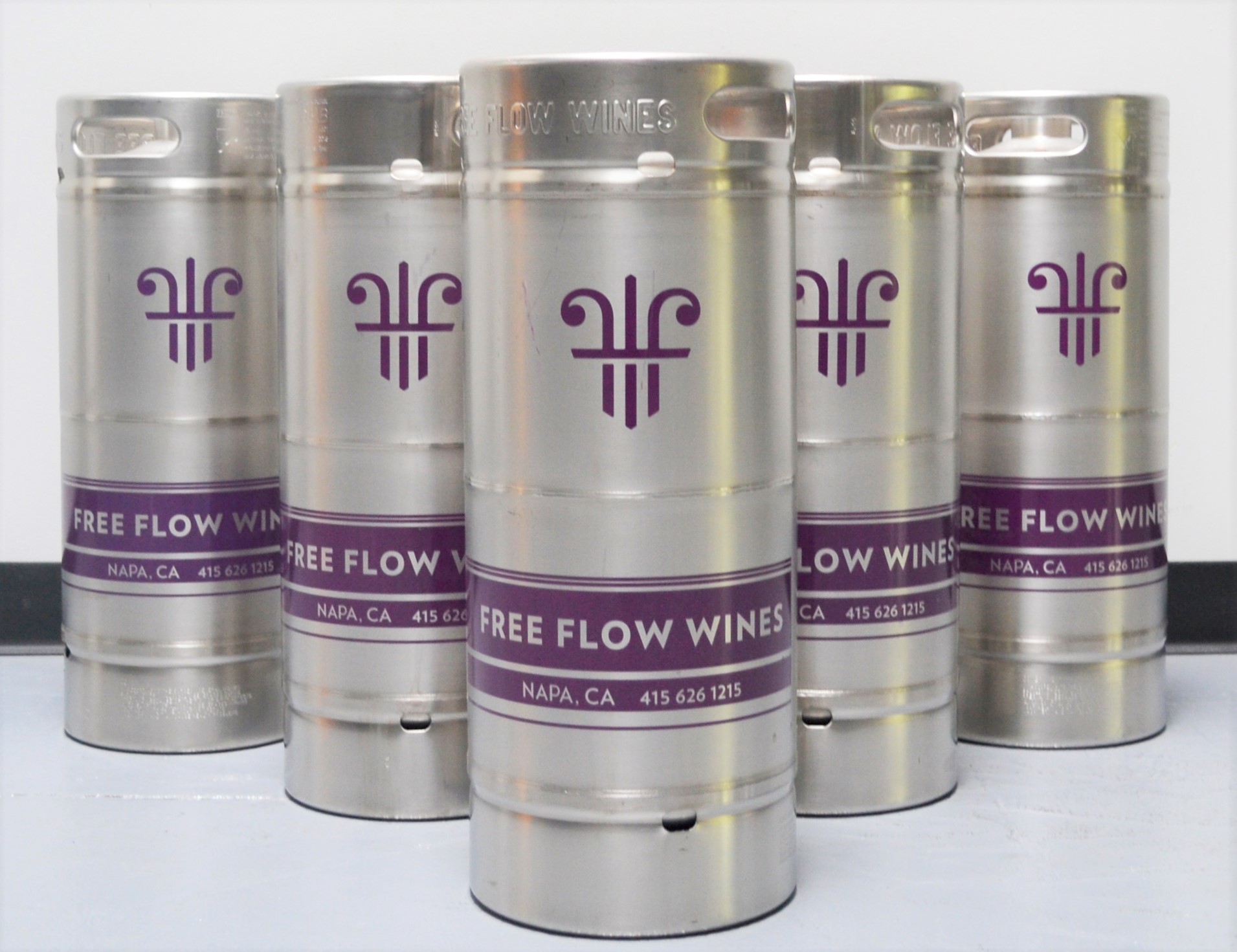
Come by the Free Flow booth 227 at the WIN Expo on December 5, to learn all about the benefits of wine on tap from reusable steel kegs! We want to help wineries expand their zero-waste efforts by switching their by-the-glass wine programs from glass bottles to reusable stainless steel kegs. Not only do reusable steel kegs maintain the highest level of wine quality, freshest pour by-the-glass and improved profitability, but they are reusable for decades lowering your carbon emissions impact. With headquarters in Sonoma, CA, and a production facility in Bayonne, NJ, we can assist you coast to coast. Free Flow Wines, the pioneer of premium wine on tap, delivers the world’s premium wine brands to the taps of restaurants and large venues nationwide. Free Flow’s keg leasing, filling, and logistics services have allowed the wine and hospitality industries to move to a more sustainable way of offering consumers the freshest, best tasting glass of wine.
00