
Filter Post Type
NewsVideoProductEventLink
Sort:
Most Recent
1–3 of 3
.png)
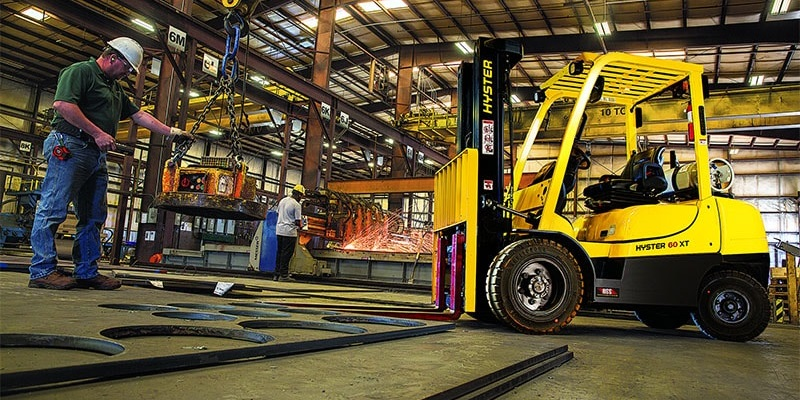
As the landscape changes for material handling regulations, Papé Material Handling is committed to guiding our customers through and providing unwavering support. The California Air Resources Board (CARB) has proposed new regulations aimed at reducing emissions by transitioning to zero-emission forklifts and beyond. This change marks a significant step towards a more sustainable future, and we at Papé Material Handling are here to ensure that your transition is seamless and beneficial. The proposed CARB regulations, released on November 7th, 2023 which come into effect into effect on January 1, 2026, represent a significant environmental initiative. Targeting the reduction of emissions in the material handling sector, these regulations specifically focus on all Class IV (Cushion Tire Forklifts) and Class V (Pneumatic tired forklifts) with capacities up to 12,000lbs, powered by LPG or gasoline. The goal of this regulatory shift lies in moving away from large spark-ignited
00
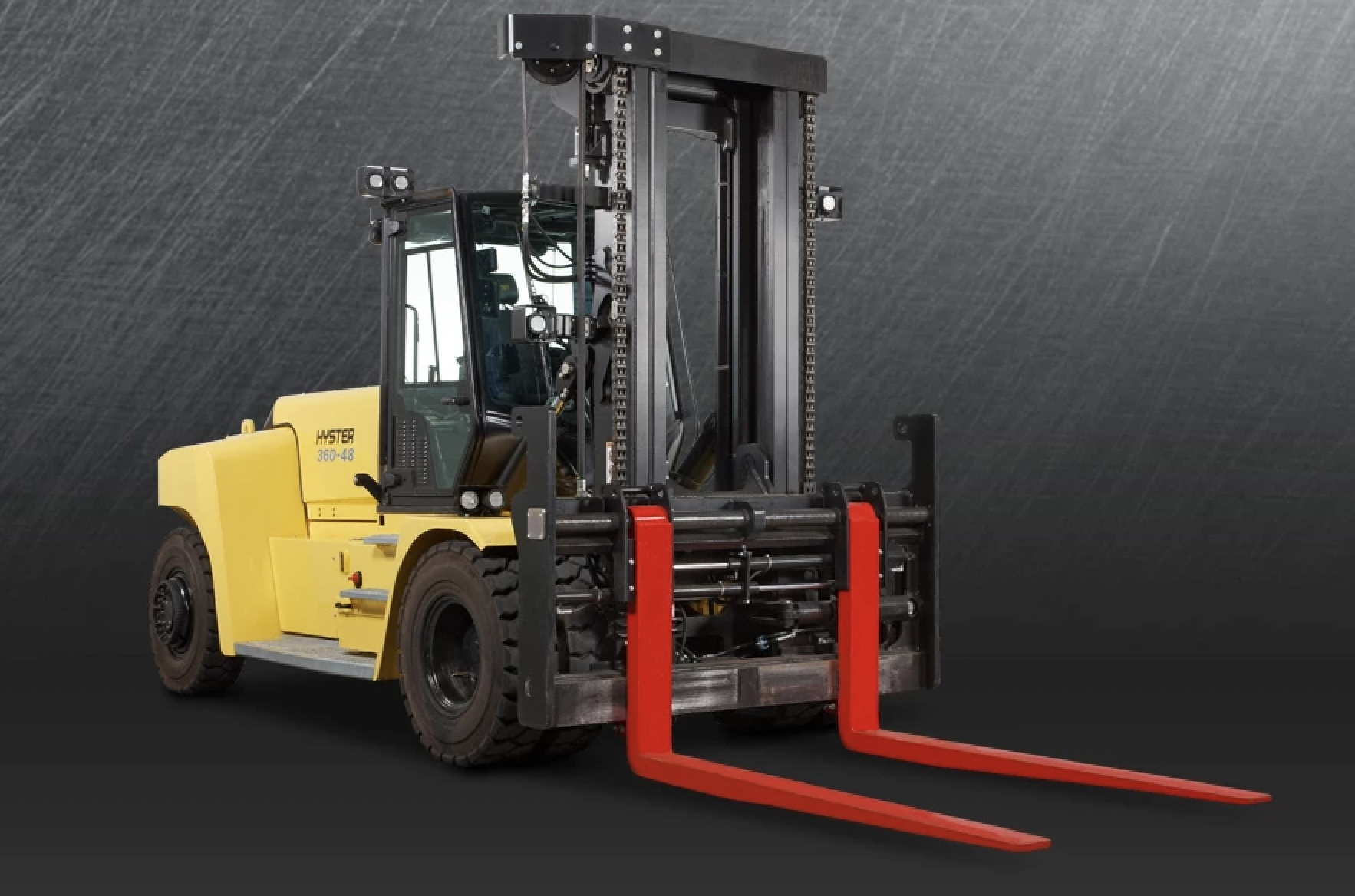
As the world collectively pursues reducing greenhouse gas emissions, the capital equipment industry plays a critical role. Electrification is on the rise. As key manufacturers help lead the charge to electrification, Hyster steps up to the plate with cutting-edge technologies for your fleet. Earlier this year, we blogged about the benefits of going electric, showing how electrification doesn’t compromise operational requirements–and actually leads to overall cost savings alongside the clear environmental benefits (now that’s what we call a win-win!). In this edition of the Papé Material Handling blog, let’s take a look at how big trucks are entering the electric age. GOING ELECTRIC Some of the benefits of going electric include: environmental sustainability less maintenance cost savings on fuel tax rebates machinery that will bypass any future nation or state-side restrictions on fuel-powered machinery As government regulations and corporate initiat
00

July 27, 2022

California Offers Money for the Purchase of New Zero-Emission Forklifts
July 27th – As California plans to ban the sales of new propane and diesel-powered trucks starting in 2026, it has already introduced an incentive program for switching to zero-emission […]
00