
Filter Post Type
NewsVideoProductEventLink
Sort:
Most Recent
1–3 of 3

October 20, 2023
When the grapes are plump and ripe, but the skies are overcast and rain threatens the vineyards, winemakers face a unique set of challenges. Wet harvests can be both a blessing and a curse, and the key to success lies in meticulous testing and analysis in the winery laboratory. In this article, we will explore the process and reasoning behind why testing for gluconic acid becomes crucial during wet harvests. Gluconic acid is a naturally occurring organic acid found in grapes. Its levels can fluctuate due to numerous factors, including grape maturity and disease pressure. When gluconic acid levels become excessively high, it can have negative effects on wine quality and taste. Reasoning: Quality Assessment: Monitoring gluconic acid levels is essential for assessing grape quality. Elevated levels can indicate the presence of undesirable microorganisms or spoilage, potentially affecting the wine's overall acidity and flavor. Excessive glucon
00


The OenoFoss™ GO analyzer handles both grape must and wine samples with equal ease which makes it simple to track grape maturity according to weather conditions. “It is a very easy and intuitive instrument,” says Giuseppe Facchin. “All you need to do is go out into the field, pick up a sample, filter the juice with a normal filter and test. Within two to three minutes you have all the information you need.” Read more: http://ow.ly/7hHJ50JYuhX
00
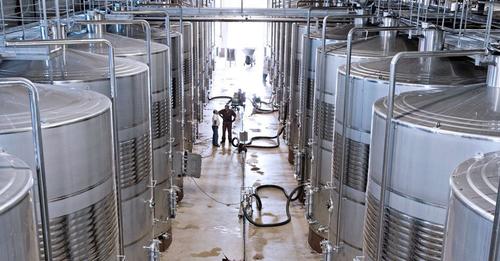
Making the right decisions in winemaking has never been easy. Even so, the events of recent years have put the business under unprecedented pressure. Beyond considerations related to the pandemic, climate related challenges are only set to grow with extreme weather already affecting growing conditions in many regions. Against this backdrop, the constant challenge of making great wine consistently year-after-year remains. Learn how FOSS solutions can help: http://ow.ly/C5E950HBPVr
00