Filter Post Type
Sort:
Most Recent
110 of 105
New AI Marketing Readiness Report 2026 | Wine Industry Data April 2026

AI Marketing Readiness Report 2026 | Wine Industry Data

New research: How ready is the wine industry for AI marketing?

The Weinheimer Group has released its 2026 AI Marketing Readiness Survey, the first primary research study of its kind focused on AI adoption among winery operators and marketing decision-makers.

Key findings from the verified respondent set:

— The majority of winery operators have not yet integrated AI into their marketing workflows, though awareness is high and directional intent to act is growing.

— When asked what would move them toward adoption, respondents identified education and a clear starting point as the primary catalysts, ahead of budget or access to tools.

— AI-powered search visibility is emerging as a priority concern. Operators are beginning to ask how their winery appears when a consumer queries an AI assistant for a recommendation.

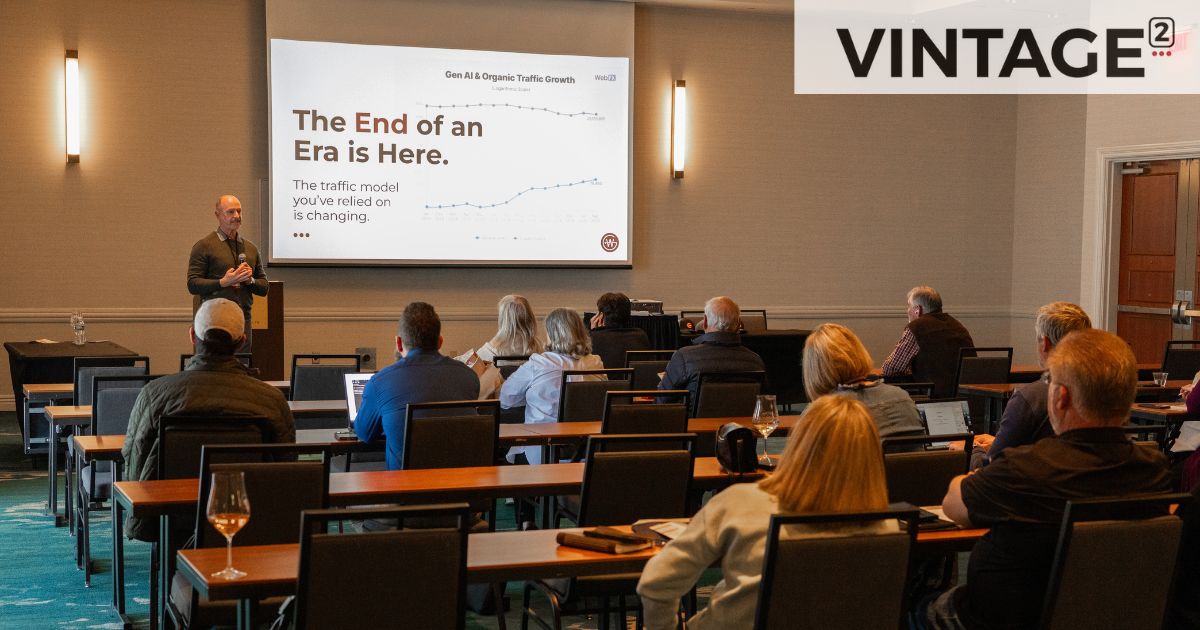
The findings are grounded in responses from verified wine industry professionals and presented alongside my VINTAGE2 AI marketing roadmap framework.

Note that all of these findings are directional as it can be challenging I've learned to pull winery folks away from their work to share their perspectives. Thank you to all of those who participated.

I also welcome your perspective!
00
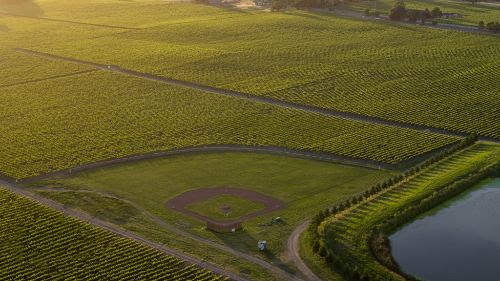
Reimagining the Winery as a Third Space for the Next Generation
In the film Field of Dreams, a quiet voice whispers a simple promise: “If you build it, he will come.” The idea was never really about baseball. It was about creating something meaningful and trusting that the right people would be drawn to it. The wine industry is standing at a similar crossroads. For decades, wineries have operated on a simple assumption: make great wine, tell a compelling story, and consumers will come. Craft the product. Earn the accolades. Build the brand. But the next generation of wine consumers is telling us something different. Gen Z, now entering legal drinking age and shaping the future of hospitality, is not primarily seeking bottles to collect or scores to chase. Many say they are looking for something more fundamental: connection, community, and places where they can gather with friends away from the constant pull of the digital world. In other words, they are looking for a third space. For winery owners, executives, and Direct-to-Consumer lea
00
Q1 2026 Looking Back | Observations on AI Brand Growth for Wineries
Observations from an AI Marketing Consultant on AI for Winery Brand Growth I’ve spent a lot of time this past quarter talking with winery owners, marketers, and operators. Mostly listening. What’s coming through isn’t hype or resistance to AI. It’s curiosity… mixed with a bit of uncertainty about where it actually fits in day to day. Questions like: How are people really using AI to find my winery? Does this actually impact tasting room traffic or DTC or not? What should we be doing differently right now, if anything? Good questions. With my feet wet, once again, now only 65 business days in the wine industry, what stood out to me in Q1 is that this shift is already happening, just unevenly. Some wineries are starting to show up in AI-driven discovery in meaningful ways, while others aren’t even aware of how they appear, and that's okay. I'll be releasing my Winery AI Marketing Readiness Survey findings next week which I hope will be
00
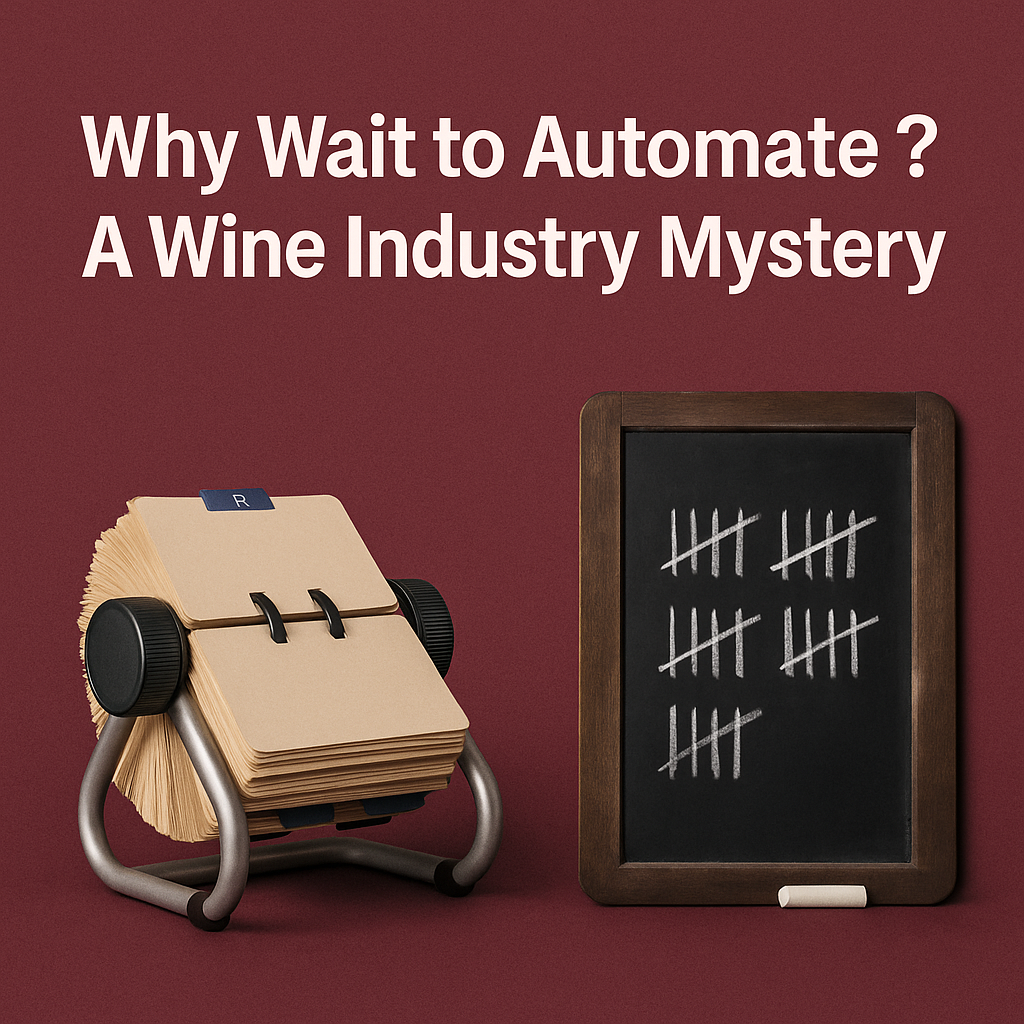
Why Wait to Automate? A Wine Industry Mystery
Imagine your VP of Sales announcing they’ve ditched CRM for a Rolodex. Or your finance director saying Excel is too modern, so they’re switching to chalkboard.  And yet, here we are — 2025 — squinting at billbacks for hours on end and sending reps to visit every retail account like the entire industry is running for sheriff. Automation isn’t new, but for the wine & spirits world, it might as well be black magic. We love to talk about efficiency, scaling, and modernizing — right up until someone proposes replacing busywork with bots. Suddenly, it’s “But our rep relationships!” or “This is how we’ve always done it.” As if nostalgia for manual labor is part of our brand identity. Let’s get one thing straight: no one’s asking you to hand your label design to Midjourney or let ChatGPT pick your clones. We’re talking about automating the parts of your business that drain time, w
00
What Is a Brand, Really? (And Why Yours Might Need a Little Therapy)
The word “brand” is notoriously difficult to define in marketing. If we were talking about a ranch brand—the kind seared onto livestock to signify ownership—that’s easy to understand. But in marketing, a brand is not a physical thing. It’s a symbolic construct. It’s not the label on the bottle or the winery’s logo or even the product itself. Rather, it’s the entire perception a consumer holds in their mind about your company, your wine, your people, and everything you collectively represent. A brand is a conceptual identity that differentiates you from your competitors. It can be shaped by your name, your origin story, the design of your label, the personalities involved in your winery, your tasting room experience, your packaging, your email tone, your partnerships, or even how you respond to a customer complaint. All these elements come together to form the intangible yet powerful idea of your brand. It is, quite literally, eve
00
Navigating the New Wine Landscape: 2026 US Market Trends for Wine Brands
After 30 years of moving up and to the right, the American wine industry hit a wall. Not a temporary slowdown or a soft patch. A structural shift that requires a fundamentally different marketing playbook. 2025 was the reality check. 2026 is the year wineries either adapt or watch their customer base age out beneath them. The data is now unambiguous: wine sales dropped approximately 6% in 2024, marking the steepest decline in decades according to SipSource industry data. More troubling than the headline number is what's driving it. This isn't a recession blip or a bad vintage. It's a fundamental realignment of who drinks wine, how they buy it, and what they expect from the brands they choose. Here are the five trends reshaping the US wine market and what they mean for your brand's survival. The Demographic Disruption The wine industry built its growth on one generation: Baby Boomers. That generation is now aging out. The Wine Market Council's 2025 U.S. Consumer Ben
00
The Archetype Advantage: Using Brand Archetypes to Build a Loyal Wine Club
The wineries with the most loyal wine clubs aren't the ones with the best discounts. They're the ones with the strongest emotional identity. This will sound counterintuitive to anyone who's ever tried to stem club churn by sweetening the deal with free shipping or an extra bottle. But the data tells a different story. Companies with strong emotional connections to customers outperform competitors' sales growth by 85%. Not 8.5%. Eighty-five percent. The question isn't whether emotional connection matters. It's how you build one. Enter brand archetypes: a framework rooted in Jungian psychology that helps wineries create the kind of deep, identity-based loyalty that discounts can never buy. When wineries align their story, experience, and messaging with a core archetype, wine club loyalty stops being a battle against churn and becomes a natural expression of who they are. What Are Brand Archetypes? (And Why They Work in the Wine Industry) Brand archetypes are 1
00
The State of the U.S. Wine Industry: Key Insights from the 2026 SVB Report
The 2026 State of the U.S. Wine Industry Report, published by Silicon Valley Bank and authored by Rob McMillan, provides a comprehensive, data-driven assessment of current conditions in the U.S. wine market. Built on more than 25 years of industry research, the report combines results from SVB’s annual winery survey, its Direct-to-Consumer (DTC) survey, demographic and cohort consumption modeling, and a wide range of third-party wholesale, retail, and population datasets. The conclusion is clear: while the industry continues to face structural headwinds, wineries are not experiencing these conditions equally. A widening performance gap has emerged between those adapting to changing demand and those struggling to do so. 2025 Performance: A Difficult Year for Many By nearly every measure, 2025 was a challenging year for the U.S. wine industry. Roughly half of the surveyed wineries rated the year negatively, citing slowing demand, rising costs, margin pressure, and inventory ch
00
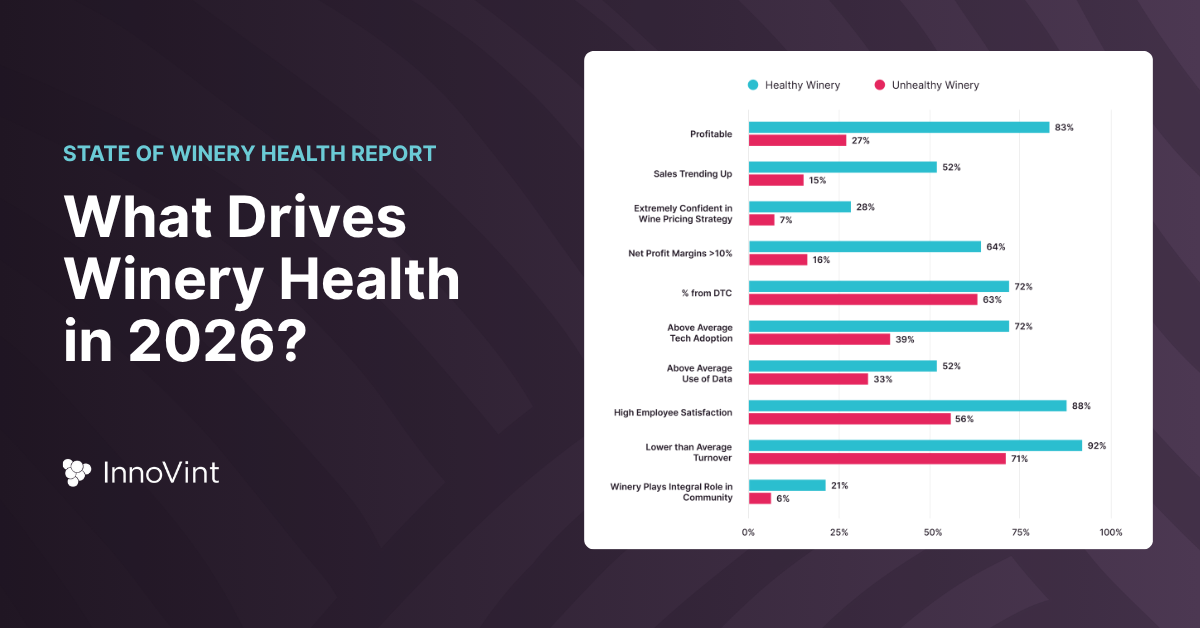
What Drives Winery Health in 2026? The Data Behind Your Winery's Financial, Operational & Cultural Success
Winery health isn’t defined by one metric. It’s a reflection of how well a winery performs across three key dimensions: financial resilience, operational excellence, and cultural strength. Every year, InnoVint surveys hundreds of winery professionals to understand what truly drives a healthy winery. In the 2025 State of Winery Health Report, our statistical analysis confirmed that all three dimensions matter, but financial performance stands out as the clearest signal of overall business health. Profitability, sales growth, and pricing confidence consistently separate the strongest wineries from those struggling to keep pace. But the story doesn’t end there. Operational practices, technology adoption, and team culture all play vital roles in supporting long-term success. What Does “Winery Health” Mean in 2025? At its core, winery health represents a winery’s ability to stay profitable, efficient, and resilient — even as the industry faces
00