
Filter Post Type
NewsVideoProductEventLink
Sort:
Most Recent
Tagged:winemaking ingredients
1–10 of 17

It takes all of a winemaker's experience, skill and passion to craft an outstanding and memorable wine that will delight existing customers and attract new ones. Younger consumers, in particular, are looking for new taste experiences, increasing the demand for wines with bold flavors and aromatic complexity — but without negative characteristics. Throughout history, winemakers have been aware of reduced acidity and other undesirable changes in their wine after fermentation. However, it was challenging to control these changes because they didn’t fully understand why they occurred. In the early twentieth century, scientists discovered the lactic acid bacteria responsible for this malolactic fermentation (MLF). AB Biotek continues to pioneer wine yeast product development, drawing on its extensive knowledge of fermentation and production and its mastery of science and technology. The company has now developed an innovative new solution that modifies the malic acid found i
00

Our wine yeast and ingredient products are meticulously designed to meet the dynamic needs of winemakers. We strike a balance between tradition and innovation, assisting you in navigating the shifting landscape of consumer tastes, climate volatility, and viticultural practices. The Pinnacle range is committed to delivering premium fermentation performance, enabling you to produce wines that your customers adore, with more consistency than ever before. Our range is specifically tailored for premium wines where individuality, along with the intensity of aroma, colour, and flavour delivery, are paramount. With a legacy of over 150 years in fermentation and ingredient technologies, we stand ready to support your winemaking journey. Learn more here.
00
Some feel good news. While Tastry now works with 5 of the top 10 US wine producers and dozens in the top 100, it's satisfying in a completely different way when we can help a local boutique winery save their 2020 wildfire ravaged vintage and their reputation. The options TastryAi evaluated included carbon filtration, reverse osmosis, enzymatic treatments, non-vintage blends, and the addition of various tannins from Oak Wise products to ameliorate the smoke taint. Read the whole article here.
00


Next week is the 2023 Unified Wine & Grape Symposium! We are excited to see you! Come visit our sales team at booth 442 to find out what we offer and how we can help you!
00
Please come by and visit the team at AB Biotek in Booth #421 during the Unified Wine & Grape Symposium. Our team of experts will be more than happy to share details about our Pinnacle and Maurivin portfolios of wine yeast and nutrients as well as the technical service that our organization can provide. Whether you need ingredients or knowledge, AB Biotek is here to make your winemaking process a success. We look forward to seeing you on the show floor in Sacramento…cheers! AB Biotek Unified Symposium Booth: 421 AB Biotek is a global fermentation science company specializing in partnerships within the alcohol beverage, nutrition and biofuel industries. Businesses looking for a total resource – including proprietary yeast strain and non-yeast technology, propriety research and development, and customized technical service and diagnostic support – can rely on us. For more information, please visit www.abbiotek.com.
00
In the introductory blog in the Wine Series, we took a look at why it is important to rehydrate yeast properly. In the future, we will talk about and compare and contrast specific strains of yeast. But before we get into what the differences are between specific yeasts, we should take a look at how the yeasts used in winemaking came to be what they are today. Yeast is not new. It didn’t get invented. The fungus occurs naturally and has always been here with us and has changed along with us humans. Sometime, possibly around 5,000 years ago, humans realized yeast could be a tool and domesticated for our own purposes – whether that’s making bread or alcohol. In breadmaking, the yeast gives the bread CO2 bubbles to make the dough rise. Back then, people didn’t know about potassium bitartrate or other chemical means of making dough rise, so all bread was naturally fermented by using yeast and/or sourdough bacteria. In nature, yeast divides and makes a clone of itself
00

November 17, 2022

2022 WINnovation Award: Lamothe-Abiet Excellence B-Nature — Naturally Reducing SO2 Without Risking Spoilage
The wine industry is constantly faced with new trends, challenges and the pressure to stay ahead of the competition. With that comes the opportunity to innovate. Each year, Wine Industry […]
00
October 10, 2022
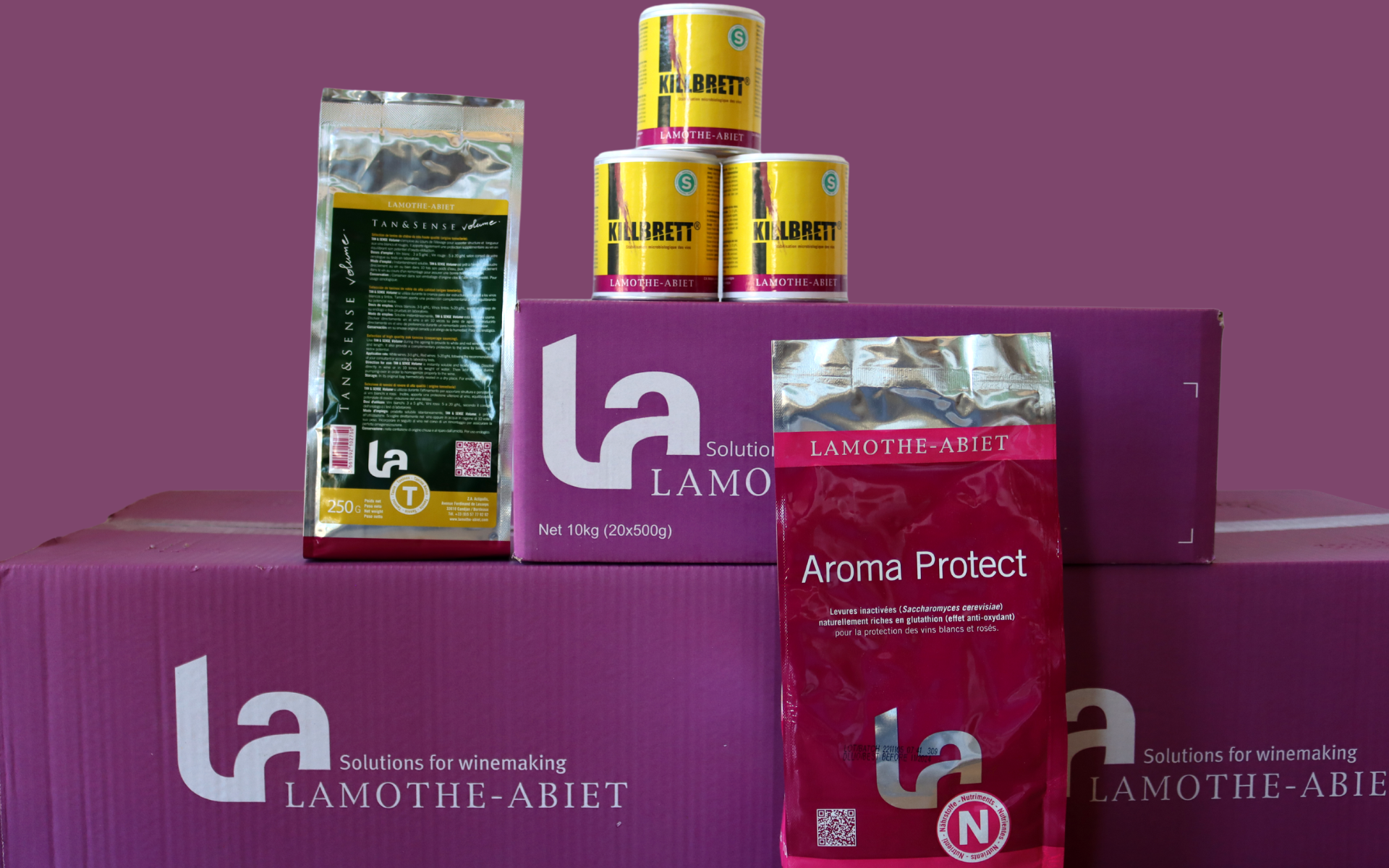
The harvest hustle is over, and fermentations are finished. Winemakers are now starting to think about maintaining and preserving their wines’ quality throughout the ageing and bottling process. Over the past few years, everything from wildfires to the COVID-19 pandemic to heat waves and cold snaps have disrupted their standard practices. Many winemakers are bottling earlier to quickly rebuild inventory consumed by unexpected sales growth during the pandemic and the growing consumer demand for younger, fresher wines. Three essential products to add to their toolkits are Aroma Protect, KillBrett, and Tan&Sense Volume by Lamothe-Abiet, which protect against oxidation and microbial contamination. They are all vegan, allergen-free, and natural, alternatives to SO2, increasingly important to the sought-after Millennials generation. 1. Building natural wine resistance to oxidation Aroma Protect is a yeast derivates, rich in glutathione. This wine additive focuses on building wine
00
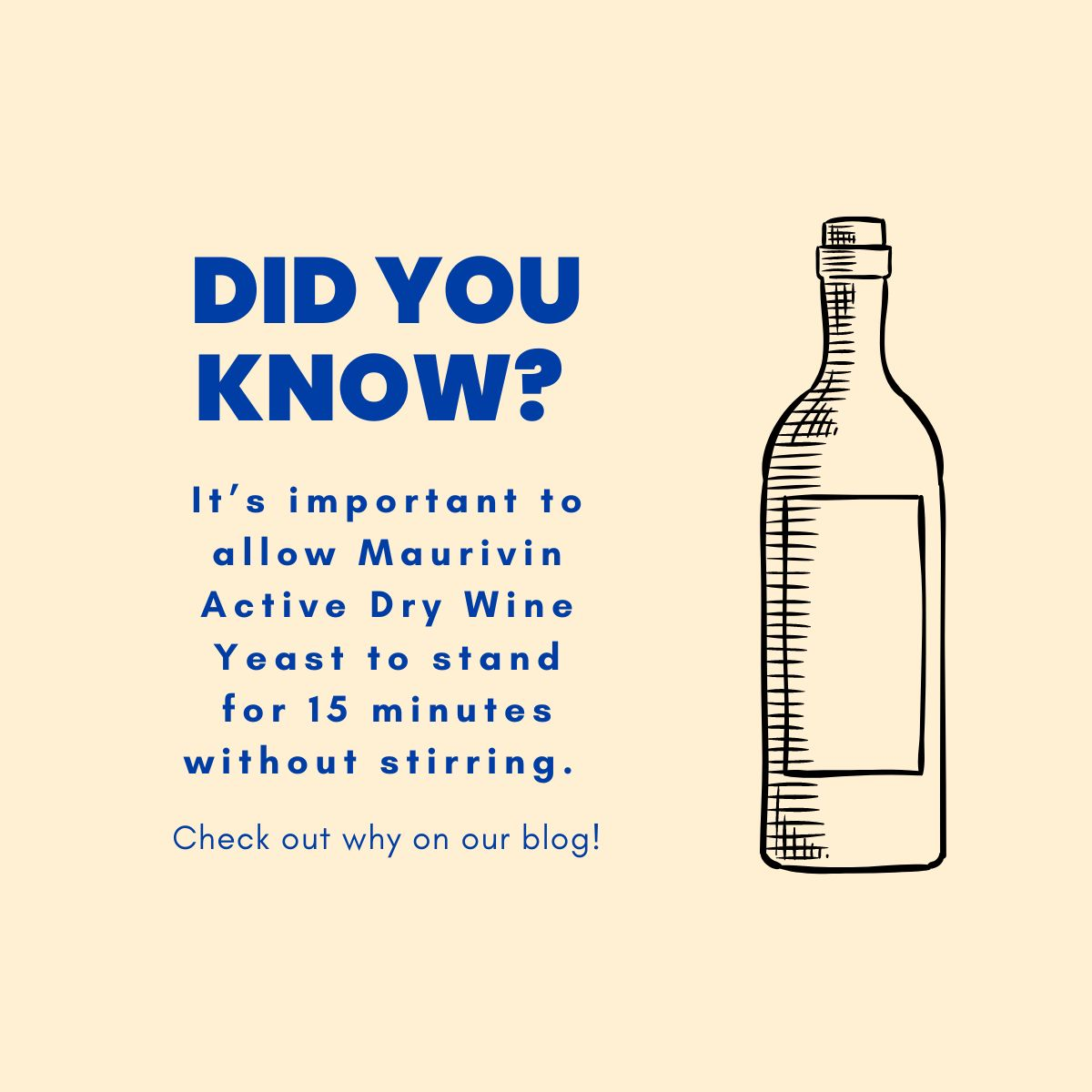
Maurivin Active Dry Wine Yeast should not be stirred for 15 minutes during the inoculation process. Find out why and when on our blog: https://shop.ravagochem.com/support/s/blog/rehydration-waking-up-the-best-way-possible-MCUUMVKYX2NNCITH6DIMIUAO4LAY
00

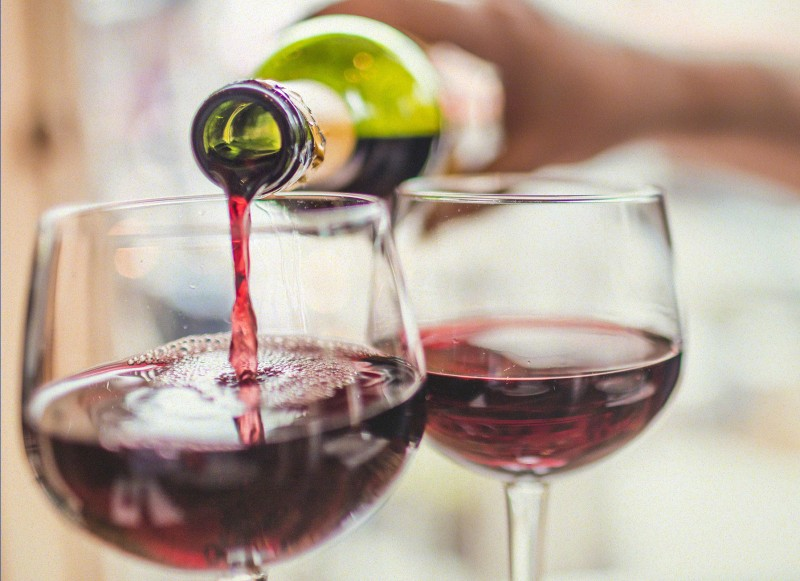
This is the time of year when vineyards are working hard to harvest grapes and begin to produce wine for customers. A number of gasses are used in the process. One of the most common is carbon dioxide (CO2). CO2 is used in controlling the temperature of the grapes during harvest, transport, and fermentation. CO2 also applies to other aspects of wine production such as the wine aging process, when wine is blanketed before it is bottled, and even when wine bottles are being purged due to oxygen exposure. CO2, argon, and nitrogen are used throughout the wine making process. Gas pressure is used for liquid transfer. Gas blanketing is used to protect the product from oxidation. And, more. Learn more about how MATHESON can help with your wine production at https://www.mathesongas.com/industries/wine/
00