
Filter Post Type
NewsVideoProductEventLink
Sort:
Most Recent
Tagged:wine science
1–10 of 11

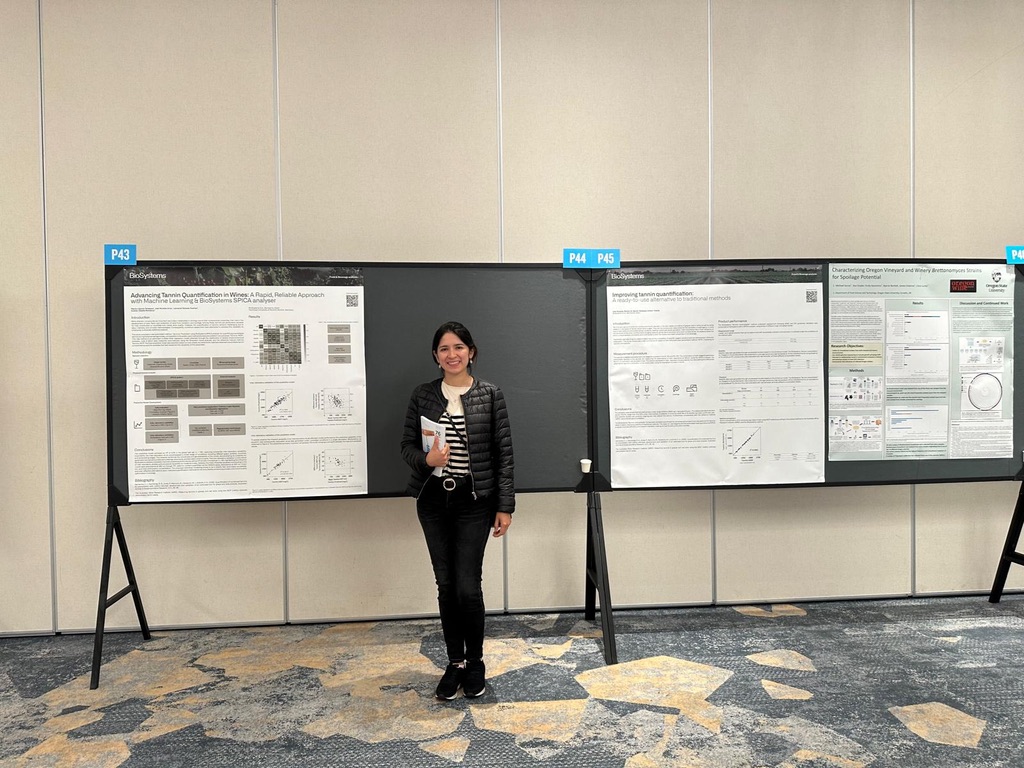
Last month we had the great pleasure to present posters about our new tannin methods at ASEV with our partners, BioSystems. Our first poster highlights an optimized multiple linear regression model that uses automated testing to predict tannin levels in wine. The research was done in labs in four countries using multiple grape varietals throughout the stages of winemaking. By combining machine learning with SPICA’s advanced analysis tools, it offers a fast and simple way to ensure consistent wine quality. Our second poster describes an alternative to tannin precipitation by Mexthylcellulose (MCP) in wine. While traditional methods take a great deal of time to prepare the reagents, our MCP kit is ready to use out of the box with an 18 month shelf life and provides fast and reliable results on the SPICA automated platform. Congratulations to Marilyn Garcia, José Morales Ariza, Leonardo Estrada Dueñas, and Andreu Tobeña Montanuy for the completion of these
00

Today we invite you to visit our website and take a closer look at the offerings from Gravity Analytical Laboratories (GAL). We are happy to have launched a new section of our site devoted to GAL and all that we do in the lab, including individual analysis and analysis panels. Gravity Analytical Laboratories (GAL) At GAL, we are inspired by the innovative technology available to the field of enology and its ability to inform the winemaking process. You may have read informative blog posts authored by our GAL chemists or watched one of our recent videos filmed within the lab. We are so excited to share with you all that is possible on your winemaking journey with Gravity. Be sure to bookmark gravitywinehouse.com/analytical-laboratories as we will be adding more offerings to this page over time!
00
Winemaking is driven by a rich microbial ecosystem. Saccharomyces cerevisiae is responsible for converting the sugars in grape juice into alcohol during primary fermentation. Oenococcus oeni carries out the malolactic fermentation that is responsible for transforming crisp, acidic malic acid into softer lactic acid and improving microbial stability. However, other microbes can produce undesirable, volatile compounds that spoil wine with off-odors and flavors. Luckily, the yeast and bacteria responsible for spoilage can be easily managed if caught early in production. Brettanomyces, Lactobacillus, and Pediococcus are the common culprits of microbial spoilage. Here at Gravity Analytical Laboratories, we use a polymerase chain reaction, or “PCR,” to check for the presence of all three microbes. PCR is a molecular biology tool that allows us to assess the presence of these microbes by screening for their DNA in a juice or wine sample. We can detect these mic
00
Are Sulfites in Wine Bad for Your Health? With the ominous contains sulfites label that accompanies most wine bottles, consumers have grown wary of sulfur in wine. Despite the recent push for natural and sulfite-free wine, these titles create havoc for winemakers who do not use these descriptors. What most don’t realize is that sulfur is a byproduct of fermentation. Thus, sulfur not only plays a role in maintaining the freshness and flavor of wine, but its presence is a natural part of the winemaking process. The Use of Additives in Wine Throughout the Years While natural wine has become a trendy concept, the product itself isn’t new; wine labels that tout their product as natural merely are referring to the traditional methodology of making wine from unaltered grape juice with no additives, which stands in contrast to other wines found on your local supermarket shelf. Some use many of the 62 government approved additives [CFR 24.246], such as fake
00
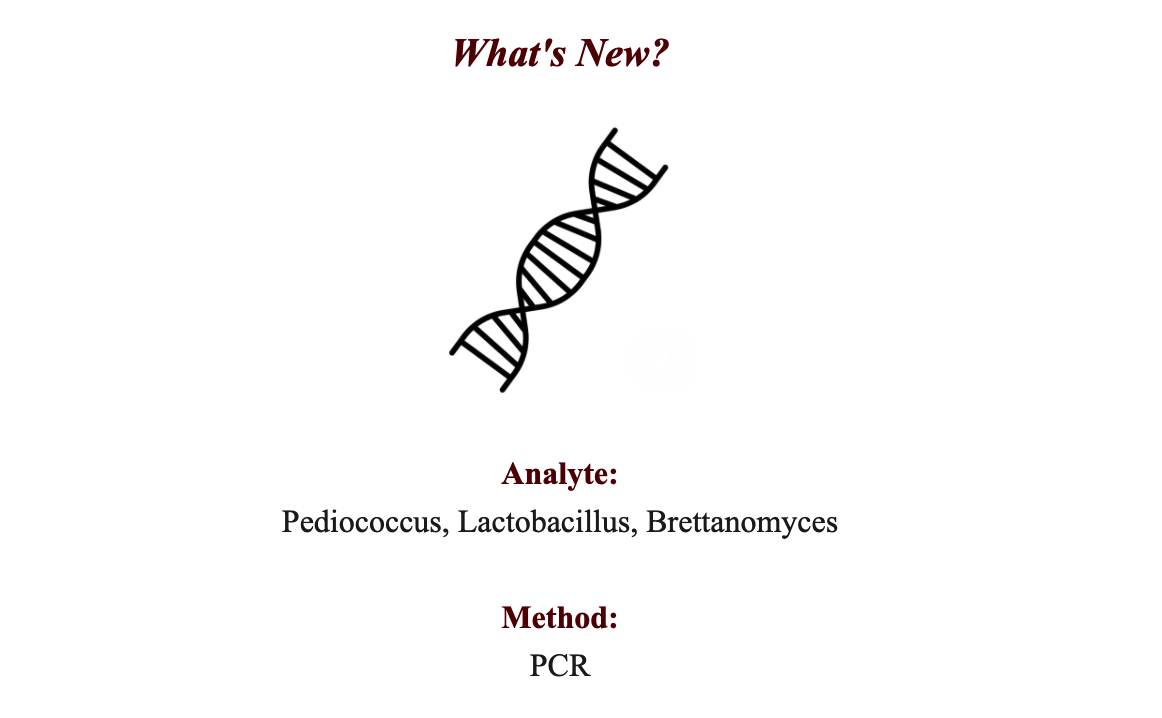
Our laboratory is equipped with a broad selection of fine-tuned and precise equipment that provides an in-depth analysis of your wine. We are happy to be expanding our offerings over the next few months to continue helping you produce the best product possible. We can use a PCR to test for Brettanomyces, Lactobacillus, and Pediococcus in wine. These are three microbes that are often the culprit of microbial spoilage. What is PCR? Polymerase Chain Reaction, or PCR, mimics the DNA replication process that occurs prior to cell division within in a cell. This common molecular biology tool amplifies the target DNA if it is present in the sample. Download Lab Offerings PDF
00
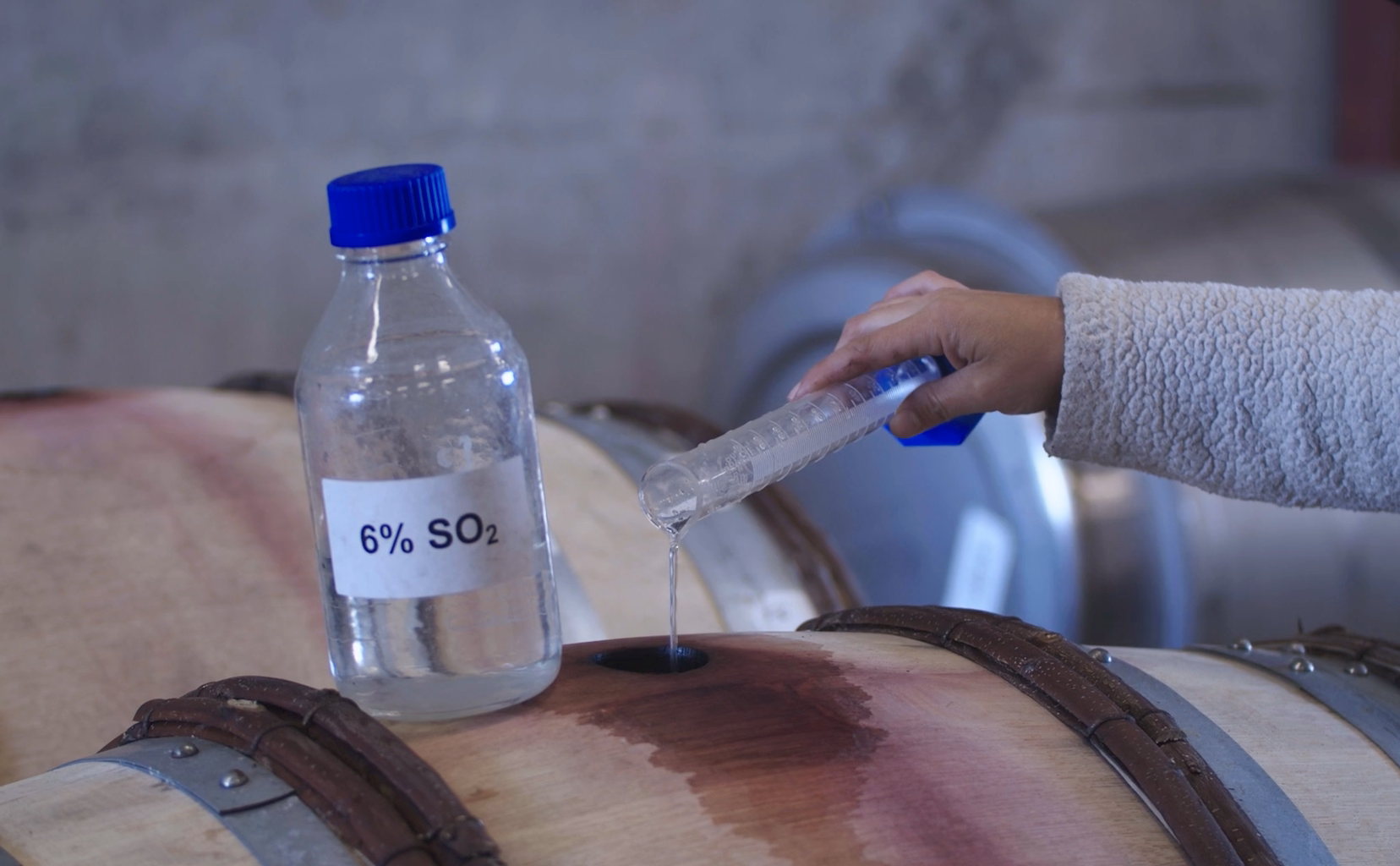
Original Post Although used in winemaking for centuries, many consumers remain skeptical about the importance of sulfur dioxide (SO2) in creating shelf-stable wines. In our second video from the Gravity Wine House Chemical Analysis Laboratory, we discuss the role of added SO2 in wine freshness and flavor, as well as how to measure and maintain optimal SO2 levels in wine. Whether you’re an enology student looking to learn more about SO2 measurement or a wine drinker trying to understand the importance of this compound in your favorite beverage, join our chemists for another trip into the wine lab! Feel free to join our mailing list to receive updates and emails with new educational posts. The signup form can be found here.
10

Original Post Are you familiar with the cliché: beauty is in the eye of the beholder? When it comes to wine, beauty may lie in the aromatic and flavor perceptions of each wine lover. Much has been written about wine tasting, with a focus on the grapes, the appellation, the vintage, the winemaker, and the tasting technique itself. Given the many factors that go into crafting the finest wines, it’s easy to believe that you, as a wine consumer, are a mere passive observer of the flavors and aromas developed in wine as it ages. Think again. Fruit-forward. Notes of dark cherry, red currant, and raspberry, plus hints of vanilla and baking spice. Is this a description of your favorite Pinot Noir, or a holiday fruitcake? Have you ever wondered why your favorite wine reminds you of other scents derived from food morsels seldom found in your glass? Neuroscientific studies have shown that flavor is an active sense, in which your brain plays an integral role in creating the sight, sme
20
Original Post Two of the most important values in winemaking are pH and titratable acidity (TA). Although related, these measures convey distinct information, and it is important to know how and when each value is used in the decision-making process. Join us for a trip to the Gravity Wine House Chemical Analysis Laboratory, where our chemists cover the basics of pH and TA, demonstrate how they measure these quantities on wine samples in our lab, and discuss the relevance of these measurements in winemaking. Whether you’re a chemistry student looking for real-world applications of classroom learning or a winemaker hoping to brush up on enology basics, our educational video series offers a deeper look at the chemistry behind wine.
20
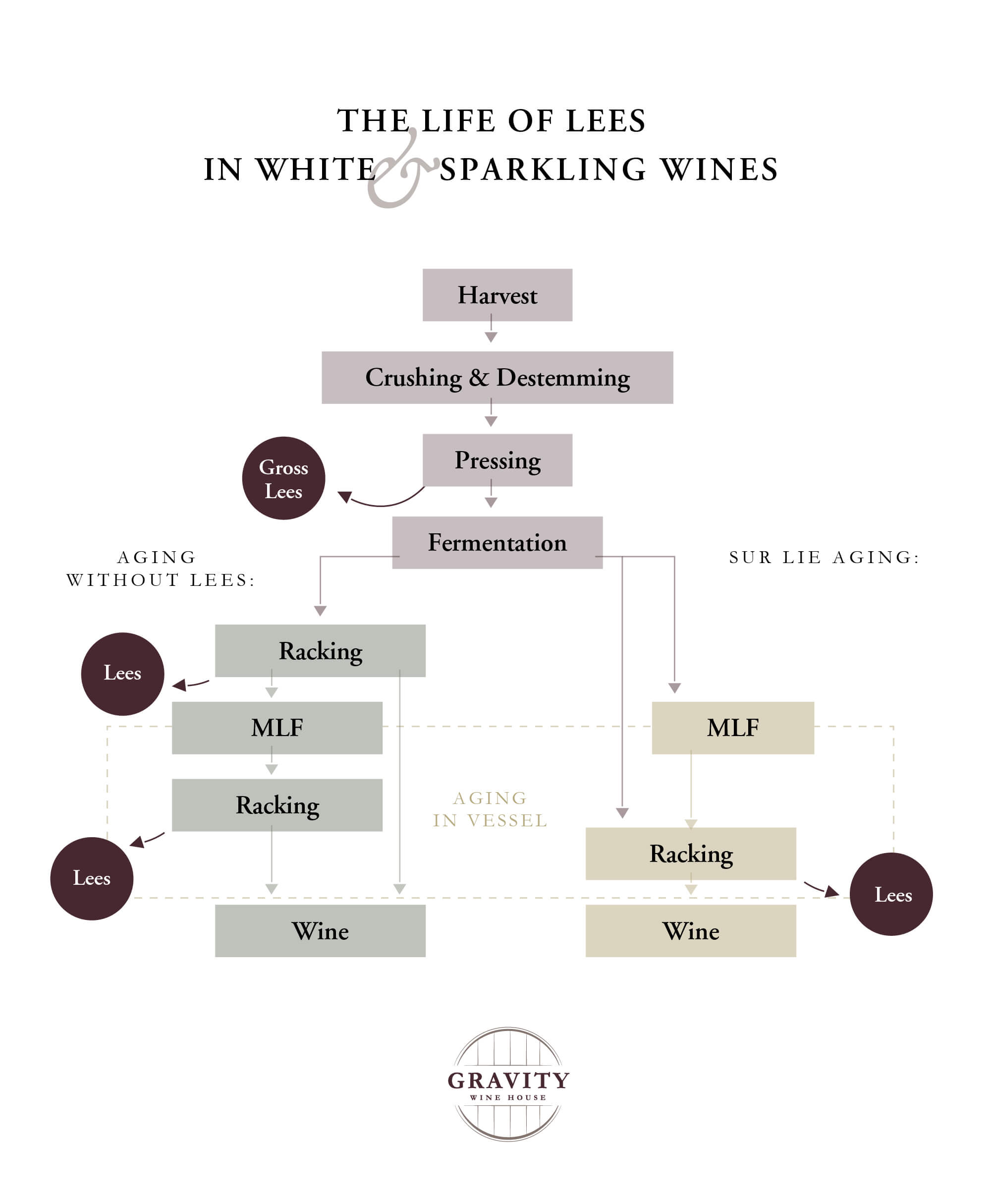
Original Post Sur lie (French for “on the lees”) aging sounds fairly straightforward: it is a stylistic choice to allow wine to age in contact with its lees. The overarching goal is to enhance the mouthfeel, body, and complexity of the wine by foregoing racking or other methods of lees removal for anywhere from 2 to 15 months or more (Patynowski, et al., 2002). During this time, yeast cells undergo a breakdown process called autolysis (“auto” meaning self, “lysis” meaning break apart) and release their contents, unlocking a treasure trove of beneficial compounds that enhance the finished wine. This type of aging is typically associated with white wines, such as Chardonnay from Burgundy and Muscadet from the Loire Valley, as well as sparkling wines like Champagne. Although less common, sur lie aging for red wines has also been gaining interest (Wang, 2014). Though sur lie aging has been practiced since Ancient Rome, we are still uncovering the science
20

Original Post Wine bottles come in a variety of colors; glass is generally available in shades of green, brown, or clear. One may think that as a winemaker you base your color choice on preference, but this is not always the case. Winemakers will consider several factors when choosing between the colors of wine bottles. One balances his or her decision between the best practices in aesthetics (packaging), whether or not you want to showcase the wine color, the desired level of UV protection, and any consumer expectations such as traditional European bottling concepts. The considerations can be summed up as follows: Marketing (design/aesthetics/showcasing wine color) Tradition (European traditional references) Wine Integrity (UV protection of the wine) And/or some balance between marketing, tradition, and wine integrity Traditional European Uses Traditional European bottle shapes and colors play significant roles in the wine industry; in effect, many winemakers base their glass color se
10