
Filter Post Type
NewsVideoProductEventLink
Sort:
Most Recent
1–10 of 54
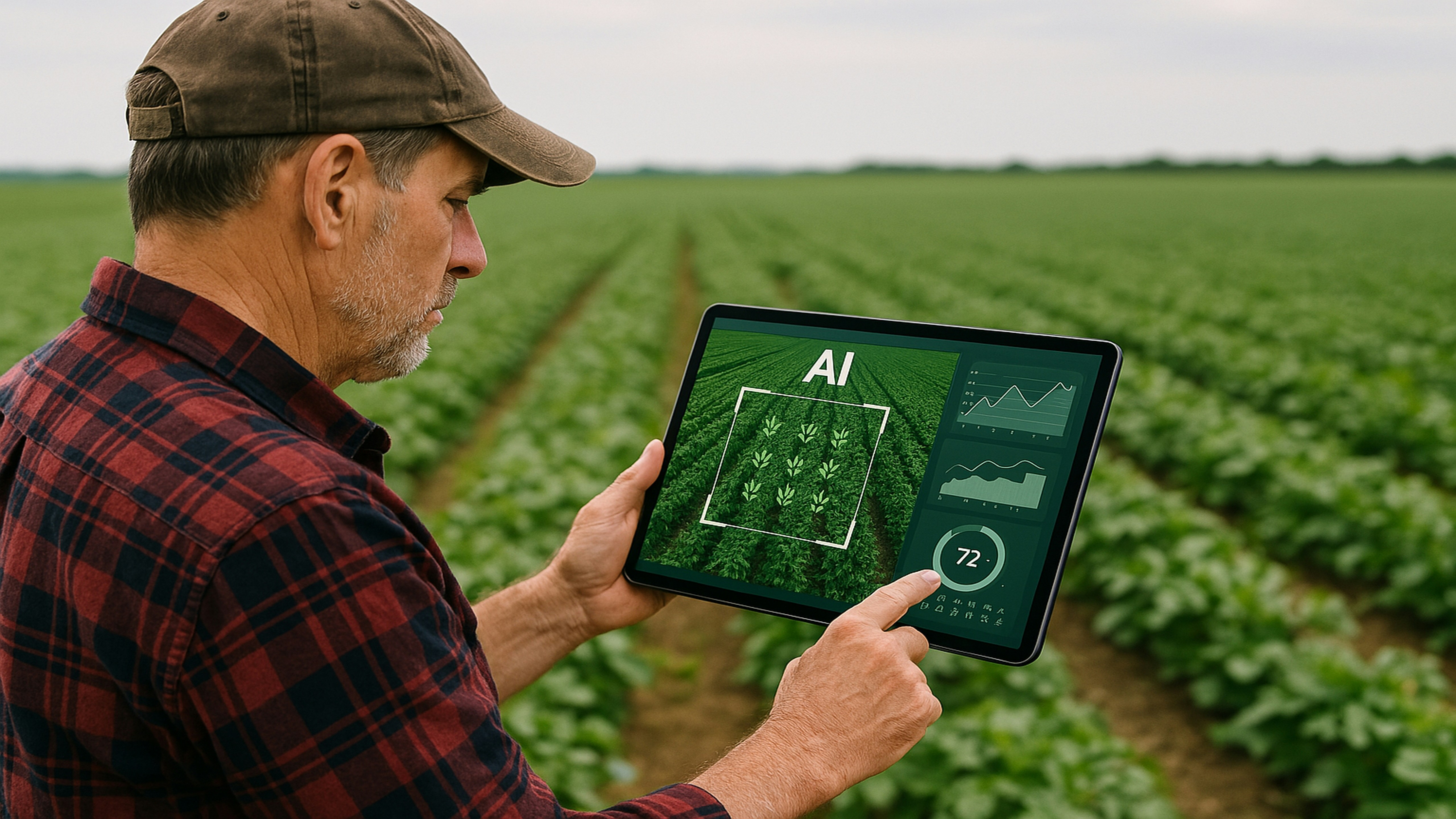
Most conversations about AI in agriculture lead nowhere. There is plenty of speculation, plenty of marketing, and very little shared understanding of how AI is actually being used inside real vineyard operations. There is no manual. No proven tools, and even fewer examples that go beyond theory. That is what makes this story different. Rather than discussing what AI could do someday, this article looks at what happened when a professional vineyard management team, operating at scale and under real economic pressure, put AI to work on the unglamorous parts of their operation: scheduling, coordination, and administrative complexity. The outcome was not what most people would expect. The biggest gains did not come from automation itself, but from what changed once friction was removed from daily work. First, You Have to Start With a Real Problem A vineyard operations leader managing large-scale acreage described a situation many vineyard operators recognize immediately: an operatio
00

January 23, 2026
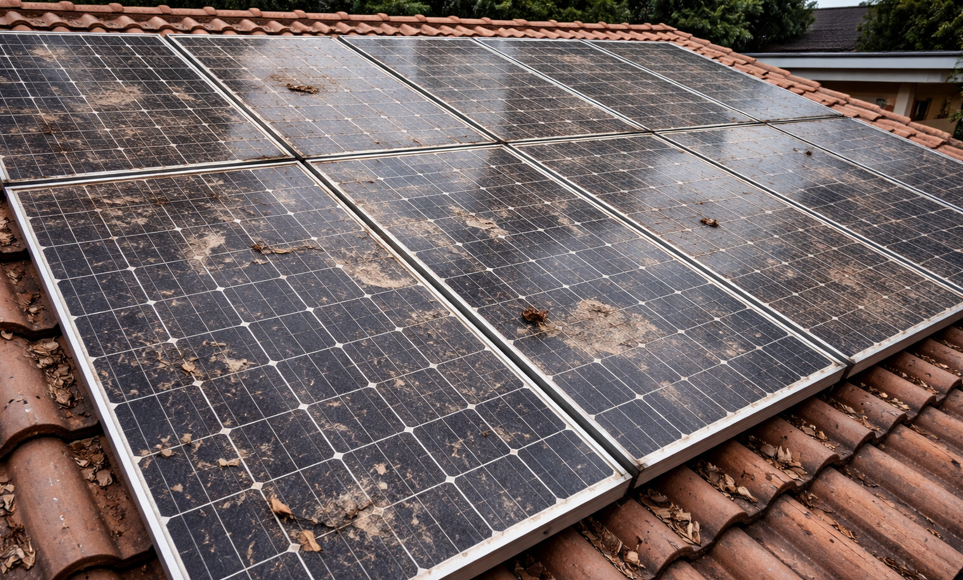
Key Takeaways Regular solar panel cleaning helps maintain energy output by removing dirt, salt residue, and debris that block sunlight and reduce efficiency. Most homeowners should clean solar panels once or twice per year, with coastal and high-dust areas often needing more frequent service. Professional solar panel cleaning protects your investment by safely removing buildup without damaging surfaces, wiring, or warranties. Solar panels are designed to be low maintenance, but that does not mean they are maintenance-free. Over time, dirt, dust, pollen, bird droppings, and coastal salt can reduce how much sunlight reaches your panels. When that happens, your system produces less energy, and your savings take a hit. Here on California’s Central Coast, solar panel cleaning plays a bigger role than many homeowners realize. This guide explains how often solar panels should really be cleaned, what affects cleaning frequency, and how proper maintenance protects your investment. Our par
00

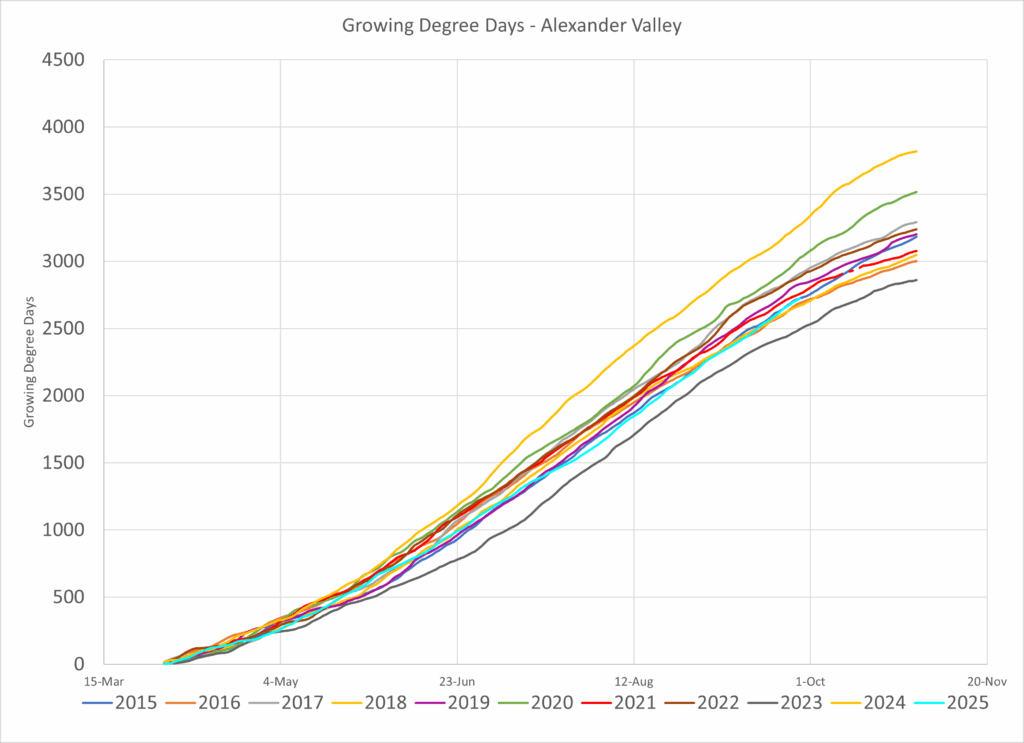
If this year is defined by a singular emotion, it’s anxiety. That’s nothing new in farming, however I’m talking about anxiety over the abysmal grape market rather than any natural phenomenon. Many of us were so busy scrambling for buyers, we may have forgotten to notice just how great the weather has been. Why wouldn’t we get handed a great year when most of us can’t sell any grapes? Let’s look at some numbers My gut feeling was that 2025 was similar to 2023 with a few big differences. 2023 saw some record high rainfall in the winter and early spring throughout California. Even the Paso Robles area got around 21” of rain from July 1st 2022 to July 1st 2023, up from a whopping 6.5” the year prior. That amounted to lots of nice canopy development early in the year and some good yield potential, provided you didn’t get shatter during the chilly springtime. This year however, the Central Coast was back to a measly <7” of rain w
00
September 30, 2025
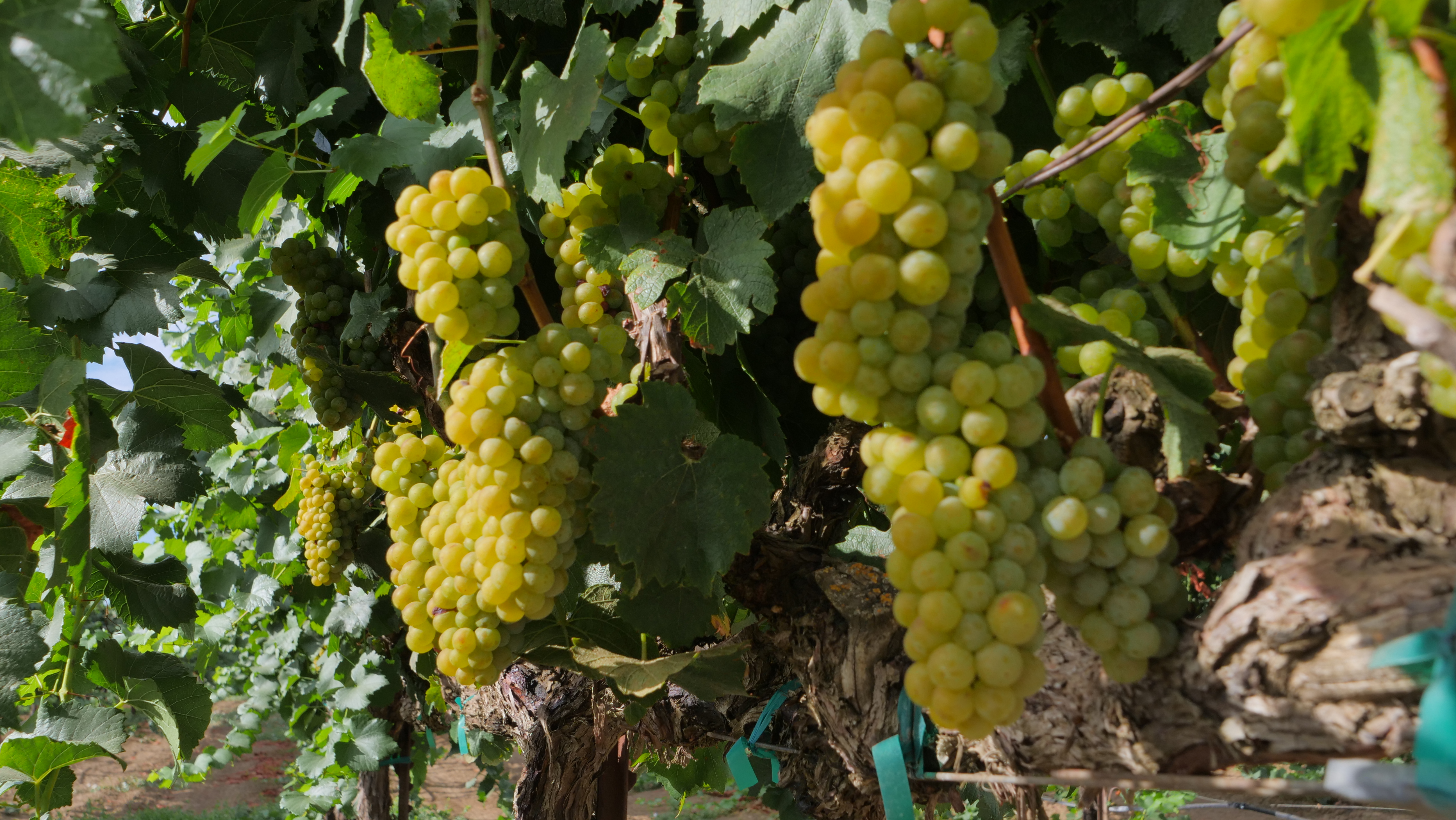
With the conclusion of harvest, it’s easy to shift focus from irrigation. The crops are in, and the season’s busiest time is nearly wrapped. However, the irrigation practices in the immediate post-harvest weeks are crucial for next year’s growth, yield, and quality. Market conditions often tighten budgets, labor availability decreases, and water allocations may already be stretched thin from the season. At the same time, crops are still active beneath the soil line, requiring care to build root strength and store nutrients for the year ahead. Balancing limited resources with the ongoing needs of the crop can feel like a gamble, especially when every decision impacts next year’s performance. How HotSpot AG Helps in Practice Reliable irrigation automation makes all the difference. HotSpot AG’s systems were designed with the understanding that every farm has unique characteristics, such as older pumps, intricate irrigation layouts, and specific site challe
00
September 3, 2025
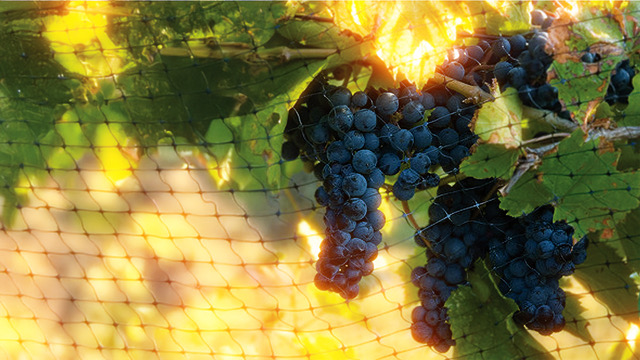
For vineyard owners, harvest season brings both excitement and anxiety. As grapes ripen and sugar levels climb, they become an irresistible target for birds, deer, raccoons, and other hungry visitors. A single flock of starlings or a few persistent deer can cause significant crop loss — not just in volume, but in quality. For growers working tirelessly all season long, these setbacks can be devastating. That’s why more and more vineyards are turning to physical deterrents like netting — a simple yet powerful solution that protects the fruit without compromising the vineyard’s aesthetic or farming practices. At Trident Fence, we’ve worked with growers across the country to provide vineyard netting that’s durable, easy to install, and incredibly effective. Whether you operate a boutique winery or manage acres of vines across varied terrain, netting may be the smartest step you take toward a more secure and profitable harvest. Why Netting Works fo
00
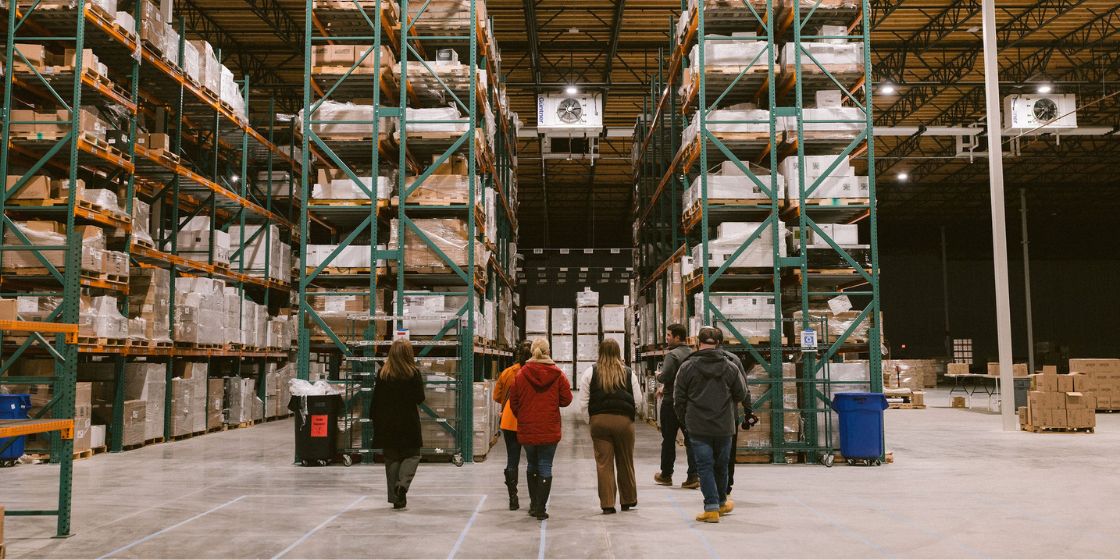
In today’s wine industry, running lean has become the norm. Wineries are navigating tighter margins, shifting consumer demand, and limited resources all while trying to maintain the exceptional service their customers expect. In a market where every shipment counts, having the right fulfillment partner is not just a convenience, it’s a necessity. At WineDirect Fulfillment, we understand the pressure to do more with less. That’s why we’ve built our operations and tools to support your business through every challenge, helping you protect your brand, deliver a top-tier customer experience, and keep things running smoothly. Choosing the Right Partner When you're operating with a smaller team and fewer resources, there’s no room for error. Delays in shipping, inventory mishaps, or damaged wine can quickly erode customer trust and impact your brand’s reputation. And with limited time to chase down support or resolve issues, wineries need a par
00
Event Type: Webinar
Date: 8/21/2025
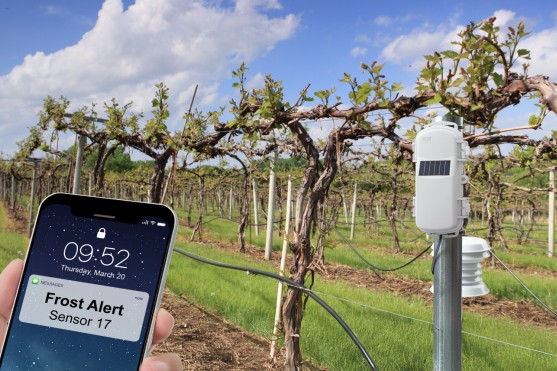
Frost is far more than just a weather event, it’s a serious threat to any grower’s crop quality, crop yield, and bottom line! Join our free 45-minute webinar to discover how remote environmental monitoring solutions can help. With 24/7 data access and instant alerts when conditions exceed user-set thresholds, you’ll never miss a critical moment to safeguard your harvest from frost damage. Presented by data logging expert Steven Kizorek, webinar topics include: An overview of the HOBOnet Wireless Sensor Network for agricultural monitoring Predicting frost events using localized monitoring data Remote data access and setting up real-time alerts in the LI-COR Cloud platform Real-world HOBOnet applications, including at vineyards, vegetable farms, and orchards Don’t miss this opportunity to learn how to stay ahead of the weather – with data-driven frost protection. August 21, 2025 at 2pm - 3pm (America/New_York) Register Now
00
Even the most efficient solar systems can experience dips in performance over time. Dust, debris, weather damage, and system wear can quietly reduce your energy output—and increase your utility costs. Westcoast Solar encourages vineyard and winery owners to schedule an annual diagnostic and service visit to ensure your solar investment is working as hard as you are. A quick tune-up now can prevent larger issues later and help maximize your return on investment. Whether you installed solar years ago or just recently made the switch, routine maintenance is key to long-term performance. Don’t leave energy savings on the table—make sure your system is optimized before peak power season hits. Contact Westcoast Solar today to schedule your annual service visit and keep your operation running efficiently year-round.
00

As we transition from winter to spring, changing weather can bring new challenges. Stay safe with these tips: ✅ Inspect Equipment: Check gas cylinders, hoses, and connections for winter damage. Ensure all equipment is in proper working condition. ✅ Watch the Weather: Spring can bring sudden storms and temperature fluctuations. Monitor forecasts and adjust work plans accordingly. ✅ Be Slip-Savvy: Melting snow and spring rains can create slippery surfaces. Maintain clear walkways and wear appropriate footwear to prevent slips and falls. ✅ Review Safety Protocols: As outdoor activities increase, revisit safety procedures for working in changing weather conditions. At MATHESON, we believe safety should blossom all season long. Ready to gear up? Check out our line of safety products here: https://www.mathesongas.com/safety-products/
00
January 24, 2025
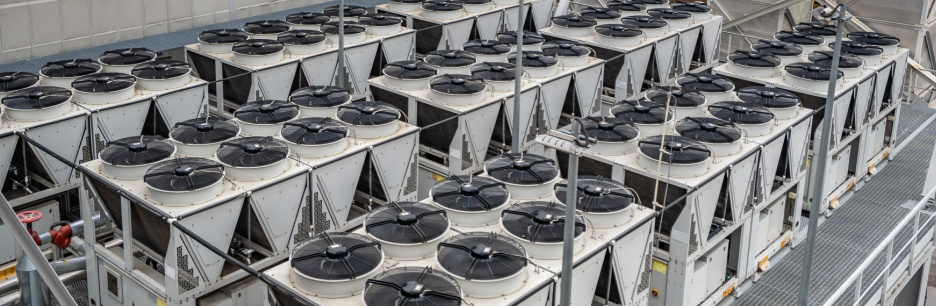
Many manufacturing and processing companies rely on industrial chillers to provide cooling for everything from machinery to finished goods. However, these systems use a lot of electricity, accounting for a large portion of energy use. Finding ways to make chillers run more efficiently is more important than ever. Here are some tips for increasing water and air-cooled chiller efficiency in 2025. Why Optimal Chiller Efficiency Matters for Your Operations Improving chiller efficiency can save money on electricity and reduce energy waste, which in turn helps lower carbon emissions. Therefore, reducing the energy consumption of your industrial chiller benefits the environment by lowering greenhouse gas emissions and other pollutants. In addition, companies that can effectively use industrial chillers can gain a competitive advantage by reducing their production costs. This can ultimately help them become more profitable and sustainable in the long run. How to Calculate Chill
00